


Opinion News - Page 19
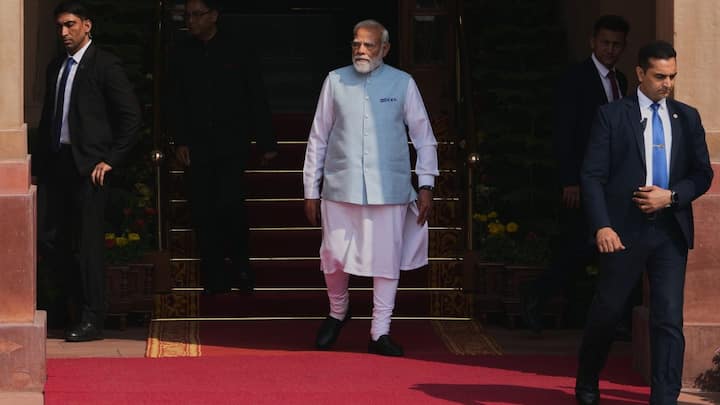
India’s tightrope diplomacy manages the West Asia crisis better than most
Under the Modi government, India’s diplomacy has balanced ties with rival powers, secured energy supplies, safeguarded its citizens, and maintained domestic stability, enabling the country to manage the West Asia crisis better than most
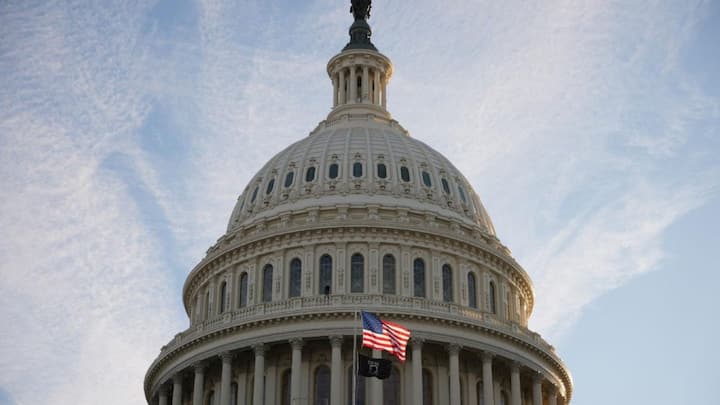
Instead of needling India, here’s why USCIRF should designate United States as a ‘country of particular concern’
Born of Christian evangelical advocacy, staffed by Islamists and chaired by a Christian culture-war activist, institutionally blind to the religious persecution occurring on its own soil, USCIRF functions not as a watchdog of any sort but a tool of geopolitical pressure dressed in the language of human rights
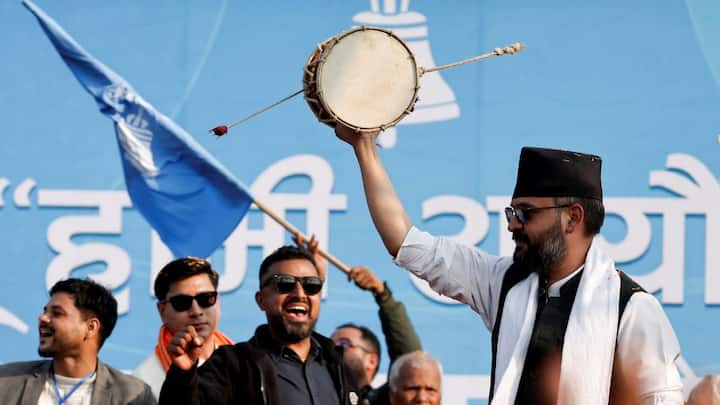
Balen Shah’s premiership: A test of governance and diplomatic balancing for Nepal
The real challenge for Balen Shah’s government will be converting a historic electoral mandate into effective governance at home while carefully balancing Nepal’s relations with India, China and the US
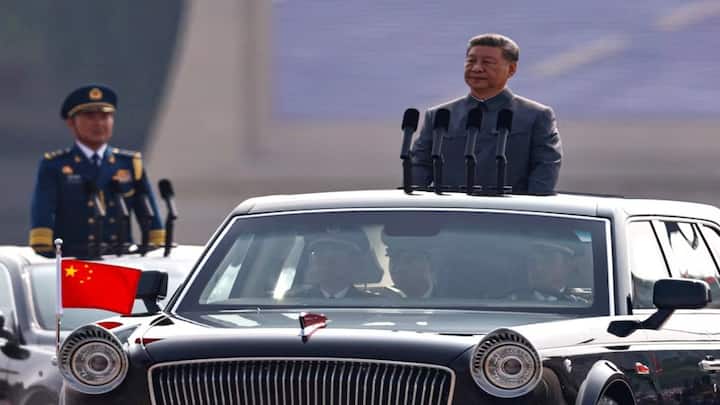
From Gulf to Iran: How China learns and transforms from America’s wars
The Chinese People’s Liberation Army transformed itself after witnessing the First Gulf War, which exposed the power of American high-tech warfare. Today, Beijing is once again studying the Iran war to draw lessons for a future conflict with the US in the Indo-Pacific
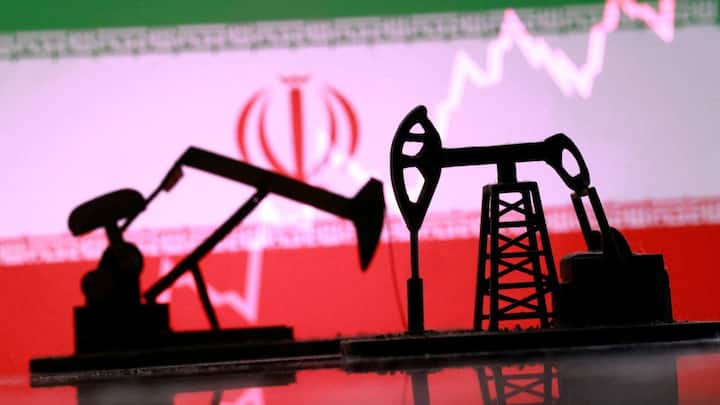
How Houthis backing Iran could trigger a double chokepoint crisis
With threats looming over the Strait of Hormuz and the Bab-el-Mandeb Strait, an Iran-Houthi axis could imperil the world’s most vital oil shipping lanes and trigger a major global energy shock
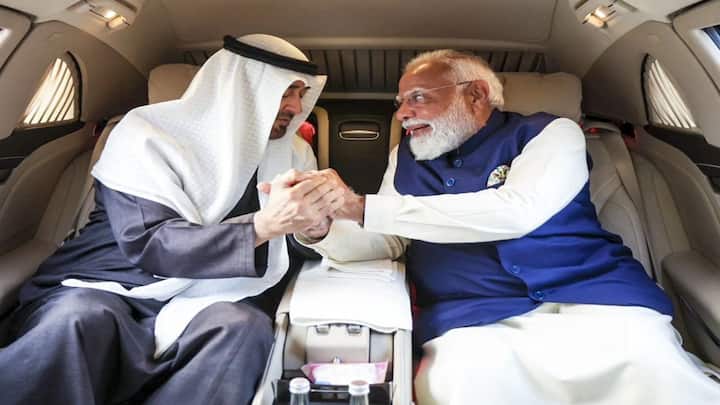
India has now reached a level of influence in West Asia where its voice has real impact: Pramit Pal Chaudhuri
‘Our ties with UAE are at a different level; it is the cornerstone of India’s new Gulf policy’, says Eurasia Group’s head for South Asia
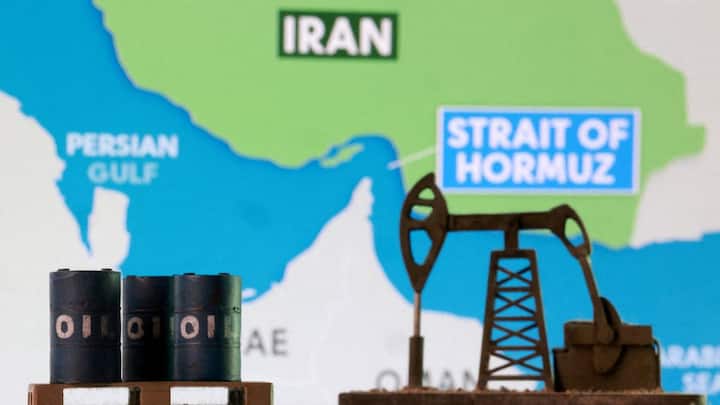
How the Iran war is acquiring global dimensions
What began as a regional confrontation is steadily transforming into a test of the international order itself that is challenging alliances, disrupting markets and forcing major powers to reconsider their strategic assumptions
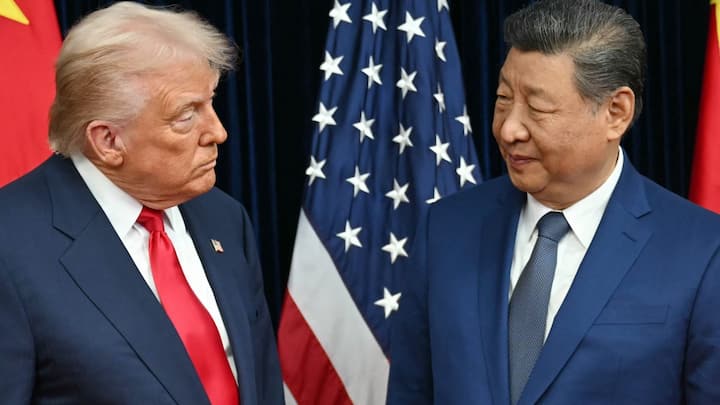
How China’s cautious diplomacy in West Asia reveals a broader strategy
Beijing wants to avoid being drawn into a confrontation with Washington while still demonstrating that it has an independent voice on major international crises
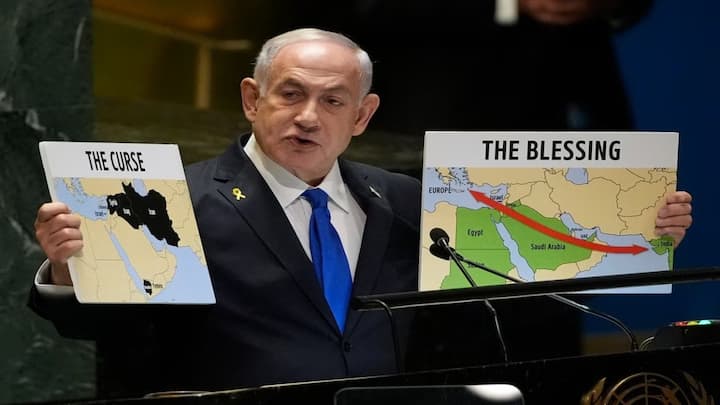
How Israel could be the only winner in the Iran war
Israel appears to be the only player that entered the conflict with a clear objective, and the only one that may derive any tangible gains from it
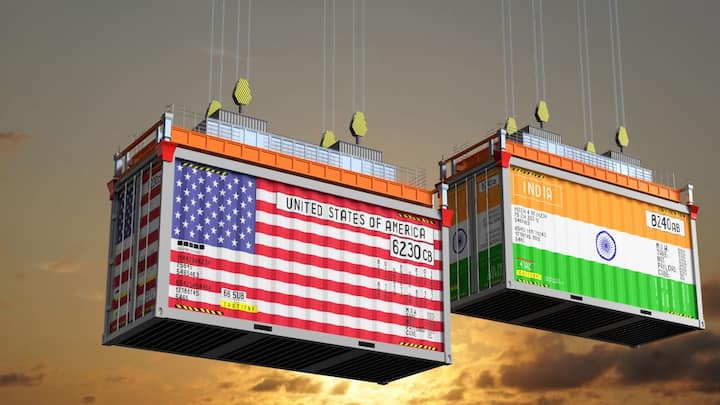
Pramit Pal Chaudhuri: US transactionalism on India not a problem, I’m actually happy Landau made that statement
Corporate America has stuck with India, and even on immigration I’d argue the India story continues without too much trouble, says Pal Chaudhuri of Eurasia Group
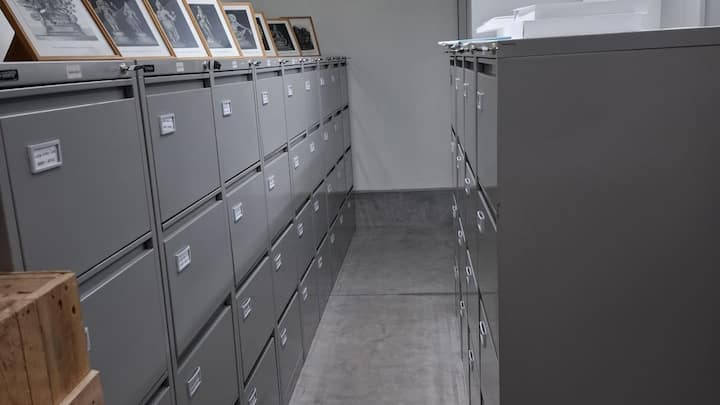
How French archives in Pondicherry are helping India recover stolen temple idols
The decades-old photographic archives from two French institutes documenting South Indian temples have become critical evidence in proving the provenance of stolen idols and helping India bring its lost antiquities home

How Hormuz crisis exposes global complacency on maritime chokepoints
Energy crises often spark talk of diversification and strategic reserves, but prices eventually stabilise and supply routes resume. Markets call this risk, history calls it a habit
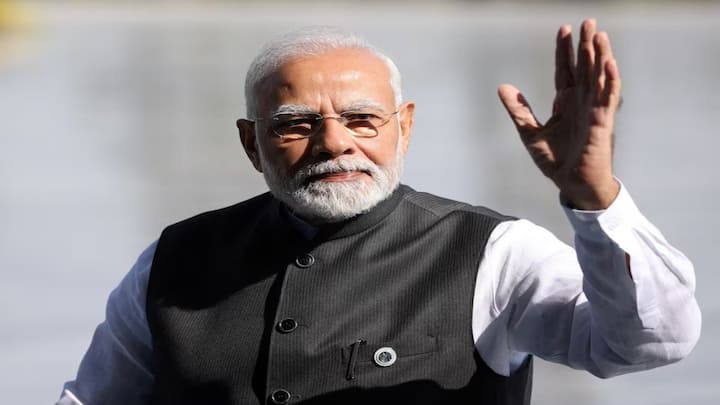
How India can act as a ‘peace architect’ in West Asia
India’s foreign policy framework—built on strong, simultaneous ties with Israel, Iran, the US, and Gulf nations—positions it as a potential ‘back‑channel’ negotiator and peace architect in West Asia
India’s West Asia playbook: The art of not taking sides
As the sands of West Asia continue to shift, India’s neutral hand and unblinking focus on its own national interest will remain its greatest diplomatic asset
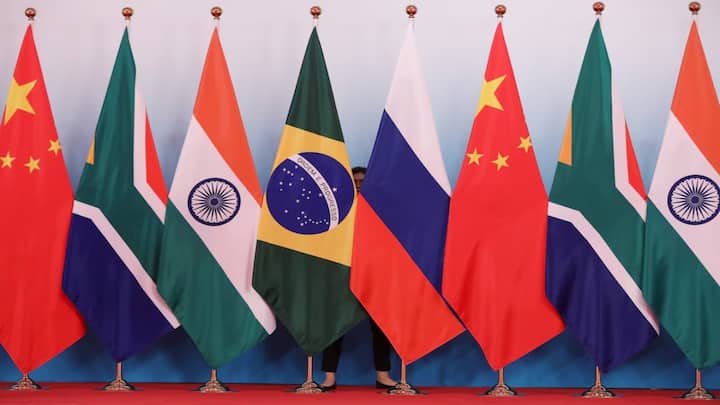
Brics is under strain as the Iran war exposes deep divisions
The future of Brics as a leader of the Global South depends on whether it can move beyond 'symbolic alignment' to functional crisis management
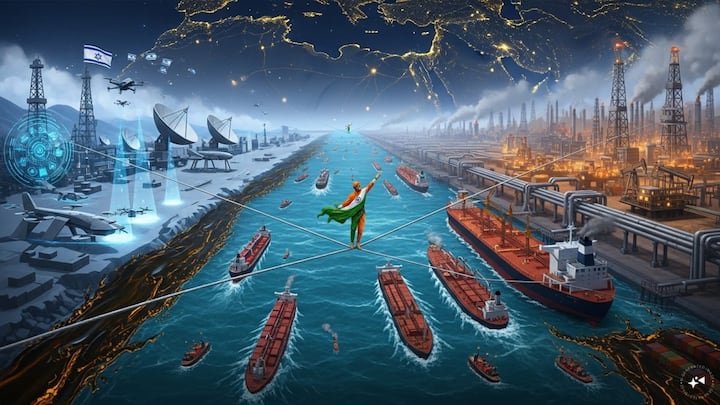
Why India must rethink maritime security after Hormuz crisis
It would be naïve to believe that even when the war in Iran ends, the crisis and contestation on maritime trade routes and chokepoints would be over – in fact, a new era of such conflict would only just be beginning
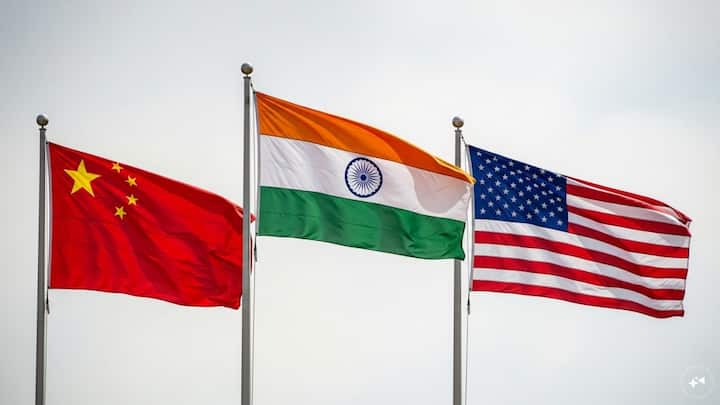
The mirage of Pax Sinica and Pax Americana: How India’s strategic autonomy paves the way for a multipolar world
India offers a values-based vision for humankind. Its strategic autonomy has served it well and positions it to rise, offering the world choices beyond the binary of Pax Americana or Pax Sinica

Gorsam Stupa: A reminder of India’s historic Tibet ties and sovereignty over Arunachal
Gorsam Stupa stands as a powerful reminder of India’s deep historical links with Tibet and Bhutan, firmly affirming India’s sovereignty over Arunachal Pradesh
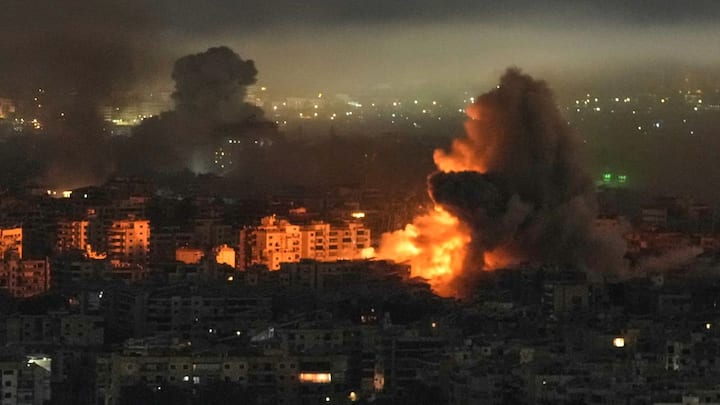
How the Iran war could radical reset the global order
The escalating confrontation between Israel, the US and Iran risks transforming a regional conflict into a crisis with profound global strategic and economic consequences
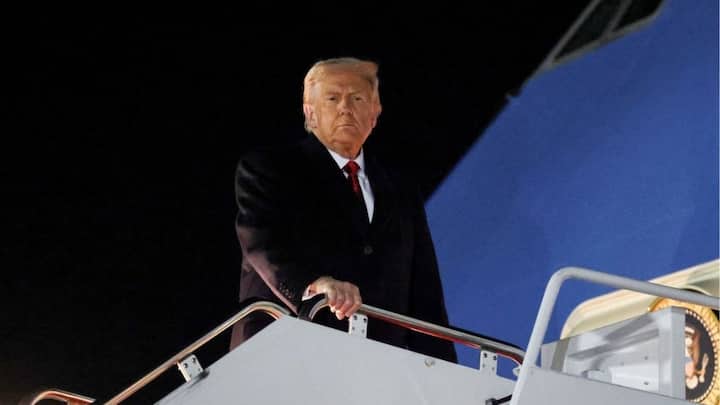
Trump’s Iran war could accelerate the global push against dollar hegemony
America has benefited immensely from the dollar’s hegemony, but first the Russia-Ukraine war, then the Venezuelan regime change, followed by claims over Greenland, and now the Iran war are all testing its dominance
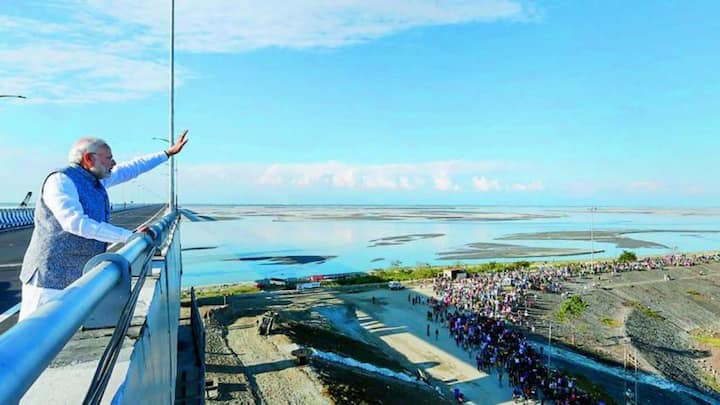
From frontier to gateway: How the Northeast is now central to India’s Indo-Pacific vision
As the Indo-Pacific reshapes global power and commerce, the Northeast is emerging from the margins to become India’s strategic bridge to Southeast Asia
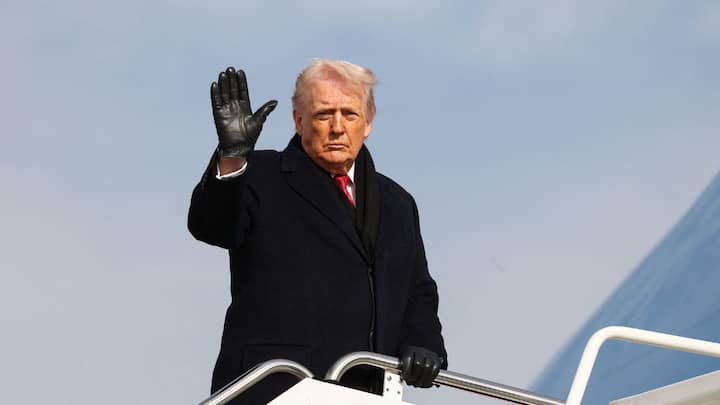
US Sutra | Power, not principles: What the US strike on Iran reveals about world order
The US far from being a gently receding superpower, managing its own decline gradually and gracefully, has shown that it can still not only growl, but bite
Nepal and India should seize the Balen Shah moment to reset ties
Kathmandu deserves every encouragement possible as the new order settles down, irrespective of the roadblocks and challenges it will undoubtedly face
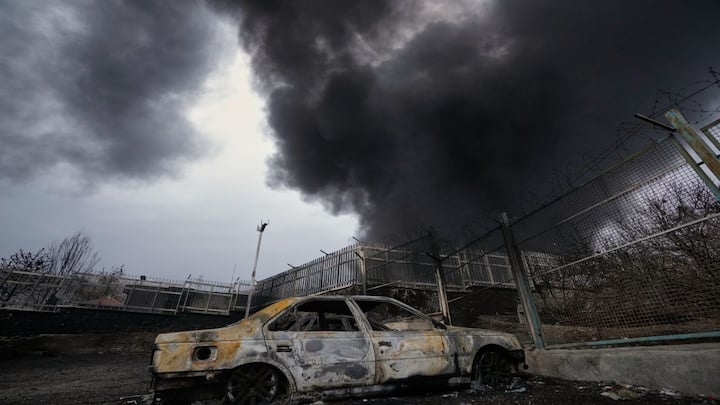
IMEC in the crossfire: How an Iran-Israel war could reshape India’s West Asia strategy
For India, the challenge will be to pursue connectivity ambitions while carefully managing the geopolitical risks associated with a volatile West Asia

From Basmati to cars: How the Iran war could hit India’s Gulf trade
As tensions in West Asia escalate, analysts say India’s economy may remain broadly resilient, though exporters and energy-dependent sectors could feel the pinch if the conflict drags on
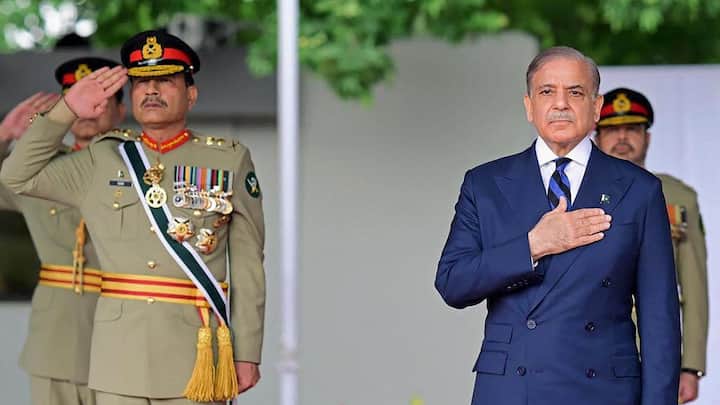
How Iran war is Pakistan’s worst strategic nightmare
As the war intensifies in West Asia, Pakistan faces a dangerous convergence of energy shocks, border instability and diplomatic strain
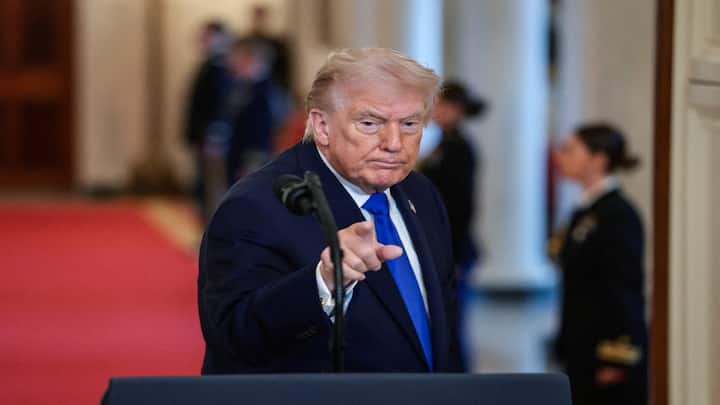
Iran’s brinkmanship and Trump’s redline: How the crisis is reshaping India’s West Asia strategy
If escalation hardens into a binary alignment, India’s pivot will be quiet but decisive. Strategic autonomy remains New Delhi’s doctrine, yet autonomy operates within the boundaries of national interest
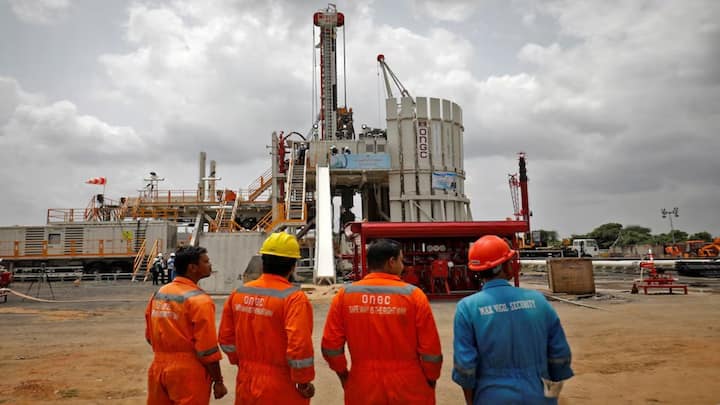
Secure yet exposed: India’s energy dilemma amid the West Asia crisis
India’s energy supplies remain secure in the short term due to reserves and diversified imports, but its heavy dependence on West Asian routes—especially the Strait of Hormuz—leaves it structurally vulnerable to prolonged geopolitical disruptions
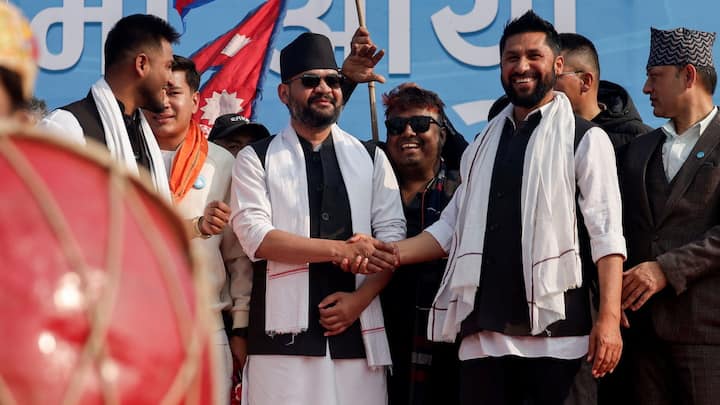
New dawn in Nepal: Balen’s RSP sweep ends old order, India must grasp the generational shift
The Rashtriya Swatantra Party’s sweeping victory marks a generational revolt against Nepal’s entrenched political order and the rise of a new era — India must quickly adapt to the change
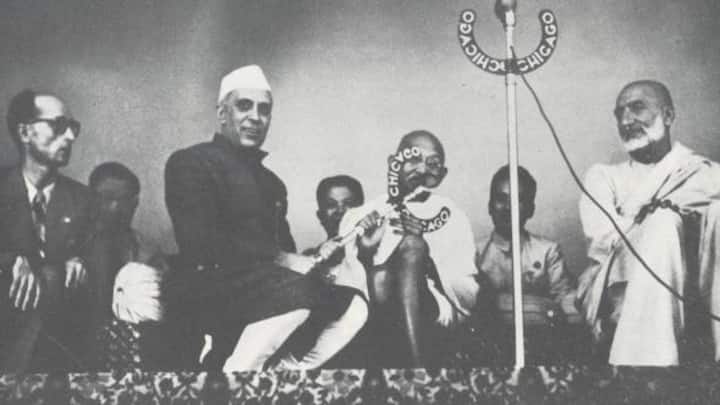
Nehru’s frontier folly: How Bharat lost NWFP and gave Pakistan ‘strategic depth’
Bharat’s strategic marginalisation in Afghanistan did not begin with the rise of the Taliban in the 1990s; it actually started with a fateful decision during Partition