


IPL's big shift away from TV: Full picture shows overall reach still growing despite challenges
IPL 2026 has seen a big dip in its TV viewership numbers, but it is just half of the picture. While there are concerns, it is still not as gloomy as some critics suggest.

On a glitzy night in 2008 in Bengaluru, a beast was born. The Indian Premier League (IPL), initially launched as an experiment, transformed the cricketing world in ways no one had imagined. In the 19 years since then, it has grown bigger and bigger.
The league has become a summer staple for millions of cricket fans across the country and is increasingly viewed as a massive investment opportunity for the world’s richest individuals. What started as a domestic T20 tournament has evolved into a sporting and financial behemoth that now commands global attention.
However, in 2026, that seemingly unstoppable rise has hit a roadblock. Traditional linear TV numbers for IPL 2026 have dropped sharply. Television ratings fell 18.8% from 4.57 to 3.71, while average viewership per match declined nearly 26%, from 10.6 million to around 7.84 million. The drop in viewers has naturally led to fewer advertisers, triggering concerns among stakeholders.
 More from Firstcricket
One can use these numbers to paint a gloomy picture, as many on social media have done, but adding context reveals that the situation is not as worrying as it appears.
IPL 2026's digital growth
When the IPL began, India’s internet penetration was marginal and remained so for nearly a decade before changing dramatically. Today, the country stands second only to China in the number of internet users. This shift is clearly reflected in changing patterns of content consumption.
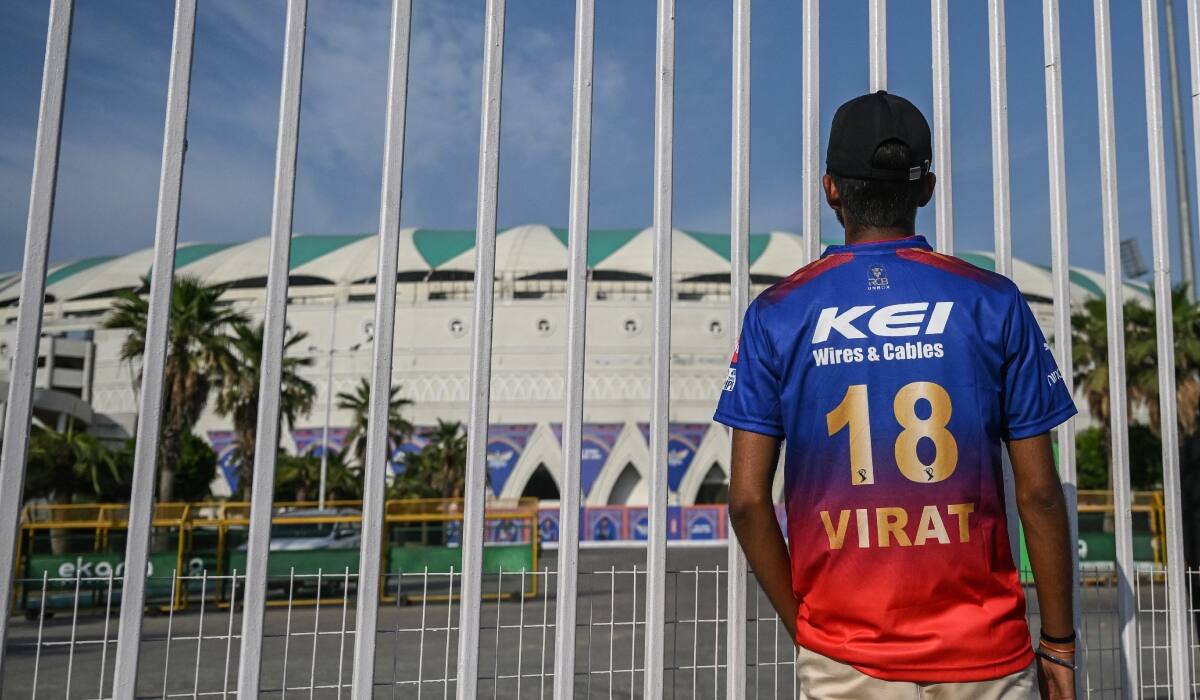
Despite the decline in TV numbers, overall cumulative viewership this season has registered a 7% increase compared to the previous year, according to official broadcaster JioStar. Average match reach has also grown by a similar margin.
A major driver of this growth is the shift towards Connected TVs (CTVs). As per JioStar, CTV is now the fastest-growing platform, recording a 26% increase in reach and a 20% rise in consumption year-on-year. While smartphones had already penetrated smaller towns, Smart TV usage is now increasing rapidly as well.
Experts acknowledge the shift
While these numbers were revealed on Wednesday, IPL founder Lalit Modi had already addressed speculation about slowing growth by highlighting this very shift.
“The mistake many analysts make is treating IPL like it’s still a pure television property. It is not. The IPL has turned into a multi-screen, multi-platform entertainment ecosystem,” Modi told news agency IANS when concerns about declining interest first emerged.
“Measuring a digital-first global sports property only through television ratings is like measuring the internet through newspaper circulation,” he added.
“Viewers are moving from broadcast TV to OTT. Families are splitting their viewing across devices. Young audiences prefer mobile and connected TV. Advertisers are looking for measurable engagement, not just TV ratings,” Modi said.
Experts echo this view. “IPL viewership, unlike in the good old days, is not going to be full-match viewership. There are going to be a host of people who watch portions of the match when they want to, when they get the time. That kind of viewership is best suited on the mobile phone, through digital mediums and one-to-one formats,” brand and business strategy specialist Harish Bijoor told YourStory.
Alarm bells for IPL still exist
While this assessment is correct, it would be unwise to paint an entirely rosy picture. Screens have multiplied and viewing patterns have changed, but the loss of advertisers remains a genuine concern. The ban on real-money gaming has removed a major advertising pillar. Many fans who were heavily invested in the game are now less engaged because they no longer have skin in the game.
There is also a bigger crisis looming. Reports suggest the next media rights cycle (2028-32) may plateau around the current valuation rather than grow further as it has consistently done. This could seriously impact the momentum of a league that has long been considered recession-proof.
The IPL will have to adapt quickly to this new reality if it wishes to strengthen its position as the global leader in sporting entertainment.

Rohit Sharma finally responds to growing speculation over his India future: 'Let the noise be there'
Shubman Gill pins India's loss on death-over lapses after England run riot: 'We gave away lot of runs'
Rohit shines with historic Lord's ton, but England seal series 2-1
India and England players don black armbands, observe minute's silence at Lord's to honour Sir Garfield Sobers
India coach shrugs off Rohit Sharma form woes amid speculation on ODI future: 'He brings that calmness'