


Health News - Page 11

Drinking alcohol in summer? These side effects will make you think twice
Drinking alcohol in summer can worsen dehydration, increase heat risks, and impair judgement. Here are eight major side effects you should know before consuming liquor this summer season

Why your sleep quality drops in hot weather (and ways to fix)
Hot nights disrupt the bodys cooling process, causing lighter, fragmented sleep and fatigue, experts advise airflow, light bedding, hydration and cooling routines to improve rest

Sitting vs standing at work: Which one is actually worse?
Is sitting really the new smoking, or is standing just as harmful? Experts say both prolonged sitting and standing can damage your health. The key lies in movement, posture changes, and balanced work routines to prevent musculoskeletal disorders and long-term workplace injuries

This is what people in hot regions eat to stay cool naturally
Discover the natural foods that help cool your body during extreme heat. From hydrating fruits to cooling grains, learn what to eat to stay refreshed and comfortable all summer

Can we vaccinate against stress? What research says about building resilience to pressure
Doctors say a literal stress vaccine does not exist yet, but research is exploring ways to train the body’s stress response while lifestyle habits remain the first line of defence.

Doctor explains: When a fever is not 'just viral' and how to spot malaria early
From monsoon-triggered fevers to life-threatening complications, Firstpost brings you expert insights on how malaria presents, spreads and why timely diagnosis can save lives in India.

Why you keep forgetting things and when it may be more than stress or ageing
Experts explain why occasional forgetfulness is common—but persistent memory loss could signal depression, mild cognitive impairment or dementia.

Endometriosis crisis: Why ‘normal’ period pain is delaying diagnosis by years
Experts warn that dismissing severe menstrual pain as “normal” is leading to delayed diagnosis of endometriosis, impacting fertility and long-term health outcomes for millions of women.

Why you must apply sunscreen even when indoors
Thought sunscreen is only when outdoors in direct sun? Well, you may be mistaken. Modern dermatologists believe indoor environments aren't fully shielded to protect your skin

Can’t smoke in UK if born after 2008: Commons, Lords agree on final draft of lifelong cigarette ban
Children aged 17 or younger will no longer be able to buy cigarettes in Britain, as the UK's Parliament passed Tobacco and Vapes Bill on Tuesday.

7 non-meat foods that offer 20g protein (clinically proven, evidence-based)
Protein plays a central role in overall metabolic health. Research shows that well-planned plant-based or non-meat diets can meet these needs just as effectively as omnivorous ones

Russia has more HIV cases than most of Europe — and it's getting worse
Russian health authorities have called for a major expansion of HIV testing, urging that nearly one-third of the country’s population be screened every year as infections continue to rise.

World Liver Day: Experts warn liver disease is the ‘fourth major complication’ of diabetes
Fatty liver linked to diabetes is emerging as a silent but serious complication, progressing without symptoms and affecting metabolism, fertility and long-term health outcomes.

New targeted therapies could cut need for dual transplants in rare kidney disorders: Experts
New targeted therapies are transforming treatment for rare kidney disorders, offering hope of slowing disease progression and reducing the need for dialysis or transplants.

Can ‘muscle memory’ be improved?
'Muscle memory' is used for tasks we carry out or skills we learn that we begin to perform automatically over time without much thought. Also known as procedural memory, repeating a task is the fastest way to improve it

Doctor explains: Why hemophilia often goes undetected and how early signs can save lives
Hemophilia, a genetic bleeding disorder, is often diagnosed late due to persistent myths and subtle early symptoms. Firstpost brings out expert insights on red-flag signs like prolonged nosebleeds and joint swelling and advances such as gene therapy enabling near-normal lives.

World Haemophilia Day: Experts call for proactive prophylaxis and robust infrastructure to transform care in India
On World Haemophilia Day, experts urge early diagnosis and preventive care, citing low detection, poor awareness and unequal access for thousands of patients

What’s Keytruda, the best-selling drug that treats 22 cancers, but is unaffordable for most?
Keytruda, manufactured by the US-based Merck & Co, is an immunotherapy drug that has become one of the world’s best-selling drugs. It is being used to treat several cancers, including those in the lung, breast and skin. However, the life-saving drug remains out of bounds for several thousand cancer patients in India, as it is priced over Rs 1.5 lakh for a 100 mg vial

Danish firm Novo Nordisk joins hands with OpenAI to develop new drugs
The Danish pharmaceutical titan Novo Nordisk has entered a landmark collaboration with OpenAI to revolutionise the way chronic disease treatments are discovered.

What happens when you walk 10,000 steps daily for 30 days?
Walking 10,000 steps a day for 30 days can lead to meaningful improvements in your body. Experts believe this contributes to better overall health

How much water should you actually drink?
You’ve probably heard the rule: drink eight glasses of water a day. But is that actually true or just a convenient myth? Let's find out what experts have to say
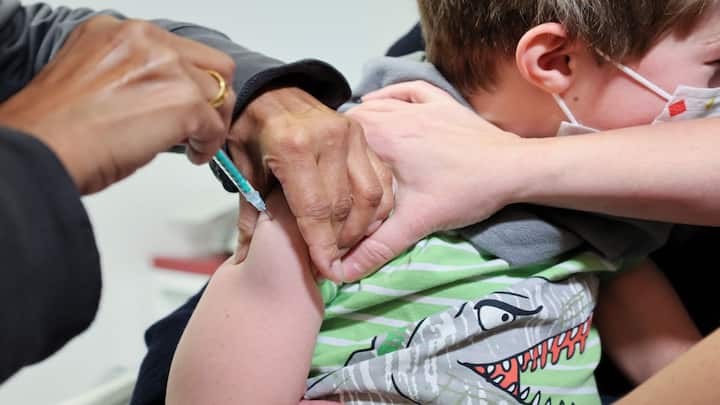
Did 60,000 die in Germany because of Covid vaccine? Debunking the Musk-backed viral claim
A testimony by a former Pfizer toxicologist to the German parliament about the safety of Covid vaccines has gained a backer in Elon Musk. The billionaire has claimed that his second jab ‘almost sent him to the hospital’. The claims by the expert and the X owner have once again renewed interest in the efficacy of jabs

Poor oral health and UTIs could be silent drivers of cognitive decline, study suggests
A Finland study links severe UTIs and dental infections to higher dementia risk, suggesting inflammation from common infections may accelerate cognitive decline within five to six years of onset

5 doctor-approved ways to beat heatstroke this summer
Over the years, heatwaves across India during summers have become longer and more dangerous with several deaths reported throughout. Here are some quick ways you can safeguard yourself

Weight loss tip: Don’t eat dosa for breakfast. Here's why
Celebrity fitness trainer Siddhartha Singh has sparked a nutrition debate by suggesting that eating dosa for breakfast may not be ideal for those aiming to lose weight

Squats vs walking: What should you do after lunch?
Bryan Johnson, a popular fitness enthusiast, claims that doing squats post-meal is better than doing 30-minute walks. Here's what expert think of his claim
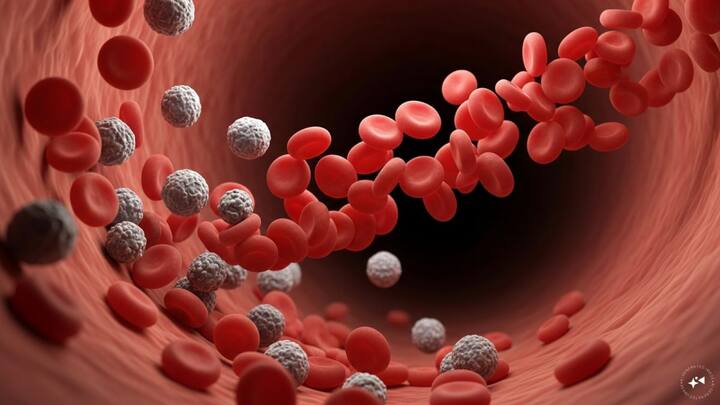
From thalassemia to sickle cell: Bone marrow transplants as a ‘reset’ for genetic blood disorders
Bone marrow transplants are increasingly being used to treat non-cancer conditions like thalassemia and sickle cell disease, but cost, access and donor shortages remain key challenges in India.

Persistent joint pain in children: It could be hemophilia, not a sports injury
Joint swelling that recurs in the same spot could be a sign of Hemophilia. Learn why early diagnosis of this bleeding disorder is critical to preventing lifelong disability in children.

Genetic screening before marriage could prevent inherited blood disorders in children: Experts
As conversations around marriage often revolve around finances, careers and lifestyle compatibility, a critical health question is frequently overlooked: should couples also discuss their genetic compatibility? Experts say that ignoring this aspect means missing an opportunity to identify hidden risks of inherited blood disorders that may affect future children.

Autism research evolves: Early signs key as scientists explore possible brain links with Alzheimer’s
Autism and Alzheimer’s share brain wiring issues like faulty genes (SHANK3) and weak connections, raising later dementia risk. Experts stress spotting subtle signs before age 2 for life-changing interventions.