


Why you keep forgetting things and when it may be more than stress or ageing
Experts explain why occasional forgetfulness is common—but persistent memory loss could signal depression, mild cognitive impairment or dementia.

Misplacing keys, forgetting names or losing track of a task mid-way—these everyday memory lapses are often brushed off as stress or ageing. But experts say not all forgetfulness is the same, and in some cases, it could signal something more serious.
Dr. Sunil Agrawal, Consultant Neurology at Fortis (Greater Noida) explains that memory issues broadly fall into three categories: normal ageing, pseudodementia and dementia. “These conditions may appear similar but have very different causes and outcomes,” he says.
Globally, conditions like Alzheimer’s disease remain the most common cause of dementia, affecting millions of people. Early identification, experts say, is key to slowing progression and improving quality of life.
Stress, sleep and ‘pseudo’ memory loss
For many younger individuals, forgetfulness is often linked to lifestyle factors rather than neurological disease.
Dr. Rajashekar Reddi, Vice Chairman – Neurology at Max Healthcare, says that in people under 50, memory issues are commonly driven by inattention, multitasking, sleep deprivation, mood disorders, and even nutritional deficiencies. “In many cases, the problem is not memory storage but lack of attention,” he explains.
 More from Health
Dr. Agrawal describes a condition known as pseudodementia, where depression mimics symptoms of dementia. “Memory formation involves attention, retention and recall. When someone is stressed or sleep-deprived, attention suffers, leading to poor recall,” he says.
This means that what appears to be memory loss may actually be reversible with better sleep, stress management and treatment of underlying mental health conditions.
Ageing vs dementia: Where to draw the line
As people age, some decline in memory is expected—but distinguishing normal ageing from early dementia is crucial.
According to Dr. Agrawal, occasionally forgetting names and recalling them later is normal. Misplacing items once in a while or making minor errors in daily tasks is also part of ageing.
However, certain signs are red flags. “Keeping items in unusual places, forgetting familiar routes, struggling with routine tasks, or frequently making serious financial mistakes are not normal,” he says.
Dr. Reddi adds that age is the biggest risk factor for true cognitive decline. Conditions like Mild Cognitive Impairment (MCI) and dementia are now recognised as medical disorders rather than just ageing. While people with MCI may notice memory issues themselves, they can usually carry out daily activities. Dementia, on the other hand, involves clear, objective decline noticed by others.
Studies suggest that a significant proportion of people over 65 experience some level of cognitive impairment, with the risk increasing sharply in older age groups.
When should you see a doctor?
Experts say persistent or worsening symptoms should never be ignored.
Warning signs include forgetting recent events, repeating questions, difficulty performing familiar tasks, problems with language, poor judgment, and personality or behavioural changes. In later stages, individuals may lose their way in familiar places or become dependent on others for daily activities.
Dr. Reddi emphasises that diagnosis involves structured assessment. “Standardised cognitive tests, MRI scans and blood investigations are used to confirm conditions like dementia,” he says. Newer blood biomarkers are also helping in earlier detection of Alzheimer’s.
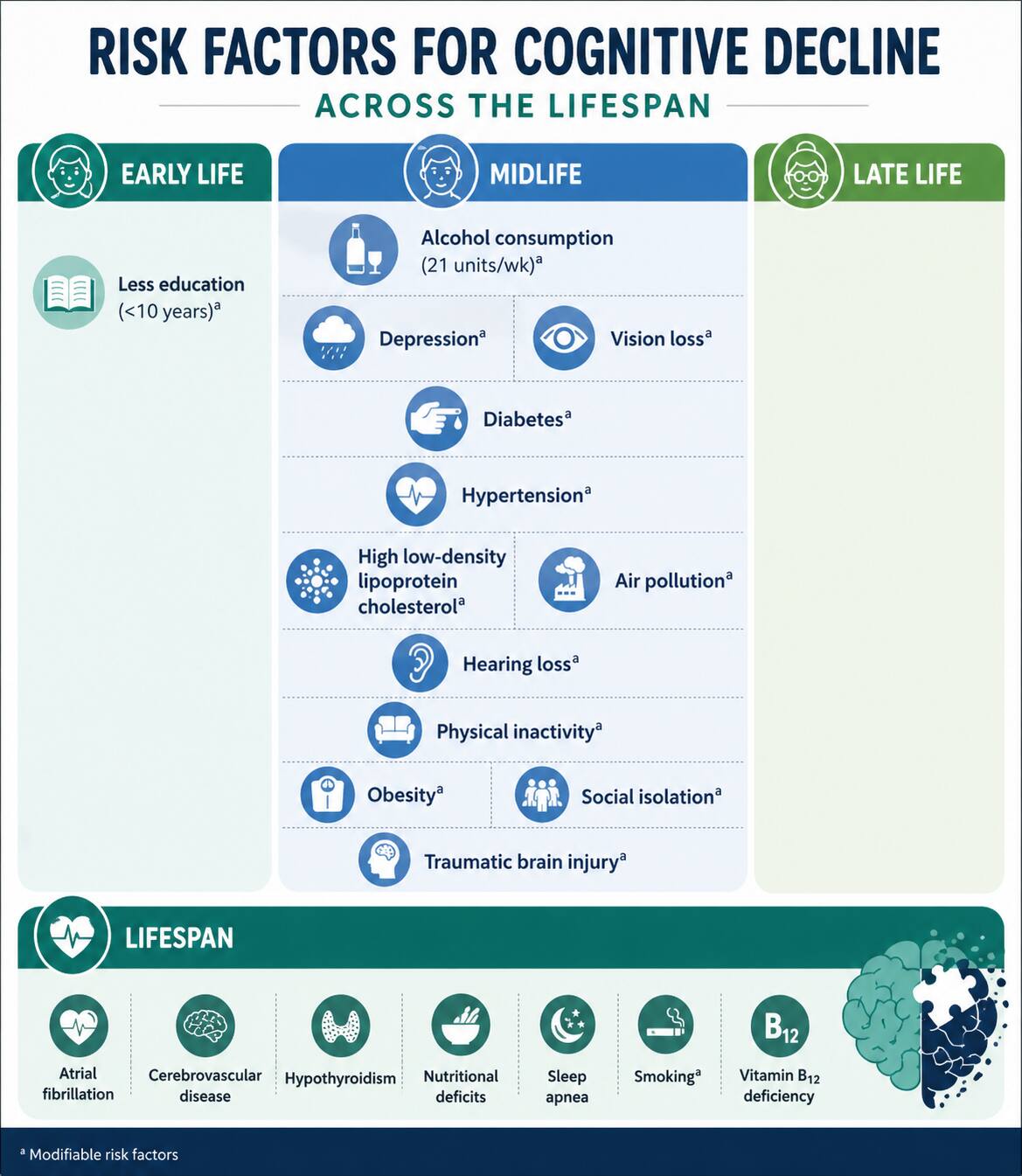
Importantly, other factors such as hearing loss, vision problems, infections, thyroid disorders and medication side effects can worsen memory and must be addressed before confirming a diagnosis.
Can memory decline be prevented?
While not all causes of memory loss are preventable, lifestyle plays a significant role in brain health.
Dr. Agrawal recommends maintaining good sleep hygiene, including limiting caffeine and screen exposure before bedtime. Regular physical activity, managing conditions like diabetes and hypertension, and following a balanced diet—such as the Mediterranean diet—can help protect cognitive function.
Mental stimulation is equally important. Activities like puzzles, learning new skills or languages, and social engagement can strengthen brain function over time.
Dr. Reddi said that treatment options for dementia have evolved. While earlier medications had limited impact, newer therapies such as monoclonal antibodies are showing promise in slowing disease progression—especially when started early.
Not all forgetfulness is harmless
The key takeaway, experts say, is that occasional forgetfulness is normal—but persistent or worsening memory problems are not.
Understanding the difference between stress-related lapses, age-related changes and early signs of dementia can make a crucial difference. Early diagnosis not only opens the door to treatment but also helps individuals and families plan better for the future.
As doctors emphasise, memory loss should not simply be dismissed—it should be understood.
Tags

Stroke is rising among young adults. Doctor explains why it's happening and what you must do
Stroke in young adults, silent symptoms and late diagnosis: India's growing brain health challenge
Brain tumours aren't always fatal, but delayed diagnosis can be: Experts explain the key warning signs
Spices, health and the Indian plate: Why chilli can be good for you—but moderation is still key
Organ donation: 5 myths you need to stop believing, according to a transplant specialist