


Exclusive | 'For the last 35 years I am hearing that,' Anjum Chopra on India women's cricket team's fitness and fielding
In an exclusive interview, former India captain Anjum Chopra discusses India's disappointing tour of Australia, Rohit Sharma and Virat Kohli's future, Gautam Gambhir's coaching style and how well-prepared India are ahead of the ICC Women's World Cup.

As the dust settles on what was a rather disappointing tour of Australia for the Indian men’s senior cricket team, we have more questions than answers. If the last two tours of Australia were remembered for the courageous, often heroic cricket that Team India played, this tour will be remembered for a number of things that didn’t work. The 1-3 scoreline really sums up the campaign entirely.
So where does Indian cricket go from here? What can we expect, in terms of Rohit Sharma and Virat Kohli’s Test future? What’s the overall perception of Gautam Gambhir as head coach? For the answers to these questions and more, I had spoken to former India captain Anjum Chopra during the Boxing Day Test in Melbourne about some larger topics related to Indian cricket – both men’s and women’s games.
 More from Sports News
In this interview conducted on December 26, 2024, Anjum, who played 12 Tests, 127 ODIs and 18 T20Is for India, among other things, talks about how the system needs to support super-seniors like Virat, Rohit and others, when they are going through a slump. She also gives an honest assessment of Indian women’s cricket, as things stand right now, with India scheduled to host the next edition of the Women’s ODI World Cup later this year.
Excerpts…
I wanted to start this conversation by talking to you about the future of the Indian men's Test team in terms of personnel, going forward. R Ashwin chose to exit on his own terms, but what about the other super-seniors, like Virat Kohli, Rohit Sharma, Ravindra Jadeja and even Mohammed Shami? In the context of these players, where do you see the team going in the near future?
Anjum Chopra: I have always felt that if you have a talent to be replaced, most of the time you wouldn’t have a like-for-like replacement. If you have – please go ahead with it. It’s easy to reject or discard, but it’s difficult to invest and progress. While I do feel that the yardsticks need to be the same for everyone, but at the same time you have to understand till when the olive branch will be extended and why. I have never felt that you should just discard or change, because you want to do something different. But it has happened and it will happen.
But that is up to the decision makers – how they evaluate things. I have always felt that it’s very easy to throw things away, to discard them. But you have to take a step back and analyse why that is happening, because most of the time they will be the investments that you would want to bear fruit from in the present and the future. So, might as well take a step back to assist them (super seniors) to come out of their slump, because you have invested time and effort and they have delivered. That is why they are there. So, try assisting in solving rather than just discarding.
It's an open secret really that Jasprit Bumrah is ready to take over as Test captain. So far, he has captained India in three Tests. Going by what we have seen him do on the field as the stand-in leader, what is your take on Bumrah the Test captain?
AC: I think he (Jasprit Bumrah) is brilliant. I remember when he was made (Test) captain and there were inhibitions and people asked – ‘should a fast bowler be made captain? Does Bumrah have it in him?’ But I guess, it was good that he was trusted with the responsibility, because he showcases all those characteristics of being a leader, not only with his bowling but also with his actions. For that you need to be in the dressing room, be around him when he is training, to know that he has the ability.
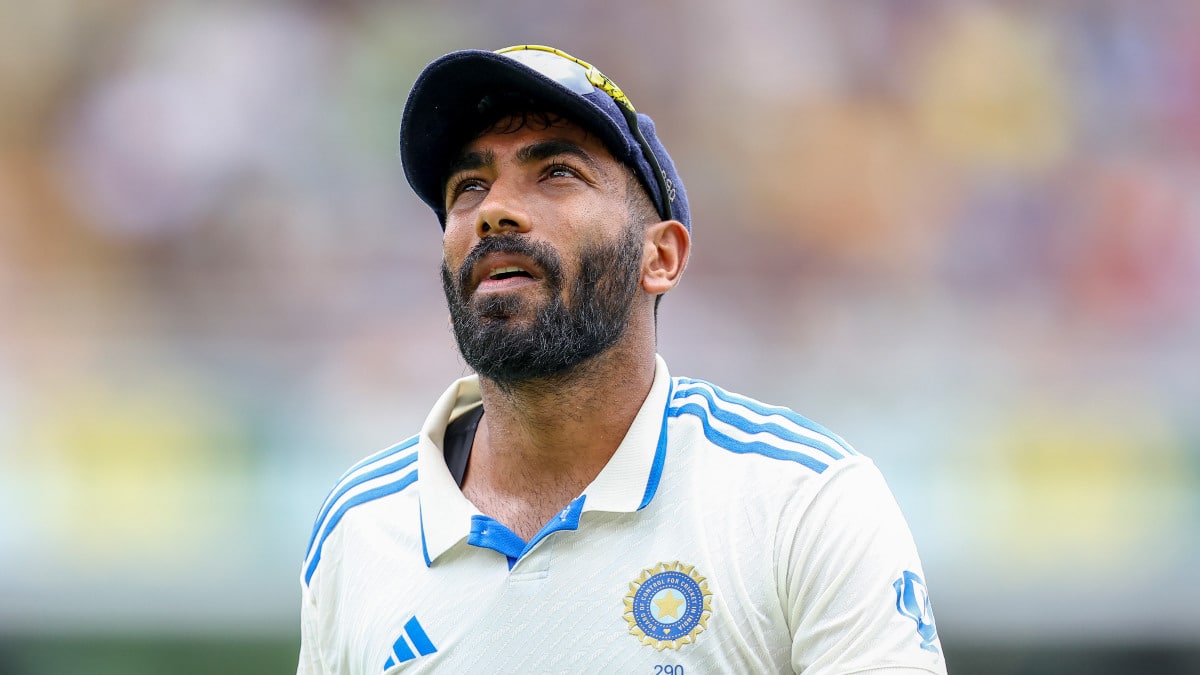
He (Bumrah) is level-headed, we know that. He is skillful, we know that, he is captain material – we have seen that. So why not? And he commands the respect of everyone in his dressing room and (also) the opposition dressing room. Which means a lot. You don’t need a captain to just set a field. You need a captain who can strategise as well, who is the thick of things. So, if Jasprit Bumrah has all these qualities and has the ability, then why not? I see no reason that just because he is not an opening batter, he shouldn’t be made captain. It’s his skill (that should matter).
Do you see Rohit Sharma and Virat Kohli retiring from Tests and continuing to play ODIs in the not- so-distant future? The next edition of the ODI World Cup is coming up in 2027? Do you see them continuing to play both formats?
AC: There is tremendous amount of cricket coming up for them, where they will be in individual roles as captains or leaders, in franchise cricket and before that there is an ODI series with England that’s coming up (3 ODI series in India from February 6-12). The day you announce retirement from one format, you know that retirement from another format is also around the bend. When that bend comes along, we don’t know. I don’t think they (Virat and Rohit) will be thinking that the England tour will be their last or anything after that at home.
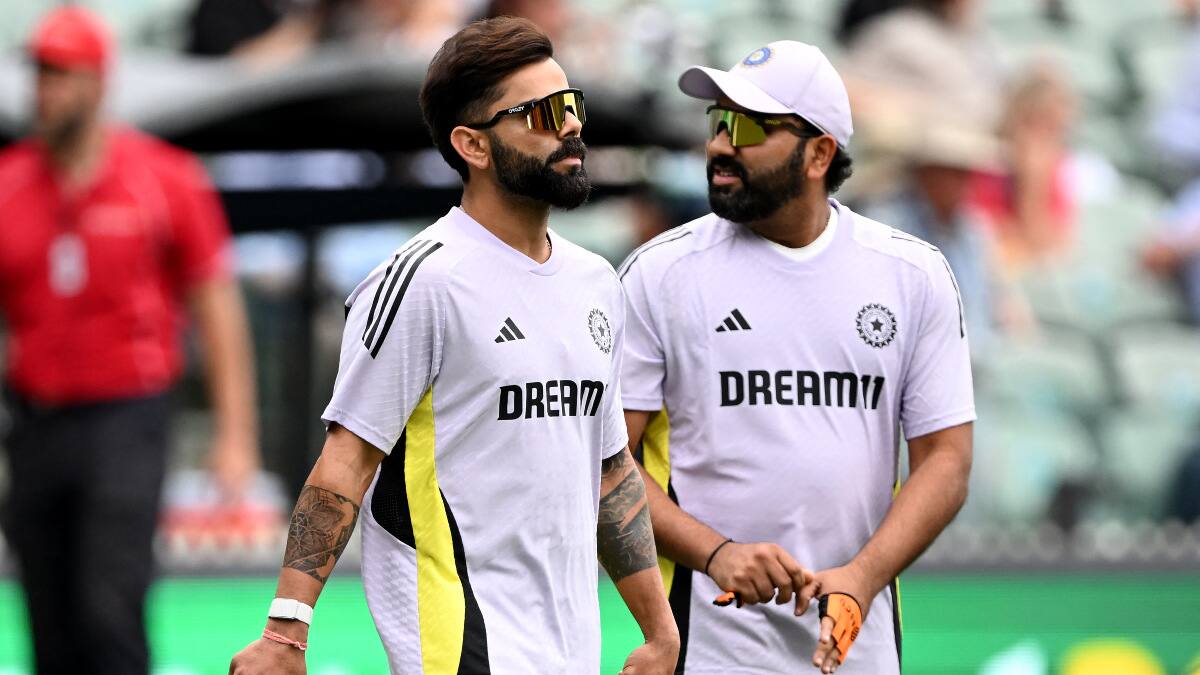
Just a short while back we were saying – ‘wow, the King is back’, because Virat got a hundred (100 not out in the Perth Test). And after a few innings, we are questioning whether the player should continue. That’s how quickly things change, that’s how quickly pressure also comes on a player. I think that they (Virat and Rohit) will not be thinking (of retirement from Tests) right now, but somewhere they will be thinking that if the question is asked to them (whether they want to continue or retire), what is it that they would like to do. And it’s up to an individual’s liking, which format they would like to play. So, One Day (retirement) might come in quicker, Test (retirement) might now. The demands of Test cricket are a tad bit more than One Day cricket.
But then, if you ask say a Cheteshwar Pujara, he might say – no, not at all. But again, it’s up to them, what they (Virat and Rohit) would like to do. The call that is (eventually) taken might just be – we just retire.
I wanted to talk to you about Virat Kohli in a bit more detail. On this tour of Australia, he was in the news for some off-field episodes as well. He was called a bully by the Aussie media. It’s totally understandable that he wants to protect the privacy of his family, of course. Then there was the on-field altercation with Sam Konstas, the ICC fine. Could you read between the lines here, since you have known Virat for such a long time – you are his senior in Delhi cricket. Are you seeing a bit of frustration setting in perhaps?
AC: Prior to the Melbourne Test I was watching an interview that Virat did with Ravi bhai. I caught about 80 per cent of it. And I said to the people I was with that ‘this interview feels a little different’. This interview was prior to the start of the game. Virat has always said that whatever happens on the field stays on the field and that’s absolutely fine. Him being a private person when it comes to his family – everyone knows about it. And that’s absolutely fair.
Also Read | Australian press slams 'Clown Kohli' after batting star barges into Konstas at MCG
Often it (news of Virat’s reactions) is blown out of proportion and repeated many times. It might not have happened with some other player. But then that is the bane of being famous or being a world champion. As a player, would you still want to engage and spend your energy on the opposition (via banter, sledging etc) is something that is (a) very individual (thing). That’s Virat Kohli’s style of play. We know that.
Trying to get under the skin of the opposition, trying to rile up somebody via words, banter etc is completely understandable. Especially against the Aussies, India have adopted that strategy. Again, happens on the field, stays on the field. It might result in a couple of wickets falling, which is exactly what you want. Many people felt though that in the Konstas episode, going by the footage that is available at least, there was some sort of intent there of banging into Konstas…
AC: I didn’t see it happen live. I saw the footage of Virat and Konstas engaging, after the shoulder impact happened. So, there is always a story before the climax. Some people said that Konstas was doing something that was riling up everybody. I had not seen it. But what comes out is (dependent) on what footage that is available and when we see the shoulder barging incident people ask – ‘why is he doing this to a young player?’ But there was a back story to that.
The larger question here though is, if it was intentional, then regardless of what an opposition player is doing, does Virat really need to do anything of this sort? He will go down as one of the all-time greats of the game. Does he really need to do that?
AC: That’s why I used the word – engage. You look at him and ask – does he really need to engage with the opposition? Is it an energy that you would like to spend, which can (perhaps) be utilised in another more important way, for your own self and for your team? That is a decision that an individual needs to take. But if you say – this is how I have always played my cricket and this is how I have always been on the field and I play hard, that is absolutely fine. But then there are still certain things which, as an individual, you can say – ‘this can be avoided and I can still get the better of the opposition’. So, you pick and choose your battles.
Virat has his own method of picking his battles and no one can question that, nobody should. But is it assisting and helping him? At the end of the day, if it helps him to come out and score runs for India, like he did in Perth, no one can say a word. But if it doesn’t, then do you, as a player, want to walk on a tightrope, with no harness on and take yourself to the edge of the cliff? Do you really want to do that or do you want to say – ‘I will stand at a very safe place, even if it is on the top of a mountain?’ It’s a very individual decision to make.
I did read in between the lines when I saw the interview and then later saw this episode and my reaction was exactly what you said – ‘why?’ You are too big a player, you are too senior, he (Konstas) will probably come and take your autograph. You play hard as a player, but also you pick your battles.
Konstas in fact did an interview later where the interviewer informed us that Virat is his favourite player. Now, India haven’t qualified for the WTC Final this time. But, as someone who has played cricket at the highest level, what do you think is the impact or fallout in the players’ heads when their team doesn’t qualify for the WTC Final. How do the players themselves look at it?
AC: I don’t think there is a massive fallout. You feel bad because in the last two cycles, India has been in the final. But India also lost very easily in those two games (lost to New Zealand in 2021 by 8 wickets and to Australia by 209 runs in 2023). They were again in a no-contest zone against both the sides (NZ and Aus). But, if you don’t make it, you don’t make it. Fair enough – ‘we didn’t have enough points and we were not good enough to qualify. There was another team which did better than us.’ It will not be like the 19th of November, 2023 (India lost the ICC ODI World Cup final at home to Australia). That shattered everyone. Again, I am watching from the outside. If I put myself in that dressing room, I would probably feel bad that I am not there (in the WTC Final), but it will not shatter me.
So far, from whatever we have seen, what is your take on Gautam Gambhir as India head coach?
AC: They lost in Sri Lanka, lost to New Zealand at home, then they won the first Test in Australia (Perth). The pink ball Test I don’t really count as such, because we don’t play any pink-ball cricket in India at all. But the players that Gautam has been backing have begun delivering. He was backing Sanju Samson or Harshit Rana or Nitish Reddy and those players have started delivering, which is great because they have the conviction and the backing of the coach. We have seen that kind of conviction and backing from other senior players (also). There would have been so many players who Rohit would have backed and they came good.
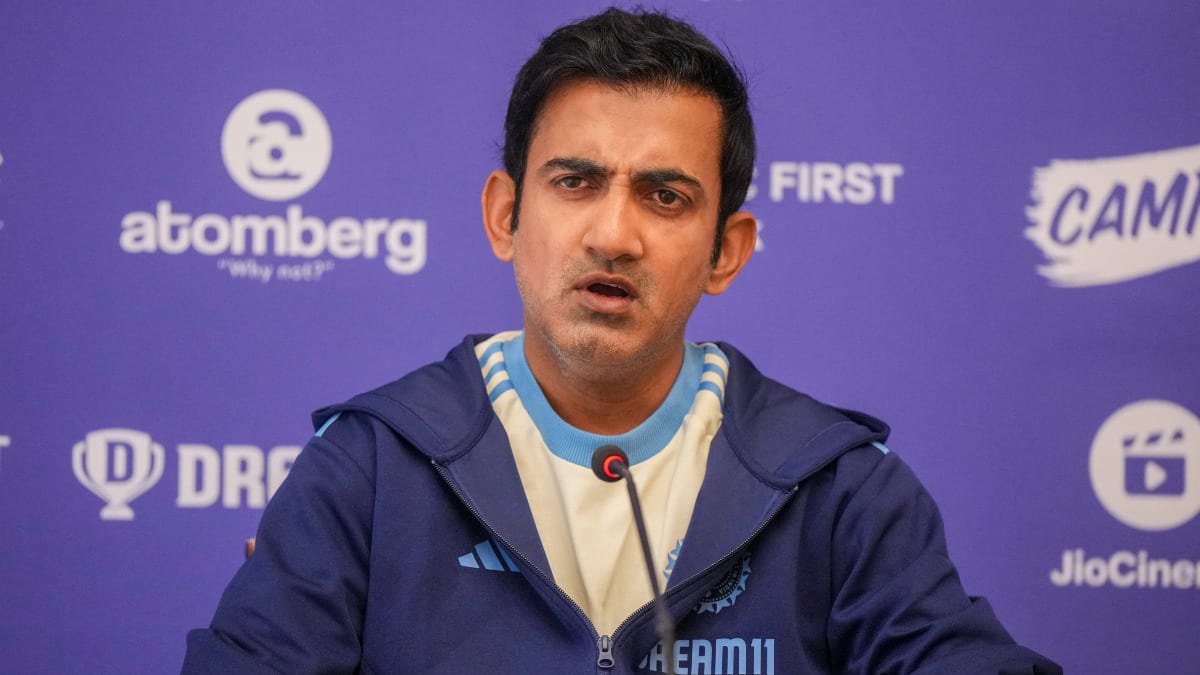
It’s been quite a journey for him (Gautam Gambhir) in the short spell so far as coach. So many ups and downs. To assess Gautam Gambhir’s coaching style, I guess the results of the team start to define the coaching style. But I think that it’s a little unfair to judge (based on that) with these players. Because there are so many evolved players that Gautam has – Rohit, Virat, Jasprit, even Mohammed Siraj. The fair assessment would be with Nitish Reddy, with Washington Sundar, with Yashasvi Jaiswal. When they start shouldering their responsibilities as an Indian team player. That is when you will be making the strategic calls. Right now, there are other people in there as well who are making strategic calls. So, he (Gambhir) is not the only one making the calls. That will be a fairer assessment of Gautam’s style of coaching.
Let’s talk about Indian women's cricket now. The next edition of the ODI World Cup is coming up in August-September and it will be played in India. As things stand right now, what are the key areas Team India need to work on?
AC: Skill, fitness and consistency. These are the three things that need to be worked upon seriously, because they are essential. That is absolutely critical for this team (Indian women’s team) to make a strong impression in the World Cup, because we are just not consistent enough. We are good, but we are not consistent. Sometimes, our skill is failing us. Most times, our fitness is failing us. And then we are in a no-contest against quality sides. So, all three of these factors will come into play. And of course, all-rounders. Very important. We don’t have them. Multi-skilled players.
Consistency is perhaps the most important thing here. We saw someone like even Shafali Verma being dropped after the T20 World Cup in the UAE. She then went and scored that 197 for Haryana vs Bengal in a quarter-final of the Senior Women’s One Day Trophy. Consistency is the most important ingredient that is missing and it’s something the Indian team needs to find and find it quickly…
AC: 100 per cent. Being dropped is one thing, but expectation and reality are two different things. Currently I don’t think anybody is that certain of their places (in the team), because of lack of consistency. Some time back we were literally questioning the set-up and then some time later we were convinced that we are very good. But the fact of the matter is that there are a lot of gaps which need to be filled.
Now, if you don’t have consistency and you are not improving then that means you are falling behind. So, promise (talent) is one thing and it’s not just for Shafali, it’s for any and every one in that team. If you are wanting to become world champions or world beaters or even getting close to that then everyone must understand what is required. From the outside we keep breaking things down (analysing) and I am sure from the inside also they do that to understand. But when you assess whether you have moved in the right direction or not, that is both an individual and a collective thing to assess. How many steps have you taken and how many more steps are you away from the target.
Could you elaborate a little more on the improvement that you would want to see in Indian women’s cricket overall…
AC: I guess everyone in that team needs to step up. Those who are playing currently as well as those who are nursing injuries and in rehab. Seniors and juniors combined. We are playing international cricket. We are not playing friendly cricket. And everyone understands that. But we need to be very honest and see where we were and where we are.
One line that we keep hearing is – ‘we are improving on our fitness and fielding.’ For the last 35 years I am hearing that line. There is something drastically wrong if your improvement is so slow. I say let’s take 3-4 steps back. What’s happening at the junior level? What’s happening at the sub-junior level? Are chinks in the skill-sets being corrected there or are players coming in with flaws or mediocre preparation? There is a system to it. We don’t have numbers (number of players) in women’s cricket like we do in men’s cricket. But if we are struggling to find specialists in our Test set-up then that is also a concern.
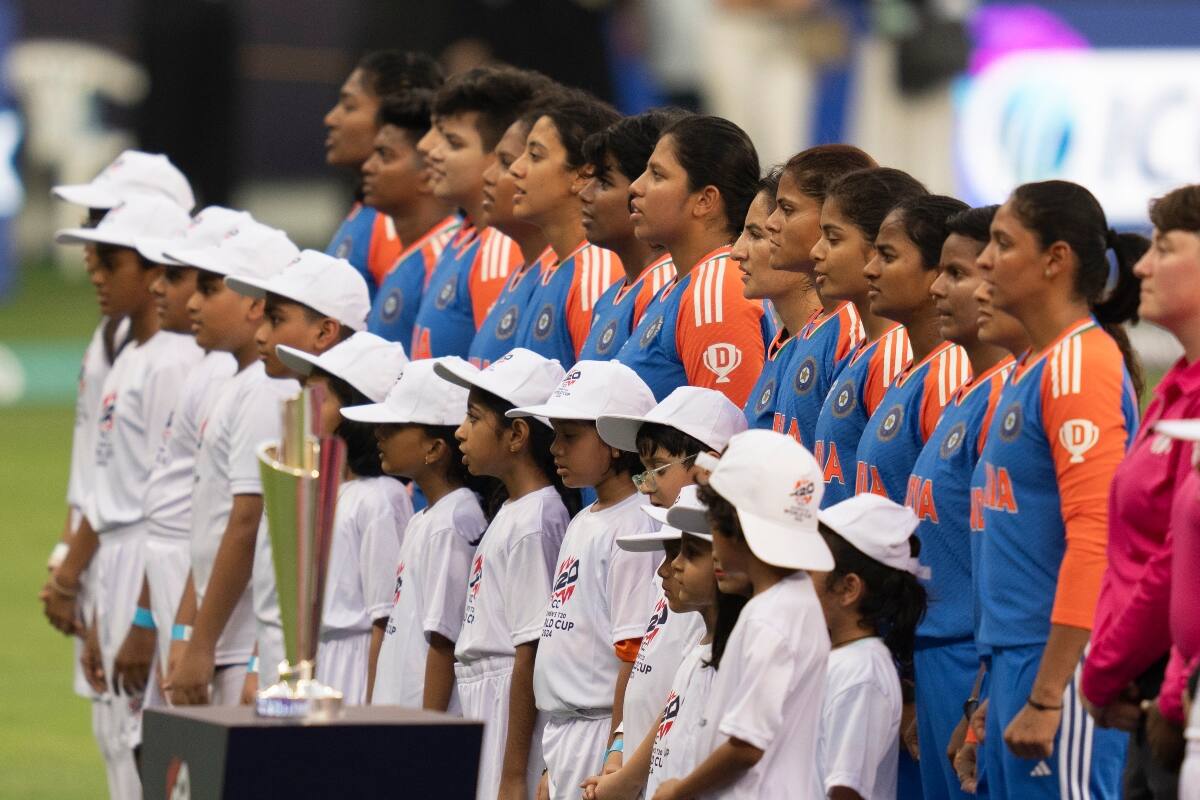
For Tests we would pick batters and bowlers and then pick one-odd all-rounder to balance the team. But today if you look at the squad and say – ‘this player has both skills (batting and bowling), but can this player execute both skills to the T? In men’s cricket also we are trying to balance things out, which is working reasonably well. But in the women’s game we don’t have such numbers (of players). We are scoring runs, but is that the pace at which you should score runs? Can it become better? Can shot selection improve? Can running between the wickets become better? Can catching improve?
So, if I sit back and analyse a team which I want to see as world champions or world (title) challengers, what are the areas we need to target, who are the players who will fit into those roles and how do I get them to fit into those roles? One day losing to Australia and then another day beating West Indies is not going to do the job. These are moments that need to be assessed (to determine) how far we have come and how much we lag (behind others). A lot of homework is needed. If they are doing it great. If they are not then the results will be mixed.
Akaash is a former Sports Editor and primetime sports news anchor. He is also a features writer, a VO artist and a stage actor

Rohit Sharma finally responds to growing speculation over his India future: 'Let the noise be there'
Shubman Gill pins India's loss on death-over lapses after England run riot: 'We gave away lot of runs'
Rohit shines with historic Lord's ton, but England seal series 2-1
India and England players don black armbands, observe minute's silence at Lord's to honour Sir Garfield Sobers
India coach shrugs off Rohit Sharma form woes amid speculation on ODI future: 'He brings that calmness'