


Make Pluto a planet again! Could Nasa chief make this possible?
Nasa chief Jared Isaacman wants to restore Pluto to its former glory. On Tuesday (April 28), the US space agency chief said he is very much in the camp of 'make Pluto a planet again.' But experts say the ultimate authority regarding Pluto's status lies with the International Astronomical Union (IAU)

Pluto back in headlines again! No, no one is whining about its fate as being a "dwarf planet." This time, Pluto has got a defender: Jared Isaacman, National Aeronautics and Space Administration (Nasa) chief, who wants to restore its former glory.
Its reclassification to a dwarf planet in 2006 was a controversial decision, and many claimed it was "unscientific and inconsistent" in its application. Isaacman is now batting to make Pluto a planet again. However, will that be possible?
We take a look.
Pluto back in the news! What the Nasa chief said
On Tuesday (April 28), while testifying about the White House's 2027 Nasa budget request before the US Senate Committee on Appropriations, Isaacman was asked about his thoughts on Pluto by the Republican Senator Jerry Moran.
To which, the Nasa chief replied, "Senator, I am very much in the camp of make Pluto a planet again."
 More from Explainers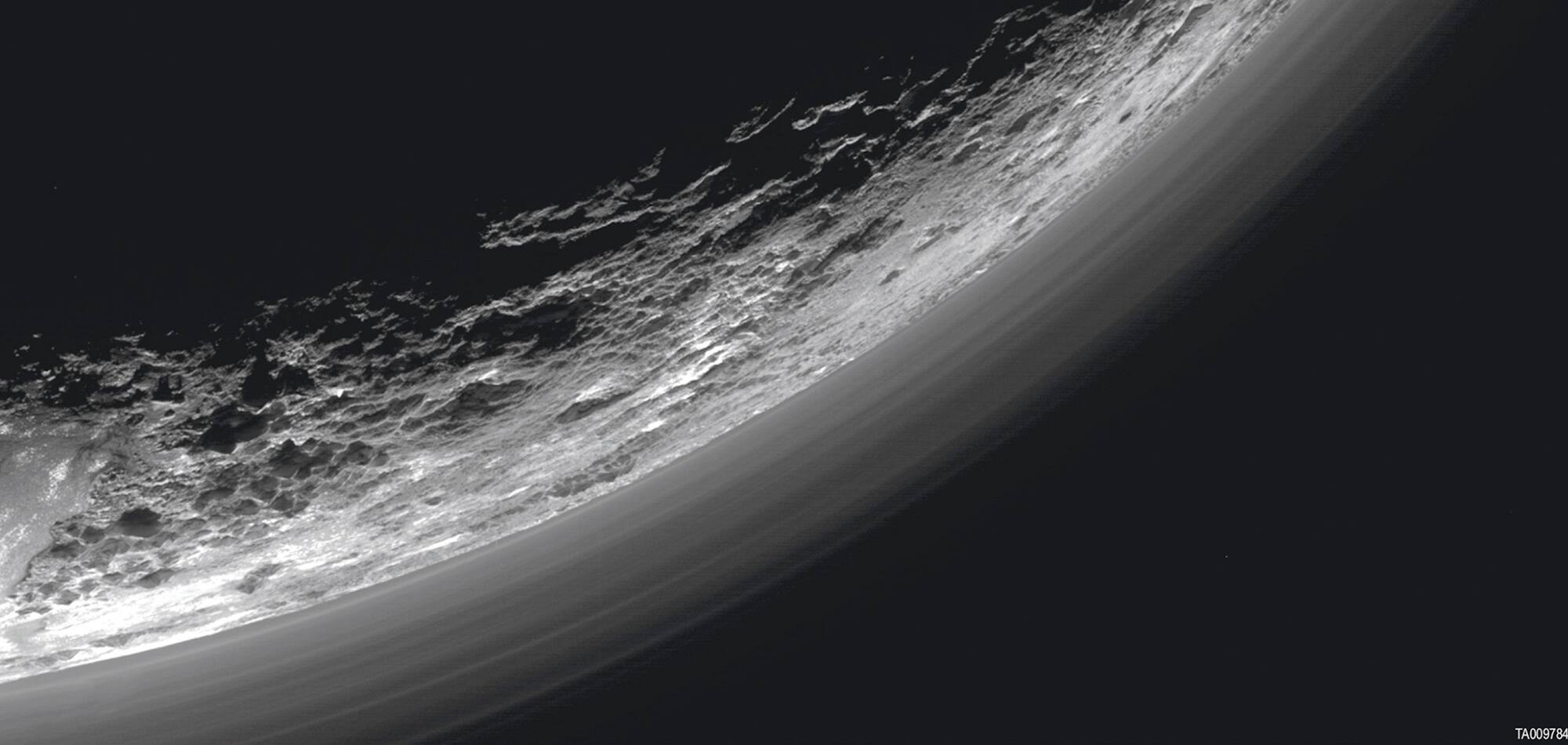
Isaacman added, "And I would say, we are doing some papers right now on, I think, a position that we would love to escalate through the scientific community to revisit this discussion and ensure that Clyde Tombaugh gets the credit he received once and rightfully deserves to receive again."
The debate has reignited after US President Donald Trump suggested he could upgrade Pluto’s planetary status through an executive order, Sciam reported.
Can Pluto become a planet again? Experts' take
Despite all the efforts from several scientists and now the Nasa chief, the ultimate authority regarding Pluto's status lies with the International Astronomical Union (IAU).
The IAU is an international organisation of professional astronomers responsible for defining celestial objects and assigning official names to them and their surface features.
Only the organisation can decide to redefine planetary classifications.
Mike Brown, a professor of planetary astronomy at the California Institute of Technology, told the Independent, "While NASA administrators are free to wax nostalgic for the days when Pluto was a planet, the actual scientists working in the field will continue to try to explain and classify objects in the solar system in the way that actually helps us understand the world in which we live."
Ramasamy Venugopal, Press and media coordinator for the International Astronomical Union, shared with the news outlet that they fathom people feel Pluto was "demoted", but it's not the case. "In fact, Pluto became the leading object of a new family of solar system bodies."
“...Scientific classifications are determined through international consensus and evidence-based processes. While they are not subject to unilateral change, they can be amended if the supporting evidence changes," Venugopal added.
Bill McKinnon, Director of the McDonnell Centre for the Space Sciences at Washington University in St. Louis, argued that "Pluto is round, has an atmosphere, active geology and five (!) moons, so what more does a planet need?”
McKinnon clarified that he was not suggesting that Pluto is as large or in the same category as Mars or Earth.
While writing a piece in Forbes, another expert urged Pluto lovers to "quit whining about Pluto’s fate."
The expert then added, "Pluto is part of the rest of the solar system, the outer parts that are construction debris left over from building the planets. We didn’t know this just 30 years ago. Still, others are not as settled on the terminology," The Independent reported.
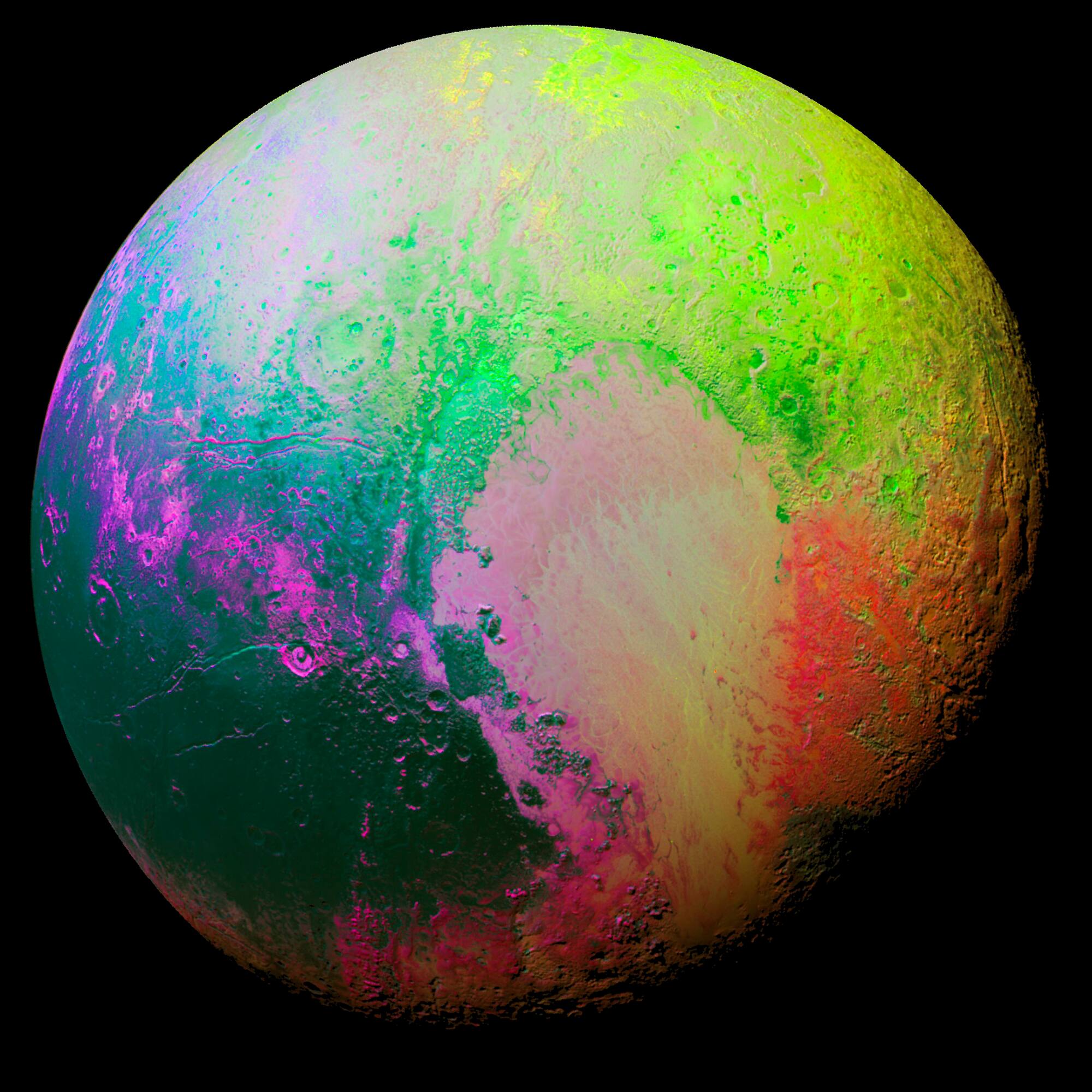
Why is Pluto not a planet?
Under IAU criteria, a planet must orbit the Sun and not another planet. It has to be massive enough for its gravity to shape it into a nearly spherical form--till there Pluto qualifies.
However, there is another qualification for planetary status that Pluto does not meet.
To qualify as a planet, an object must be massive enough to clear the path of its orbit of other debris orbiting the sun--this is something Pluto has not managed to achieve, unlike the eight recognised planets by the IAU.
Now, that's why Pluto can't be considered a true planet. Hence, it is classified as a dwarf planet, along with Eris and other large objects such as Ceres, Haumea, and Makemake.
McKinnon told The Independent, "Of course Pluto's a planet, but it is a dwarf planet, a subspecies of planet. The argument seems to swirl about those who wish to say whether dwarf planets are or are not planets. This is a waste of time."
According to Nasa, Pluto was discovered in 1930 by astronomer Clyde Tombaugh and was named after the Greek god of the underworld by a 11-year-old English girl, Venetia Burney. It was recognised as the ninth planet in the solar system, but later reclassified as a dwarf planet in 2006.
With inputs from agencies

Military drones & police check-ups: How Sri Lanka is fighting against worst dengue outbreak in a decade
How Facebook job ad lured 2 Karnataka men into Myanmar cyber scam camp
Why is India seeing 95% cloud cover despite a Super El Niño?
What is CJP’s fourth demand to the government as protests in Delhi intensify?
The new geography of war: Why the Houthis can no longer be ignored