


The new geography of war: Why the Houthis can no longer be ignored
The rise of the Houthis marks the emergence of a new geography of war — one in which influence flows not only from capitals and conventional armies, but also from rugged mountains overlooking vital sea lanes

The Houthis rarely occupy centre stage in discussions on West Asia. They appear in headlines when missiles are fired towards Israel, commercial ships are attacked in the Red Sea, or American aircraft strike targets in Yemen. More often than not, they are dismissed simply as an Iranian proxy. That description, while not entirely inaccurate, no longer explains the movement’s growing strategic significance.
The ongoing upheaval in West Asia has revealed a larger reality. The Houthis have evolved from a local insurgent movement into perhaps the world’s most consequential non-state military actor. They have demonstrated an ability to challenge major naval powers, disrupt one of the world’s busiest maritime trade routes, and project military power over distances once associated only with sovereign states. Understanding them is no longer optional; it is essential to understanding the changing geography of modern warfare.
 More from Explainers
Who are the Houthis, and how did they emerge?
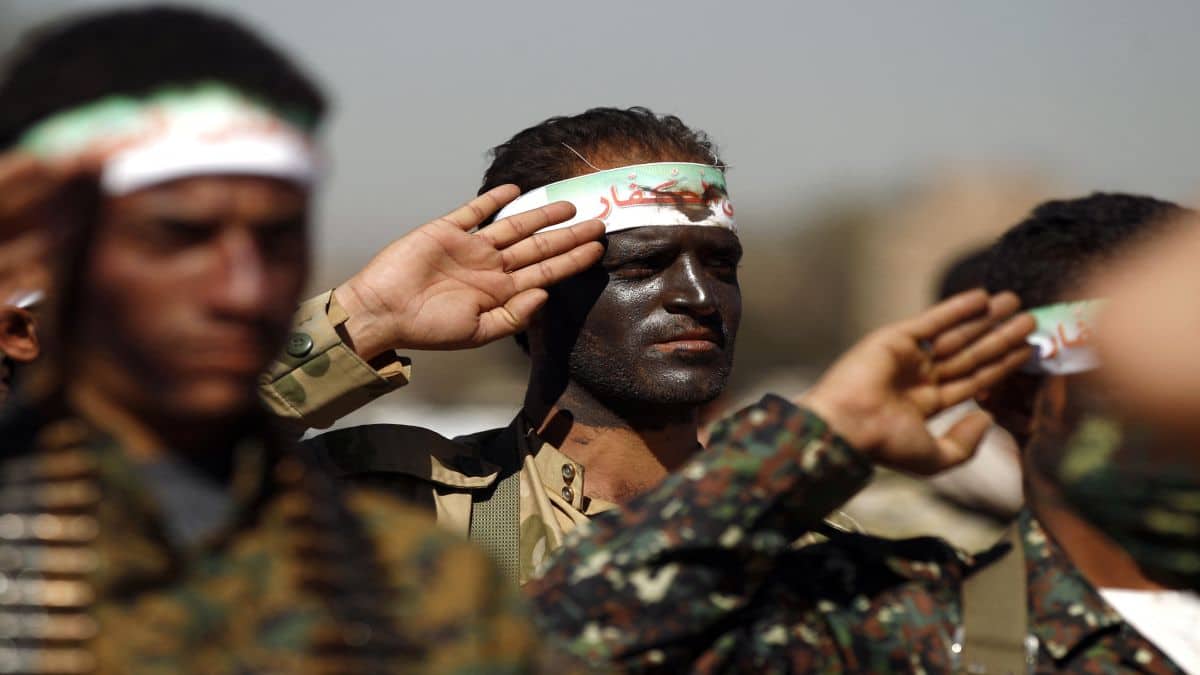
The Houthis, formally known as Ansar Allah, originated in the mountainous Saada province of northern Yemen during the 1990s. Rooted in the Zaydi Shia tradition, they initially emerged as a socio-religious movement protesting political marginalisation and foreign influence. Yemen’s prolonged instability transformed them into a formidable armed organisation. Their capture of Sana’a in 2014 triggered a civil war that drew in Saudi Arabia, the United Arab Emirates and, indirectly, Iran.
Today, they govern much of northern Yemen and command institutions, military forces and administrative structures that resemble those of a state rather than a mere insurgent group.
Are they simply Iran’s proxy?
Iran has undoubtedly played a decisive role in their military evolution. The Islamic Revolutionary Guard Corps (IRGC) has provided missile and drone technology, training, intelligence and political support. Yet the relationship is better described as one of strategic partnership than direct command.
Unlike a conventional proxy that acts on instructions, the Houthis increasingly pursue objectives aligned with, but not necessarily dictated by, Tehran. The recent Israel-Iran confrontation demonstrated this autonomy. Even when Iran itself came under direct military pressure, the Houthis continued operations consistent with their own strategic calculations. The so-called ‘Axis of Resistance’ increasingly resembles a network of capable partners rather than a centrally controlled alliance.
Why has Iran invested so heavily in the Houthis?
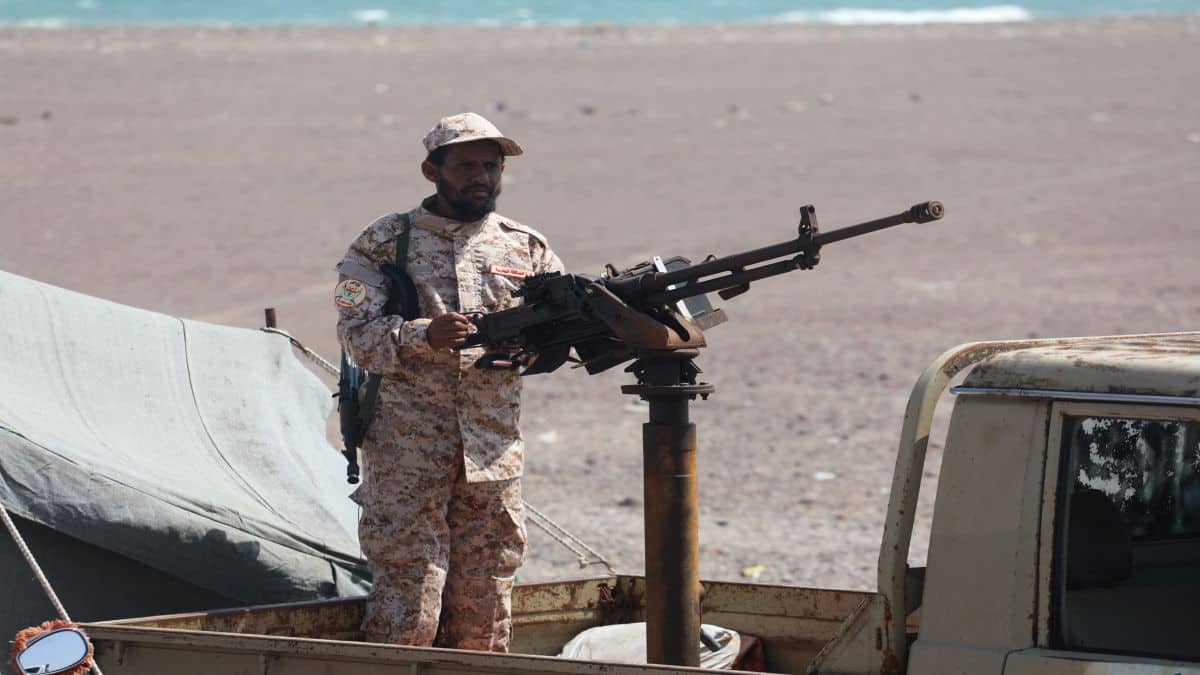
The answer lies in geography. The Houthis overlook the Bab el-Mandeb Strait, the narrow maritime gateway linking the Red Sea with the Gulf of Aden and the Indian Ocean. Nearly all shipping transiting the Suez Canal must pass through this corridor.
By cultivating influence in Yemen, Iran has acquired an indirect lever over one of the world’s most critical maritime choke points. Compared with the enormous costs of building a blue-water navy, supporting the Houthis has provided Iran with an economical yet highly effective means of imposing strategic pressure on regional adversaries and the wider international community.
How have the Houthis changed the nature of modern conflict?
Traditionally, insurgent groups sought to control territory or challenge governments within national borders. The Houthis have expanded that template. Using ballistic missiles, cruise missiles, long-range drones and anti-ship weapons, they have projected force far beyond Yemen.
More significantly, they have demonstrated that a non-state actor can disrupt international commerce on a global scale. Merchant vessels have altered their routes around the Cape of Good Hope instead of transiting the Red Sea. Freight costs, insurance premiums and delivery schedules have all been affected. Few armed movements in recent history have imposed such widespread economic consequences without possessing a conventional navy or air force.
What military capabilities make them such a serious threat?
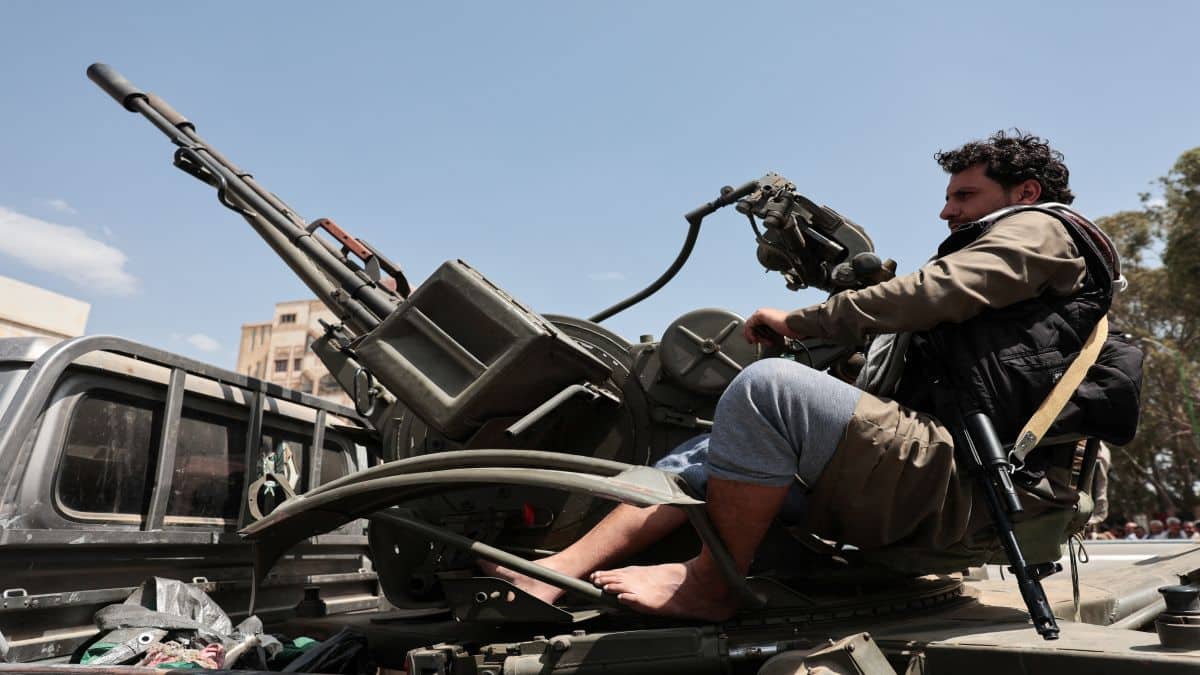
Years of conflict have transformed the Houthis into a technologically sophisticated force. They now possess an increasingly diverse inventory of ballistic missiles, cruise missiles, armed drones, anti-ship missiles, unmanned surface vessels and sea mines. Many of these systems reflect Iranian technological assistance, while others are assembled or adapted domestically.
More importantly, the Houthis have demonstrated operational competence. They have coordinated complex attacks against shipping, challenged advanced Western naval defences and launched long-range strikes towards Israel. This is no longer guerrilla warfare; it is precision-enabled strategic warfare conducted by a non-state actor.
Who should be concerned by their growing power?
Israel is an obvious target, but it is by no means the only one. Saudi Arabia and the United Arab Emirates remain vulnerable despite periods of uneasy accommodation. Egypt depends heavily on uninterrupted traffic through the Suez Canal.
The US and European navies must devote significant military resources to protecting commercial shipping. India, too, has compelling reasons for concern. A substantial proportion of India’s trade with Europe, as well as important energy supplies, passes through the Red Sea. New Delhi’s deployment of naval assets to safeguard merchant shipping underscores the reality that instability in Yemen now directly affects India’s maritime security and economic interests.
Can military action alone neutralise the Houthis?
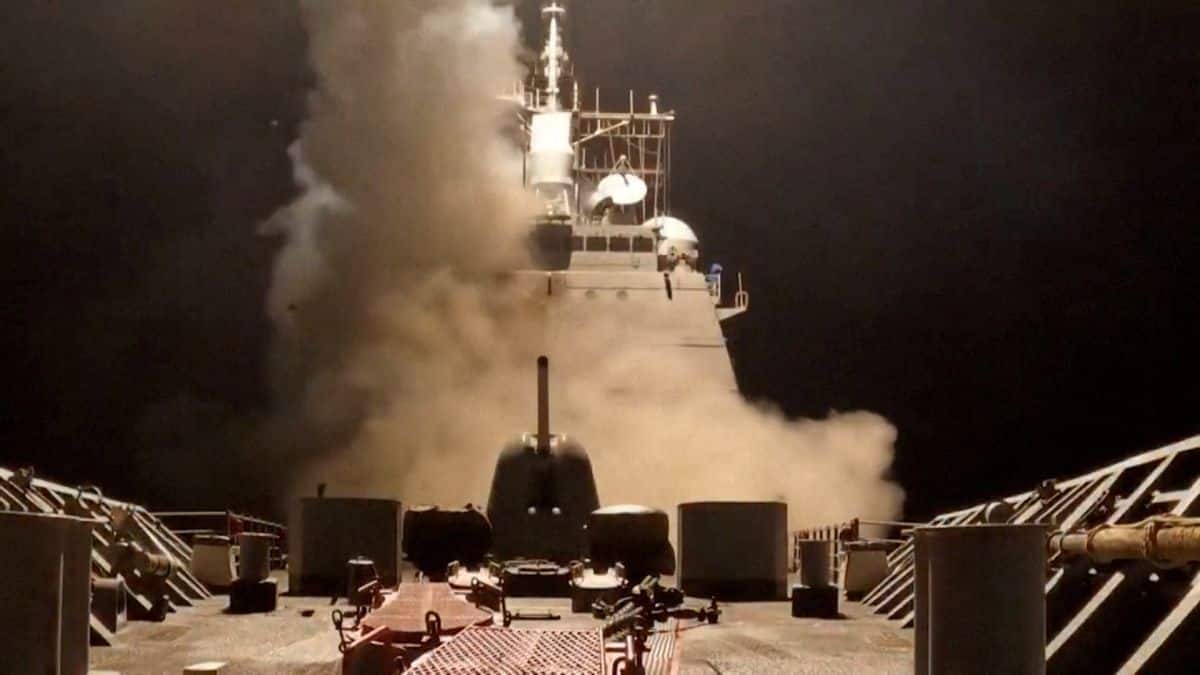
Experience suggests otherwise. Asymmetric warfare is at play here. Nearly a decade of Saudi-led military operations, supplemented more recently by American and British strikes, has degraded some capabilities but has not fundamentally weakened the movement. Instead, repeated external attacks have reinforced the Houthis’ narrative of resistance and strengthened their domestic legitimacy among supporters. Their dispersed military infrastructure, growing indigenous production capacity and accumulated battlefield experience make them exceptionally resilient. They can be contained, but eliminating them altogether is an altogether different proposition.
What lesson should strategists draw from Houthi experience?
The Houthis represent more than a Yemeni phenomenon. They symbolise a broader transformation in the character of war. Precision weapons, inexpensive drones and networked communications have enabled determined non-state actors to acquire capabilities once reserved for nation states. Geography has become a force multiplier. Control over strategic choke points can generate global influence disproportionate to economic strength or military size. Future conflicts will increasingly involve such actors operating across regions, disrupting trade, shaping diplomacy and challenging established military powers.
The Houthis can no longer be understood simply through the prism of Yemen or Iran. They have become a strategic actor in their own right. Their rise marks the emergence of a new geography of war — one in which influence flows not only from capitals and conventional armies, but also from rugged mountains overlooking vital sea lanes. That is why the Houthis deserve far closer attention than they have received thus far.
What is the lesson for India?
For India, the Houthi experience offers an important strategic lesson. The Taliban demonstrated how a determined non-state actor could outlast a superior conventional military, but they never acquired the degree of technological sophistication that the Houthis have achieved. The latter illustrate a new generation of asymmetric warfare, where non-state actors combine ideological motivation with precision missiles, drones and long-range strike capabilities.
This evolution should concern India as it continues to confront proxy and hybrid threats in its own neighbourhood. Geopolitical shifts can revive dormant networks, provide external sponsorship and rapidly enhance asymmetric capabilities.
India has, through sustained political, military and intelligence efforts, largely neutralised such threats along its borders. Yet the lessons emerging from the Houthis underscore that such challenges can re-emerge in more technologically advanced forms, demanding constant vigilance and continuous adaptation.
The writer is the Governor of Bihar and former Commander of the Indian Army’s Srinagar-based Chinar Corps. He has served extensively in J&K and is a commentator on strategic affairs, national security and geopolitics. Views expressed in the above piece are personal and solely those of the author. They do not necessarily reflect Firstpost’s views.

Military drones & police check-ups: How Sri Lanka is fighting against worst dengue outbreak in a decade
How Facebook job ad lured 2 Karnataka men into Myanmar cyber scam camp
Why is India seeing 95% cloud cover despite a Super El Niño?
What is CJP’s fourth demand to the government as protests in Delhi intensify?
Pakistan’s viral ‘cycle ambulance’ mocked online. Here’s a key fact that the internet missed