


Vivo X300 FE Review: A good all-round phone possibly released at a bad time
The Vivo X300 FE is a good phone with a bad price tag, partly forced by the inflated memory and storage prices in current times.

Pros:
- Elegant design with a great hand feel
- Sturdy build with IP68/69 ingress protection
- Sharp and vibrant LTPO AMOLED display
- Good main and telephoto camera performance
- Excellent battery backup with fast wired and wireless charging
- OriginOS 6 is smooth
- Five major Android updates promised
- Telephoto Extender Gen 2 option available
Cons:
- Expensive
- A below par 8MP ultra-wide camera in this segment is unacceptable
- Average performance in macro photography
- No HDR option in video recording
Rating: 3.8/5
Price: Rs 79,999 (12 GB/ 256 GB), Rs 89,999 (12 GB/ 512 GB)
Barely six months ago, when a new phone was about to be launched, we would be excited for its price reveal. Cut to the present, we nervously wait with our fingers crossed and hope for the price to be ‘not obnoxious’. Such are the times we live in due to the acute shortage of memory and storage and the massive inflation in their prices as a result. Vivo chose to launch the X300 FE in such tough times. The X200 FE debuted at Rs 54,999 a little over nine months ago; how much more would the X300 FE really cost? I was not prepared for the answer!
The launch of the new FE variant actually had us quite excited given the highly positive experience we have had with its predecessor, right from its compact design to battery backup to the camera goodness at a reasonable price. I even got a chance to use the X300 FE for a week or so before launch and instantly grew fond of the phone, oblivious to its pricing then. Now that we know how much it costs, is it still worth buying? Let’s figure out.
 More from Reviews
Vivo X300 FE Design: Compact, polished and extremely likeable
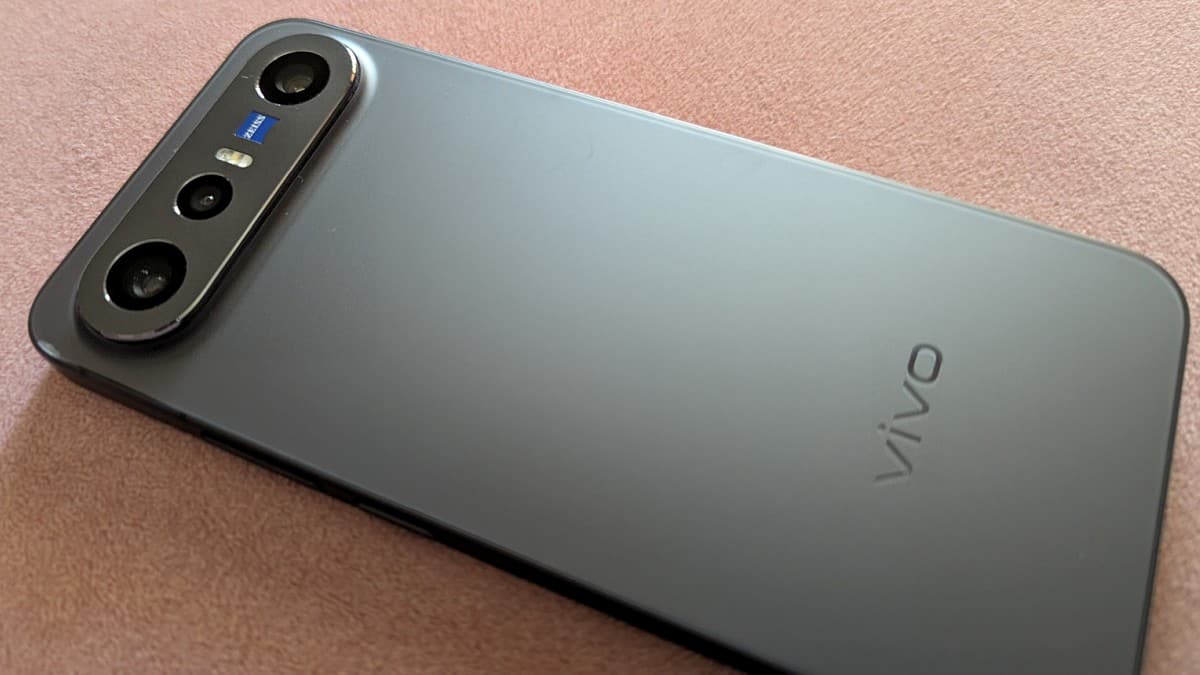
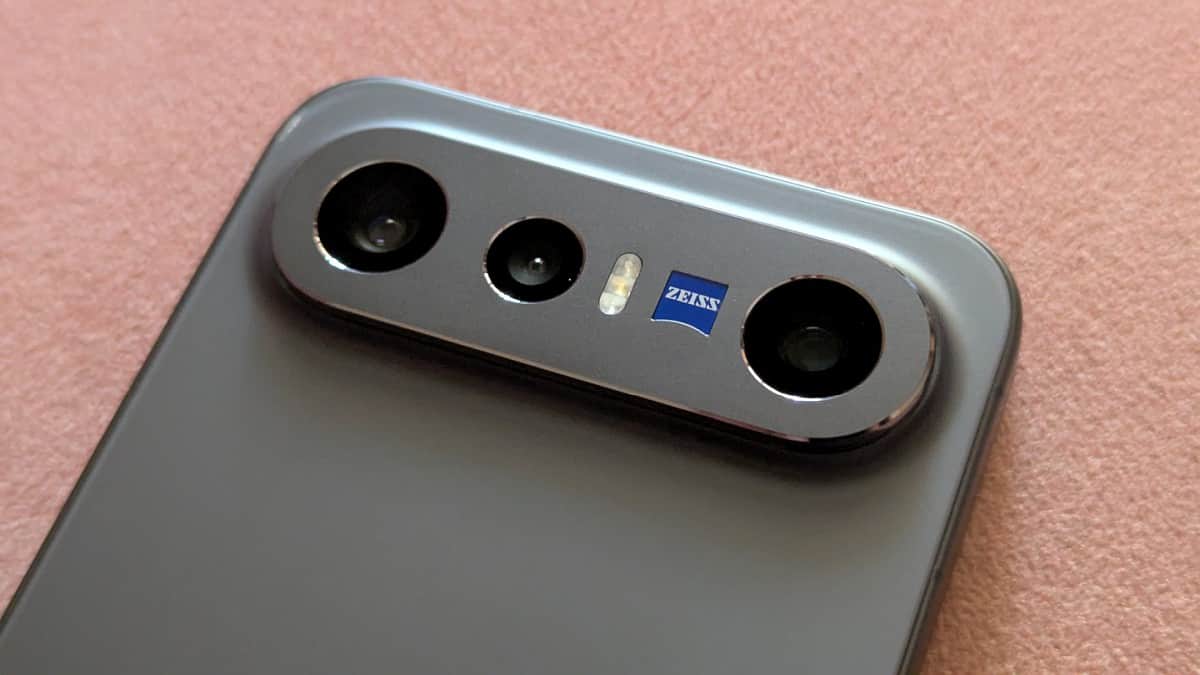
The Vivo X300 FE looks completely different from all other phones in the X300 series or even its predecessor. It has shades of Google Pixel 10 about it due to the horizontal camera band at the back. And dare I say, it’s a Pixel done right, mainly due to the way Vivo has managed to integrate the camera band with the glass back almost seamlessly. The phone looks premium and feels great in hand due to its excellent build quality and a rather compact size.
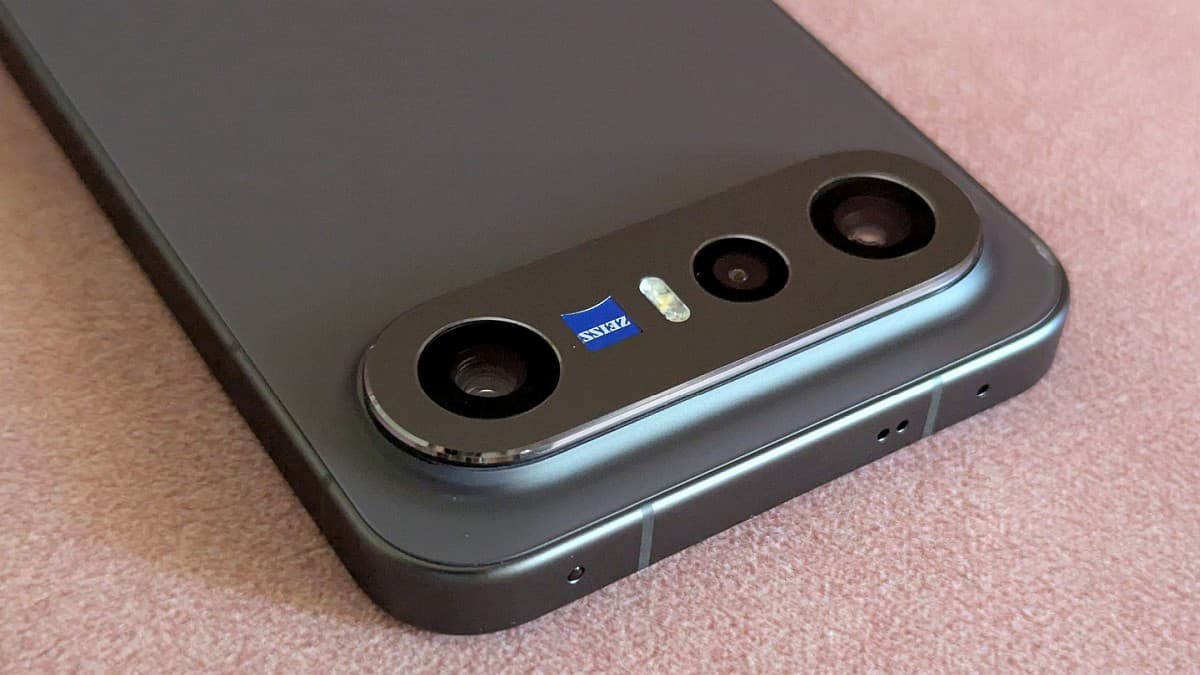
The phone has an Aluminium frame and a glass back with a smooth matte finish lending it elegance. That not only looks good but keeps fingerprints and smudge marks at bay.
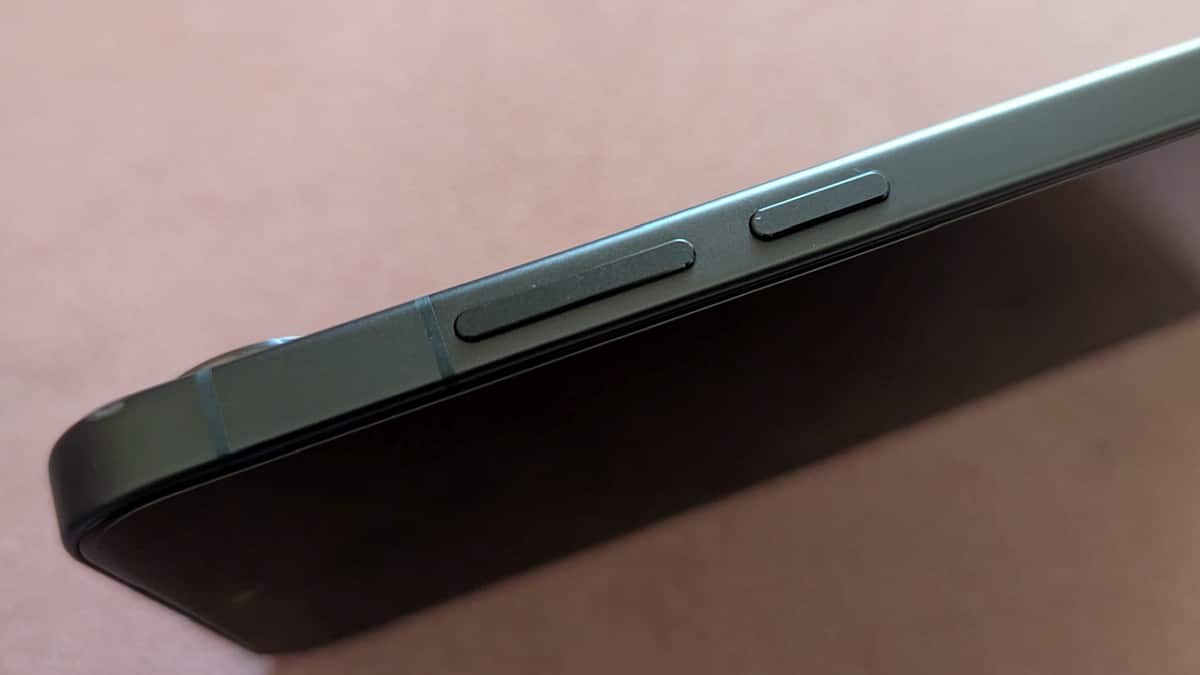
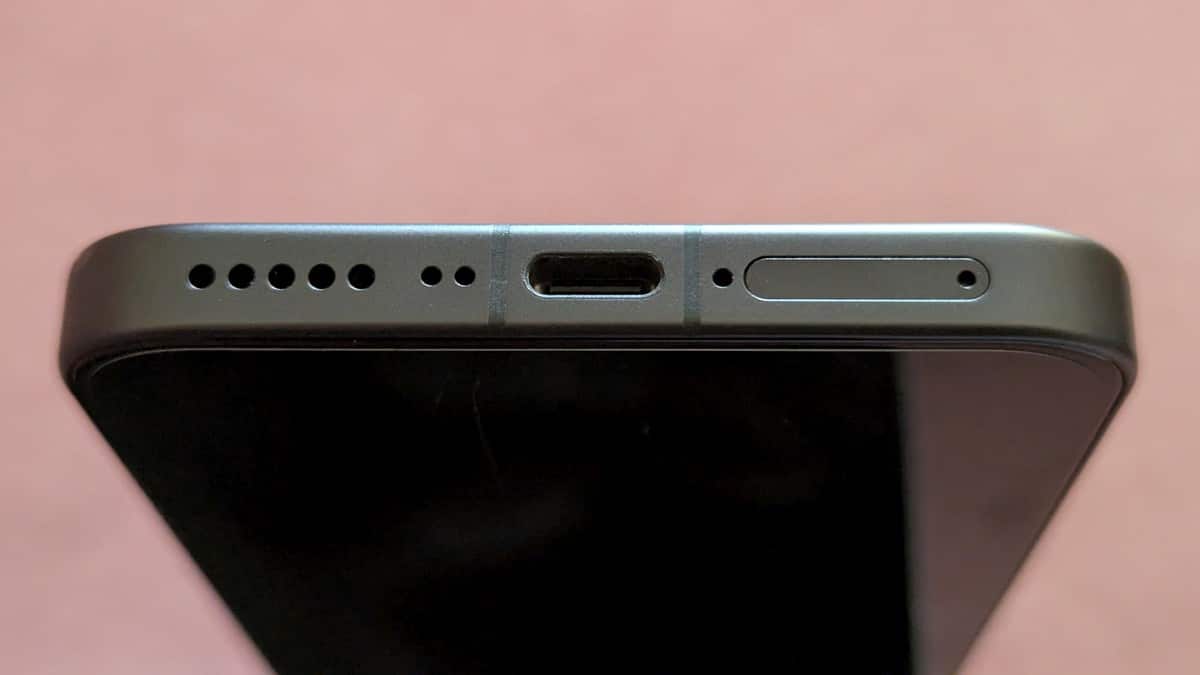
The volume rocker and the power button are present on the right edge of the phone and easy to access. And that goes for the highly responsive ultrasonic in-display fingerprint scanner too which is located an inch and a half above the bottom edge, which makes the placement ergonomic. A SIM tray, speaker and a USB-C port can be found along the bottom edge and an IR-blaster is present on the top edge.
The phone is available in Lilac Purple, Urban Olive and Noir Black colour variants. We got the black one but they all look good. The size is quite similar to its predecessor as well as the X300, and weighs well under 200 grams, making it a good addition to the select few compact Android phones in this country. The X300 FE sports an IP68/69 rating that protects it from dust and water ingression as well as high pressure water jets and immersion in metre and a half deep water for up to 30 minutes.
Vivo X300 FE Display: Sharp and lively
Just like the X300 and the X200 FE, this phone too has a 6.31-inch LTPO AMOLED display with a resolution of 2640 x 1216 pixels with 10-bit colour depth, 120 Hz refresh rate, HDR10+ compliance and a slightly higher peak brightness of 5000 nits. The screen size is perfectly fine for most tasks while keeping the phone reasonably compact. The display is sharp, bright and well-calibrated out of the box with fairly accurate colour reproduction. Natural and Professional modes provide best results.
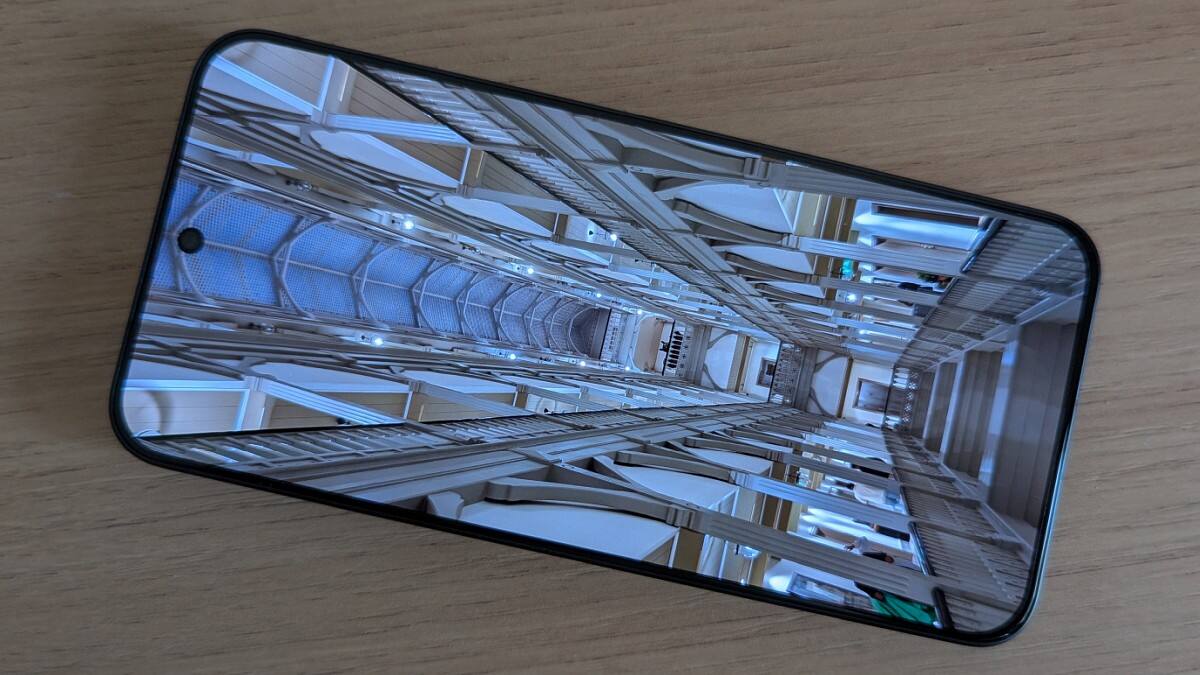
Being an LTPO display, you get variable refresh rates ranging between 1 Hz to 120 Hz depending on the content on the screen and of course, if the particular app supports it. You will need to use the High option in the Refresh Rate settings. Smart option also uses variable refresh rate but possibly caps it at 90 Hz to save battery. You get a handful of options in the Display settings to play around with like adjusting colour temperature or switching to a dark mode to name a couple.
Vivo X300 FE Performance: Powerful and capable hardware but not chart-topping
Unlike earlier phones in Vivo’s X300 and X200 series that were powered by Mediatek’s flagship Dimensity chips, the X300 FE gets a Qualcomm Snapdragon 8 Gen 5 SoC. It is not exactly as muscular as the Snapdragon Elites or even the Dimensity 9500 on the X300 but still quite powerful. You get 12 GB LPDDR5X Ultra RAM with it and two internal storage options - 256 GB and 512 GB. The Vivo X300 FE uses the faster UFS 4.1 storage as compared to UFS 3.1 on its predecessor.
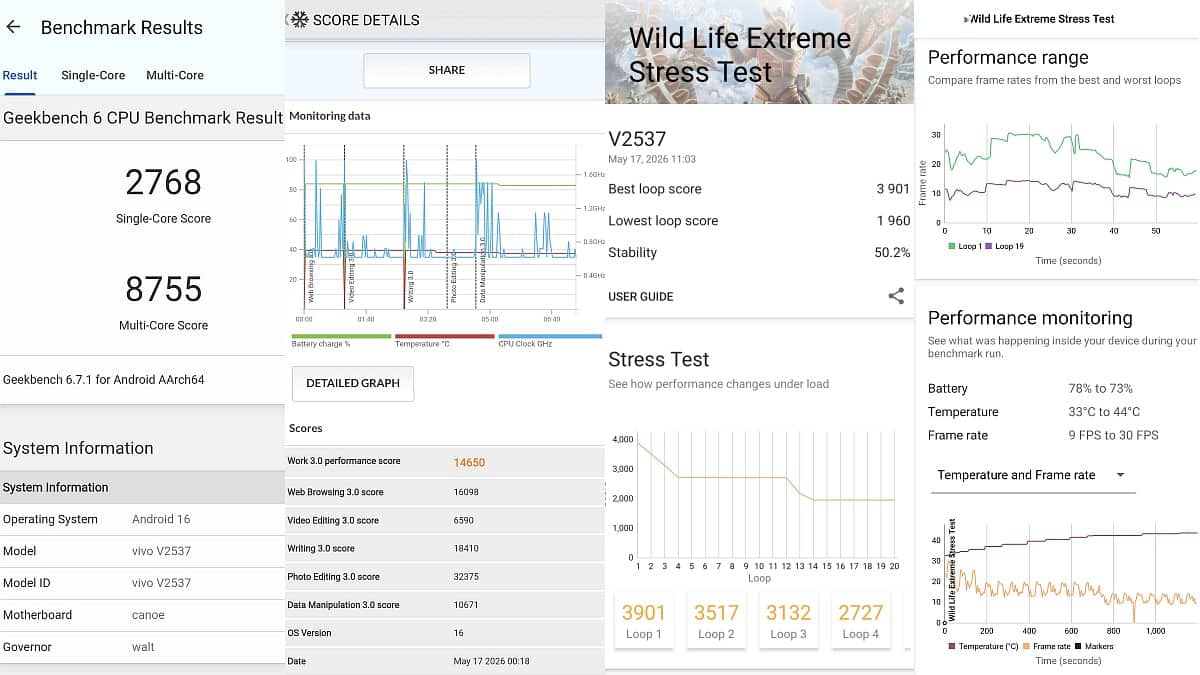
We ran our usual set of synthetic benchmarks to gauge its performance. You may check the scores in the images below while we compare them with the Mediatek Dimensity 9500 on the Vivo X300 and the Qualcomm Snapdragon 8 Elite on the OnePlus 13/13s to give you an idea about its relative performance. We will not bother with the Snapdragon 8 Elite Gen 5 as it’s in a different league.
In Geekbench 6, the X300 FE scored 2768 and 8755 in single-core and multi-core tests respectively. In comparison, the OnePlus scored 2887 and 8974 and the Vivo X300 hit 3381 and 9879 respectively in those tests. The PCMark Work 3.0 benchmark scores were in the similar ballpark with the FE scoring 14650 as compared to 15038 on the OnePlus and around 14000 on Dimensity 9500 powered phones. One can safely say that its performance in non-gaming tasks is close to the last generation Elite if not the Dimensity 9500.
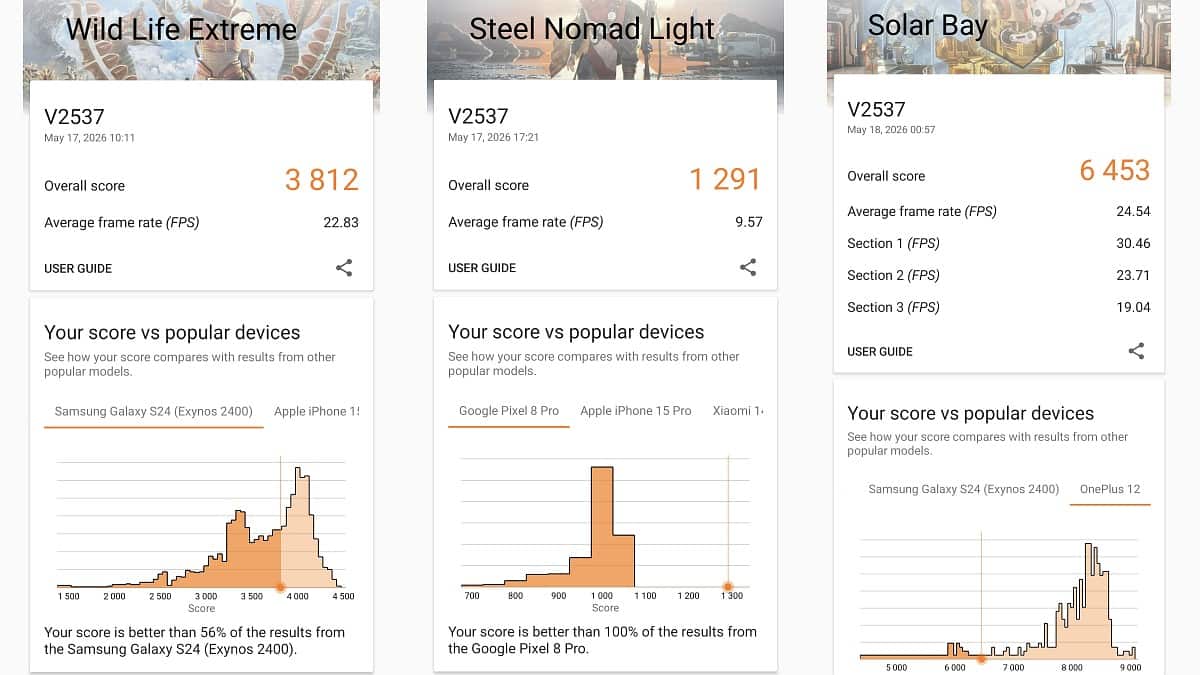
To test the gaming capabilities of this phone, we used the 3DMark suite. This is where the Snapdragon 8 Gen 5 lags behind the other two. In the Wild Life Extreme benchmark, the X300 FE scored 3812 points with about 23 average FPS while the OnePlus managed 6700 with 39 FPS average and the X300 reaching 6775 with over 40 FPS average. In the Solar Bay benchmark, the OnePlus 13’s score of 11927 points with 45.35 frames and X300’s 13100 points with 50 FPS was hard to match for the FE with it managing just half the returns of 6453 points with less than 25 FPS.
Mind you, these are synthetic benchmarks and the real world performance of the X300 FE is perfectly fine with absolutely no lag in day to day operations. It is perfectly adept at handling high end gaming too. Just that the other two chips do it even better. There is one issue that needs sorting though and that’s performance throttling at higher temperatures. The performance drops to half as the temperature rises. One of the possible reasons may be that this phone has limited real estate for heat dissipation as compared to some of its larger rivals, and this is a slightly aggressive defense mechanism to manage the heat. Maybe it will get sorted in future firmware updates.
The thermal throttling may impact the gaming performance a bit but the normal day to day operations run buttery smooth. The phone does heat up after 30 minutes of gaming or after recording videos for 5-10 minutes, but it did not freeze, nor were there any heat related crashes. The phone has two speakers, one behind the earpiece and the other at the base of the phone.
Collectively they produce a reasonably loud and immersive sound output with good stereo separation. The phone is Bluetooth 5.4 compliant and has dual-band WiFi with support for a/b/g/n/ac/6/7 standards. The call quality and reception were perfectly fine during the course of our testing. The phone supports eSIM too.
Vivo X300 FE Battery: Solid backup with fast wired and wireless charging
Despite being compact, the Vivo X300 FE is fitted with a 6500 mAh Silicon Carbon battery with almost as much capacity as the one on the much larger X300 Pro. The company bundles a 90W fast charger that can juice it up fully in under an hour. The phone also supports 40W wireless charging as well as reverse wired and wireless charging to charge other devices. To get the fastest charging time, one needs to enable Fast Charging from the Battery settings.
Once enabled, you can charge the phone from 1% to 100% in just 55 minutes, which is impressive given its high capacity battery. The battery backup here is excellent for a compact phone with the Vivo X300 FE lasting over two full days of moderate use without any gaming or excess videography. Long gaming hours will drain the battery faster, but even then, it should last you for quite a bit. If you intend to have extra long gaming sessions, the phone supports bypass charging and one should use it to reduce the load on the battery and extend its life.
Vivo X300 FE Camera: Impressive telephoto lens, below par ultra-wide unit
The rear camera department seems to have been carried forward from the Vivo X200 FE with minor tweaks. Just like its predecessor, the X300 FE flaunts two 50MP units with Zeiss optics and an 8MP ultra-wide camera. The 50MP primary camera has a Sony IMX921 sensor with optical image stabilisation (OIS). It is accompanied by a 50MP telephoto camera with OIS that provides 3X optical zoom and up to 100X hyper zoom (digital).
The telephoto camera is more than handy for portrait photography too. The 50MP front camera with auto focus now gets Zeiss optics and produces neat results that should impress the selfie enthusiasts. Speaking of results, the primary camera clicks some excellent shots with impressive dynamic range. Colours look lively while being close to actual and the images exhibit a good amount of detail. The main camera does a very good job in low light too capturing ample detail with minimal noise and fairly accurate colours.
The telephoto camera does an equally impressive job and works well in low light too. The 3X zoom samples look quite crisp across the board. Having said that, things beyond 3X zoom are largely digital and avoid overdoing it (as you can see in the camera samples), especially in low light. In bright conditions, even the 10X samples are usable for social media as long as you do not pixel-peep. In low light, things start deteriorating fast as you go beyond 3X.
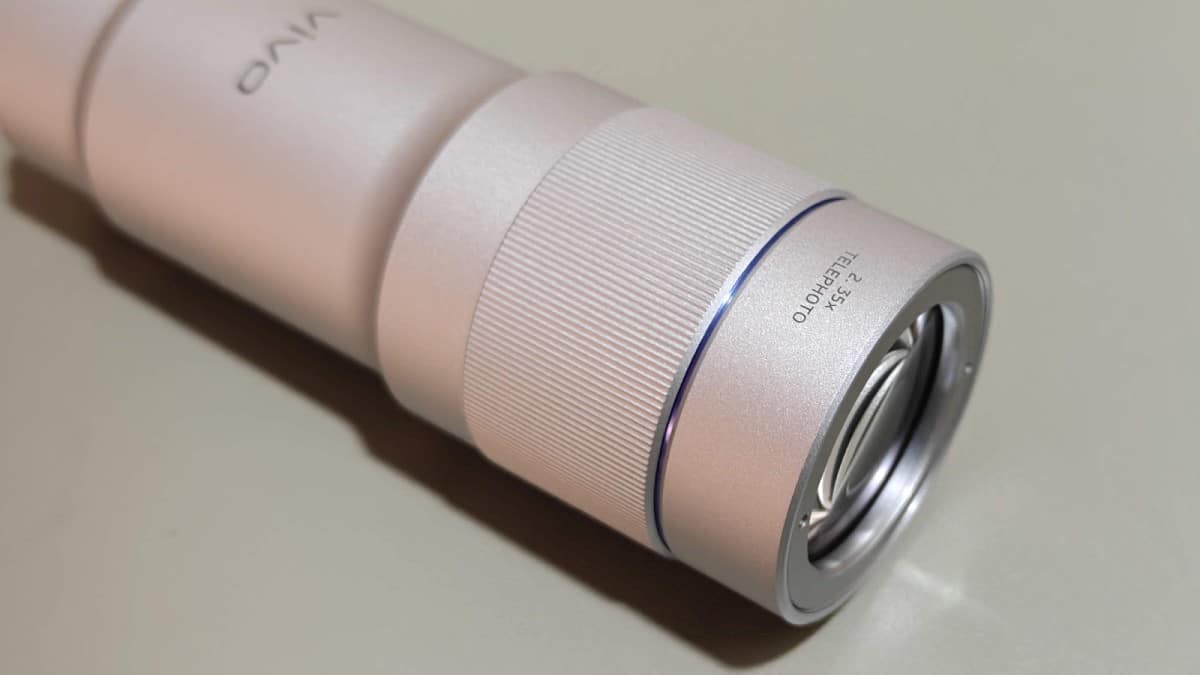
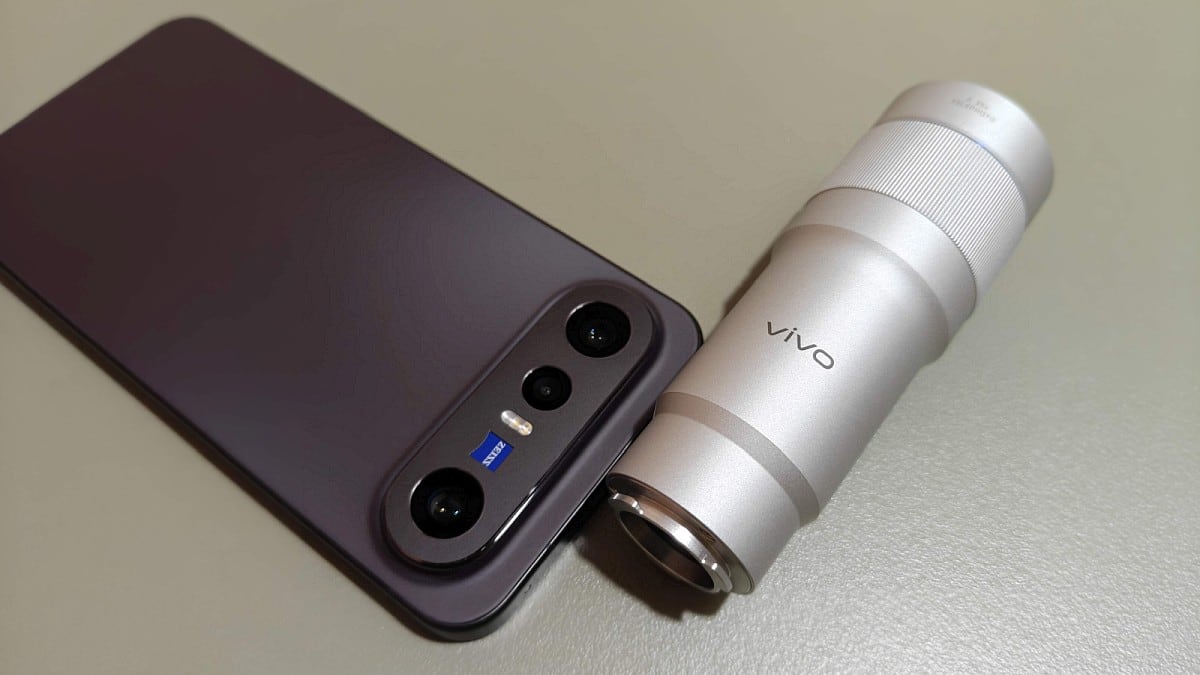
On the brighter side, the telephoto camera does a very good job in portrait photography mimicking the three popular focal lengths. The foreground and background separation are on the money most of the time. If 3X optical zoom is not good enough for you, Vivo also offers the new Zeiss Telephoto Extender Gen 2 lens as an option for this phone. The extender was previously reserved only for the X300 Pro, but the Gen 2 model can be used with the entire X300 series, and it’s a bit lighter too. Of course, you need to pay 20K extra for the kit. It does offer impressive results and is handy for wildlife photography enthusiasts. We strongly suggest using a tripod with it.
The 8MP ultra-wide camera here is just to make up the numbers. Though not bad in good lighting, one expects a lot better given the phone’s price tag. The images feel soft with good colours but average detail. I wouldn’t recommend using it in low light. It lacks auto-focus and cannot double up as a macro camera. The camera app does offer macro capabilities but the results are not stellar.
Moving on to videos, the rear cameras can record videos at 1080p and 4K resolution at 30, 60 and even 120 FPS, but it lacks support for HDR. It can shoot in 8K too at 30 FPS, while you can record slow motion Full HD or 4K videos at 120 FPS. You get OIS and EIS support to compensate for shaky hands. Captured 4K footage looks sharp and stabilised at 30 and 60 FPS. You can also shoot 4K videos at 30 FPS using the front camera too. The videos shot on the FE aren’t bad at all but not in the same league as other phones in the X300 series.


Here are some unedited camera samples clicked on the Vivo X300 FE:
https://photos.app.goo.gl/muE4eCwFpQgLZ9gp9
OS and user interface: Smooth UI
Just like other phones in the X300 series, the FE too runs Vivo’s latest OriginOS 6 based on Android 16, and the company has promised 5 years of OS updates and 7 years of security updates going ahead, which is great. OriginOS 6 is smooth, polished and noticeably fresher than FuntouchOS with the addition of many customisations and AI oriented features. In addition to the usual circle to search, you get AI based speech recognition, translation and image editing tools to name a few. You also have some new camera filters and effects to play around with.
Final words: A good phone with a bad price tag, partly forced by market dynamics
Now, it’s time to address the elephant in the room. The Vivo X300 FE is priced at Rs 79,999 for the 12 GB RAM + 256 GB storage variant and Rs 89,999 for the 512 GB variant, with a one year warranty. That’s at least 25K more than its predecessor. And no, that does not include the Telephoto Extender kit. While we are fully aware and sensitive towards the aforementioned RAM and storage shortage, it is hard to accept this price tag. Yes, you do get a handful of offers on various payment methods, including instant discounts and exchange bonus that can drop the price by a good Rs 15,000, which makes it palatable.
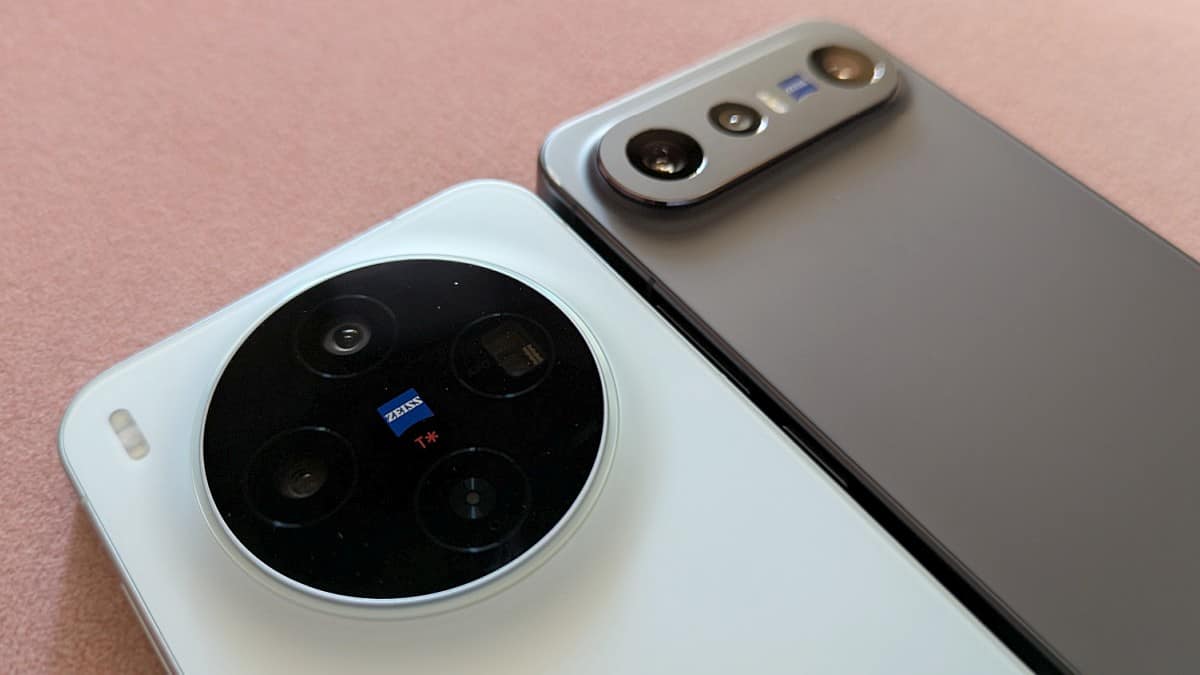
To put things into perspective, our compact phone of the year (2025), the Vivo X300 with better cameras and more powerful processing hardware debuted at Rs 75,999 less than six months ago. Had the X300 FE launched then, it would have probably sold for 60K, which would have been fair for what it offers. But such are the times we live in currently. A few weeks back the X300 was still selling at 76K and if you can still find one for that price, just jump on to the deal without a second thought. I don’t see it coming back in stock without a significant price hike.
Coming back to the X300 FE, it is an extremely likable phone given its compact and elegant design, sharp display, solid battery life, performance, main and telephoto camera quality and a fluid software experience with years of support to follow. Just that it’s really hard to recommend for its full asking price. However, if you can align the right credit card as well as a relevant exchange option, Rs 64,999 isn’t a bad price to pay for it.

Samsung Galaxy Fold 8 quick review: The new entry
Pova 8 review: Big battery, bold design—but is it worth the price?
Nothing Phone (4b) first impression: A unique design, bold specs and a question to ponder
Oppo Find X9s Review: A little less powerful but equally capable alternative to the Find X9
Samsung Galaxy A27 5G First Impressions: A budget phone with high-end potential