


Poco X8 Pro Max review: A mid-range phone that gets almost everything right
With a massive 9,000mAh battery, vibrant Amoled display, and gaming-focused performance, the Poco X8 Pro Max aims to redefine the mid-range flagship experience. But, is it the best in this range? Let's find out.

Pros:
- Bright and beautiful display
- Monster battery life
- Smooth performance
Cons:
- Heavy in hand
- Bloatware
Poco X8 Pro Max (12GB/256GB) Price: Rs 42,999
Rating: 4.2/5
Last month, Poco launched its X8 Pro series in India, introducing the Poco X8 Pro and Poco X8 Pro Max. The new mid-range lineup promises a flagship-style experience without entering ultra-premium price tag. To see whether those claims hold up in everyday use, we spent considerable time testing the top-end Poco X8 Pro Max.
The Poco X8 Pro Max positions itself as a performance-centric smartphone aimed at users who want flagship-level speed and battery life at a comparatively accessible price. On paper, the device checks almost every important box, including a powerful chipset, and an enormous battery.
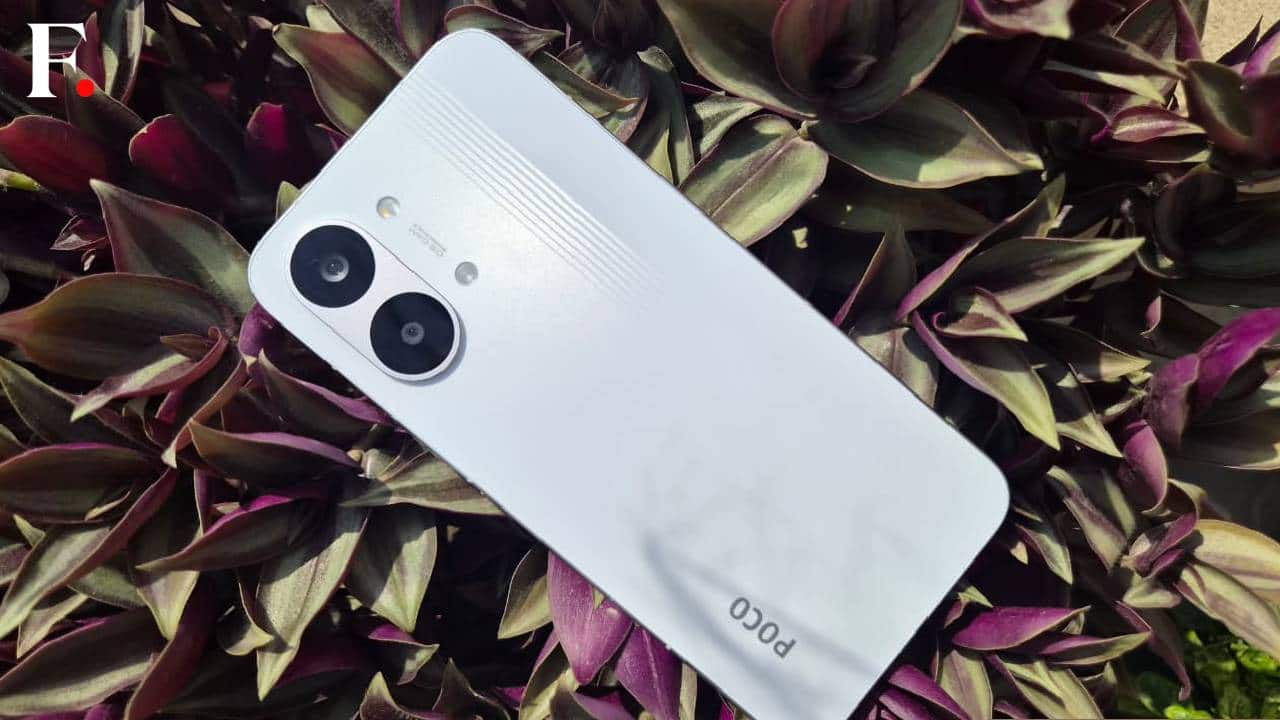
While the standard Poco X8 is expected to arrive later, the spotlight of the series clearly remains on the Pro Max model, which also marks Poco’s first-ever ‘Pro Max’ branded smartphone. Starting at Rs 42,999, the device makes a strong statement with its premium design language, huge battery, and impressive performance capabilities.
 More from Reviews
Let’s break down how the Poco X8 Pro Max performs in real-world usage.
Poco X8 Pro Max review: Design
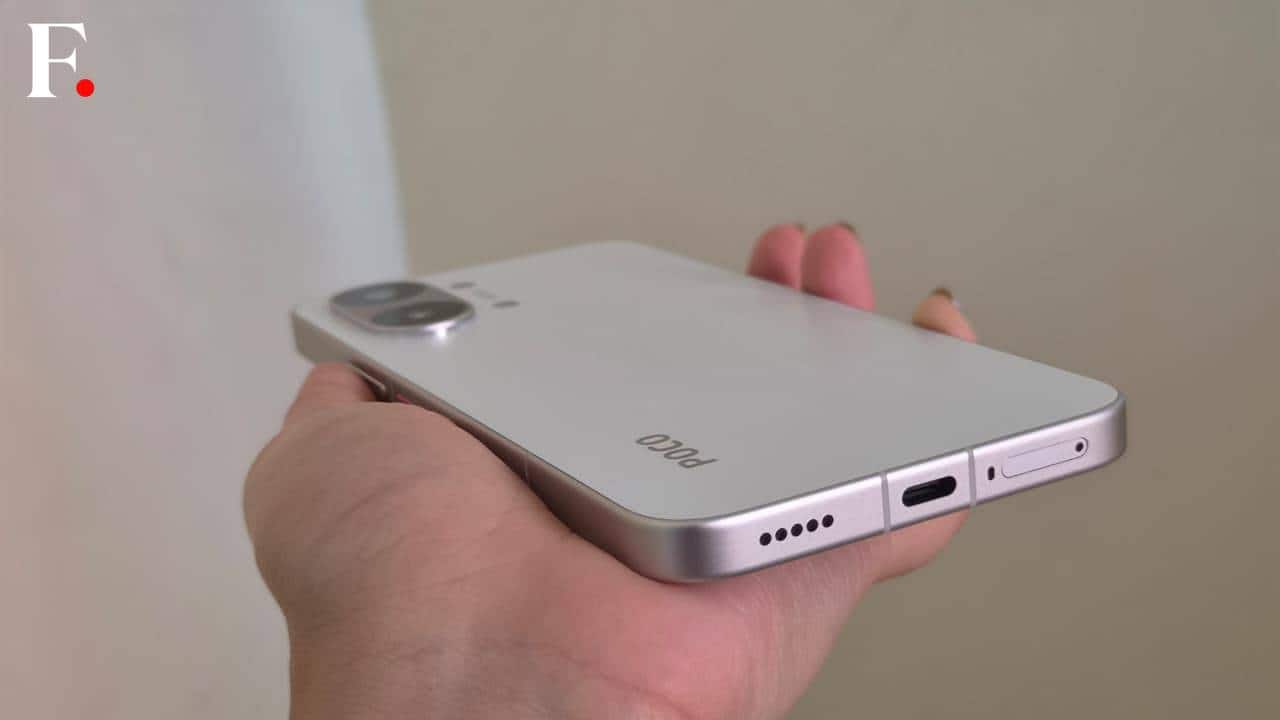
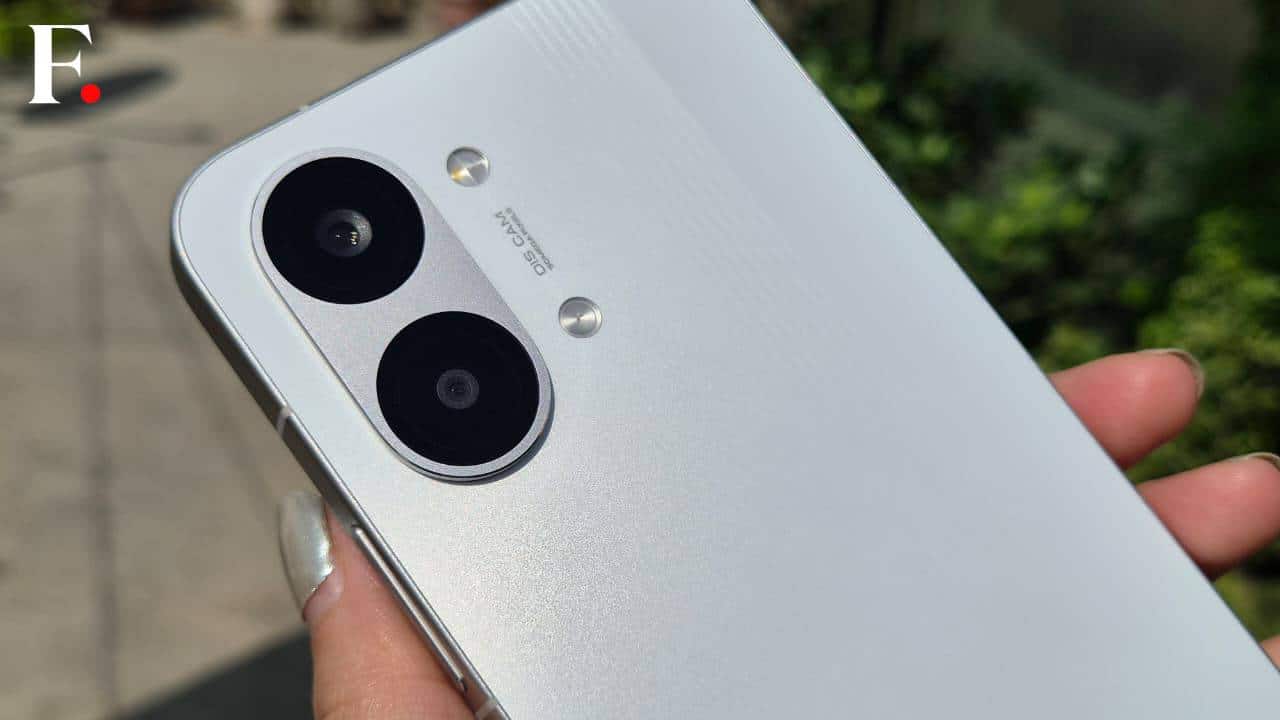
The Poco X8 Pro Max comes with a clean and understated design approach. I have been using the White variant for this review, although the phone is also available in blue and black colour options. The rear panel uses fibreglass instead of glass and is paired with a metal frame, helping the phone feel sturdy without appearing inexpensive.
At the back, Poco continues with its familiar pill-shaped camera module, which sits mostly flush with the rear panel to minimise wobbling when placed on flat surfaces. The white version also gets subtle silver accents that complement the pearl-white finish quite well. At first glance, the design may seem like it belongs to a much more premium segment, but there is more to the story.
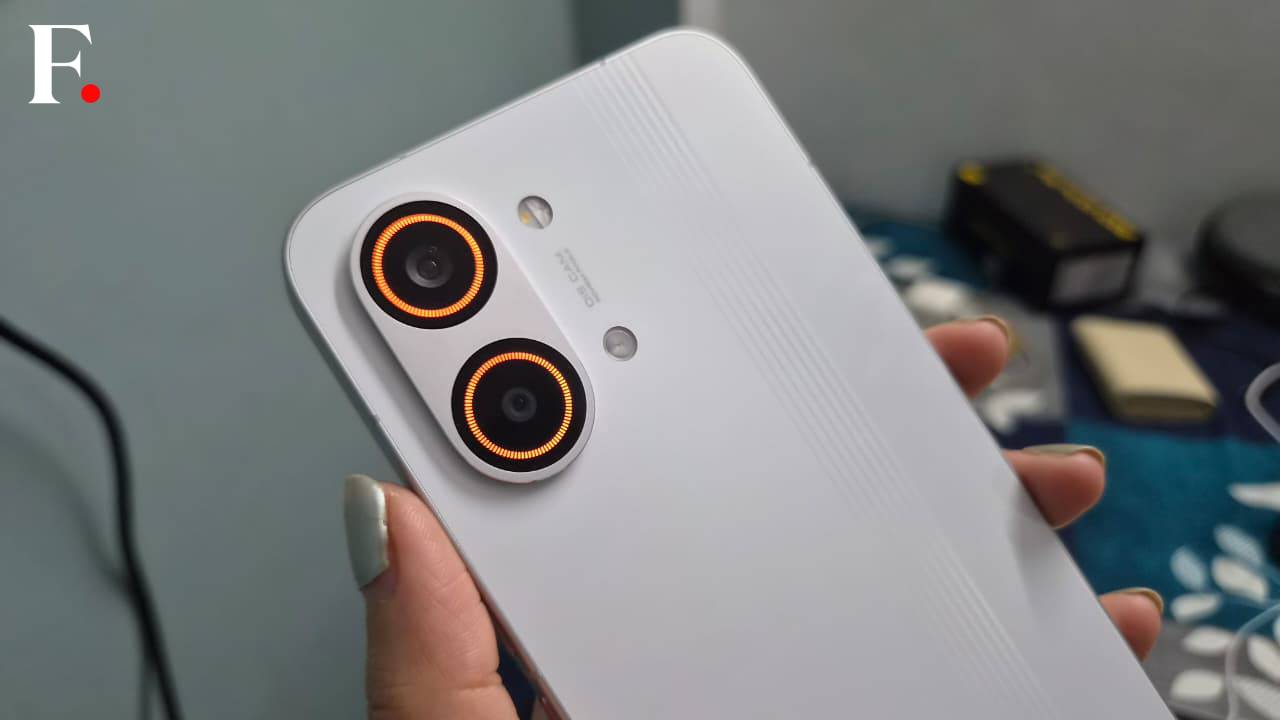
The camera island now integrates RGB LED lighting, which functions as both a charging and notification indicator while also syncing with games for reactive lighting effects. While this adds personality and visual flair to the device, the feature feels more cosmetic than practical.
The controls are buried deep within the settings menu, making them less convenient to use. Moreover, since the LEDs are positioned on the rear, their visibility during gameplay is fairly limited, reducing the overall effect.
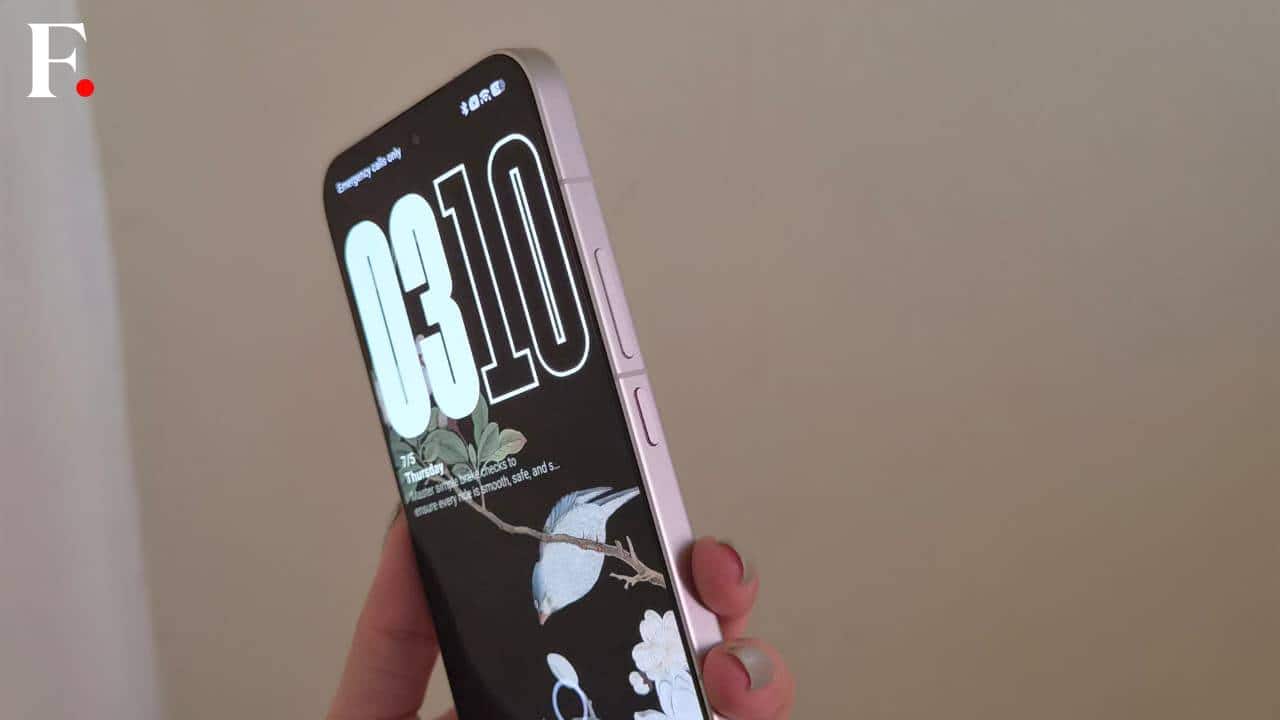
As for the dimensions, the phone measures around 8.2mm in thickness and weighs roughly 220 grams. It is also noticeably wide in hand. This becomes particularly evident during one-handed use, especially when trying to reach across the display. The weight can also feel substantial over extended periods. Personally, I am not fond of bulky smartphones, although the gamer in me did appreciate the larger form factor.
Poco X8 Pro Max review: Display
The Poco X8 Pro Max features a 6.83-inch Amoled display built using TCL’s M10 panel technology, carrying a resolution of 2772 x 1280 pixels. The panel supports an adaptive refresh rate ranging between 30Hz and 120Hz, and in practical use, it performs impressively well.
Most applications consistently run at 120Hz, making scrolling, animations, and general navigation feel fluid and responsive. That said, there are still some apps that unexpectedly fall back to 60Hz or 90Hz.
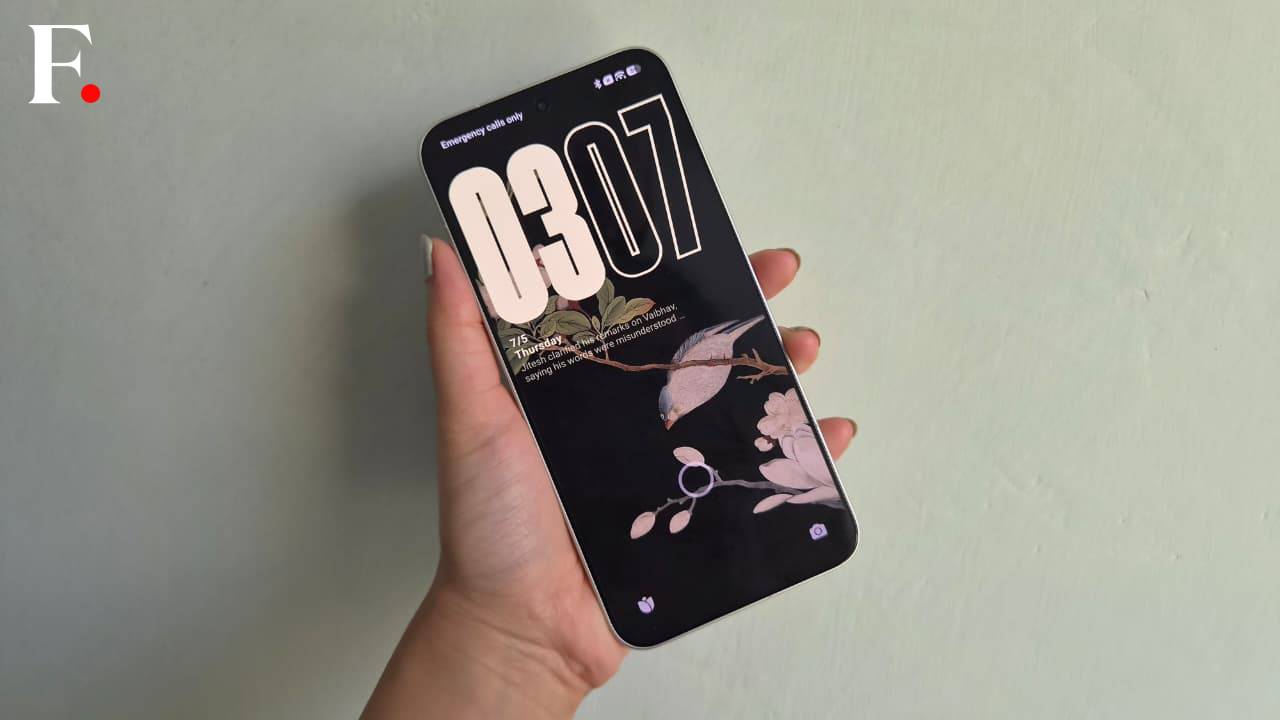
Visually, the display is excellent. Colours appear vibrant, contrast levels are strong, and HDR10+ support significantly enhances the viewing experience while streaming content on YouTube or OTT platforms. Brightness is another major strength here, with support for 2000 nits HBM brightness and a peak brightness of up to 3500 nits at 25 per cent APL. Outdoor visibility is never an issue, even under harsh sunlight.
The display remains comfortable and easy to view in almost every lighting condition. Colours look rich and vivid, though slightly contrast-heavy in the default ‘Original colour Pro’ mode.
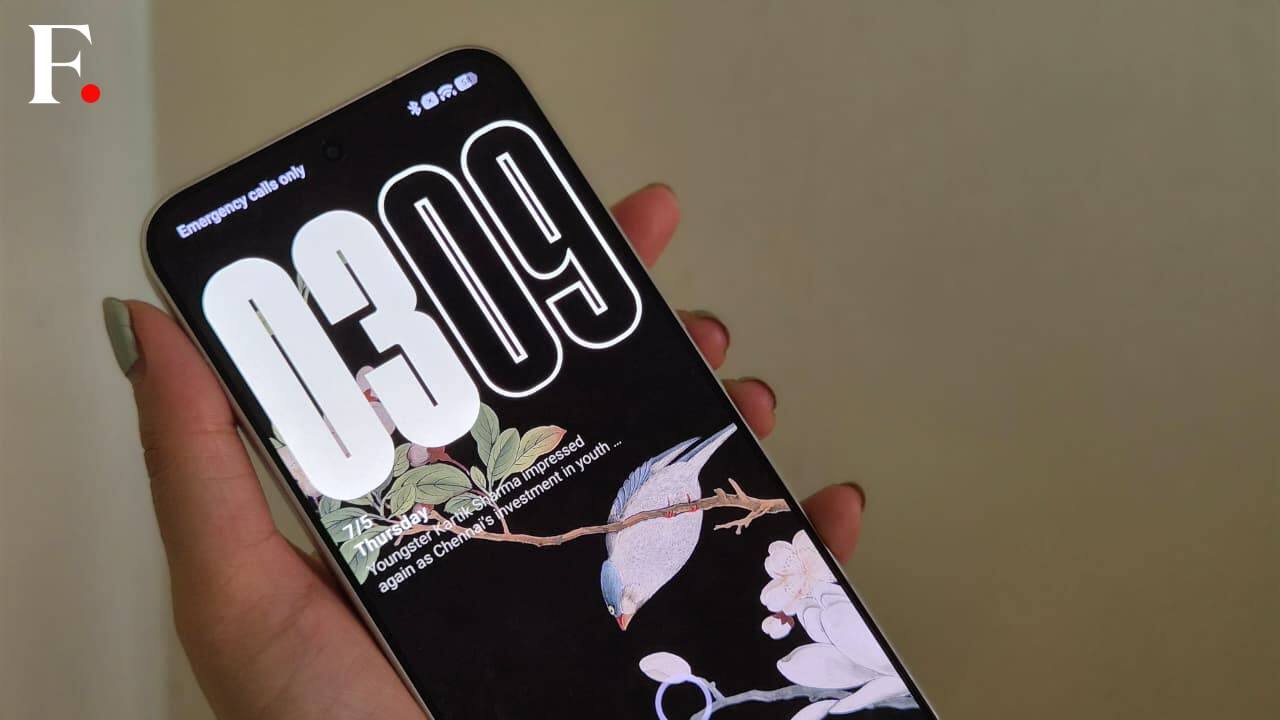
The panel also supports Dolby Vision and 12-bit colour depth, which further improves streaming quality on platforms such as YouTube and Netflix.
Poco X8 Pro Max review: Performance
The Poco X8 Pro Max is powered by the MediaTek Dimensity 9500s chipset, built on a 3nm process and featuring a 1+3+4 core architecture. It includes a Cortex-X925 core clocked at 3.73GHz, three Cortex-X4 cores running at 3.3GHz, and four Cortex-A720 cores at 2.4GHz.
In day-to-day usage, the phone performs exceptionally well. Apps launch quickly, multitasking remains smooth, and the overall experience feels consistently fast and responsive. Poco has also placed significant emphasis on sustained performance, thanks to the large 5800mm² 3D IceLoop cooling system. During regular use, the device manages heat quite effectively.
Gaming performance is particularly impressive. I spent time playing Asphalt 8 on the device, and the experience was genuinely excellent. From smooth gameplay to sharp high-definition graphics, the Poco X8 Pro Max certainly delivers on its ‘Pro Max’ branding when it comes to gaming performance.
That said, the phone does warm up slightly during extended gaming sessions. It never becomes uncomfortably hot indoors, but it is worth noting that in extreme outdoor temperatures, the heat could become more noticeable.
Poco also includes its WildBoost optimisation suite, which goes beyond basic performance enhancements. Features include 1.5K super resolution, 90FPS frame-rate support, and improved touch responsiveness with up to 24x super-resolution touch sampling. There is also Game HDR support, which improves contrast and reveals additional detail in darker in-game scenes.
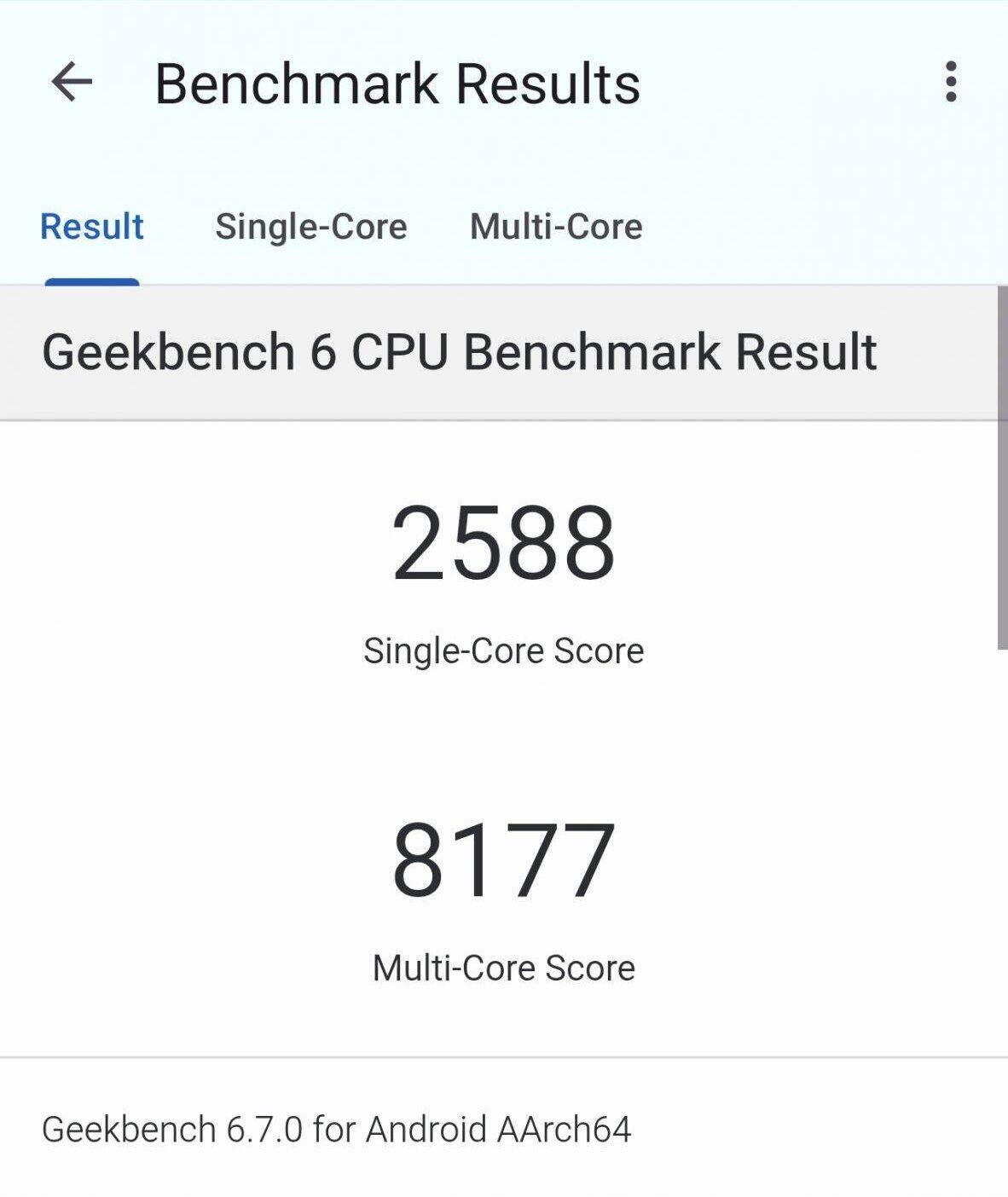
To further evaluate the device, we ran several benchmark tests. On Geekbench, the phone scored 2588 in single-core performance and 8177 in multi-core performance. While the multi-core result could have been slightly better considering the real-world experience, benchmark scores are not always the complete picture.
The smartphone runs HyperOS 3 based on Android 16. The software introduces several additions, including smoother animations, dynamic wallpapers, and HyperIsland for managing live notifications and activities.
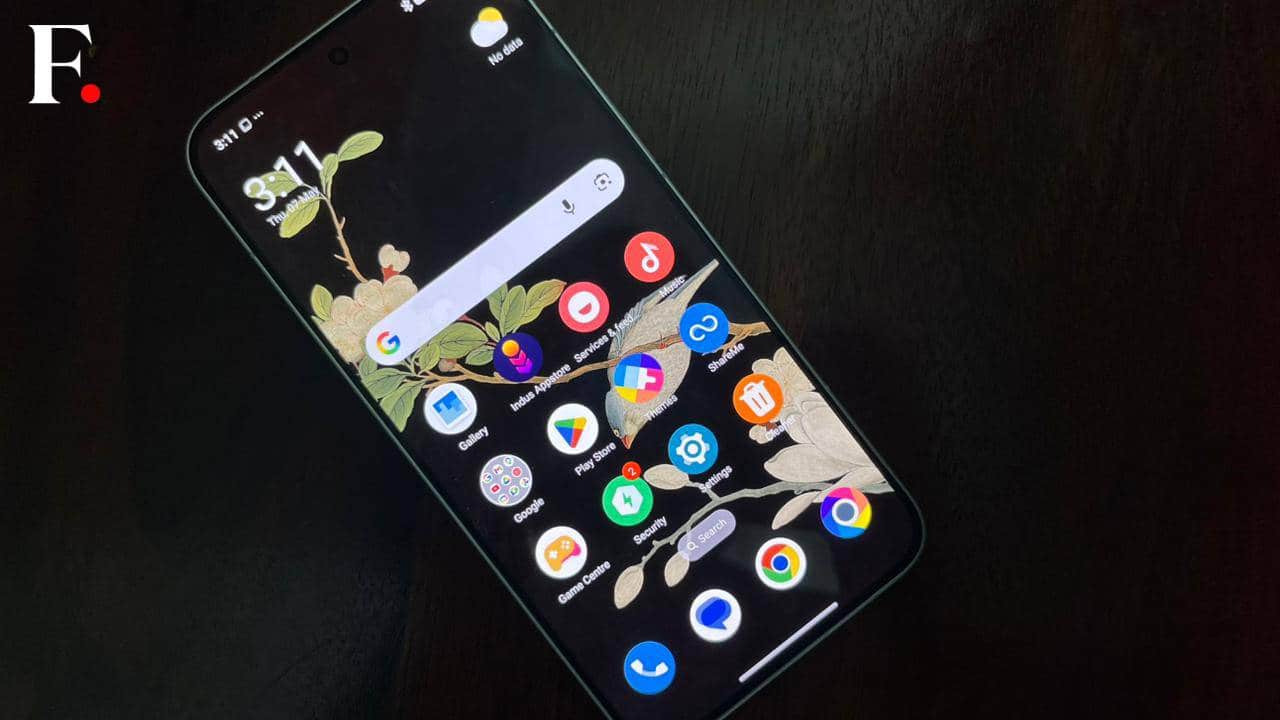
However, the software experience is not entirely polished. The interface feels cluttered due to the large number of pre-installed applications, many of which are third-party additions. Notifications can also feel intrusive because of system-generated recommendations. Minor bugs, especially within secondary user profiles, further impact the overall software polish. Poco promises four years of Android updates and six years of security patches, which aligns with expectations in this segment.
Poco has also attempted to integrate several AI-driven features into the X8 Pro Max. These include AI tools for writing, transcription, and image editing, alongside gaming-focused enhancements through WildBoost. Additionally, customising widgets becomes more entertaining with AI pets such as Dumpling the cat and Tobby the dog.
Poco X8 Pro Max review: Battery
Battery life is easily one of the standout features of the Poco X8 Pro Max. The device packs a massive 9,000mAh silicon-carbon battery, which is significantly larger than what most competitors offer in this category.
In real-world use, the battery performance is excellent. The phone comfortably lasts an entire day with charge still remaining for the following morning. With mixed usage, I was consistently able to achieve around 12 hours of screen-on time.
To further test the battery, I binge-watched Modern Family on JioHotstar. After more than two hours of streaming, the battery dropped by only 10 per cent, moving from 52 per cent to 42 per cent.
Charging is handled via 100W wired fast charging. Despite the enormous battery capacity, the phone takes roughly 1 hour and 10 minutes to fully charge, which remains fairly impressive given the size of the battery.
Poco X8 Pro Max review: Camera
The Poco X8 Pro Max features a 50MP Light Fusion 600 primary camera with a 1/2-inch sensor and f/1.5 aperture. The setup also supports dual native ISO. Alongside the main sensor, the phone includes an 8MP ultra-wide camera without autofocus and a 20MP front-facing camera.
The primary camera produces reasonably good results. Images retain decent detail, particularly up to around 2x zoom, and shots captured in favourable lighting conditions appear quite usable. However, the camera system does not particularly stand out at this price point.
In daylight, the camera tends to prioritise heavily saturated and slightly overexposed images instead of accurate colour reproduction. While some users may prefer this punchier style, the output lacks consistency and fine detail when compared to rivals in the segment.


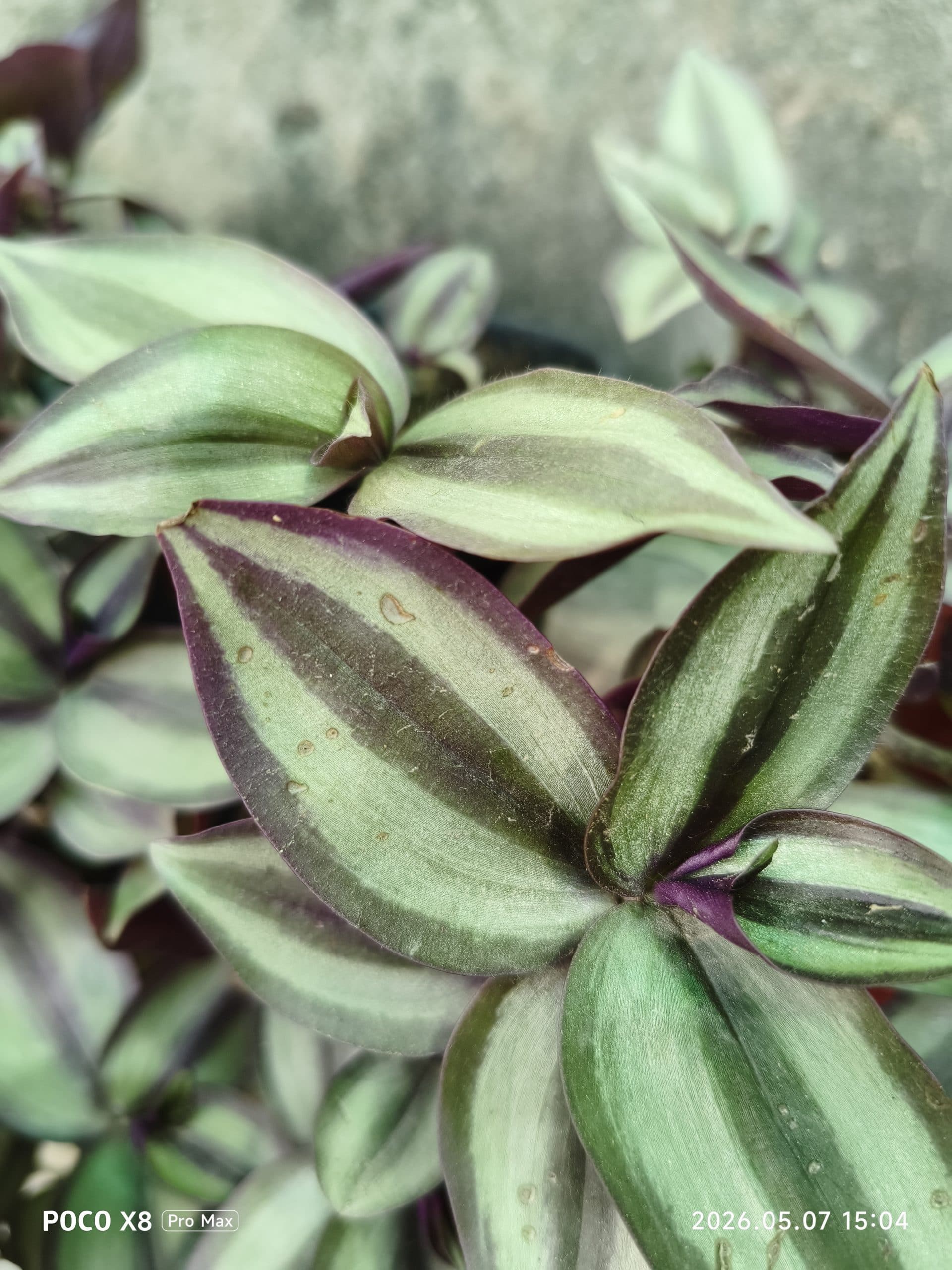
Portrait shots on the Poco X8 Pro Max often appear marginally sharper, largely due to the phone’s tendency to brighten and overexpose images.
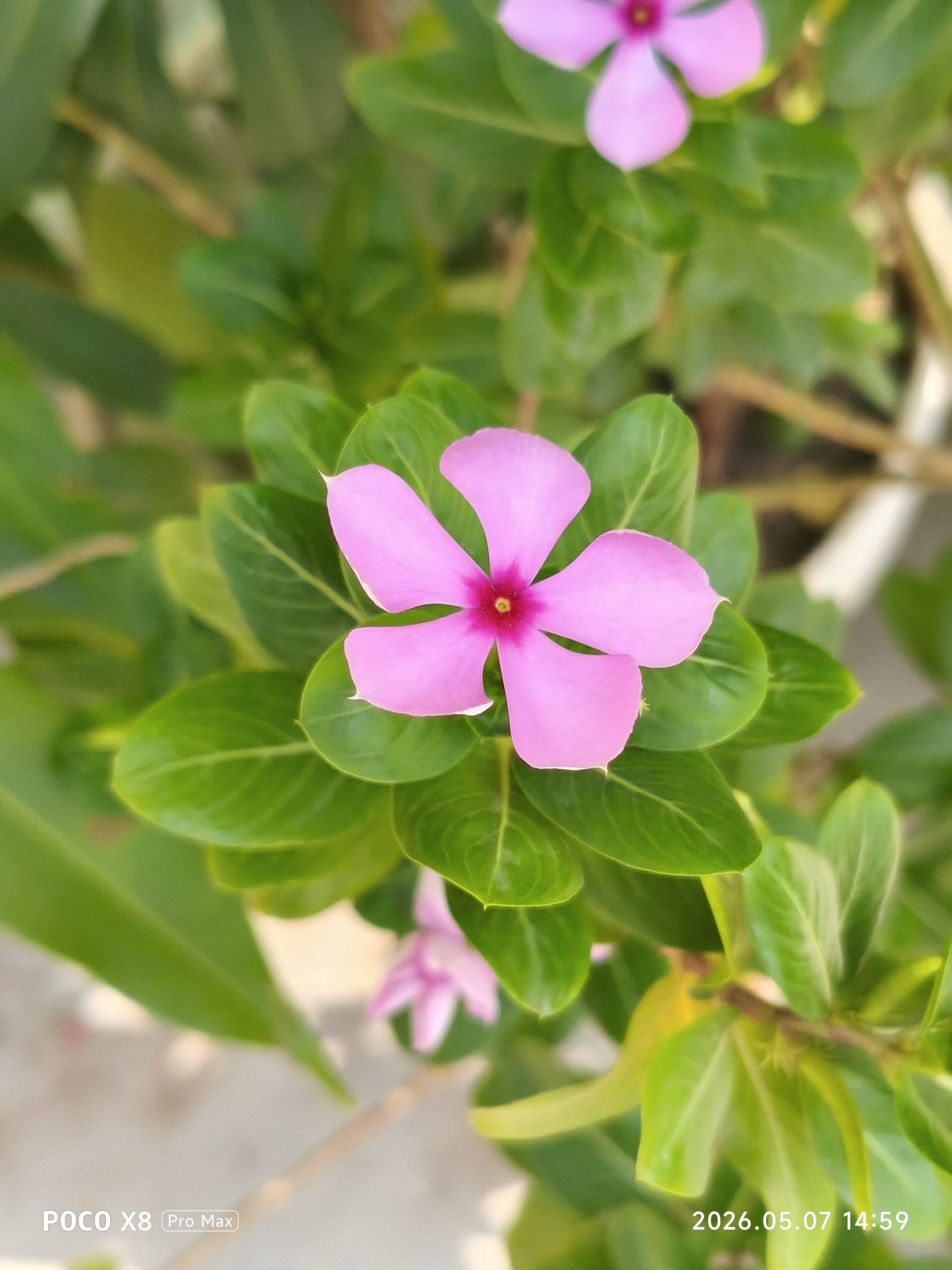

A similar trend continues with selfies.

The brighter image processing makes the Poco X8 Pro Max appear more visually appealing, but skin tones and colour reproduction are not always accurate, and overall detail levels remain fairly average.
Verdict: Should you buy the Poco X8 Pro Max at Rs 42,999?
The Poco X8 Pro Max succeeds in delivering exactly what it promises in several key areas. It offers outstanding battery life, a vibrant AMOLEDdisplay, excellent gaming performance, and a powerful chipset that handles demanding tasks with ease. For users who prioritise endurance and performance above everything else, the device makes a compelling case in the mid-range flagship segment.
However, it is not without compromises. The bulky form factor can feel uncomfortable during prolonged use, the software experience is weighed down by bloatware and intrusive notifications, and the cameras, while decent, fail to truly impress against strong rivals in the same price category.
At Rs 42,999, the Poco X8 Pro Max is best suited for gamers, power users, and multimedia enthusiasts who value battery life and raw performance over camera finesse and compact ergonomics.
Unnati is a tech journalist with almost half a decade of experience. She has a keen interest to cull out unique story angle. She reviews the latest consumer and lifestyle gadgets, along with covering pop culture and social media news. When away from the keyboard, you might find her reading a fiction, at the gym or drinking coffee.

Samsung Galaxy Fold 8 quick review: The new entry
Pova 8 review: Big battery, bold design—but is it worth the price?
Nothing Phone (4b) first impression: A unique design, bold specs and a question to ponder
Oppo Find X9s Review: A little less powerful but equally capable alternative to the Find X9
Samsung Galaxy A27 5G First Impressions: A budget phone with high-end potential