


ISL’s poor broadcast value explained: Why it fell from Rs 1.68 crore per match to Rs 9.5 lakh
The value of a single Indian Super League (ISL) match has fallen from Rs 1.68 crore to Rs 9.5 lakh. We explain what has led to this alarming crash and the erosion of confidence among broadcasters.

The Indian Super League (ISL) has a new broadcaster! The ISL matches during the 2025-26 season will be shown live on FanCode, a Dream Sports company, rather than Star Sports and JioHotstar. FanCode reportedly won ISL's global broadcast rights with a bid of Rs 8.62 crore, which is a significant fall from the Rs 275 crore per season that Viacom18 was paying.
Viacom18 has since merged with Star India to form JioStar, which also made a bid for the ISL 2025-26 media rights, but placed an extremely low bid of Rs 5 crore, while Sony Sports and Zee Sports did not even make a bid despite showing interest at first.
FanCode: The new home of ISL
FanCode had to beat competition from Anandabazar Patrika Digital, JioStar and UK-based Two Circles to clinch the broadcast rights for ISL, but production rights have been handed to Kaleidoscope Production and Services (KPS Studios). KPS Studios has in past produced matches in the I-League, Durand Cup and Bengal Super League.
 More from Football News
With the involvement of KPS Studios, the All India Football Federation (AIFF) would have to ratify FanCode’s Rs 8.62 crore winning bid, as they would not be doing the production.
Reacting to FanCode winning the broadcast rights, AIFF deputy secretary general M Satyanarayan said, “We are pleased to have concluded the ISL media rights process and to partner with FanCode, one of India’s leading sports platforms. FanCode’s focus on accessibility and fan experience aligns with our objective of expanding the league’s footprint and engaging more football fans across the country.”
Amid the doom and gloom in Indian football, where the ISL has been delayed by five months after AIFF failed to find new commercial partners, the broadcast rights getting sold at the first time of asking has come as a temporary relief to the fans, but in reality, the alarming decline in its value cannot be understated.
The ISL 2024-25 had 163 matches, and the value of each game stood at Rs 1.68 crore, with the whole brodacast deal being valued at Rs 275 crore.
With the broadcast value for the 91-match ISL 2025-26 being only Rs 8.62 crore, the per-match value has plummeted to Rs 9.5 lakh, a decrease of around 95%.
How ISL lost its broadcast value
How can any sporting property lose so much value in less than a year? While the problems in Indian football are well known, can anything really be devalued so dramatically overnight?
The truth is, it has already happened, and there's no one reason to explain the downfall. The massive drop has been caused by multiple factors. The most significant, obviously, is AIFF losing Football Sports Development Limited (FSDL) as a commercial partner.
As a commercial partner, FSDL brought much-needed stability to India’s perennially loss-making football ecosystem. Its financial backing instilled confidence among clubs and stakeholders. This stability led to better on-field growth, drove confidence in the ISL as a viable long-term property and played a decisive role in inflating the league’s valuation.
Now that FSDL is not associated with ISL, it's natural that the value of the product has fallen in the eyes of the broadcasters.
The reduction in the number of matches from 163 to 91 due to the delay in starting the league has played its own role. It's simple maths, fewer matches means smaller payment.
Delay and less matches hurts ISL
Broadcasters prefer longer leagues as it helps them create a more sustainable engagement, achieve a higher return on their advertising and marketing efforts. But a three-month league is a big risk. With the start of the league only a few days away, FanCode doesn't have enough time to market the product, limiting the reach and visibility of the tournament.
They also have to compete with the ICC T20 World Cup 2026 and the Indian Premier League (IPL) for eyeballs, further reducing ISL's broadcast value.
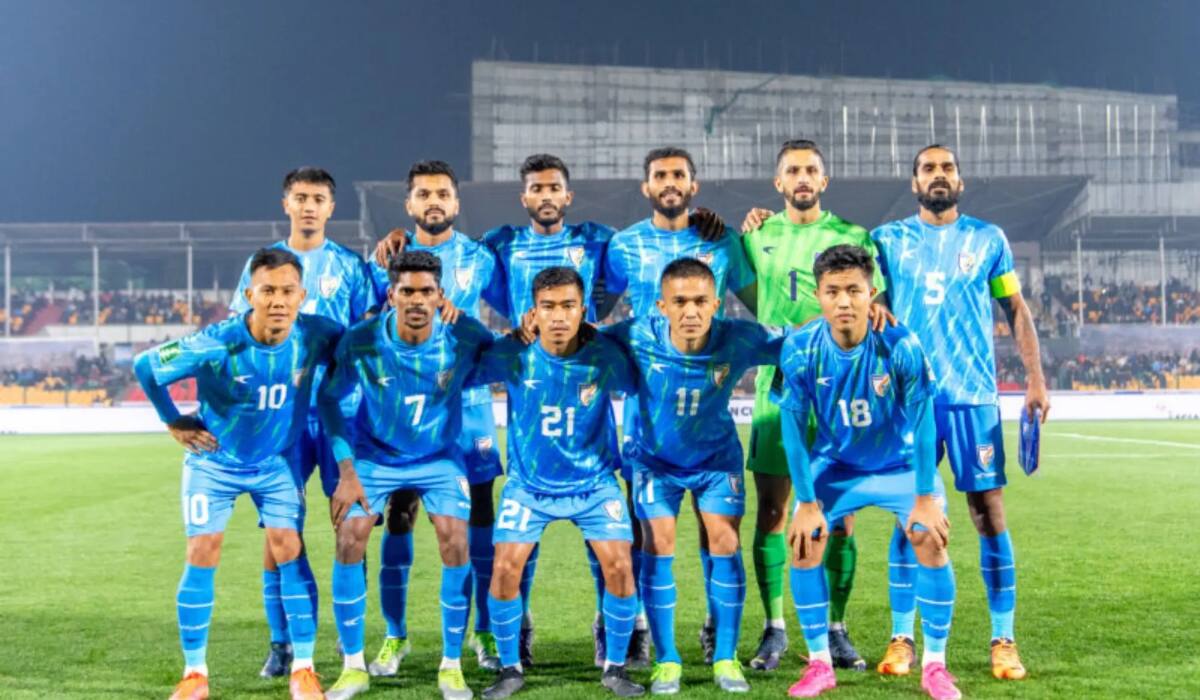
Two other major factors which have played their role are the abysmal performance of the Indian football team, who have failed to qualify for the Asian Cup for the first time since 2019, and the competition from other sporting products.
JioStar, for example, is already spending thousands of crores on broadcasting IPL, the Indian cricket team's matches, ICC tournaments, Women's Premier League and Pro Kabaddi League (PKL).
Other major broadcasters also own the broadcast rights for various European football leagues and bilateral cricket.
All in all, a seriously malnourished product will inevitably command poor broadcast value, but Rs 8.62 crore is beyond what anyone could have imagined. It points to an erosion of confidence among broadcasters, a trend that will only hurt Indian football in the long term.

The Luis de la Fuente effect: Spain’s secret weapon in their 2026 World Cup victory
Rodri beats Messi to win Golden Boot award; Check out full list of 2026 World Cup award winners
Messi breaks down after World Cup defeat, shares touching hug with Lamine Yamal
FIFA World Cup jackpot: What does Spain take home after beating Argentina?
De la Fuente credits team spirit for Spain's World Cup glory