


Duck, Decrees and Drama: How the World Cup has transcended sports to become celebration of life
Co‑hosted by the United States, Mexico, and Canada, the 2026 World Cup has united fans worldwide in passion, respect, and solidarity, turning football into a global celebration of humanity.

A happy-go-lucky two-year-old duck, an unexpected gift of holidays for the people of two South American countries, and a tearful remembrance of a young, talented Portuguese player are some of the classic vignettes offered so far by the FIFA World Cup 2026, which has transcended sports to become a celebration of life.
The World Cup, co-hosted by the United States, Mexico and Canada, has witnessed a torrent of emotions both on and off the football field, handing fans plenty of unforgettable moments.
The passion for the beautiful game has been matched only by a spirit of mutual respect and solidarity displayed by the followers of football in the streets and on the stands.
 More from Football News
A perfect host
In Mexico City, one of the famous venues of the event, which kicked off on June 11, a duck wearing the bright green jersey of the Mexican national team waded through the busy streets, bringing together different nationalities who descended on the city for the World Cup matches from around the globe.
Merlin, a pet duck, may not have been given entry into the Azteca Stadium in Mexico City, which hosted many memorable matches, including an edge-of-the-seat Round of 16 match between England and Mexico, due to FIFA's regulations disallowing animal entry; it still endeared tens of thousands of fans and became an online sensation worldwide by playing a perfect host.
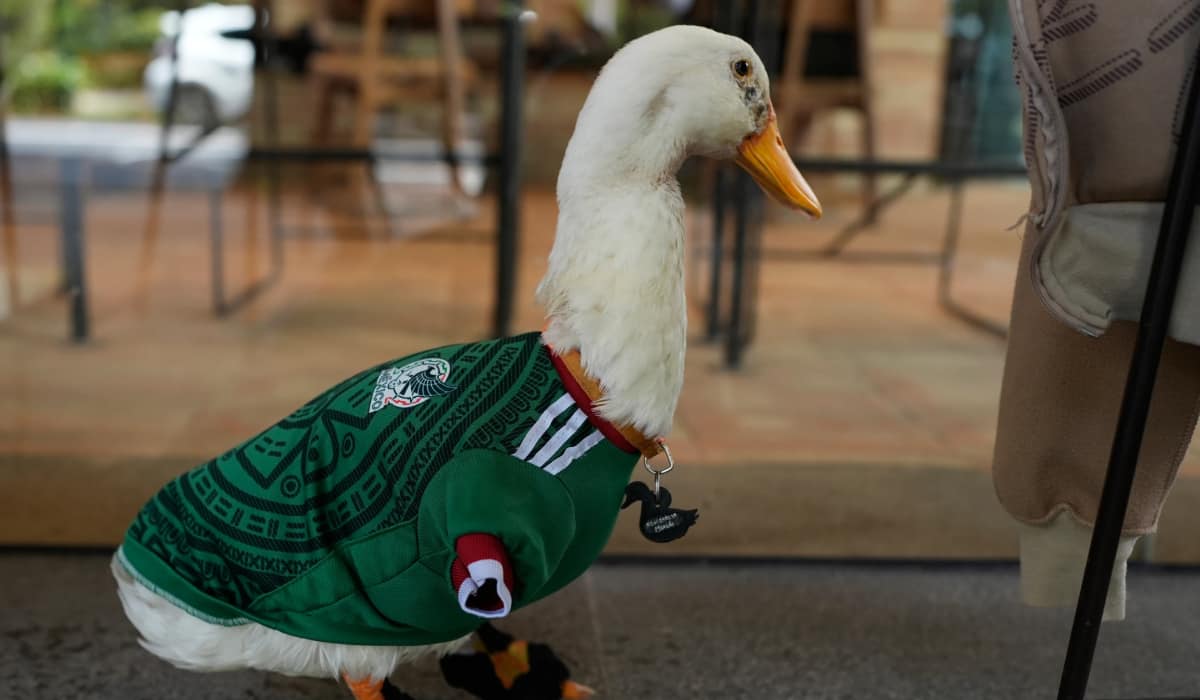
Named after the wizard from the legend of King Arthur, the pet of Karla Ivette Gómez, a street vendor selling beverages in Mexico City, even received an invitation to meet with Mexican President Claudia Sheinbaum. Riding on its swift popularity, Merlin also became the unofficial mascot of the Mexico team, outmatching the official mascot, Zayu the Jaguar.
Also Read | Morocco fans flood London streets, clash with riot cops after World Cup elimination by France
Animals have been a vital element of different editions of the World Cup as national mascots, friendly fellows like Merlin or simply someone who could predict match outcomes, like Paul the Octopus, who surprised fans with accurate results of the 2010 South Africa World Cup, including the final won, for the first time, by Spain.
Deluge of Decrees
Two South American countries gifted their citizens time and happiness by declaring national holidays to celebrate success at the World Cup. The national holidays for Ecuador and Paraguay came in the form of decrees signed by their respective heads of state.
Ecuador's president Daniel Noboa signed a decree on June 26, and Paraguay's president Santiago Peña signed his own four days later, declaring national holidays. Interestingly, the same country was at the receiving end of both nations' successes -- Germany.
Ecuador, a lowly-ranked nation that has lost more matches than it won in five appearances at the World Cup, stunned the football world by defeating four-time world champions Germany 2-1 in a group match, presenting Ecuadorians a national holiday.
Paraguay, whose dull, defensive style put off many fans at the 2010 South Africa World Cup, where it reached the quarter-finals, pulled off a massive upset this time by defeating Germany in the knock-out round of 32 in a penalty shootout.
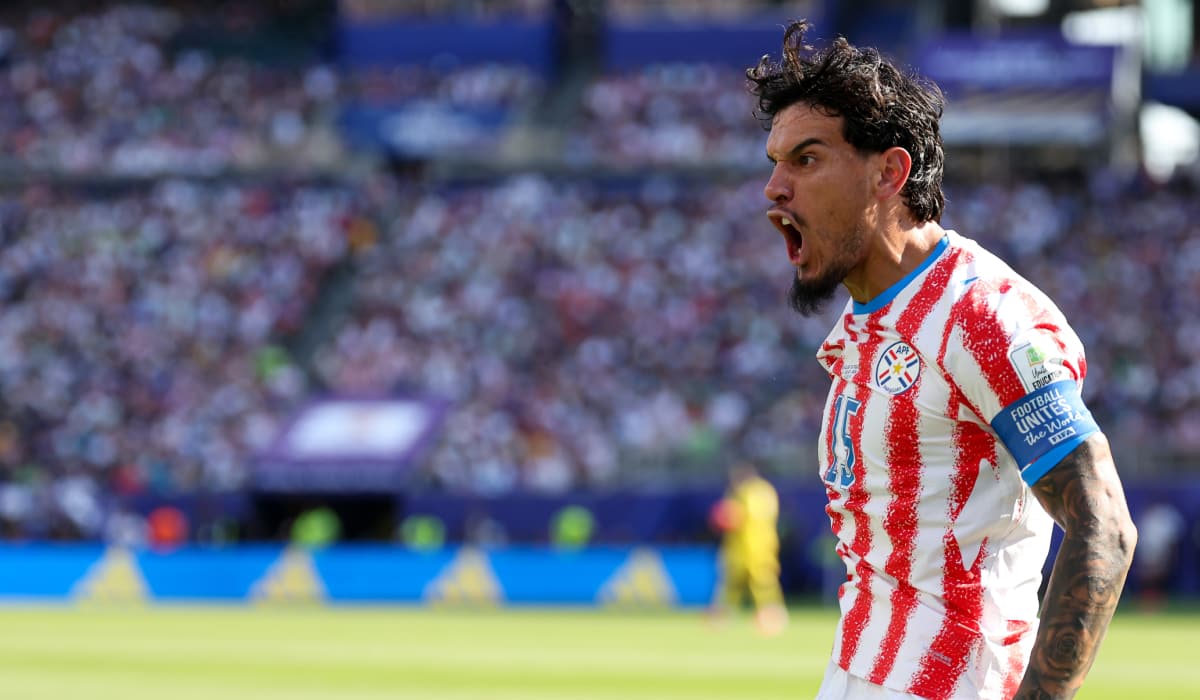
Paraguay, which hadn't qualified for the World Cup after 2010, earned a national holiday for sending Germany out of the World Cup, but still didn't win many fans with what pundits called their "ugly football" in the round of 16 match against France, which the South American country lost 0-1.
Earlier this year, the Democratic Republic of Congo, a minnow in global football, declared a national holiday for its people after qualifying for the 2026 World Cup, their first time in half a century.
Remembering Diogo Jota
Led by Cristiano Ronaldo, Portugal carried the jersey of Diogo Jota, who was killed along with his brother in a tragic highway crash in July last year, at all matches of the team during the World Cup.
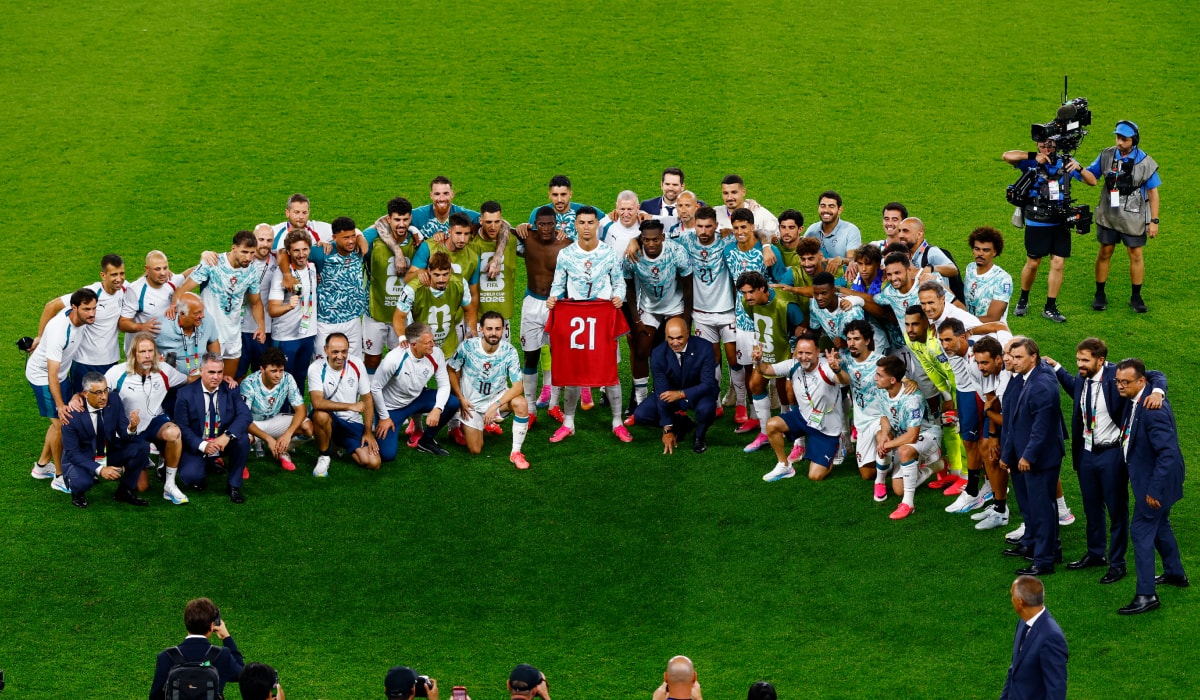
The No. 21 jersey Jota wore for the national team was a unifying presence for the team and its fans and followers of football around the world. Jota, who played for Liverpool, was also given a symbolic roster spot of 27 at the World Cup, a number beyond the maximum 26 players allowed for each country.
The Netherlands team came together for their player Cody Gakpo, who and his partner Noa van der Bij lost their unborn child during pregnancy last month. Gakpo, who plays for Liverpool, broke down after scoring a goal against Morocco in a round of 32 match, in another heartbreaking moment at the World Cup.
Also Read | Final whistle for a Legend as Cristiano Ronaldo's World Cup dream ends in heartbreak
The World Cup also witnessed an emotional send-off for veteran Mexico goalkeeper Guillermo Ochoa, the North American country's custodian at the goal for six World Cup editions.
Ochoa, 40, considered one of the greatest goalkeepers in world football, spent most of the time on the bench during the current World Cup before coming on as a substitute at the Azteca Stadium in Mexico City for Mexico's last group match against the Czech Republic, in what was his last World Cup match.
Ochoa made history at the 2026 World Cup for playing in the most World Cup editions -- six -- a feat he shared with football greats Cristiano Ronaldo and Lionel Messi.

The Luis de la Fuente effect: Spain’s secret weapon in their 2026 World Cup victory
Rodri beats Messi to win Golden Boot award; Check out full list of 2026 World Cup award winners
Messi breaks down after World Cup defeat, shares touching hug with Lamine Yamal
FIFA World Cup jackpot: What does Spain take home after beating Argentina?
De la Fuente credits team spirit for Spain's World Cup glory