


Beyond pyramids: Cairo is more than the land of Pharaohs
From restored Old Cairo to the newly expanded New Cairo, this Egyptian capital is undergoing a sweeping cultural and urban revival

It was 11:11 on the morning of October 26 when I first stood before the Pyramids of Giza. The sand was stirred by tour groups assembling, the distant braying of camels, and vendors arranging their wares. I had built this moment in my mind for years, piecing it together from documentaries and history books.
Yet, that sense of recalibration only deepened when Maged Elsadek, Visitation and Tourism Director at Orascom Pyramids Entertainment (a public-private partnership with the Egyptian government to manage and develop the Giza Plateau's tourism experience), mentioned, “Post pandemic, we reopened on the 8th of April this year,” as we walked through the reimagined visitor experience at the Giza Plateau.
 More from Opinion
Revamping the visitor experience at this iconic site is a monumental task. “It's a vast site. The topography is not easy, and the demand is not unified,” Elsadek explained.
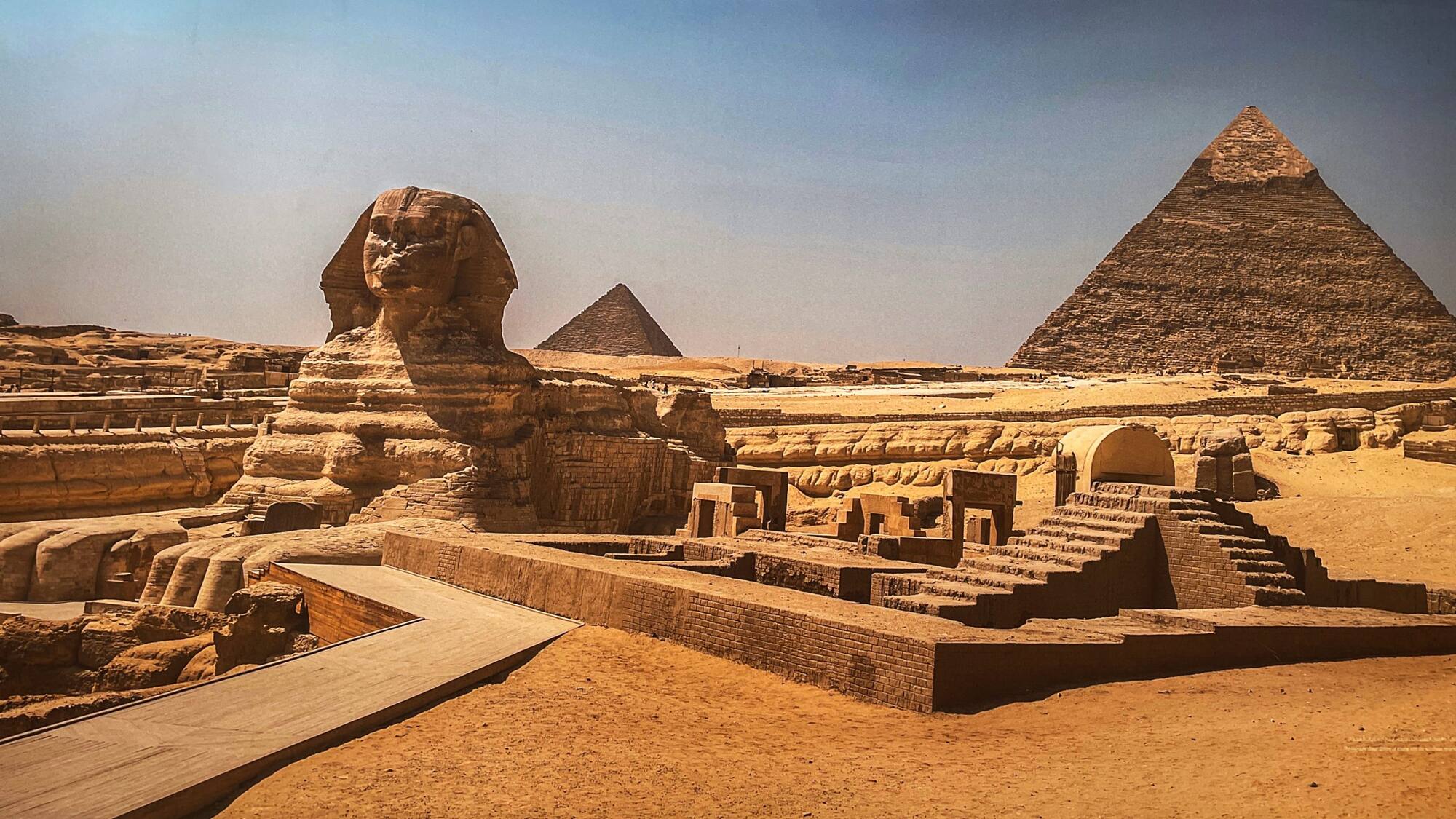
The old experience was, by most accounts, difficult — sweltering metal toilet cubicles, the stench of animals that once roamed the site, and infrastructure that fell far short of the pyramids’ grandeur. “Some people who have waited twenty-thirty years to visit,” Elsadek noted. “Ask me, is this what I’ve been dreaming of, for decades?” The solution is to focus on ecological sensitivity. “The entire project is eco-friendly to protect the pyramids and transform the visitor experience,” said Elsadek. New stations, clean, air-conditioned toilets, ATMs, and international-standard coffee and snacks now span the plateau. The mobility system is 100 per cent electric, Nestlé runs hydration stations, and the new panorama station aligned with all three pyramids is the largest addition.
But it was Ashraf Mohie El-Din who truly opened the pyramids for me. An Egyptologist/archaeologist, Ashraf has appeared in forty documentaries across NatGeo, History Channel, Discovery Channel, and Netflix. “I always say, if you can build a pyramid, you can do anything,” he announced as we began our exploration. “Even a brain surgery.” In 1990, an American tourist's horse broke through the desert floor, revealing the workers' tombs — the builders of the pyramids themselves.
“We found their names and their titles,” Ashraf noted with barely contained excitement. “And we discovered between the workers' tombs a 4600-year-old tomb for a doctor. This doctor did a brain surgery. We found the skull of the worker with a hole in it, and his son completed his father's tomb and mentioned that his father lived three years after the surgery.” These weren't alien constructions or slave-built monuments. They were the work of skilled labourers, with doctors, entertainers, and specialised craftspeople among them. He described finding tombs for dwarfs — both Egyptian and Nubian — who served as entertainers and master jewellers.
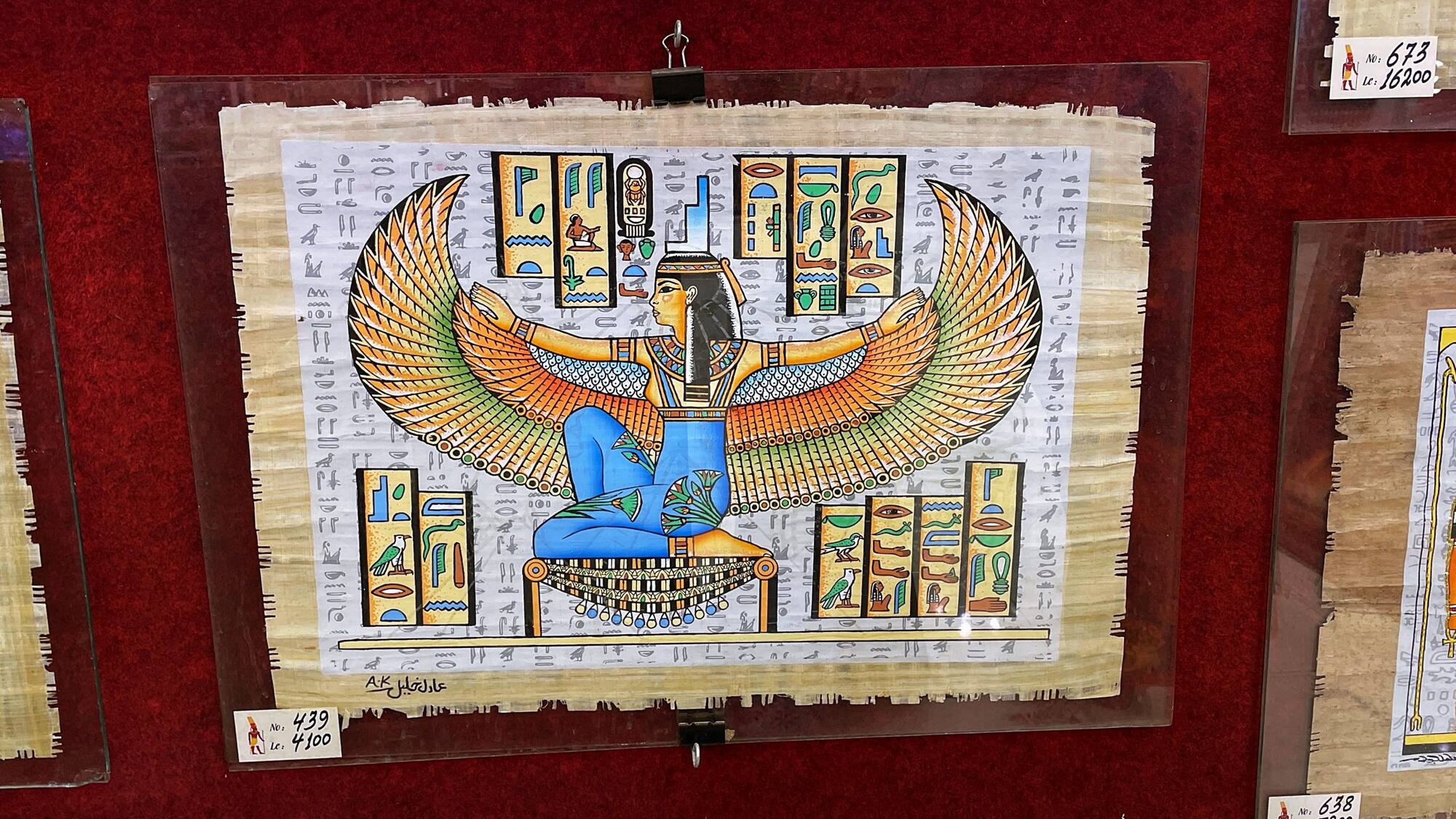
Ten minutes from the pyramids, I made my way to the Amon Papyrus Museum on Al Haram Road. Rahma, my guide, split the papyrus stalks into thin strips, smiled and said, “This is a 5,000-year-old method. The Egyptians invented the first paper in the world to make knowledge last. And look, when we cut the papyrus stick, it looks like a pyramid.” Watching her arrange the strips in a crisscross pattern and press them under weight felt alchemical. “The sap is the glue,” Rahma explained, rolling the damp sheet with a wooden mallet. “We don’t add chemicals. Everything you see, the strength, the colour, it’s all natural, exactly as the ancients did it.”
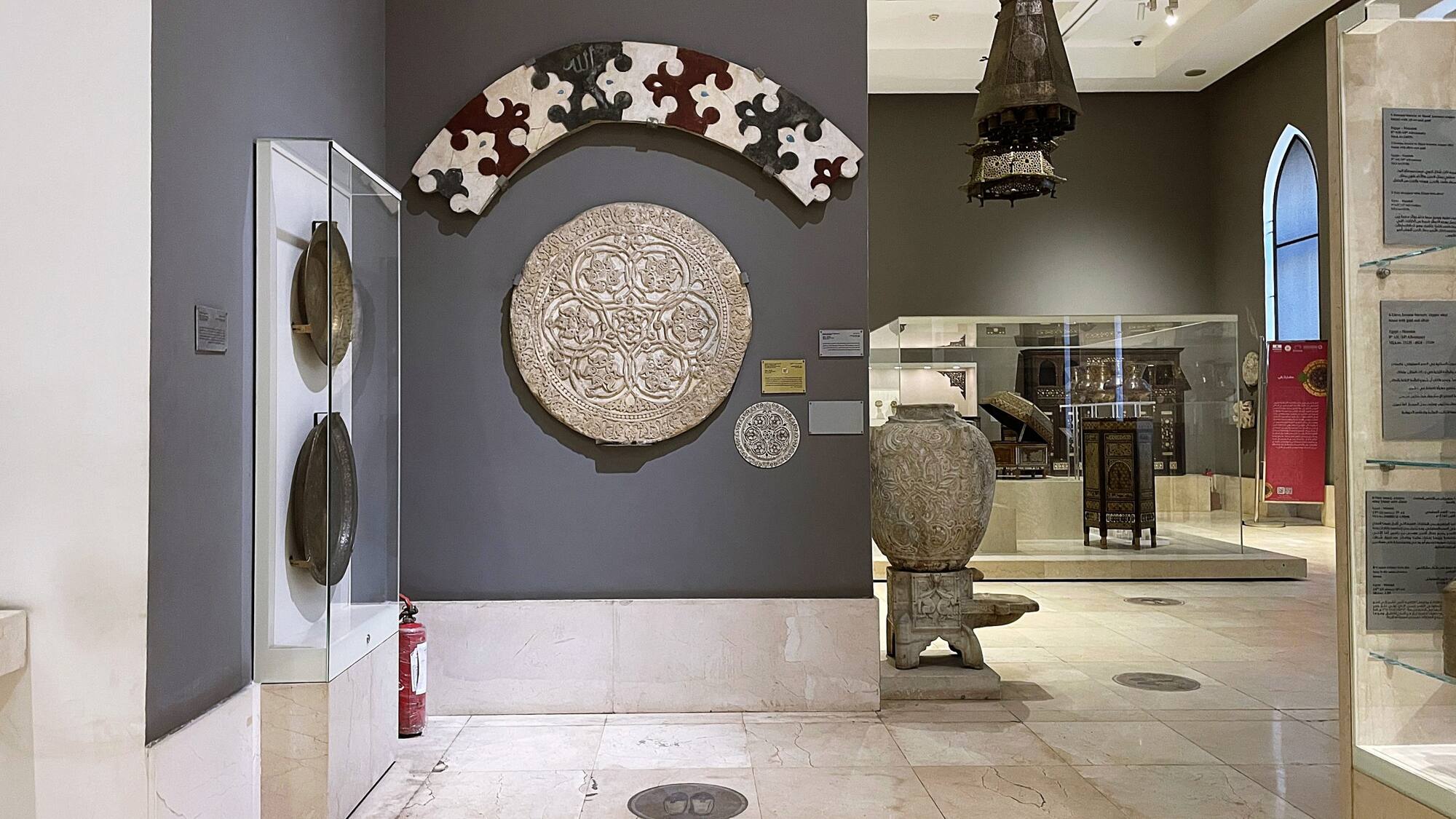
The Museum of Islamic Art in Cairo came next with a 340 EGP ticket. Among the 25 galleries, the oldest copies of the Qur’an in the world drew me in most deeply. It is written in Kufic script, and there's another one from the Mamluk period (AD 1438-53). But perhaps most surprising to me were the pieces that hinted at India’s imprint on this vast borderless world of Islamic art. The collection contains artefacts “from India, Iran, Arabia, Syria, Egypt, and North Africa.” Among them are paintings from the Mughal period, wooden boxes and stone-made antiques from India. To stand there is to sense how the blue of lapis lazuli, the gold of manuscript borders, and the precise interlaced geometry of script and ornament all travel beyond borders.
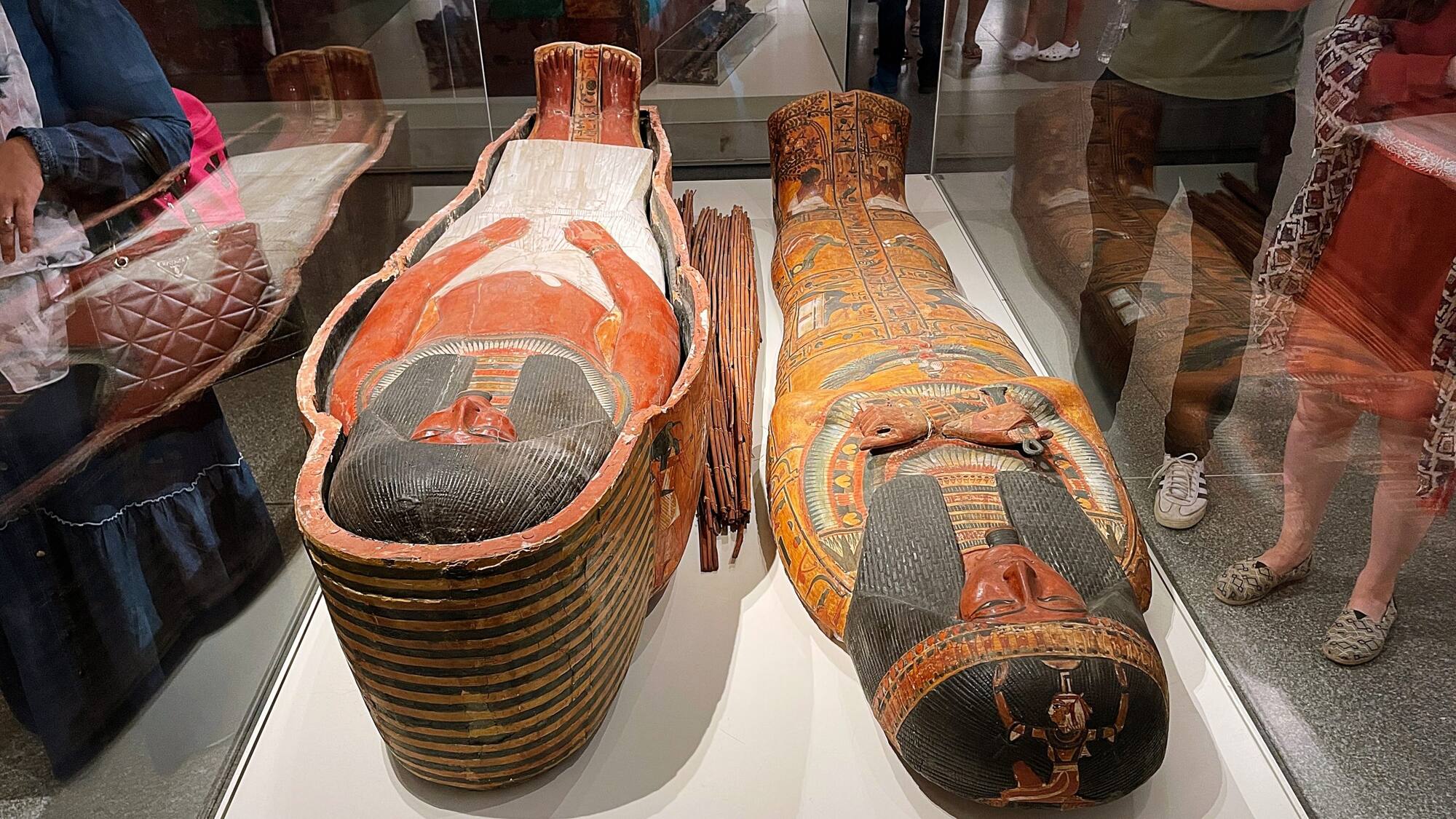
My second day took me to Old Cairo, its streets reminding me of Bombay — book stalls overflowing onto sidewalks, volumes spread on bedsheets where vendors sat cross-legged. Strangers smiled as they passed, and when they spotted I was Indian, the recognition turned to delight. “India! Amitabh Bachchan! Shah Rukh Khan!” they’d shout. Hossam Elgendy (36), representative of the Egypt Tourism Board, and I began our journey at the National Museum of Egyptian Civilisation (NMEC), which houses Egypt’s twenty-five royal mummies resting in climate-controlled dignity. The preservation of their skin and hair, the intricate linen wrappings, and the faint lingering scent of the resins used in their embalming struck me the most.
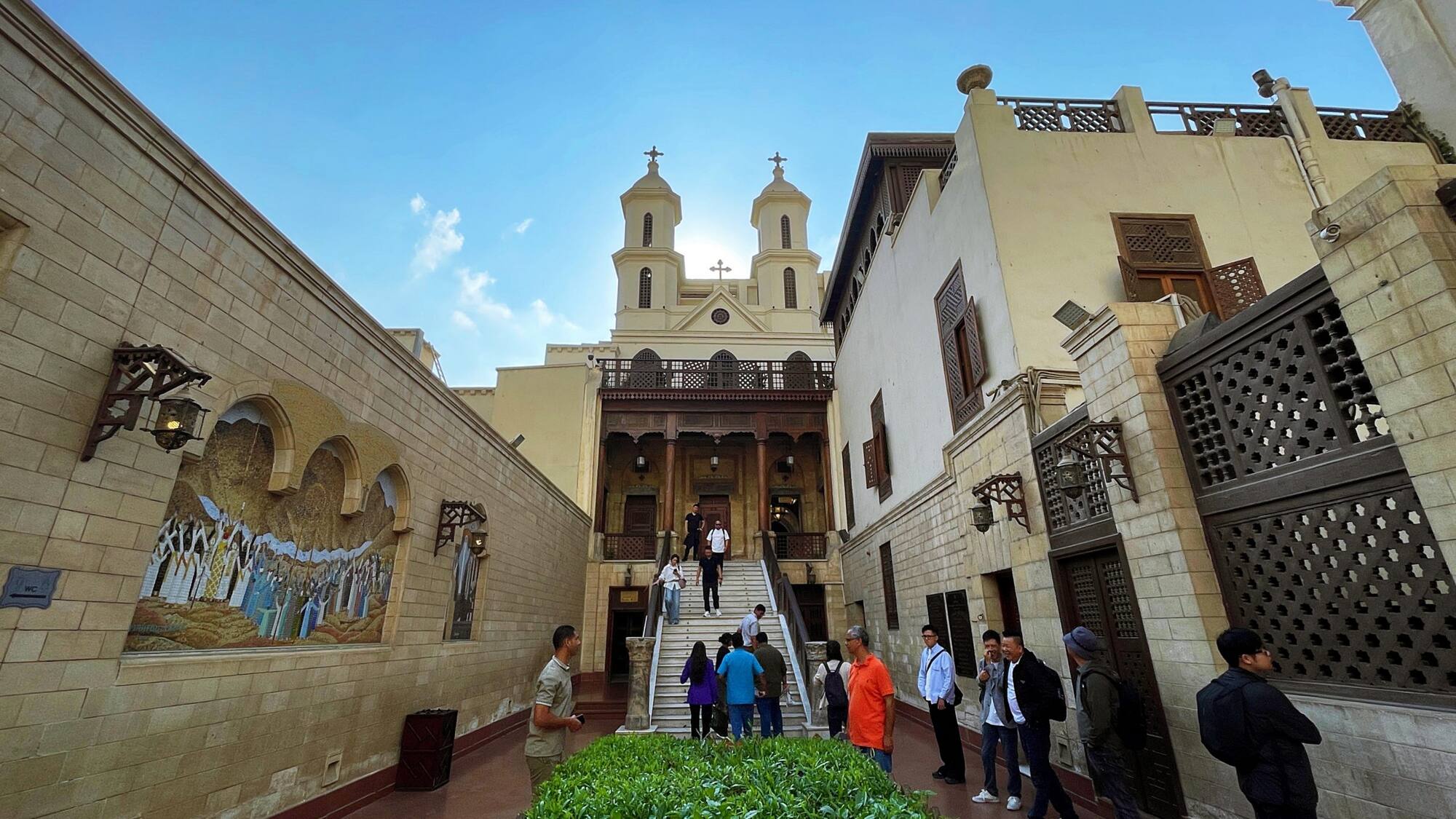
“People think Egypt's story is only pharaonic,” Hossam said as we walked out, “But Cairo is where all the layers meet.” The third-century Hanging Church (Saint Virgin Mary's Coptic Orthodox Church) spectacularly proved his point. It is built atop the Roman Babylon Fortress and appears to float. Inside, wooden ceiling arcs overhead like an inverted ark, while the iconography features a famous picture of Mary and Jesus that art historians compare to the Mona Lisa. Nearby, Abu Serga (Church of Saints Sergius and Bacchus) shelters a crypt where tradition says the Holy Family rested during their flight to Egypt. Then came the Ben Ezra Synagogue. Originally a 4th-century church, it was sold to the Jewish community in 882 CE.
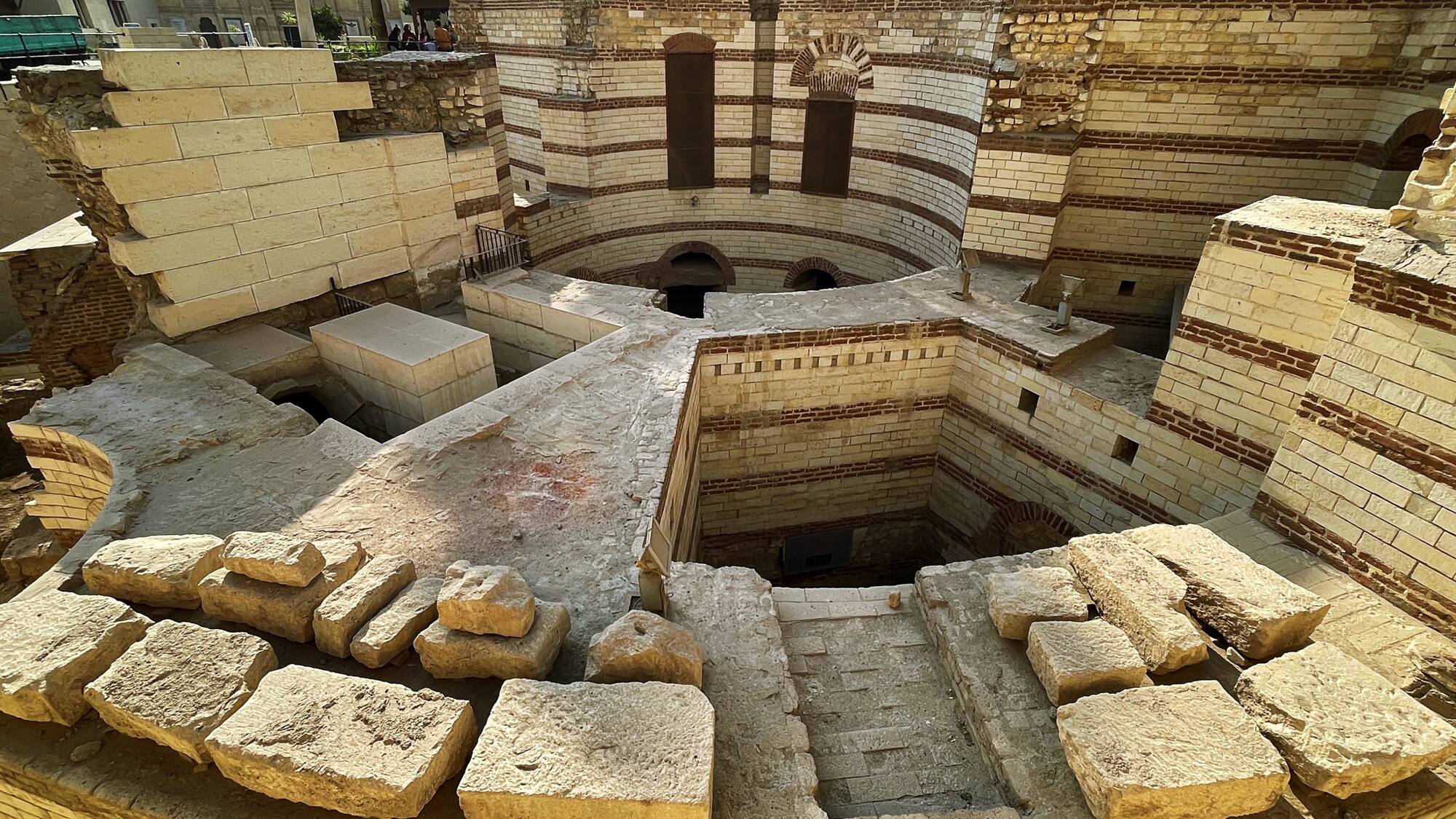
In the 19th century, its genizah, a repository for damaged religious texts, yielded nearly 400,000 documents, the most significant cache of medieval Jewish manuscripts ever discovered. “It shows how communities shared spaces, sold buildings to each other, and coexisted,” Hossam pointed out. The Babylon Fortress, the Roman fortification that underlies this whole district, reminds you that Cairo's layering goes even deeper. The Church of St George, perched within the fortress walls, serves Cairo's Greek Orthodox community. Since Old Cairo refuses to be contained, they also have a Cave Church carved into Mokattam Mountain. It is the Monastery of Saint Simon the Tanner, one of the largest Christian churches in the Middle East.
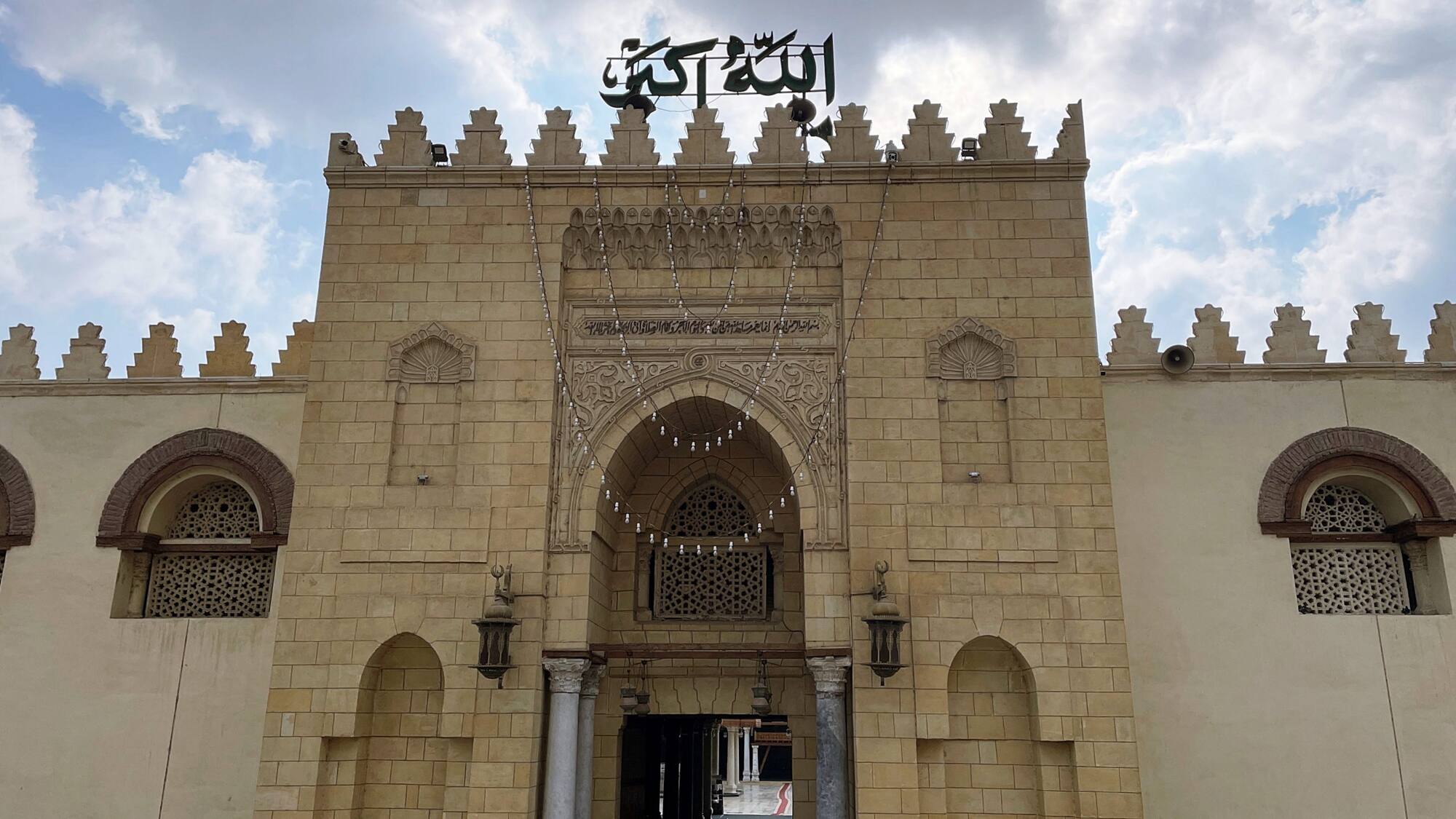
The Amr ibn al-As Mosque closed the circuit. Built in 641 CE, it's Egypt's first mosque, though rebuilt and expanded so many times that little original fabric remains. What remains is purpose, as it is still a functioning place of worship. By noon, I was in Khan el-Khalili Bazaar, where the art of haggling becomes a belonging. When I tried to pay the asking price at a stall, the shopkeeper looked offended. “No, no, no—you must bargain!” he insisted, as if I'd violated an unspoken covenant.
Lunch unfolded at the Naguib Mahfouz Café — tucked away on El Badistan Lane in the heart of the Khan el-Khalili bazaar. Named after Egypt’s Nobel laureate who immortalised Cairo in words, the café feels less like a restaurant and more like a relocation in time. The waiters, clad in Ottoman-style livery and the unmistakable red tarboosh or a fez (which I couldn’t resist borrowing for a photo), moved through the room like characters from a Mahfouz novel. The oxtail soup sent up fragrant curls, the rabbit meat was herb-kissed, and a generous bowl of koshary—lentils, rice, pasta, and crisp onions—delivered layered textures. Between bites of taameya and sips of hibiscus tea, I realised this was Cairo serving its history on a plate.
Along my way back, I picked up small lessons in language, learnt the word 'fingal' — a clay coffee cup with a long handle — and tried to master the difference between 'kahwa' (coffee) and 'shai' (tea), though I kept mixing them up. Cairo surprised me as a city. Old Cairo, more so, because it's here that mummies rest near mosques, near churches, and near synagogues. Shows civilisations don't just meet; they create together. Standing in Old Cairo, I finally understood that here, every generation adds to the palimpsest, and when I left the city, I carried an understanding of creativity as continuity, of art not as artefact but as conversation.
(With more than a decade of writing experience and a passion for exploring the world, the author is a travel journalist with a knack for captivating storytelling. Views expressed in the above piece are personal and solely those of the author. They do not necessarily reflect Firstpost’s views.)

When Manila and Tokyo draw a line, Beijing draws a red line
Bangladesh gets a new envoy to reset its India ties
Escalation trap to an exit strategy: How can the Iran war end?
India must seize its demographic dividend before it fades
Bangladesh’s instability has sharpened India’s ‘Chicken Neck’ challenge