


Why UAE exiting Opec is a big win for Trump
The UAE is exiting the Organisation of Petroleum Exporting Countries (Opec) cartel, which it joined in 1967. The decision will reshape global energy dynamics, weaken the cartel, and hand US President Donald Trump greater leverage

The United Arab Emirates walking out of the Organisation of Petroleum Exporting Countries (Opec) cartel left many stunned.
The development is expected to weaken the group, whose members work together to manage output and influence the price of global oil.
Trump has previously assailed Opec, accusing it of ‘ripping off the rest of the world’.
The UAE is set to leave the cartel effective May 1, 2026. The development comes in the background of reports that the United States and the UAE had discussed a currency swap.
But why is the UAE exiting Opec a big win for Trump?
Let’s take a closer look.
A brief look at Opec
First, let’s take a brief look at Opec and its history.
 More from Explainers
Opec was founded in Baghdad in September 1960 by Iran, Iraq, Kuwait, Saudi Arabia and Venezuela. The body has since expanded to include Algeria, Angola, Congo, Equatorial Guinea, Gabon, Libya, Nigeria and the United Arab Emirates – which joined as the Emirate of Abu Dhabi in 1967.
According to its website, the idea behind Opec is to “coordinate and unify the petroleum policies of its Member Countries and ensure the stabilisation of oil markets in order to secure an efficient, economic and regular supply of petroleum to consumers, a steady income to producers and a fair return on capital for those investing in the petroleum industry.”
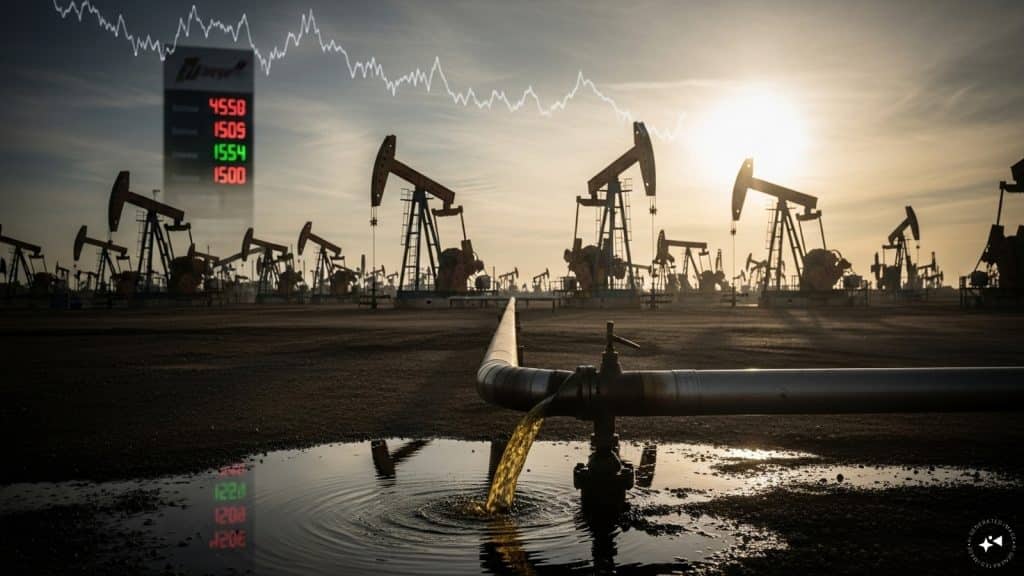
Essentially, it looks to control the price of crude oil by regulating its supply to the world. According to The Guardian, Opec members hold around 80 per cent of the world’s proven oil reserves. However, they produce just 40 per cent of the world’s crude. They do so in order to keep oil prices stable and prop up the petrostates.
In 2016, Opec aligned with Russia and its 10 major oil-producing allies to form what is known as Opec+. This body handles over 50 per cent of global oil supplies and about 90 per cent of proven oil reserves.
Why is the UAE leaving Opec?
The UAE’s energy ministry, in a statement, said that the decision would give it more room to respond to a “new energy age” and that the move was in sync with its “long-term strategic and economic vision”.
According to News18, the UAE wants to gain more control over its oil output. While Abu Dhabi has been expanding its oil production facilities with the aim of reaching around 5 million barrels per day (bpd) by 2027, its output remains limited under Opec.
The decision means that the UAE can now ramp up its oil production in order to fund its projects – be it infrastructure, development or diversification. It also comes in the background of the Iran war, with which the UAE has expressed increasing frustration and exasperation. In Abu Dhabi’s eyes, much of this comes down to a lack of assistance from fellow Opec members in tough times. According to The Guardian, on Monday, Anwar Gargash, the diplomatic adviser to the UAE president, slammed the Arab and Gulf states for not protecting the UAE amid the Iran conflict.
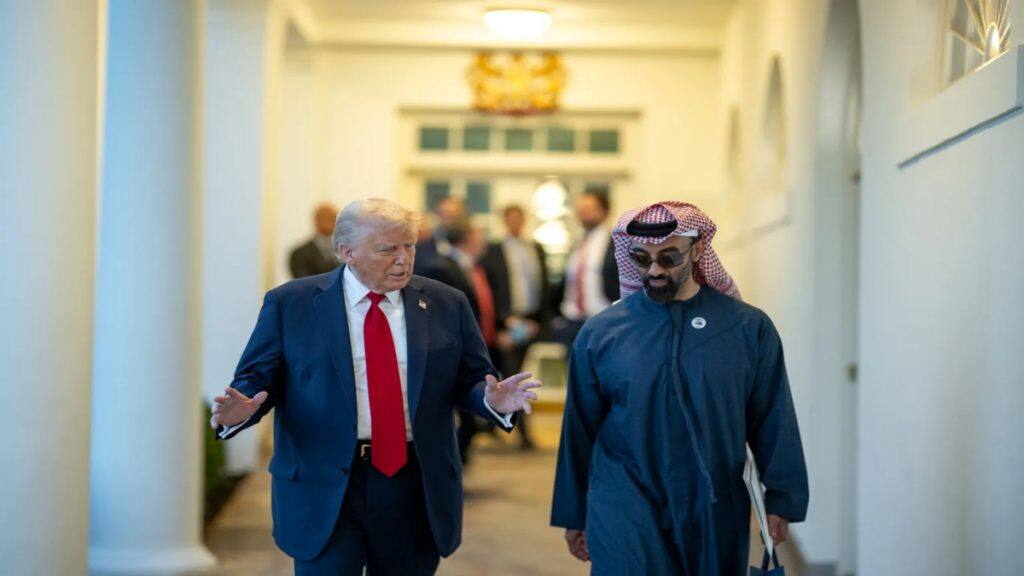
“The Gulf Cooperation Council countries supported each other logistically, but politically and militarily, I think their position has been the weakest historically,” Gargash said. “I expect this weak stance from the Arab League and I am not surprised by it, but I haven't expected it from the (Gulf) Cooperation Council and I am surprised by it.”
The UAE is also seeking to somewhat distance itself from its neighbour Saudi Arabia, which dictates much of the cartel’s crude oil policy. It also allows it to potentially make inroads in Asia when it comes to market share, as per News18.
Why the UAE’s exit is a major boost for Trump
The UAE is not just another member of OPEC. It is the group’s third-largest producer. Its withdrawal gives Washington greater leverage over the global energy landscape at a critical moment.
According to Moneycontrol, amid ongoing geopolitical uncertainty, the move delivers an unexpected advantage to US President Donald Trump. The UAE’s departure does more than weaken an oil cartel — it strengthens Washington’s hand in shaping global energy dynamics.
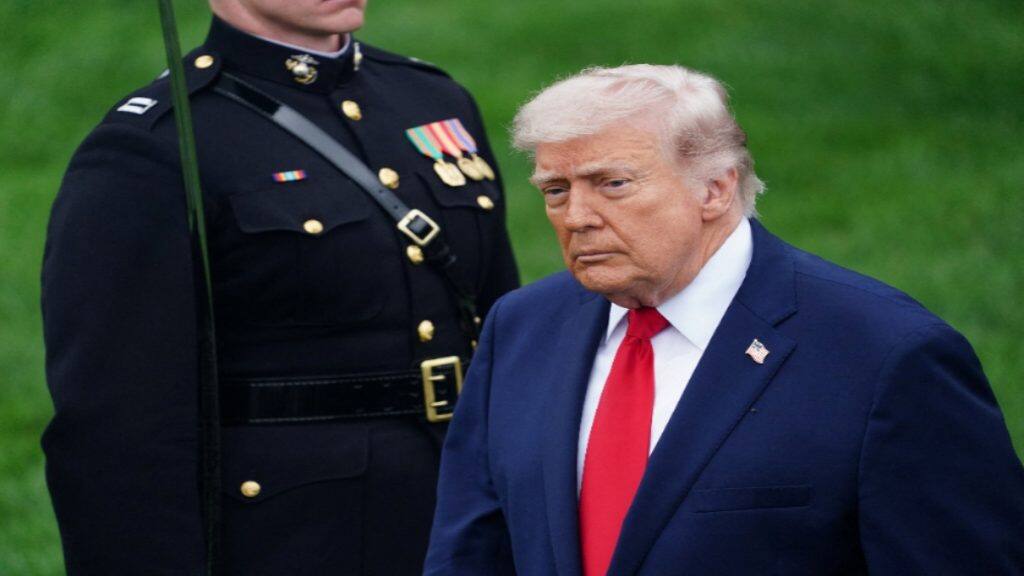
A fractured OPEC also reinforces Trump’s long-standing narrative. He has repeatedly criticised the organisation, accusing it of manipulating oil markets to keep prices artificially high and “ripping off the rest of the world”. The UAE’s exit exposes internal divisions within the bloc, lending credibility to those claims.
Losing a key player such as the UAE undermines Opec's image of unity and raises questions about its ability to act collectively. For Trump, this serves as validation. A divided Opec is less capable of coordinating supply cuts that drive prices upwards, aligning with his broader objective of keeping global energy prices under control, as per the outlet.
What do experts say?
Experts agree that the development weakens the bloc.
Jorge León, an analyst at Rystad, told The Guardian, “The UAE withdrawal marks a significant shift for Opec. Alongside Saudi Arabia, it is one of the few members with meaningful spare capacity – the mechanism through which the group exerts market influence.
“While near-term effects may be muted given ongoing disruptions in the strait of Hormuz, the longer-term implication is a structurally weaker Opec.”
David Oxley, the chief climate and commodities economist at Capital Economics, added, “The surprise announcement by the UAE that it will leave Opec+ from 1 May will not have any immediate implications for the global energy market, but it does suggest that global supplies will be higher than would otherwise be the case once the strait of Hormuz reopens. It fits with our existing view that the ties binding Opec members together have loosened.”
FAQs
1. Why is the UAE leaving Opec?
The UAE wants greater control over its oil production and long-term energy strategy.
2. How does the UAE’s exit benefit Donald Trump?
A weaker and more divided Opec reduces its ability to control oil supply and keep prices high. This aligns with Trump’s long-standing stance against the cartel.
3. Will the UAE’s exit impact global oil prices immediately?
Experts suggest there may be no immediate impact. However, over the long term, it could bring down the price of oil.
With inputs from agencies

Military drones & police check-ups: How Sri Lanka is fighting against worst dengue outbreak in a decade
How Facebook job ad lured 2 Karnataka men into Myanmar cyber scam camp
Why is India seeing 95% cloud cover despite a Super El Niño?
What is CJP’s fourth demand to the government as protests in Delhi intensify?
The new geography of war: Why the Houthis can no longer be ignored