


Why some Pakistan women are barred from voting by their husbands
Pakistani women are reportedly barred from voting in certain regions, even though the country has the fifth-highest number of registered voters globally—behind only India, the US, and Brazil. This is because some rural sections are still governed by a patriarchal system which has a great influence

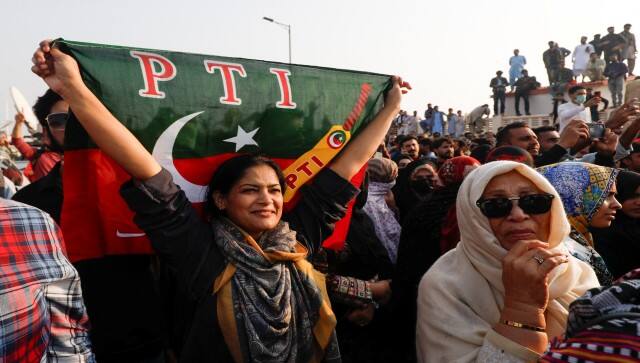
A supporter of Pakistan Tehreek-e-Insaf (PTI) waves the party flag during a rally ahead of the general elections in Karachi, Pakistan. Reuters[/caption]Women are permitted to vote under Islam, according to legal expert and women's rights activist Fatima Tu Zara Butt, but in Pakistan, the faith is frequently misinterpreted or misused."Regardless of their level of education or financial stability, women in Pakistan can only make decisions with the 'support' of the men around them," she said.After military dictator Zia ul-Haq brought in a new era of Islamisation that undermined women's rights, Pakistan is renowned for electing Benazir Bhutto, the first Muslim woman leader in history, in 1988. Bhutto fought against religious extremism and implemented policies that increased women's access to money and education.The election commission has stated that, more than 30 years later, only 355 women—as opposed to 6,094 men—are running for seats in the national parliament on Thursday.Pakistan, a country with a majority of Muslims, reserves 60 of its 342 National Assembly seats for women and 10 for religious minorities. However, political parties hardly ever permit women to run for office beyond these limits.If they do take a stand, those who do so frequently do so only with the support of their male relatives who are well-known figures in the local politics."I have never seen any independent candidates contesting elections on their own," Zara Butt added.'Everyone's right'A rising number of women in Dhurnal want to exercise their right to vote, but they are afraid of repercussions from the community if they do. This is especially true because divorce is a huge source of shame in Pakistani culture, according to 40-year-old healthcare worker Robina Kausir.She attributes some of the change to the increased use of social media and smartphones, which have made information more accessible."These men instil fear in their women – many threaten their wives," she told AFP.With her husband's support, Robina is one of the few willing to take the chance.In the wake of cricket legend Imran Khan's electoral victory in 2018, Robina organised a minibus to transport women to the nearby polling place.Though few people joined her, she nonetheless considered it a success and will repeat the action on Thursday when the election takes place."I was abused but I do not care, I will keep fighting for everyone's right to vote," Robina said.With inputs from AFP

Military drones & police check-ups: How Sri Lanka is fighting against worst dengue outbreak in a decade
How Facebook job ad lured 2 Karnataka men into Myanmar cyber scam camp
Why is India seeing 95% cloud cover despite a Super El Niño?
What is CJP’s fourth demand to the government as protests in Delhi intensify?
The new geography of war: Why the Houthis can no longer be ignored