


Why Iceland is reconsidering joining the European Union
Iceland, a nation of just 400,000 people, is set to hold a referendum in August on whether to restart talks about joining the European Union. Many say US President Donald Trump’s repeated threats to annex Greenland have brought the issue to the foreground of voters and politicians

Iceland has for years insisted it does not want to join the European Union (EU). Reykjavík has repeatedly cited concerns about its sovereignty as the reason for doing so. So, what changed?
Many say US President Donald Trump’s repeated threats to annex Greenland have brought the issue to the foreground of voters and politicians. It also comes in the backdrop of Russia’s invasion of Ukraine in 2022.
Let’s take a closer look.
What we know about Iceland joining EU
According to The Daily Beast, Iceland, a nation of just 400,000 people, in August is set to hold a referendum on whether to restart talks about joining the EU.
According to the Financial Times, the EU is reportedly considering a special arrangement that would let Iceland retain more national control over its fishing waters and quotas than normal EU members. This push comes amid growing geopolitical uncertainty in Europe, including security concerns tied to Russia’s invasion of Ukraine and economic pressures affecting small European economies.
 More from Explainers
Iceland had previously applied to join the EU after the 2008 financial crisis, which led to the collapse of its banking system. As per News18, Iceland began talks with the European Union in 2010. Reykjavík abandoned EU membership talks in 2013 after four years of negotiations. At the time, a government that was deeply sceptical of Europe was at the helm.
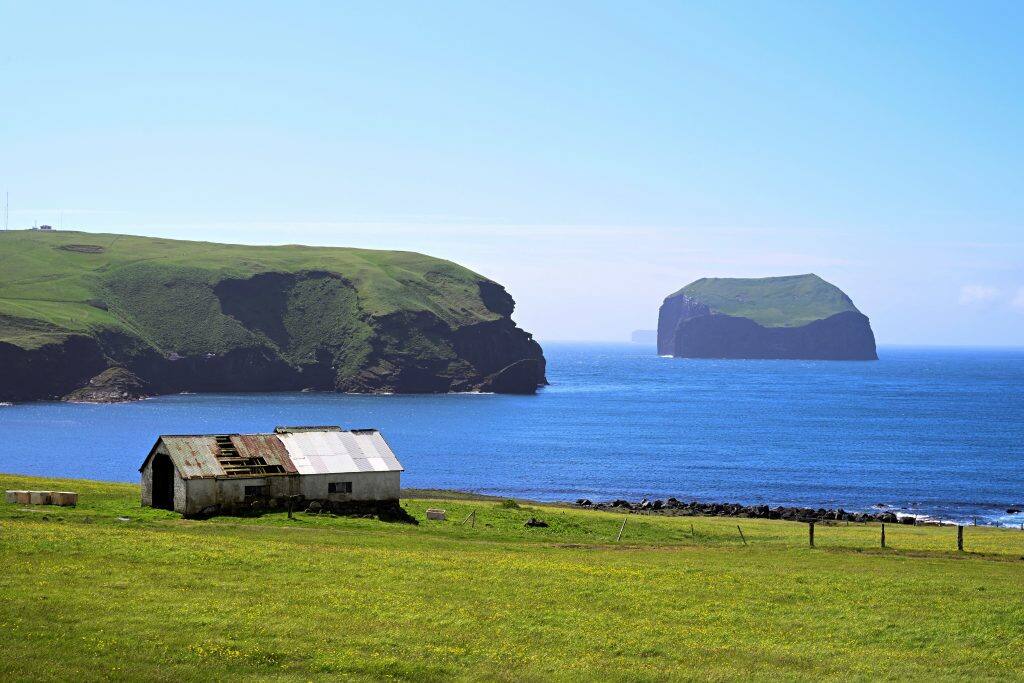
Talks eventually collapsed largely because of disputes over fisheries and sovereignty. The newspaper suggests some EU officials now believe Iceland could be more open to membership because of changing global trade and security dynamics. Fisheries are politically explosive in Iceland because fishing is a major export industry and tightly tied to national identity. Many Icelanders fear EU membership could weaken control over their waters.
Iceland is already part of the EU's single market, the Schengen open-border travel zone, and the European Free Trade Association. It is also a NATO member.
Why is this happening?
According to The New York Times, many of Iceland’s residents, who are usually fiercely independent, have warmed to the idea of joining the bloc. This is partly due to Trump’s repeated threats against Greenland and how he keeps mixing up the island nations.
According to the newspaper, Iceland is extremely reliant on the North Atlantic Treaty Organization for its security. In the backdrop of Russia invading Ukraine and Trump being an unreliable ally at best, it makes sense why Iceland is looking to further shore up its financial and political position.
According to Al Jazeera, Iceland and Norway are among the states that have been discussing whether they could become more exposed during the Trump era. Trump’s tariffs are also part of the reason why Iceland is looking towards the EU. The Week reported that policymakers in Reykjavík are increasingly concerned about becoming economically exposed in today’s fast-changing world.
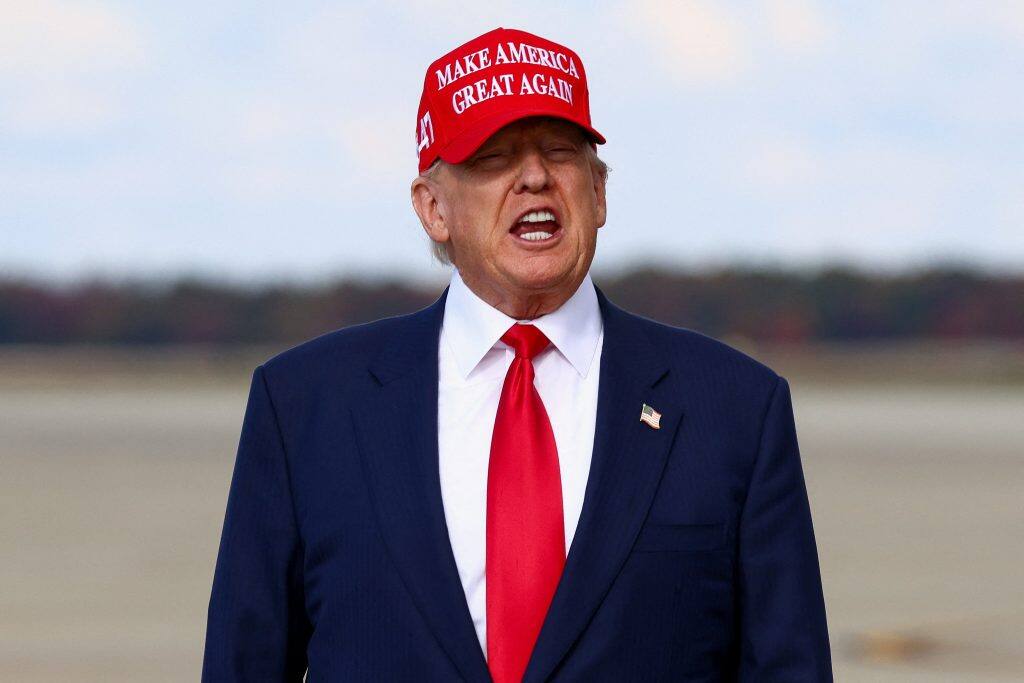
Earlier this year, Iceland Prime Minister Kristrun Frostadottir, during a visit to Poland, announced that Iceland would hold a referendum in the coming months about restarting talks to join the EU. “In the coming months we are going to have a referendum on opening up the negotiations, the accession negotiations for Iceland to possibly join the EU,” Frostadottir told a joint press conference with Polish Prime Minister Donald Tusk. Frostadottir said reopening the talks was about “opening an opportunity” for Iceland and pursuing better integration for the country in Europe.
Frostadóttir in February told the newspaper Trump’s hostility towards Greenland and his desire to take it over, by force if needed, “hit a nerve” among referendum voters. “Things have definitely shifted,” Frostadóttir said in a new interview today (May 26).
Opinion polls have shown that the rise in the cost of living and the war in Ukraine have also helped rekindle the island nation’s interest in joining the bloc. Iceland's centre-left government, which came to power after a snap election in 2024, had promised to hold a referendum no later than next year on restarting talks with the EU.
What’s the reaction on the ground?
People in Iceland definitely seem ready to pull for the EU membership. “People feel that they might be forced to pick a side,” Eiríkur Bergmann, a politics professor at Bifröst University in Iceland, told The New York Times. “And then there is really only one side to pick.”
Magnús Tryggvason, who lives about an hour away from Iceland’s capital of Reykjavík, told the newspaper that he plans to vote “yes” in the referendum. “See what’s in the package,” he said. “Then people can decide.”
The referendum will be held on August 29, 2026. However, it is important to note that if the vote goes through, this would only allow for negotiations to be reopened with the European Union. The talks could last years, and then another referendum would be needed on whether Iceland actually wants to join the EU.
Iceland's Foreign Minister Thorgerdur Katrin Gunnarsdottir earlier this year said she thinks her country could join the European Union by 2028. She added that she expects fisheries and agriculture to be the toughest points of negotiation. “We have seen that it's beneficial to have a voice at the table,” Gunnarsdottir said in an interview in Brussels.
“Should you choose to pursue EU membership, Iceland would certainly be a frontrunner in this process,” EU foreign policy chief Kaja Kallas said.
FAQs
1. Why is Iceland reconsidering joining the EU?
Security concerns, including Russia’s invasion of Ukraine and uncertainty around US policy under Donald Trump, have pushed Iceland to rethink its position.
2. What is the biggest obstacle to Iceland joining the EU?
Fisheries remain the biggest hurdle, as Iceland wants to retain control over its fishing waters and quotas.
3. What happens if Iceland votes ‘yes’ in the referendum?
A ‘yes’ vote would only restart accession talks with the EU. A final decision on joining would require another referendum later.
With inputs from agencies

Military drones & police check-ups: How Sri Lanka is fighting against worst dengue outbreak in a decade
How Facebook job ad lured 2 Karnataka men into Myanmar cyber scam camp
Why is India seeing 95% cloud cover despite a Super El Niño?
What is CJP’s fourth demand to the government as protests in Delhi intensify?
The new geography of war: Why the Houthis can no longer be ignored