


Why Bitcoin, not gold, is surging ahead amid Iran war
Bitcoin has outperformed gold, the S&P 500 and the US dollar, among other leading assets, since the war began on February 28, with Israel and the United States conducting an airstrike that killed Iran’s late Supreme Leader Ayatollah Khamenei

Bitcoin has been doing well since the beginning of the Iran war.
The cryptocurrency has outperformed gold, the S&P 500 and the US dollar among other leading assets since the war began on February 28, with Israel and the United States conducting an airstrike that killed Iran’s late Supreme Leader Ayatollah Khamenei.
But what do we know? Why is Bitcoin surging ahead amid the Iran war?
Let’s take a closer look.
How Bitcoin is performing
Bitcoin, which hit a peak of around $126,200 (Rs 1.17 crore) in October 2025, had been having a rough few months. Prior to the war beginning, Bitcoin fell to roughly half that level, about $63,000 (Rs 58.23 lakh) in the early months of 2026.
 More from Explainers
However, Bitcoin has since staged a remarkable comeback. Just this week, the cryptocurrency hit the $74,000 mark (Rs 68.40 lakh). In all, it is up roughly 15 per cent since the beginning of the conflict.
Investopedia quoted data from Farside Investors showing that net inflows into Bitcoin ETFs, including iShares Bitcoin Trust (IBIT) and the Fidelity Wise Origin Bitcoin Fund (FBTC), totaled about $1.1 billion (Rs 10,167 crore) since February 28.
Meanwhile, more traditional asset classes such as the S&P 500 and gold have struggled by comparison. The former is down roughly 2–3 per cent amid investor worries about rising energy prices and geopolitical uncertainty, while gold has declined about 3–4 per cent.
Bitcoin has even outperformed other major cryptocurrencies including Ethereum, XRP and Solana, which are smaller than Bitcoin and do not have the same liquidity. Ethereum has risen roughly 10–13 per cent during the same period, while XRP and Solana have gained around 9–11 per cent.
Why Bitcoin is surging ahead of others
Experts say Bitcoin has certain built-in advantages over other asset classes during times of conflict.
“Crypto’s 24/7 structure is increasingly an edge for the asset class,” Gabe Selby, head of research at CF Benchmarks, told Fortune. “When the Iran conflict escalated over the weekend, crypto-native markets were the only venue open for global risk trading. This is a structural advantage that traditional markets cannot replicate.”
“Bitcoin is neither a pure safe haven nor a speculative anomaly—it occupies a flexible, contingent position that may shift based on crisis characteristics, investor sentiment, and geographic context,” authors of an academic study last year wrote.
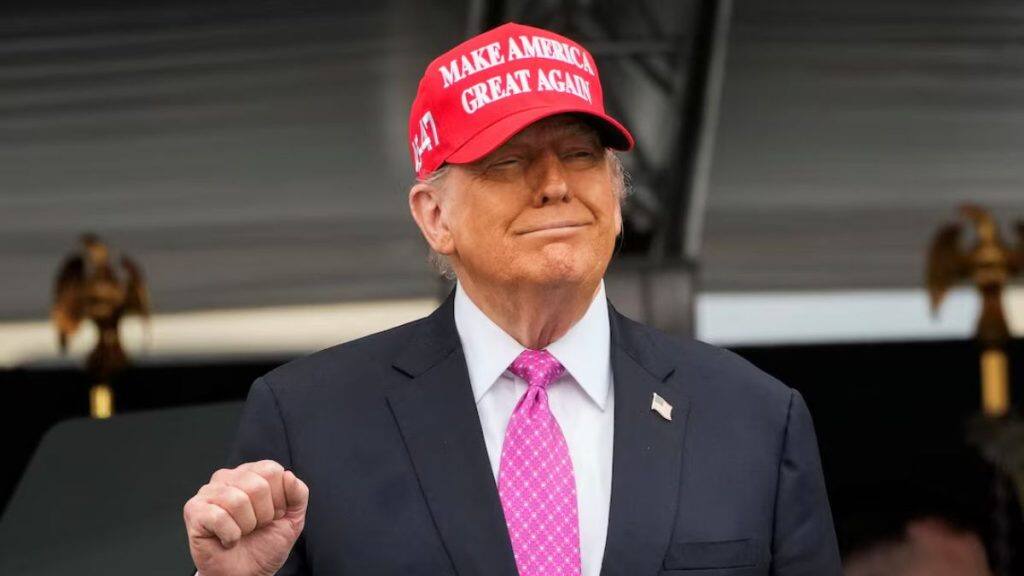
The price of Bitcoin may also be reflecting comments from US President Donald Trump—who has been a major booster of crypto since his return to office—that the Iran war is nearly over.

However, others claim that the Iran conflict has little to do with Bitcoin’s ascent.
Tim Sun, a senior researcher at crypto operator HashKey Group, told Decrypt: “The combination of high oil prices, weak growth, and deficit expansion means that future US fiscal pressure will only increase, eventually funneling back into liquidity issues.”
Sun also pointed to the exhaustion of selling pressure from “short-term emotional speculators,” leaving the market increasingly in the hands of medium- to long-term holders.
Some analysts believe there may still be room for more upside.
“Looking ahead from a technical perspective, Bitcoin is targeting a sustained move above the $72,000–$73,000 range,” Selby added. “A close above that level on strong volume would shift the narrative from a short squeeze to genuine momentum recovery.”
This shift is notable because gold is usually considered a safe-haven investment during times of war.
As Ray Dalio, founder of hedge fund Bridgewater Associates, said on a podcast last week: “Gold does well and the other things don't—generally speaking. Central banks are not going to want to buy bitcoin.”
However, analysts say the strengthening of the US dollar has dampened demand for gold. They also point out that rising oil prices can increase inflation, which makes it less likely that the Federal Reserve will cut interest rates. In such an environment, investors often move away from gold.
FAQs
1) Why has Bitcoin risen during the Iran war ?
Bitcoin has risen roughly 15 per cent since the conflict began on February 28, supported by renewed investor demand, inflows into Bitcoin ETFs and the cryptocurrency’s ability to trade 24 hours a day, unlike traditional financial markets.
2) Has Bitcoin outperformed other assets during the conflict?
Yes. Bitcoin has outperformed traditional assets such as gold and the S&P 500, both of which have declined slightly amid concerns about rising energy prices and geopolitical uncertainty.
3) Has Bitcoin beaten other cryptocurrencies as well?
Bitcoin has also outperformed several major cryptocurrencies, including Ethereum, XRP and Solana. This is partly because it is the largest and most liquid digital asset.
With inputs from agencies

Military drones & police check-ups: How Sri Lanka is fighting against worst dengue outbreak in a decade
How Facebook job ad lured 2 Karnataka men into Myanmar cyber scam camp
Why is India seeing 95% cloud cover despite a Super El Niño?
What is CJP’s fourth demand to the government as protests in Delhi intensify?
The new geography of war: Why the Houthis can no longer be ignored