


What is Vibrio vulnificus, the flesh-eating bacteria that killed 3 in the US?
Three residents in Connecticut and New York have died after contracting a rare flesh-eating bacteria found in seawater. Known as Vibrio vulnificus, it causes food-related illnesses and infections. One in five who contract it, die just a day after falling ill

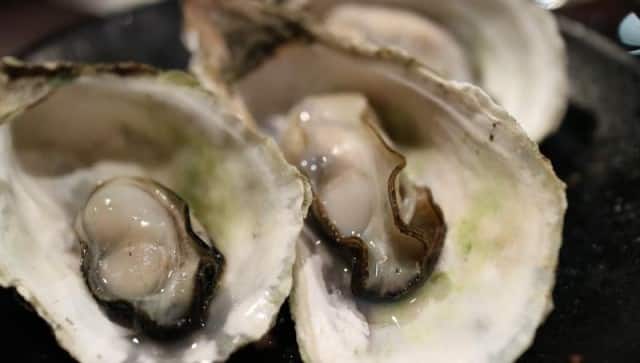
The third person was infected in July after consuming raw oysters from an out-of-state restaurant. Pixabay[/caption]The bacterium can result in potentially fatal wound infections. A wound infection from Vibrio can affect anyone. However, some people are more prone to contract an infection and experience serious side effects, such as those who have liver illness or take medications that impair the immune system.Also read: Deaths, blindness, and drug-resistant bacteria: Why India-made eyedrops are under scanner in the USSymptomsThe US Centres for Disease Control and Prevention (CDC) state that Vibrio bacteria, when consumed, can result in watery diarrhoea, which is frequently accompanied by nausea, vomiting, fever, and chills. These signs often appear within 24 hours of use and linger for around 3 days. Rare cases of severe disease often affect immune-compromised individuals.TreatmentThe infection is identified when Vibrio bacteria are discovered in a patient's blood, wound, or faeces after they exhibit vibriosis symptoms.In moderate cases, there is no need for treatment, but patients should drink enough of liquids to replenish the fluids lost via diarrhoea. Antibiotics are occasionally administered in severe or protracted diseases, despite the fact that there is no evidence to support this.It's quite rareOfficials in Connecticut claim that Vibrio vulnificus infections are extremely rare.In the state, just five occurrences were documented in 2020, and none in 2021 or 2022.The infections may have been caused by this summer's unusually high temperatures: "Given our current heat wave, this may be a time to exercise particular caution in what you consume," Juthani added.Vibriosis is thought to be responsible for 80,000 illnesses and 100 fatalities annually in the US, according to the CDC.Also read: What is listeria that has forced Cadbury to withdraw desserts in the UK?PreventionBy using the following advice, you can lower your risk of vibriosis:
- Eat no oysters or other shellfish that are uncooked or undercooked. Eat them after cooking.
- After handling raw shellfish, always wash your hands with soap and water.
- Keep raw shellfish and its juices away from cooked seafood to prevent contamination.
- Keep your wound covered with a waterproof bandage if there's a chance it might come into touch with salt water or brackish water, raw seafood, or raw seafood juices if you have a wound (including one from a recent operation, piercing, or tattoo). Fresh and salt water combine to form brackish water. It frequently occurs where rivers flow into the sea.
- If cuts or wounds have come into contact with raw seafood, seawater, or its juices, thoroughly wash them with soap and water.
- If you get a skin illness, let your doctor know if you've had contact with raw fish, raw seafood fluids, or salty or brackish water.

Military drones & police check-ups: How Sri Lanka is fighting against worst dengue outbreak in a decade
How Facebook job ad lured 2 Karnataka men into Myanmar cyber scam camp
Why is India seeing 95% cloud cover despite a Super El Niño?
What is CJP’s fourth demand to the government as protests in Delhi intensify?
The new geography of war: Why the Houthis can no longer be ignored