


235 dead, over 4,000 hurt: Inside the search and rescue ops after powerful quakes flatten Venezuela
A day after two powerful earthquakes brought down buildings and caused widespread damage, authorities and the public are digging through the rubble to help save lives. So far, over 200 people have died, with officials noting that the toll is expected to climb further. Countries from around the world are also rushing in aid to help in rescue and rehabilitation efforts

Building after building has collapsed. There are heaps and heaps of debris on the streets of Venezuela after two powerful earthquakes, a 7.2 and 7.5, struck the South American nation on Wednesday evening, killing at least 235 people and injuring more than 4,300 others.
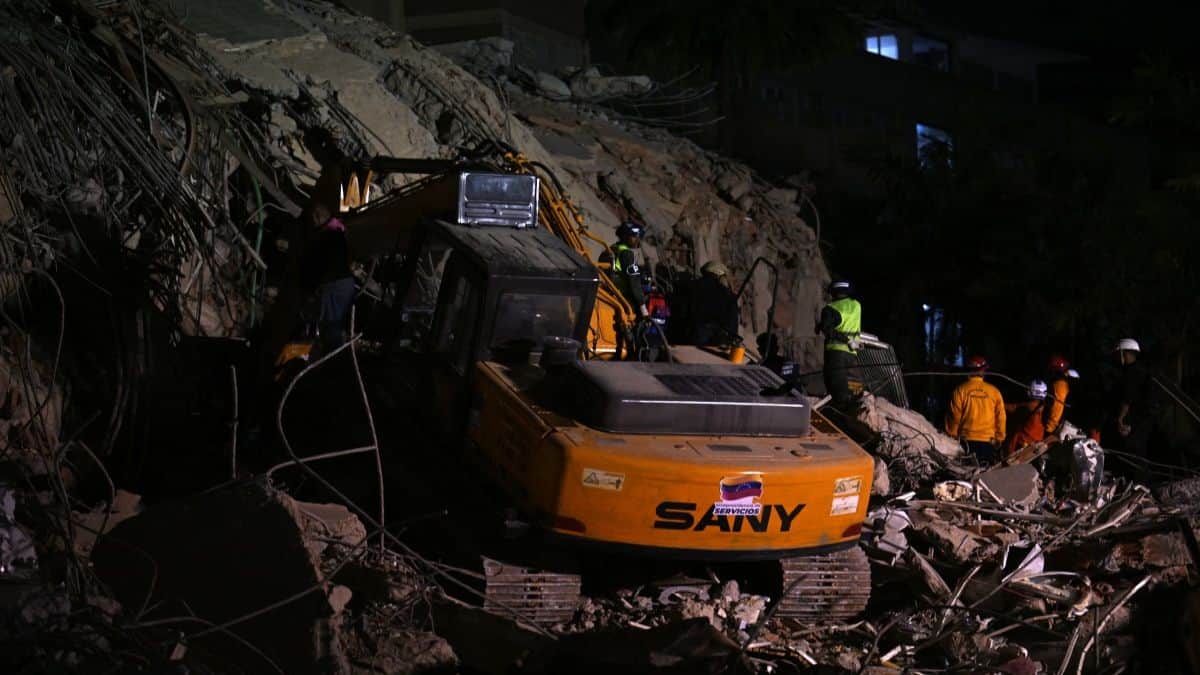
Amid these scenes of devastation, desperate Venezuelan search and rescue officials dig through the rubble to find and rescue loved ones.
The earthquake doublet is just the latest challenge for acting President Delcy Rodríguez, the former vice president who took office in January after Nicolas Maduro’s capture. Venezuela has been facing economic disarray for more than a decade, and the natural disaster is only expected to worsen the situation.
 More from Explainers
Quakes cause death and destruction across Venezuela
Amparo Díaz was at home in a fourth-floor apartment building in the Chacao municipality when a powerful tremor struck the area. “I thought I was going to die. I had to throw myself to the ground and pray to God because it was the only thing I could think of,” she told CNN, recounting that she felt the movement “like a roar.”
Somehow, she and the rest of her family managed to escape the building, where they saw cracks in some walls. They were also able to salvage a few belongings: cookies, water, and underwear — just enough to get them through the initial moments of the emergency.
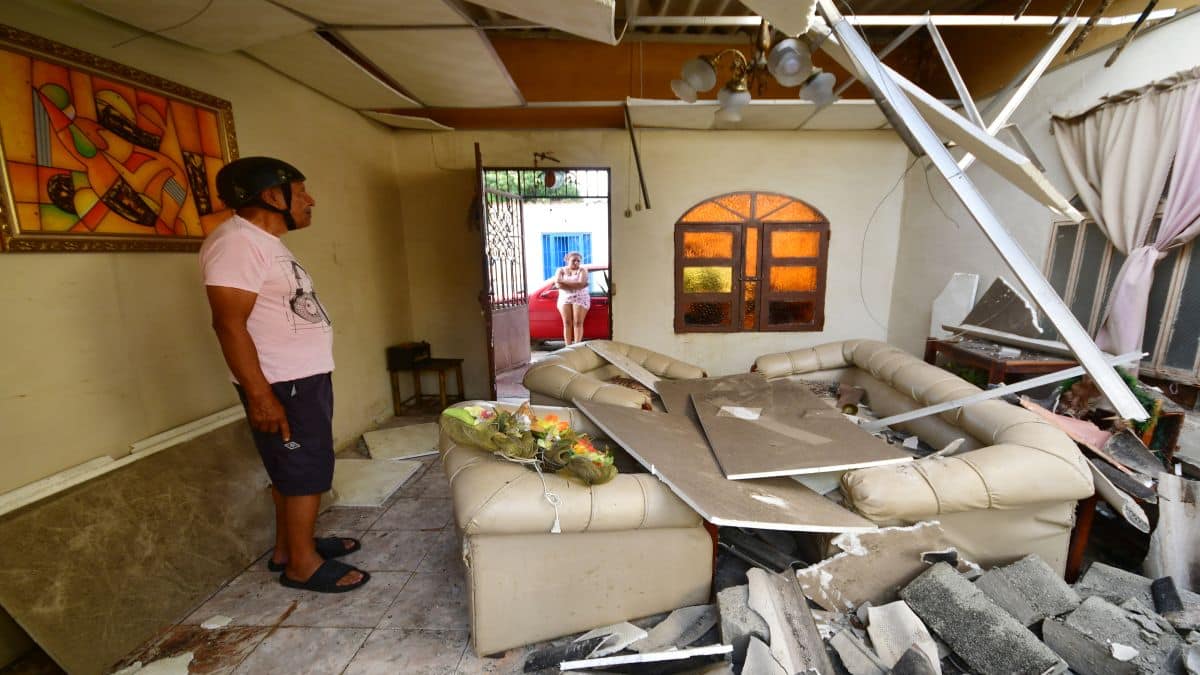
But not everyone was as lucky as Diaz. The quakes have already claimed the lives of 235 people, with officials noting that the toll is only expected to go higher.
Hours after the quake, images lay bare the extent of the damage caused by the quakes, with buildings reduced to rubble and roads showing deep cracks in them. According to an estimate by the United States Geological Survey, the powerful earthquakes could cause economic losses equal to as much as seven per cent of the country’s gross domestic product.
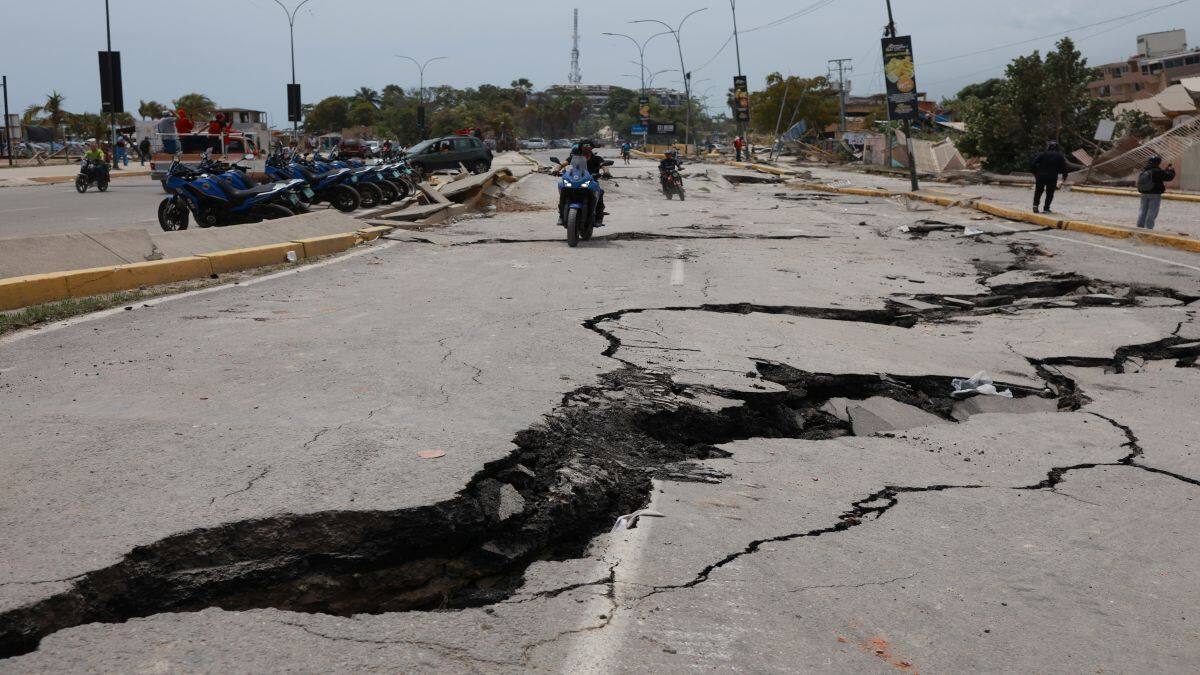
In La Guaira, one of the worst-affected areas, over 250 buildings have been damaged or lost, noted Jorge Rodríguez, the president of Venezuela’s National Assembly. Buildings were also brought down in the capital, Interior Minister Diosdado Cabello said, with Trujillo, Yaracuy, Carabobo, Aragua, and Miranda also affected.
Venezuela’s main international airport in Maiquetía on the outskirts of Caracas has also been closed due to serious damage, the country’s interim president said. Video from inside the terminal showed dust and debris falling from the ceiling.
Explaining why the damage has been so significant, Jesus Vasquez, a civil engineer in Caracas and director of the NGO Ciudadania Sin Limites, told Al Jazeera, “They are built on softer ground, on sediment deposited over time by rainfall. When there is ground movement, those sands and sediments move even more, which is where many of the impacts in Caracas have occurred. The soil there moves much more than areas built on rock.”
Search and rescue efforts try to pick up pace
Immediately after the two powerful quakes, Venezuelans began searching for survivors beneath collapsed buildings alongside rescue teams.
Visuals showed the injured being pulled out of the rubble, covered in dust and blood, among them children and animals. Venezuelan state TV showed dramatic images of rescues, including a woman who was trapped under a cement slab, with only a bare foot poking out, before crews managed to get her out alive.
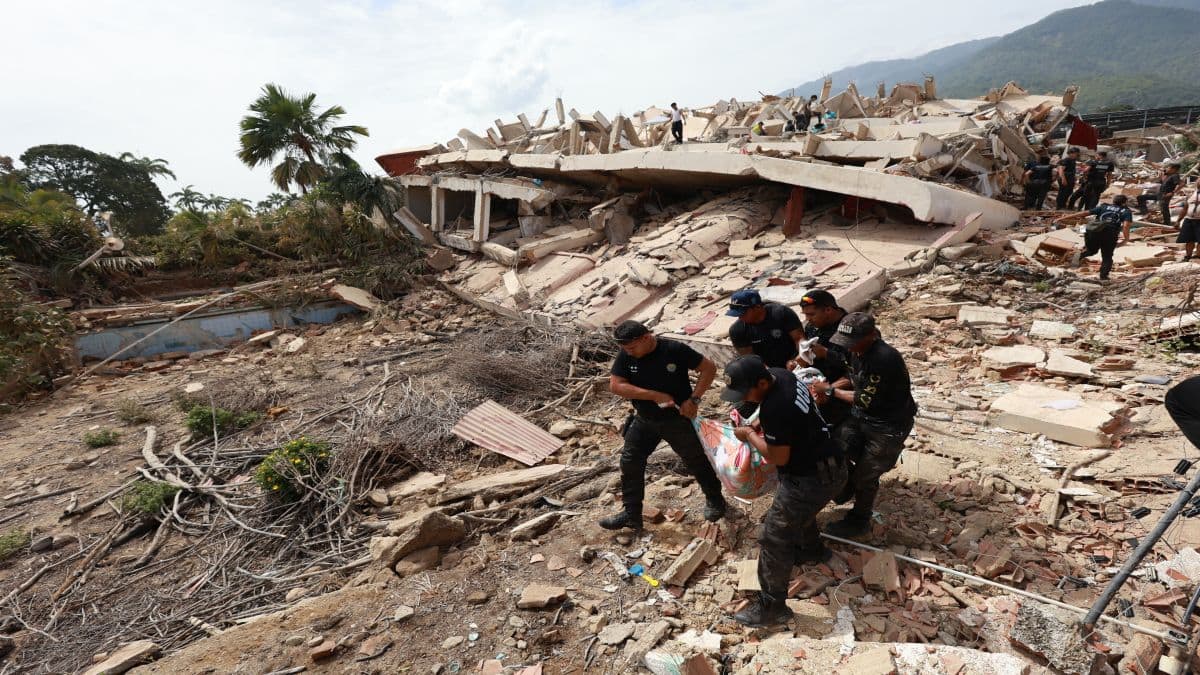
One of the most viral videos showed rescue workers pulling three children alive from the rubble, who were covered in dust in La Guaira state, where a large number of buildings were destroyed.
But many Venezuelans noted that the search operations were not quick enough. Dayana Delgado, a mother of three children, asked where the heavy machinery was that government officials had promised, pointing out that neighbours were the ones digging through the rubble. “I want to know where my child is, if he’s trapped or in a shelter,” she told the Associated Press of her eight-year-old son, who was missing.
In response to claims of the search operations being too slow, Venezuelan Interior Minister Diosdado Cabello urged citizens to trust the government. “We ask our people that, in the midst of this situation, we be able to organise ourselves in the communes, we be able to organise ourselves in all the structures we have to know who is missing, where they were, and so that we can do the rescue work with more precision,” he said.
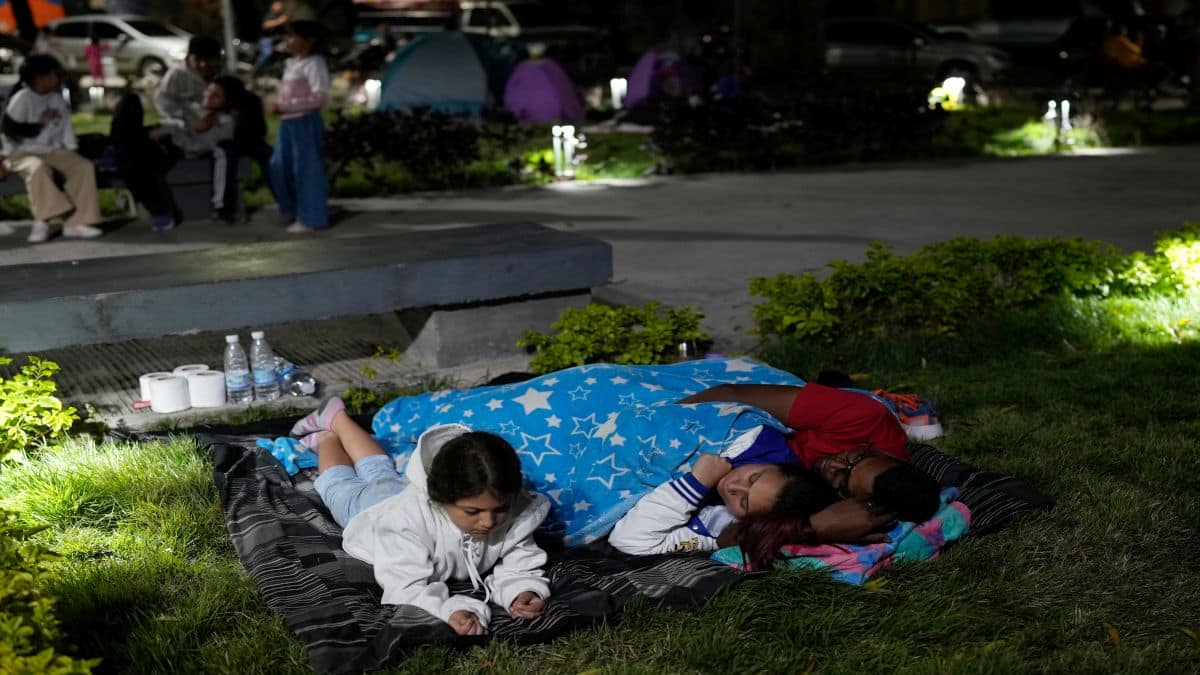
Meanwhile, hospitals were teeming with the injured, with family members trying to locate their loved ones. Outside Domingo Luciani Hospital in eastern Caracas, loved ones anxiously checked long lists of names posted on the wall of quake victims who had been admitted to the facility.
World rushes in aid
The powerful quakes in Venezuela have prompted the international community to step in, with governments and organisations sending aid in the form of cash and rescue teams.
The United States has said it is mobilising $150 million in humanitarian aid for Venezuela. It is also sending a disaster response team with two urban search-and-rescue units, while providing airlift, logistics, and coordination support to move personnel and life-saving supplies into affected areas. “That’s their most immediate need right now, search and rescue efforts,” said US Secretary of State Marco Rubio.
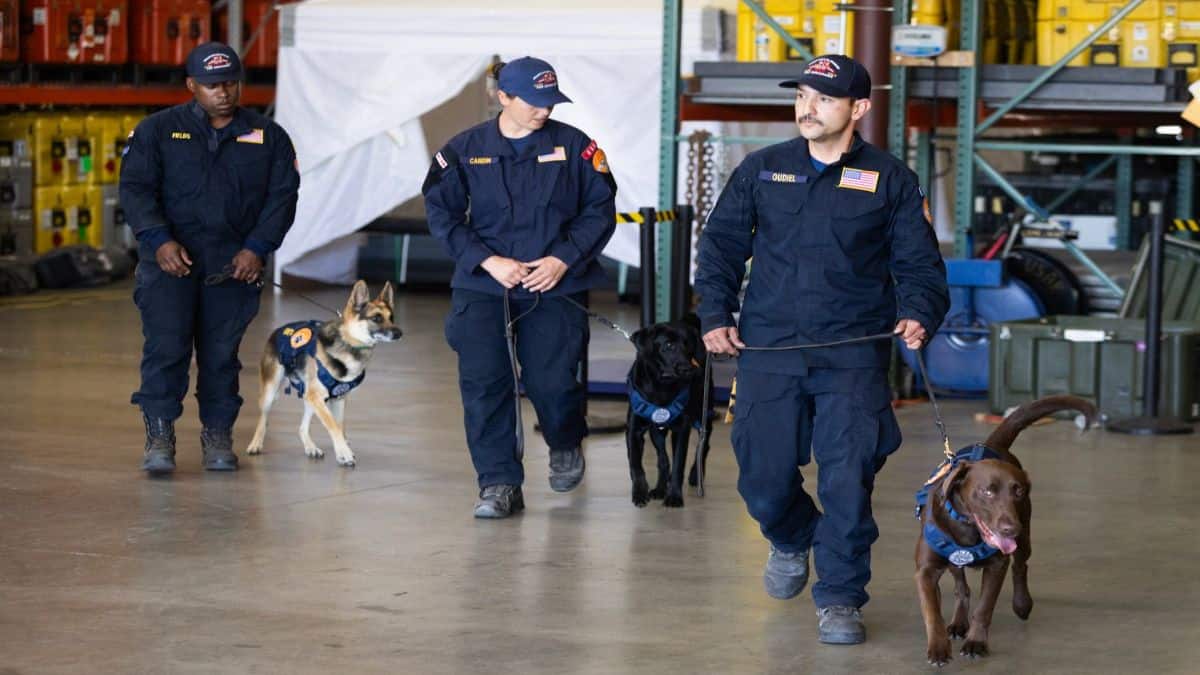
Latin American countries — El Salvador, Mexico, and Colombia — are also sending aid to the quake-hit country in the form of rescue workers and medical personnel.
While France is deploying an urban search-and-rescue unit to Venezuela, including medical teams, engineers, and dogs to help locate and extract survivors from collapsed buildings, Italy said it was sending an advance team to Venezuela, while Italian Foreign Minister Antonio Tajani said firefighters, the ministry of defense, and the air force were mobilising to offer help.
The International Federation of Red Cross and Red Crescent Societies (IFRC) added that it had released $2.5 million to support recovery efforts. While Pope Leo XIV sent an initial emergency aid of €100,000 ($114,000) to Venezuela, the Vatican announced.
For Venezuelans waking up to scenes of devastation, and in particular for the relatives of those buried under the rubble, the next few hours are crucial.
With inputs from agencies
Tags

Military drones & police check-ups: How Sri Lanka is fighting against worst dengue outbreak in a decade
How Facebook job ad lured 2 Karnataka men into Myanmar cyber scam camp
Why is India seeing 95% cloud cover despite a Super El Niño?
What is CJP’s fourth demand to the government as protests in Delhi intensify?
The new geography of war: Why the Houthis can no longer be ignored