


Venezuela hit by ‘doublet’: How South American country was slammed by 2 quakes just 39 seconds apart
Back-to-back earthquakes, measuring 7.2 and 7.5, hit Venezuela on Wednesday evening, killing more than 160 people and injuring nearly a thousand. Officials have declared a state of emergency as they continue search-and-rescue operations

Wednesday evening (June 24) turned into an evening of shock and despair after twin earthquakes, known as a doublet, struck Venezuela.
Buildings swayed, roads developed cracks, and people were seen running helter-skelter as two powerful tremors — one measuring 7.2 and the other 7.5 — struck near the capital, Caracas.
The twin quakes initially prompted the US Tsunami Warning Centers to issue an advisory of potentially dangerous waves for areas, including Puerto Rico and the Virgin Islands, but later cancelled it.
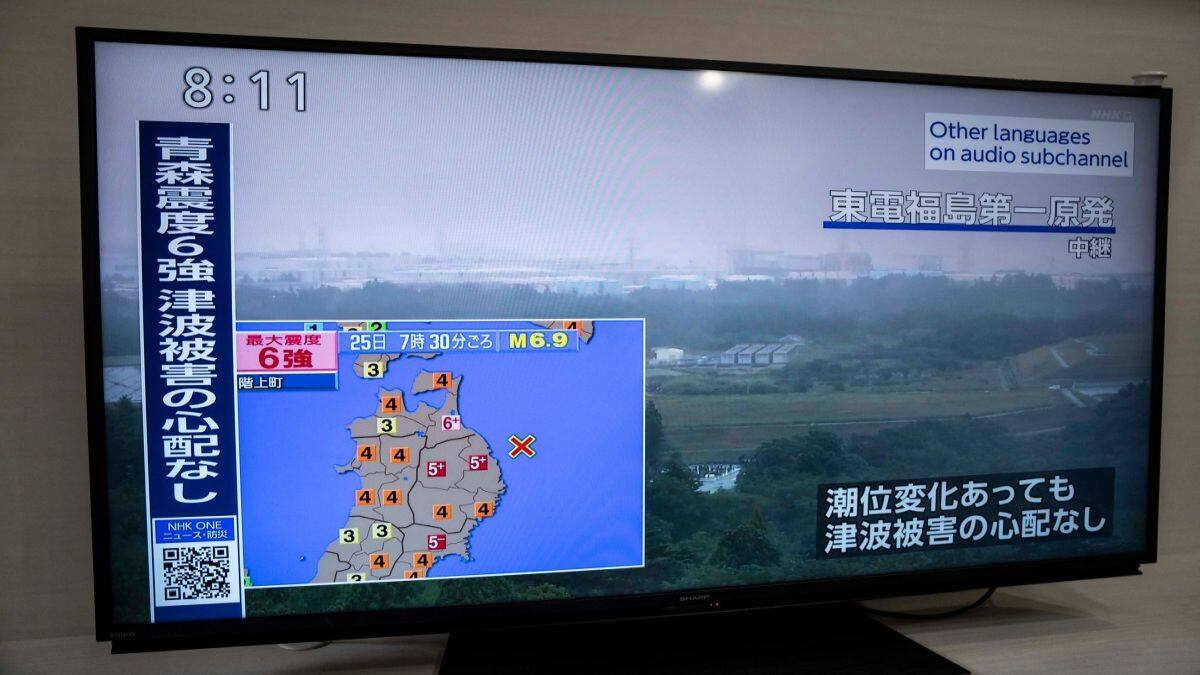
Meanwhile, a 6.9-magnitude earthquake hit northeastern Japan shortly after back-to-back quakes shook Venezuela, according to the United States Geological Survey.
 More from Explainers
- Catch live updates from the Venezuela earthquakes here
This also led some to ask: Are the quakes connected? We have the answer.
‘Doublet earthquake’ slams Venezuela
>> Around 6 pm on Wednesday, local time, a pair of earthquakes struck Venezuela, causing heavy damage.
> The US Geological Survey (USGS) noted that the first quake was centred 21 kms (13 miles) west of the coastal town of Moron, and struck at a depth of 13.2 kilometres. It was preliminarily reported as a 7.1 magnitude quake before being upgraded to a 7.2.
>> Less than a minute later, a second earthquake measuring at a magnitude of 7.5 struck just north of the first and was about 10 km deep.
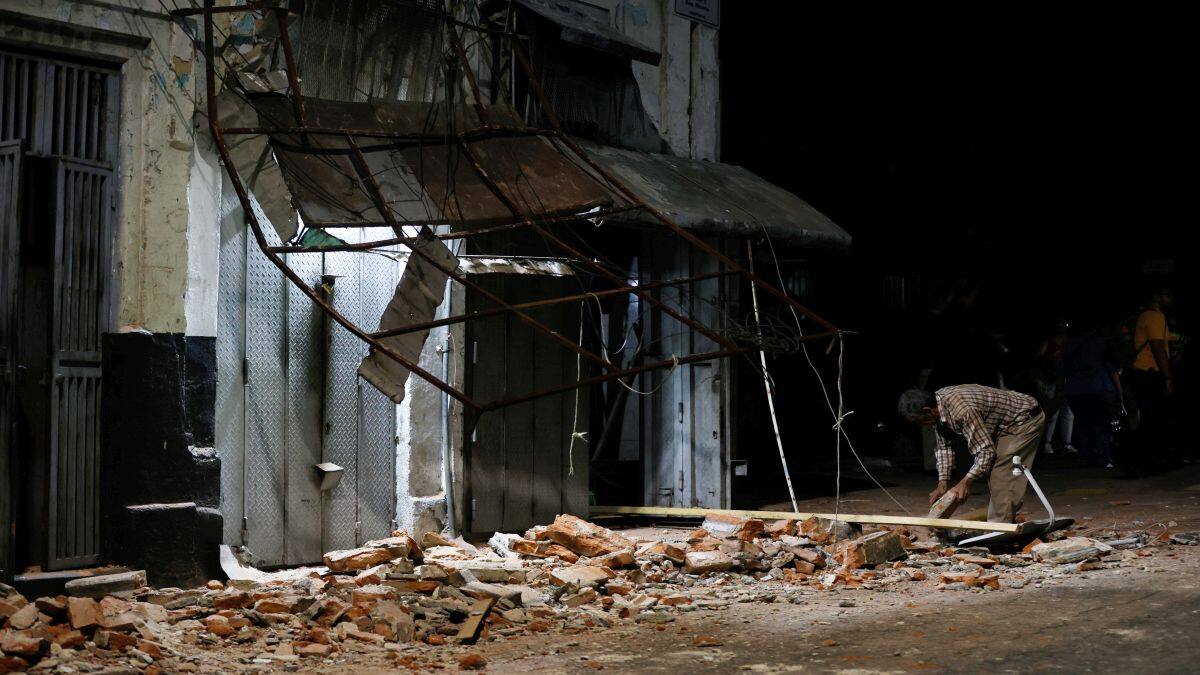
> “This earthquake was the second event in a doublet; the magnitude 7.5 mainshock was preceded just 39 seconds before by a 7.2 foreshock,” the USGS said.
>> A doublet earthquake is described in which two large earthquakes of nearly similar magnitude occur in the same region within a very short period of time. The Seismological Society of America notes that earthquake doublets are rare and occur when stress released by a first rupture rapidly transfers to a neighbouring fault segment, triggering another large rupture before the crust has time to stabilise.
Damage and destruction from twin quakes in Venezuela
>> The USGS has stated that the twin shocks will result in “high casualties and extensive damage”. According to the agency, the death toll would most likely range from 10,000 to 100,000.
>> Hours after the quake struck, the death toll has been pegged at 164, with another 970 being hurt. This number is expected to rise as authorities hunt for survivors amid the rubble.
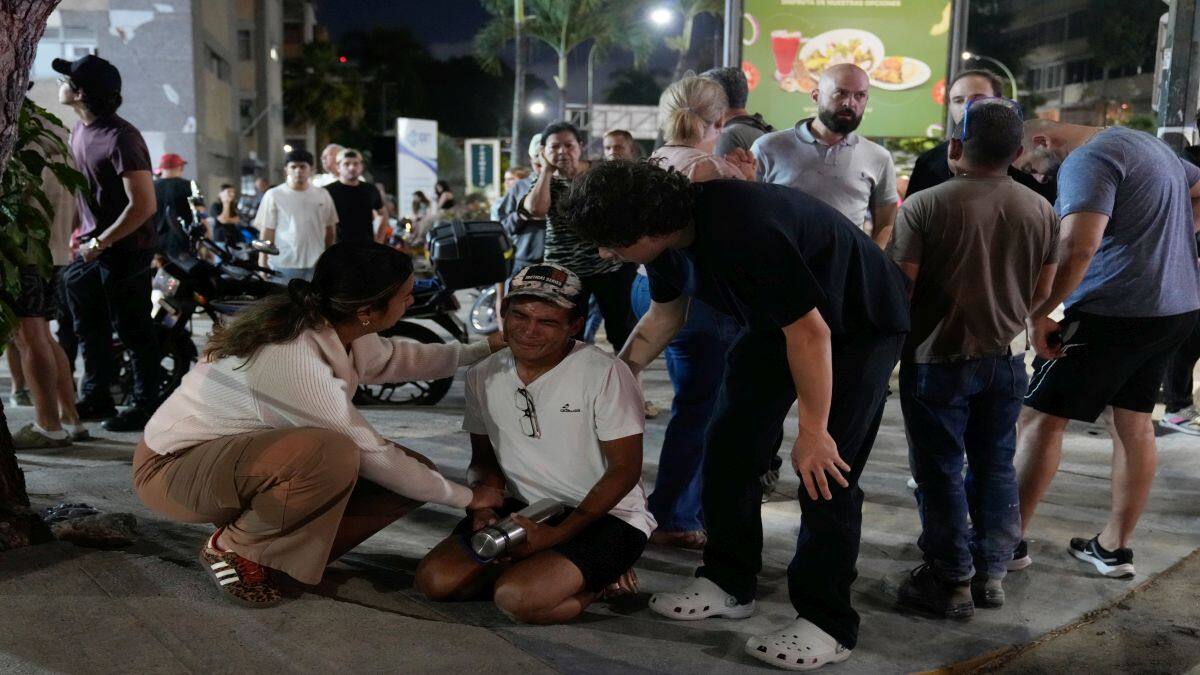
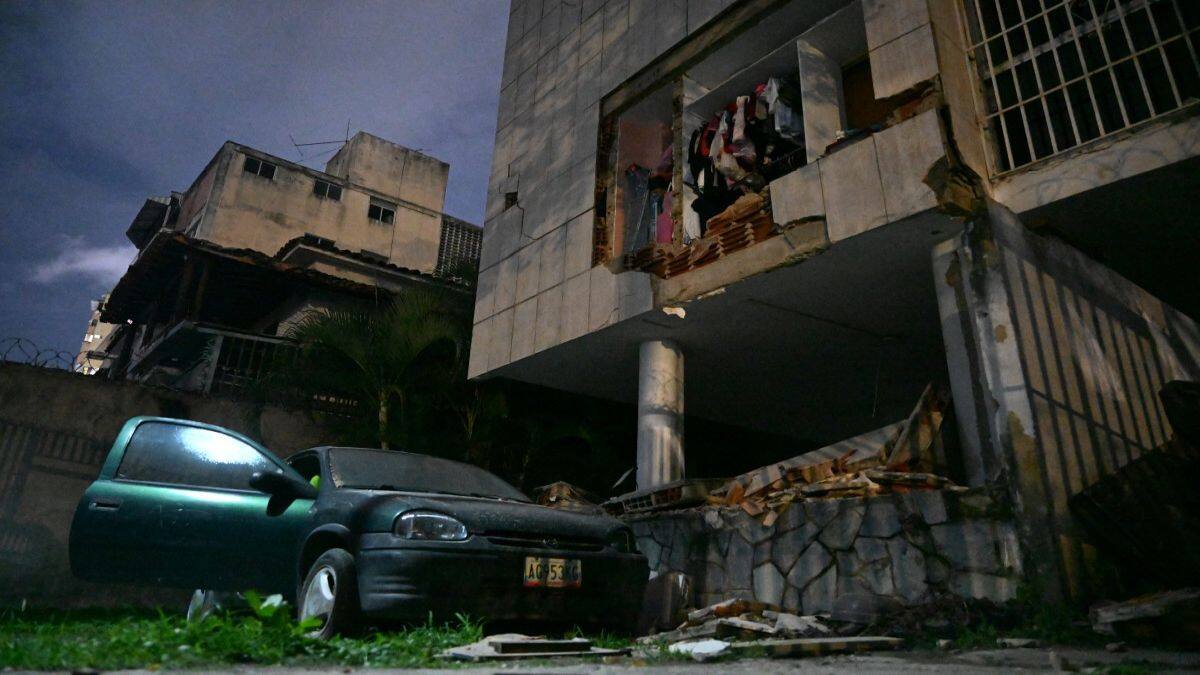
>> The damage is widespread. “We have buildings, homes, and houses which have collapsed, and we are taking care of things with everything we have available in terms of security, civil assistance,” said Interior Minister Diosdado Cabello on state television.
>> Cabello added that the quake could be felt in several states, adding that the Altamira neighbourhood in Caracas had “alarming situations” with collapsed homes and buildings. He urged people to remain outside as aftershocks could further damage some structures.
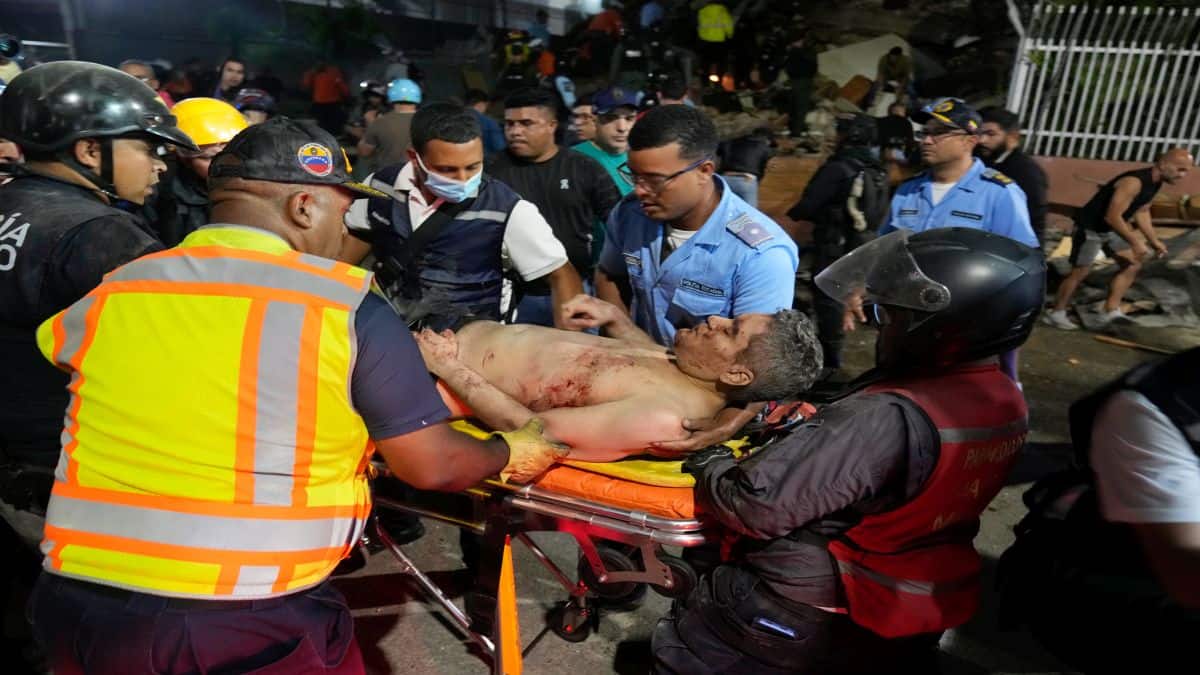
>> “We understand that some people may be desperate, but we are acting according to protocols to activate aid and rescue efforts to help those who need it most,” Cabello said on state television. “Be very careful with children and the elderly; call each other and check that no one has been harmed.” He also urged people to remain outside as aftershocks could further damage some structures.
>> Residents spoke of the quakes as they sat outside their destroyed homes on the streets. As Caracas resident Roberto Damas told The Guardian, “The building really shook from side to side. Unreal. The force was incredibly strong. “We were walking, and it was tossing us around. Everything in the apartment fell. Well, thank God we were able to get out.”
>> BBC Mundo contributor Nicole Kolster said that she was on the seventh floor of an apartment building in Palos Grandes, central Caracas, when the earthquake began. “I saw the windows moving and the only thing I could think to do was to get between the front door and a stone wall, which in my judgement is quite strong, to try to protect myself,” Kolster recounted. She stayed there “for quite a while,” until she heard neighbours shouting for everyone to go down to the street. “I thought the building was going to fall on top of me,” she said.
>> The twin quakes briefly triggered tsunami advisories in Puerto Rico and the Virgin Islands, according to the National Weather Service’s US Tsunami Warning System. Those advisories were later cancelled. “Based on all available data, there is a tsunami threat to Puerto Rico and the Virgin Islands of sea level fluctuations and strong ocean currents that could be a hazard along coasts, beaches, in harbours and in coastal waters,” the weather service had said initially.
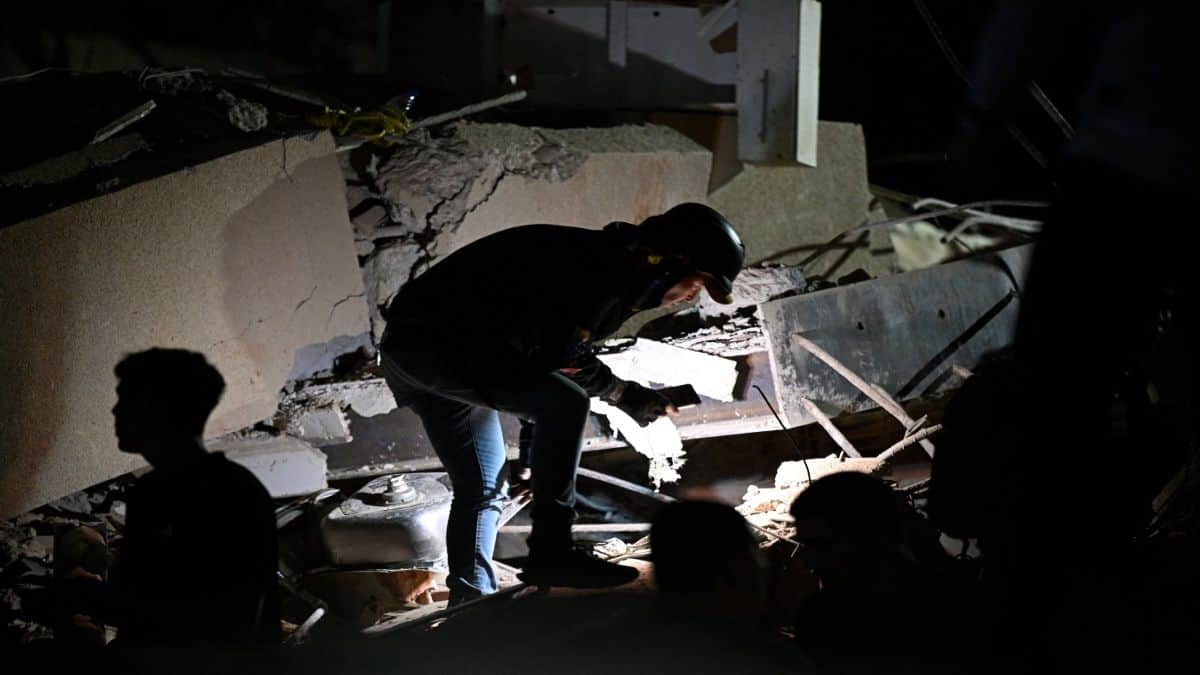
>> Shortly after the quakes struck, Venezuela’s interim leader, Delcy Rodríguez, declared a state of emergency. Appearing on state television, she extended her condolences to the families of those killed. She stated that the Simon Bolivar Airport in Maiquetia, near Caracas, is closed because of damage.
>> Rodríguez said that besides the capital, Caracas, the worst-affected regions were the states of Miranda, La Guaira, Aragua, Carabobo, and Falcón. She also added that train and metro services would be halted temporarily. Additionally, classes would be suspended for the remainder of the week.
>> Meanwhile, the US embassy in Caracas has urged people to “avoid damaged areas and do not enter damaged buildings”. It further added that people should monitor local media for updates and “seek secure shelter”.
>> A US State Department official noted that the US would be providing assistance for Venezuela. Under Secretary of State for Foreign Assistance Jeremy Lewin wrote on X, “The US will be sending search and rescue teams, medical and humanitarian supplies and other resources in the crucial first days after this tragic natural disaster.”
>> Ousted President Nicolas Maduro also sent a message of solidarity from a US prison following the quakes. “Today, there is only one message: maximum unity, maximum solidarity, and maximum action. Let no one be left alone, let each community take care of their children, their grandparents, their sick,” said Maduro in a Telegram post, urging people to support the work of rescue and medical teams.
Earthquakes — a rare occurrence in Venezuela
>> Wednesday’s doublet earthquake is rare in Venezuela. While the country sits near multiple fault lines, its position straddling the South American and Caribbean plates makes earthquakes much less common than in other parts of Latin America.
>> The quakes in Venezuela are the largest to strike the country and the strongest in over 125 years.
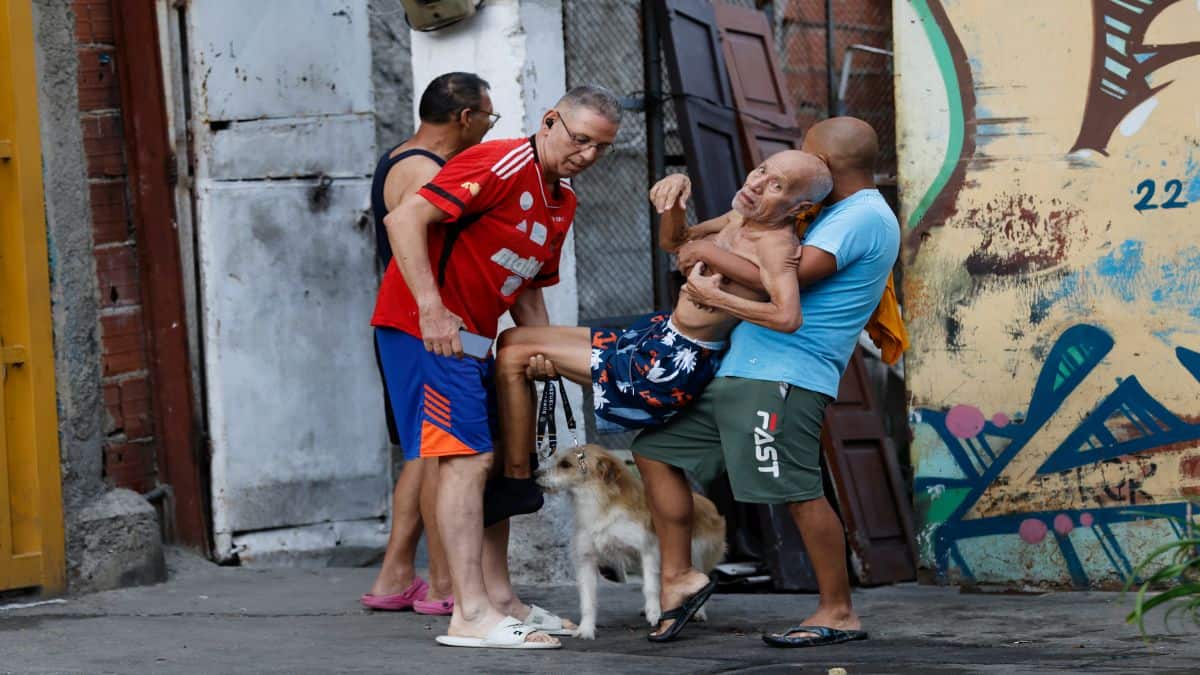
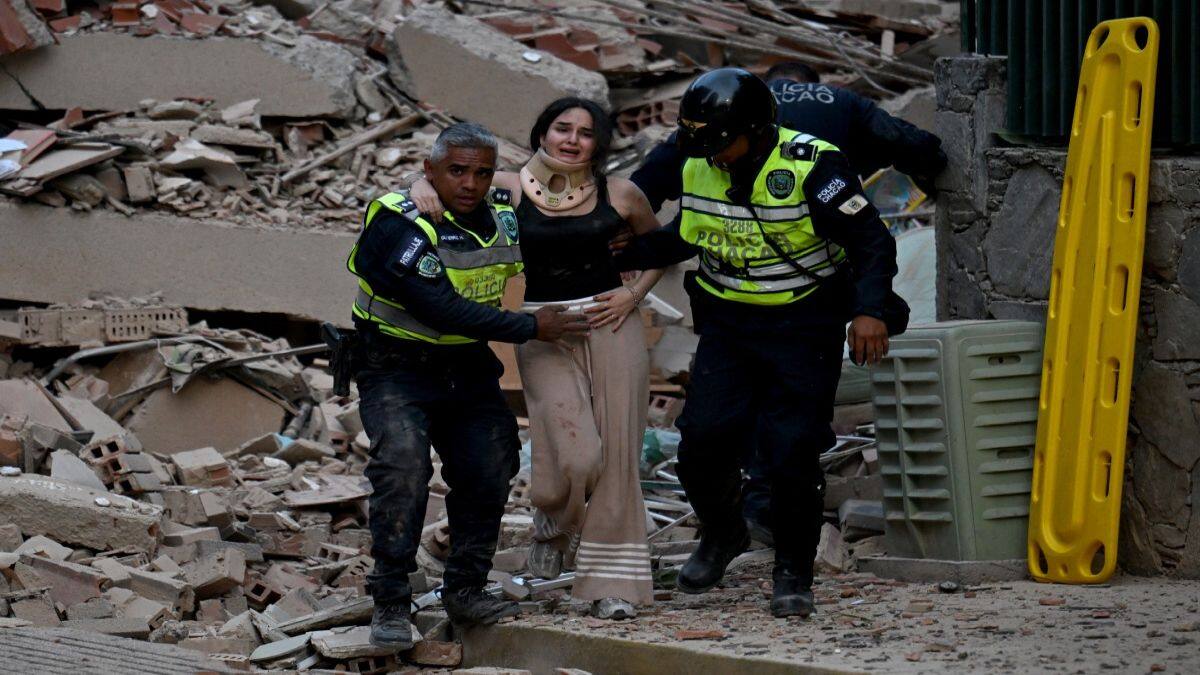
> The quakes on Wednesday also evoked memories of the one struck in 1967. Maria Romero, an 80-year-old pensioner on the south side of Caracas, who was helped out of her building by police, was quoted as saying, “This earthquake was horrible, even worse than the one in 1967.”
>> That quake, which was centred in Caracas, lasted only for 35 seconds but caused unprecedented damage. The main quake was followed by several aftershocks of lower intensity. The earthquake caused nearly 300 deaths and injured more than 1,500. The cost of the damage was pegged at $140 million.
Japan struck by 6.9 quake
>> Miles away from Venezuela, northern Japan was slammed by a 6.9-magnitude earthquake, with its effects being felt even in Tokyo.
>> The quake struck at a depth of 50 kilometres, the Japan Meteorological Agency (JMA) said.
>> Authorities reported no casualties and issued no tsunami warning. While no major damage was also reported, some Shinkansen bullet train services were suspended after the quake struck off Iwate prefecture on Japan’s main island of Honshu.
>> When asked if the quakes in Venezuela and Japan were linked, Caltech seismologist Dr Lucy Jones told CNN no. She noted that the temblors occurred on separate fault systems and plate boundaries, adding that large quakes occurring miles away do not increase the likelihood of another quake elsewhere.
With inputs from agencies
Tags

Military drones & police check-ups: How Sri Lanka is fighting against worst dengue outbreak in a decade
How Facebook job ad lured 2 Karnataka men into Myanmar cyber scam camp
Why is India seeing 95% cloud cover despite a Super El Niño?
What is CJP’s fourth demand to the government as protests in Delhi intensify?
The new geography of war: Why the Houthis can no longer be ignored