


Did US Supreme Court just make Trump the most powerful president?
Monday (June 29) was a big day for Donald Trump in the US Supreme Court. The justices handed him a huge win by empowering him to fire officials of independent agencies, overturning 91 years of precedent. However, the top court did lay out one exception: the Federal Reserve. The court blocked the US president’s bid to fire the Fed’s board member Lisa Cook

US President Donald Trump had a big, big day in the US Supreme Court on Monday (June 29). The top court made Trump the most powerful figure to govern the United States in generations, but also dealt the US president big blows.
On Monday, the US Supreme Court handed him – and all future presidents – the power to fire leaders of independent agencies or commissions, overturning 91 years of court precedent curbing executive power.
But at the same time, the top court rejected his attempt to fire Federal Reserve board member Lisa Cook while she fights the president’s effort to fire her over allegations of mortgage fraud, which she has denied.
But beneath these big rulings, Trump was delivered another blow by the court when it declined to take up the president’s appeal in the E Jean Carroll case. With no further explanation provided, the court declined to review the $5m civil judgment against Trump that was the result of a 2023 jury finding that the US president had defamed Carroll, a former magazine writer who accused him of sexually assaulting her in a department store dressing room in the 1990s.
 More from Explainers
We explain it all.
Supreme Court cements Trump’s power over agencies
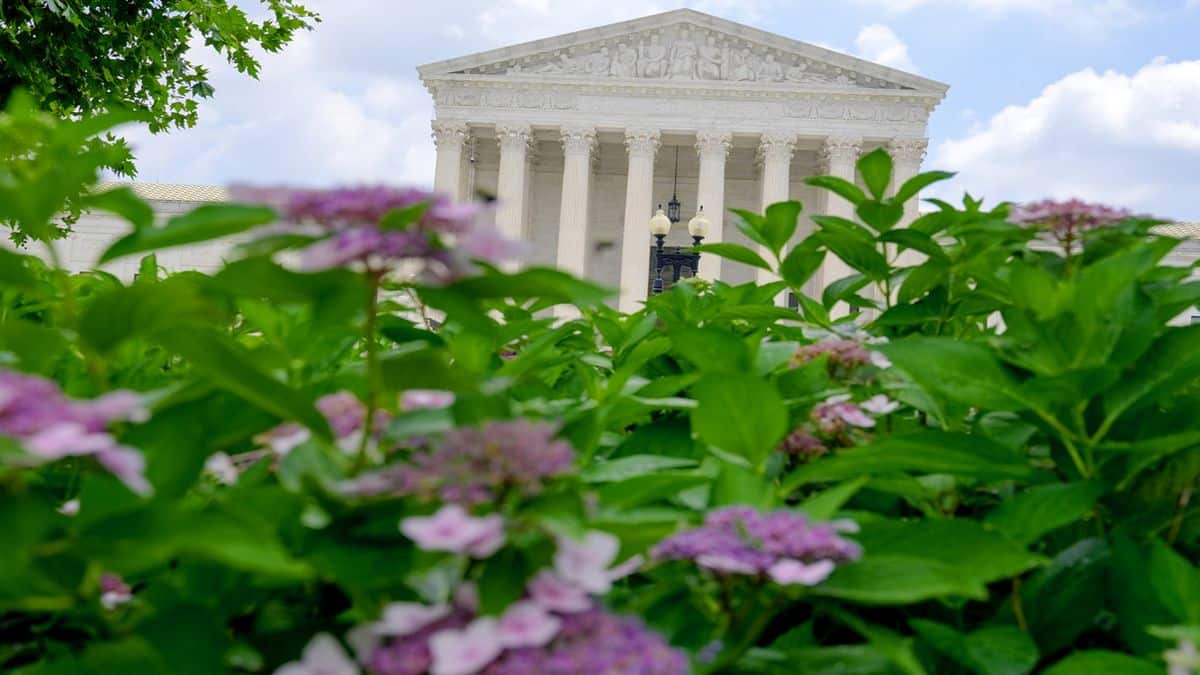
The US Supreme Court, on Monday, overturned a 91-year-old precedent that prevented presidents from removing members of independent agencies at will. This decision is a huge win for the Trump administration and a major expansion of the president’s control over parts of the government once seen as a check on his powers.
In a 6-3 ruling, the court found that Trump’s March 2025 firing of Federal Trade Commissioner Rebecca Kelly Slaughter without cause was lawful.
Since the creation of the Federal Trade Commission (FTC) in 1914, Congress has held that commissioners can only be fired for “inefficiency, neglect of duty, or malfeasance in office”. Slaughter was presented with no such reason for her removal, only told her “continued service on the FTC is inconsistent with [the Trump] Administration’s priorities”.
A lower court had then found her firing unlawful, citing the landmark 1935 decision Humphrey’s Executor. The court unanimously held that while the president has the power to remove purely executive officers for any reason, that unlimited power does not extend to agencies like the FTC, whose duties, the court found, “are neither political nor executive, but predominantly quasi-judicial and quasi-legislative”.
However, on Monday, Chief Justice John Roberts wrote for the court, “We hold that such protection from removal is contrary to the separation of powers enshrined in the Constitution.”
“Although it is up to the Senate to decide whether to confirm those with whom the president would prefer to work, neither Congress nor the courts may saddle him with those with whom he cannot work. Subordinates who exercise the president’s power are subject to removal by him. Then, and only then, can they remain accountable to the president, and the president to the people,” wrote Chief Justice John Roberts in the judgment.
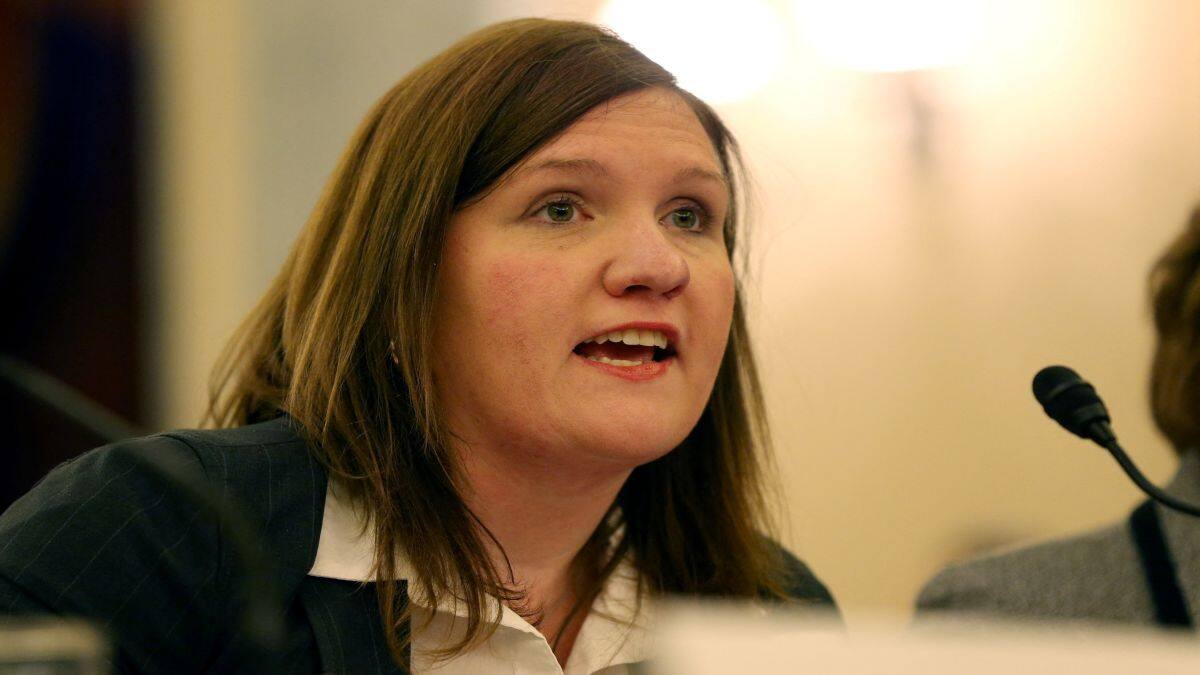
However, Justice Sonia Sotomayor called the decision “grievously wrong”, arguing that the majority had upended settled constitutional law in a ruling that, she wrote, “promises to unleash only chaos”.
“Today, the court discards that democratic regime in favour of one that distorts the structure of government to fit the majority’s theory of unitary, total executive control. The result is a president who emerges with far greater power than ever before,” she wrote.
Now, through this ruling, Trump will be able to exert further power on other agencies such as the National Labor Relations Board, the Merit Systems Protection Board, and the Consumer Product Safety Commission, where Trump has also fired board members.
Trump voiced his support for the decision, writing on Truth Social, “It is such an honour to be the sitting President who won this historic and unprecedented ruling, one of the most important ever given with respect to presidential powers.”
Lisa Cook to stay on at the Federal Reserve
While the US Supreme Court supercharged Trump’s presidential powers, it rejected his attempt to fire Federal Reserve board member Lisa Cook.
In a 5-4 vote, the top court rejected the Trump administration’s effort to have Cook removed from her job now.
Writing for the 5-4 majority, Chief Justice John Roberts said that the Fed is different from other government agencies because it is a “uniquely structured ... entity that follows in the distinct historical tradition of the First and Second Banks of the United States.”
Therefore, the president cannot fire members of the Fed board at will; they can only be fired for cause. And because there have been no lower court findings on Trump’s allegations of wrongdoing against Cook, the case will now return to the lower courts for further examination. Meanwhile, Cook will remain on the Fed Board.
“Under our precedents, Cook was entitled to notice and some opportunity to respond prior to her termination. That comes down to the words Congress chose, first in 1913, and then again in 1935,” Roberts wrote. “Of course, that is not to say that a Federal Reserve Governor is entitled to an audience with the President or a full-blown judicial trial.”
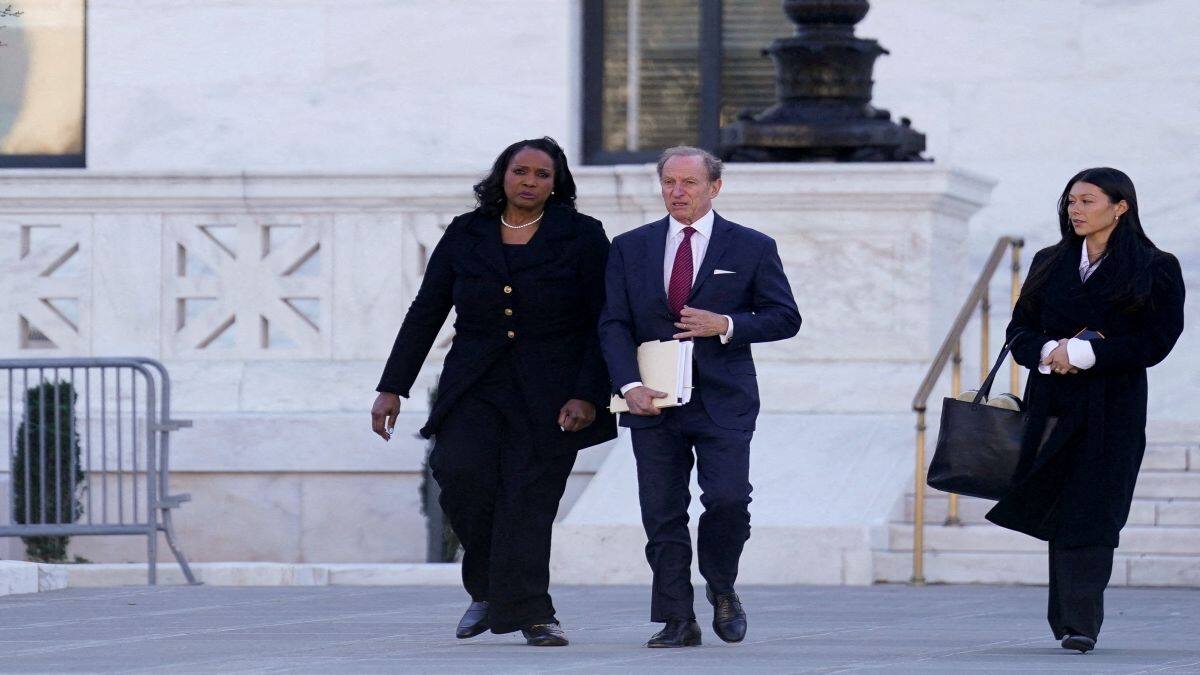
Justice Brett Kavanaugh, in a concurring opinion, noted that if the court permitted Trump to fire Cook for now, it would leave unanswered the question of whether the nation’s central bank is a truly independent body. “Leaving that question open would create significant uncertainty about whether the Court might soon eliminate the Federal Reserve’s independence, and thereby expose the Federal Reserve to political influences and jeopardise the efficacy of US monetary policy,” Kavanaugh wrote. “Even temporary uncertainty about the status of the Federal Reserve could spark … turmoil in the US and world economies.”
However, the court did state that nothing stops the US president from “trying again” to fire her, provided she is given proper notice and a chance to contest it.
And it seems that Trump is going ahead in that direction. Taking to his favourite medium of communication, Truth Social, he wrote, “We will take appropriate action immediately to make sure that someone who has committed wrongdoing will not be making vital decisions concerning the welfare of the United States of America!”
Trump has claimed that Cook falsified documents to obtain loans on two different properties she listed as her primary residences, charges that she has vehemently denied, with her lawyers accusing the Trump administration of “cherry picking” from her mortgage applications to make perfectly legal mortgage documents seem somehow nefarious.
Mail-in ballots to remain
Trump received another blow from the US Supreme Court when the justices upheld state laws that count mail-in ballots that arrive after Election Day.
The court rejected the US president’s argument that the practice runs afoul of federal laws setting the November Election Day. Trump has repeatedly and falsely equated mail-in balloting and lengthy vote counts with “cheating,” even though he has voted by mail several times.
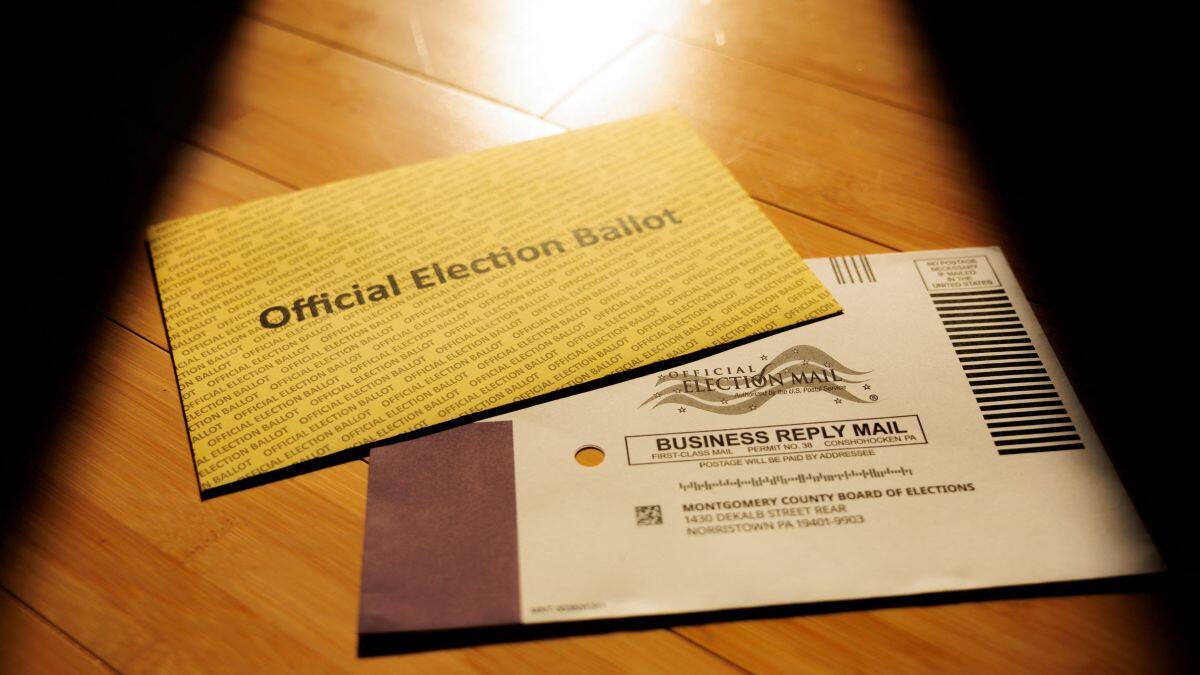
The court’s ruling was 5-4, with Justice Amy Coney Barrett writing, “[T]he election-day statutes require the electorate’s choice to be made on election day. That occurs so long as election day is the deadline for individuals to vote, as it is in Mississippi. But the election-day statutes do not set a deadline for ballot receipt, so they do not prevent Mississippi from counting ballots postmarked before election day yet received afterward.”
The judgment angered Trump, who called it a “tremendous loss” on social media. “No mail-in ballots (except for illness, disability, military deployment, or travel),” Trump wrote.
Trump faces setback in E Jean Carroll matter
While the US Supreme Court judgments were a mixed bag for Trump as president, it wasn’t a great day for him personally. The top court rejected Trump’s request to review a New York jury’s 2023 verdict that found him liable for sexually abusing writer E Jean Carroll and then defaming her.
What this means is that Trump has to pay Carroll $5 million.
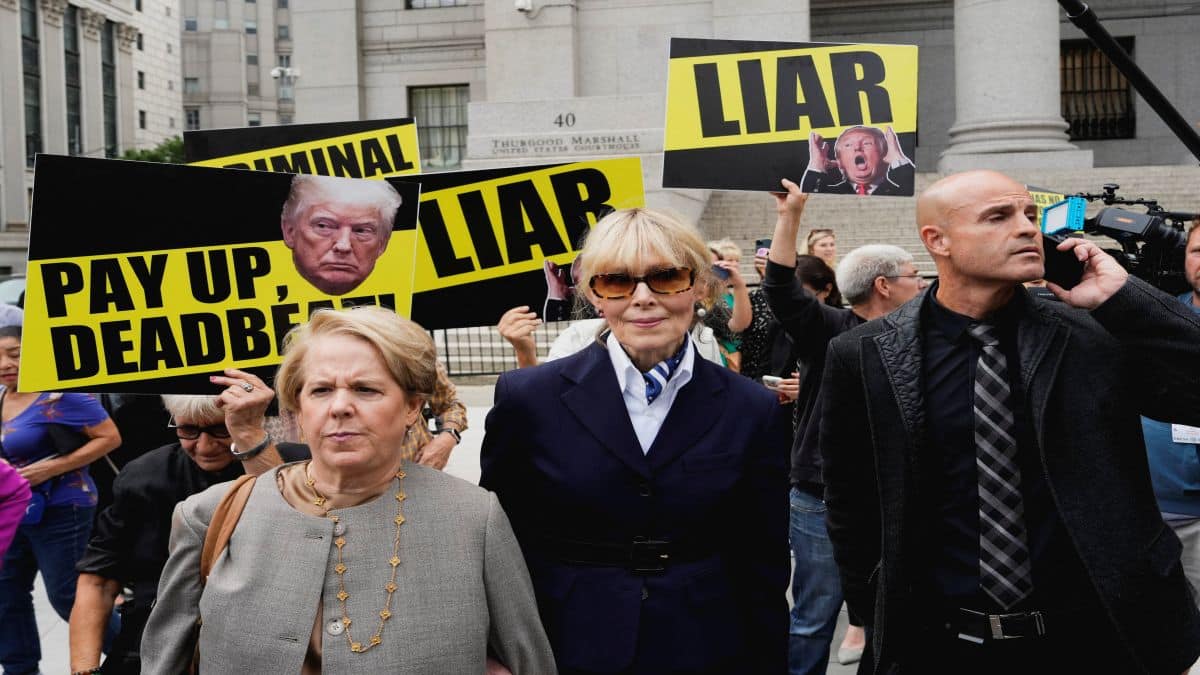
The US president reacted to the supreme court’s decision by writing on Truth Social: “Surprisingly, the Supreme Court declined to ‘review’ a fake case brought against me.”
“This case is really against the United States of America, and all it stands for, and should never be allowed to happen to another president, or candidate to be!” he said. He added that “this injustice cannot be allowed to stand!”
It’s left to be seen how Monday’s rulings will affect the Trump presidency and the future of the US.
With inputs from agencies

Military drones & police check-ups: How Sri Lanka is fighting against worst dengue outbreak in a decade
How Facebook job ad lured 2 Karnataka men into Myanmar cyber scam camp
Why is India seeing 95% cloud cover despite a Super El Niño?
What is CJP’s fourth demand to the government as protests in Delhi intensify?
The new geography of war: Why the Houthis can no longer be ignored