


US launches new strikes after Trump says ceasefire with Iran is dead: Should India be worried?
On Wednesday (July 8), Donald Trump declared that the ceasefire with Iran is dead. A day later, the US military launched fresh strikes, striking 90 targets across the Islamic Republic. The renewed fighting could have major consequences for India, which depends on the Strait of Hormuz for its energy supplies

It’s over, Donald Trump said on Wednesday (July 8) when speaking about the memorandum of understanding (MoU), which ended the fighting with Iran in mid-June. A day later, the US military launched a second day of strikes on the Islamic Republic, threatening a return to full-fledged war.
Trump warned of “much worse” if Tehran continues to attack vessels in the Strait of Hormuz, the vital oil shipping channel.
- Catch live updates from the US-Iran conflict here
But what does all this mean for India? How will New Delhi be affected if the US and Iran resume their war?
Trump says Iran ceasefire is over
On Wednesday (July 8), US President Donald Trump declared that the “ceasefire with Iran is over”. “I do not want to deal with them anymore,” said the US president at a summit of the North Atlantic Treaty Organisation (Nato) in the Turkish capital, Ankara. “They are scum.”
 More from Explainers
He added: “As far as I am concerned, it’s over.”
Trump’s remarks came after the US military launched fresh strikes against the Islamic Republic, attacking 80 targets in retaliation for three vessels being attacked in the Strait of Hormuz earlier. After the strikes, the US Central Command said that “unwarranted aggression by Iranian forces is a clear and dangerous violation of the ceasefire and undermines freedom of navigation”.
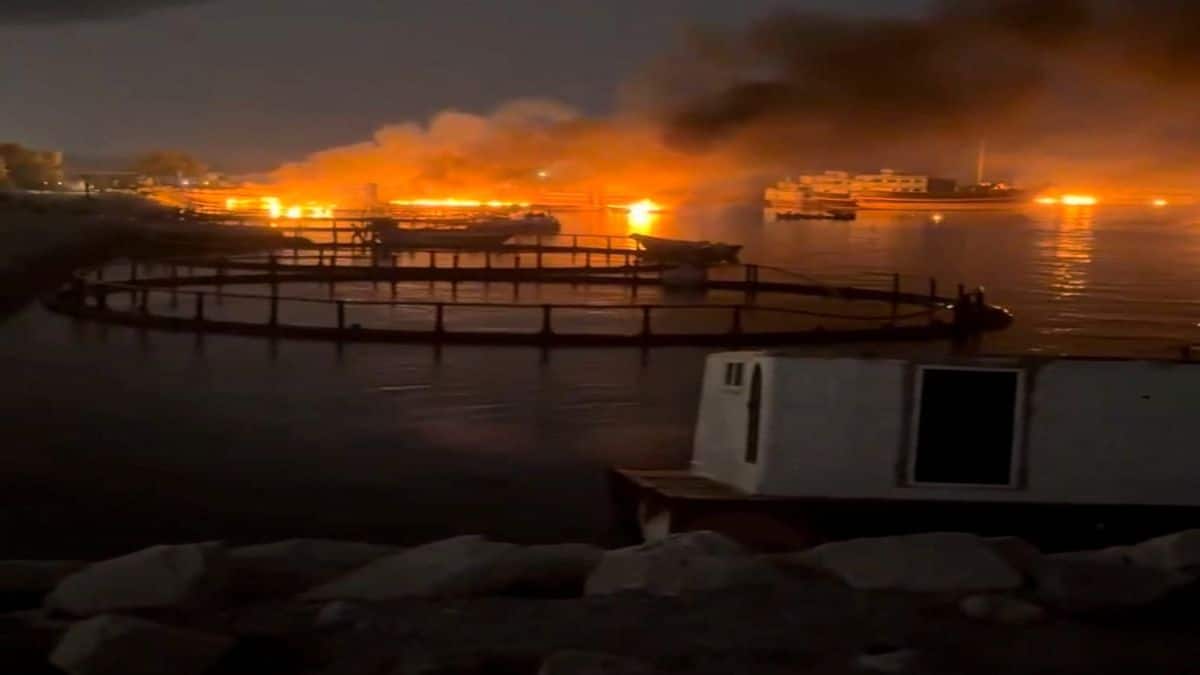
Iran’s Islamic Revolutionary Guard Corps accused the US of violating the ceasefire and said that, in turn, it targeted 85 US military sites in Bahrain and Kuwait in response. MB Ghalibaf, the speaker of the Iranian Parliament, said that the US strikes had violated the peace agreement.
US carries out second day of strikes against Iran
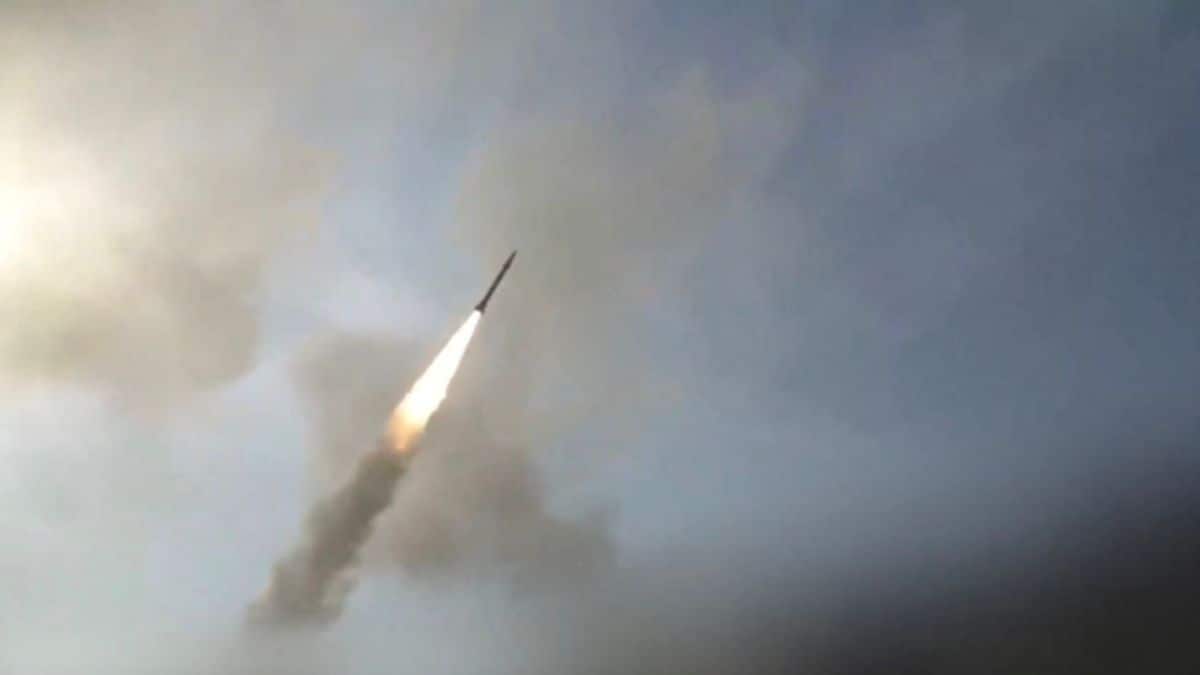
Following Trump’s remarks, the US launched new airstrikes against Iran on Thursday (July 9), which seemed bigger all around. US military officials said in a social media post that the latest strikes were intended to “further degrade” Iran's ability “to threaten freedom of navigation” in the strait.
The US Central Command (Centcom) said on social media: “At the direction of the Commander in Chief, US Central Command forces have started conducting additional strikes against Iran to further degrade their ability to threaten freedom of navigation in the Strait of Hormuz.
“The United States is holding Iran accountable for recent unjustified aggression against commercial shipping and civilian crews freely navigating a vital international waterway.”
The Iranian military said coastal bases and civilian facilities were struck in the provinces of Hormozgan and Mahshahr, and later added that eight Iranian soldiers stationed in Bandar Abbas and Bushehr had been killed. Iranian media also reported that the disputed Abu Musa Island in the Gulf has been hit with two projectiles. State-run outlets also reported that several explosions could be heard in the areas of Konarak and Chabahar, with IRNA saying power has been cut off in parts of the latter.
Reacting to the new strikes, Trump posted several videos on his social media site, saying that it could get “even worse”. “This is in retribution for yesterday’s bombing of ships by Iran. If it happens again, it will get much worse!” Trump wrote.
The US leader noted that the latest back-and-forth fighting would not result in “long-term” military action. “Anything that happens is going to happen very fast,” Trump said, though he also suggested the US military might “just finish the job.”
Immediate impact of Trump’s remarks and US military action
Shortly after Trump noted that the Iran ceasefire was over, oil prices shot up to over $80 a barrel. International benchmark Brent North Sea crude jumped eight per cent to $80.12 per barrel, while the benchmark US oil contract, the West Texas Intermediate, gained 4.4 per cent to $73.52 per barrel.
However, it gave up some of those gains. On Thursday (July 9), Brent crude futures were up 78 cents, or one per cent, at $78.80 a barrel, while US West Texas Intermediate (WTI) crude gained 74 cents, or 1.01 per cent, to trade at $74.26 a barrel.
The prospect of a resumption of fighting between the US and Iran also led markets to turn red across the world. Paris and Frankfurt both ended the day down more than two per cent, while London dropped 1.6 per cent. On Wall Street, the Dow closed 1.1 per cent lower while the S&P 500 lost 0.3 per cent. The tech-heavy Nasdaq Composite crept up by 0.2 per cent.
India hopes for the best, braces for the worst
For India, Trump’s declaration of the ceasefire ending with Iran is worrisome. If Iran and the US resume fighting, the Strait of Hormuz could once again face closures, affecting India’s oil and gas supplies.
Before the conflict began in February, the vital waterway handled nearly 40 per cent of India’s crude oil imports and around 60 per cent of its LNG imports. While India has diversified its crude imports, its LNG and LPG imports need to be carefully monitored.
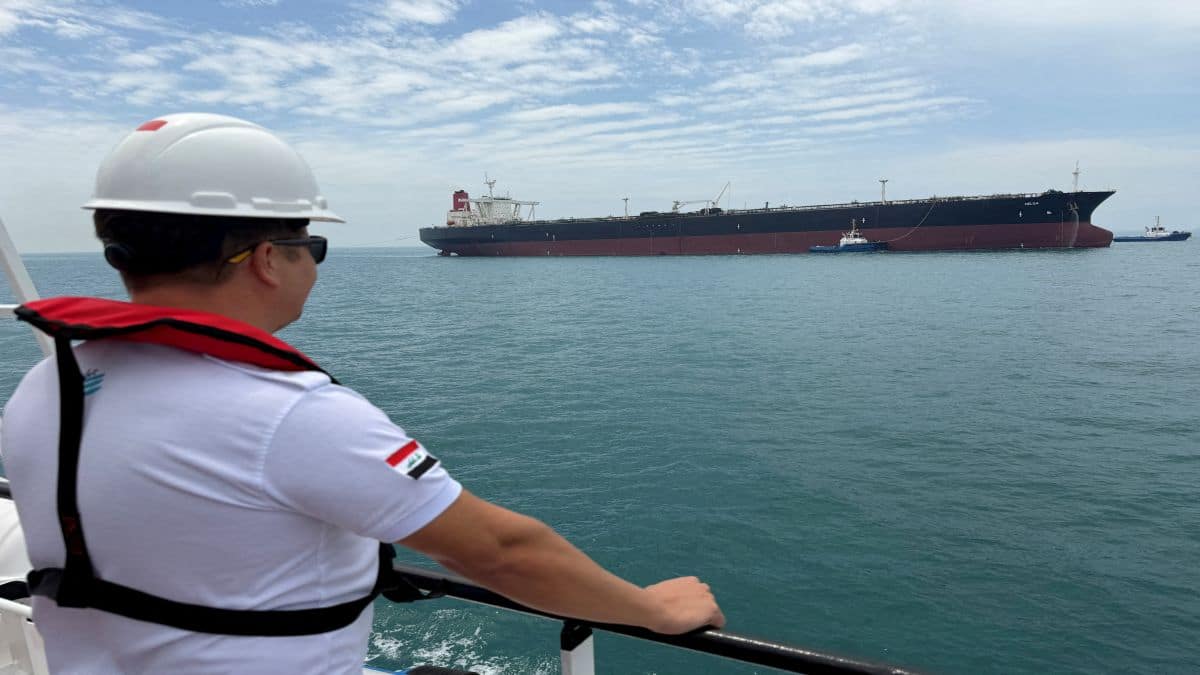
If the strait is once again completely blocked as it was in March, the prices of fuel could increase, driving up fuel, food, and fertiliser costs. A domestic inflation would be severely worsened if combined with an erratic El Niño monsoon.
As C Udai Bhaskar, director at the Society for Policy Studies, told Live Mint, “India will also be very concerned if there is a disruption again in the transit of ships through the Hormuz Strait, as not only will the import bill go up, but for the common man it will also be reflected in the anxiety of the availability and price of cooking gas cylinders.
Indian consumer firms worry that higher fuel costs could lift prices of crude-linked raw materials such as plastic packaging and ingredients used in soaps and creams, while persistent inflation could push consumers to cut discretionary spending and trade down even on staples.
There’s also the worry of exports. India’s exports to West Asia will also be severely hit if the war resumes. As the Live Mint reported, renewed shipping disruptions also threaten export-oriented sectors such as apparel, which are still grappling with the effects of US tariffs imposed last year.
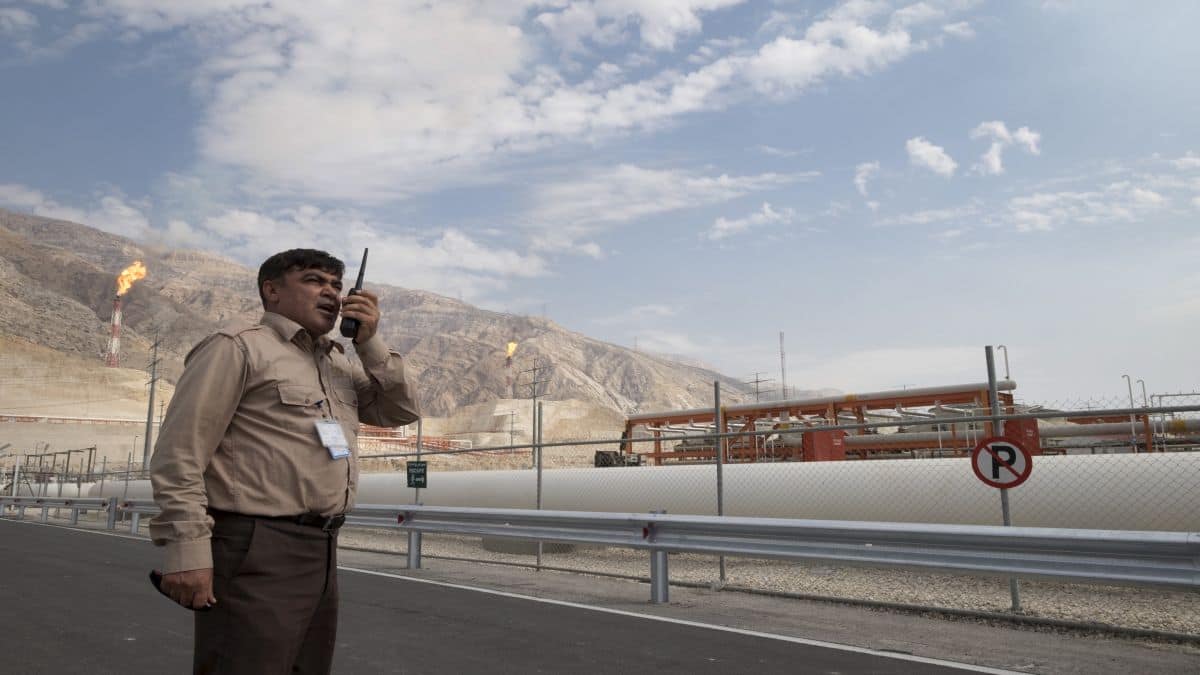
The end of the Iran ceasefire also puts India’s Iran oil plans in a quandary. When the US signed the MoU with Iran, it lifted sanctions on Iranian oil. The 60-day waiver on sanctions had been issued by the US Treasury Department's Office of Foreign Assets Control on June 22, permitting production, sale and transport of Iranian crude and petroleum products.
India hasn’t yet finalised a deal with Tehran on oil; they were evaluating plans for the future. However, this will now be placed on hold. “Refiners are still in a wait-and-watch mode and awaiting further clarity. The talks in terms of imports from Iran may be impacted now. India does not procure sanctioned oil at all,” an official with an Indian refiner told Live Mint.
A CNBC report also stated that India was gearing up for a deluge of stock market offerings worth $50 billion. Plans for these IPOs were announced last month after tensions in West Asia simmered down. However, with the latest strikes raising fears of the war resuming, these listings are at risk.
Whether these strikes are a pressure tactic or a complete breakdown of talks is yet to be seen. The world and India will be hoping that it’s not the latter and that fighting doesn’t resume.
With inputs from agencies

Military drones & police check-ups: How Sri Lanka is fighting against worst dengue outbreak in a decade
How Facebook job ad lured 2 Karnataka men into Myanmar cyber scam camp
Why is India seeing 95% cloud cover despite a Super El Niño?
What is CJP’s fourth demand to the government as protests in Delhi intensify?
The new geography of war: Why the Houthis can no longer be ignored