
Advertisement


Sections
UPI fraud cases on the rise: How to protect yourself from such scams?
As per the Indian government, more than 95,000 fraud incidents linked to UPI transactions were recorded in 2022-23. From sending suspicious QR codes to posing as customer care executives, scammers are using various methods to lure targets. Here’s what to do to keep yourself safe

India is becoming digital with people resorting to shopping and ordering food online and choosing online payment for such transactions and much more. In March 2023, the Unified Payment Interface (UPI) transactions reached a record high of 865 crores, valuing a record of Rs 14.07 lakh crore, as per a Times of India (TOI) report. The volume of transactions was 18 per cent more than in February 2023 – 728 crores.However, as UPI transactions witness growth, so have incidents of online fraud and scams. As per the Union ministry of finance, more than 95,000 fraud cases linked to UPI transactions were recorded in 2022-23, an uptick from 84,000 incidents in 2021-22.Let’s take a look at how UPI scams take place and what you can do to protect yourself.Asking for UPI PINSometimes, fraudsters lure victims with the promise of sending money. They then ask their target to enter their UPI PIN to receive the amount. If the victim obliges and enters UPI PIN, the scammer can then easily use it to withdraw money."For receiving money, no PIN is required. Anyone asking you for a PIN is a scammer,” Prashant Gautam, DCP (IFSO) told the English daily TOI.Money sent by ‘mistake’As per a Delhi Police officer, scammers usually send some amount through UPI apps such as Paytm, Google Pay, PhonePe, etc. to their potential target and then call them saying it was a mistake, reported TOI. Following this, the cybercriminal shares a link with the target, asking them to use it to return the money.![upi fraud cases]() Sometimes, scammers pose as customer care executives to target UPI users. Pixabay (Representational Image)[/caption]After he lodged a complaint about faulty transactions on the Google Pay app, the scammer assured the teacher of help and asked for his personal bank details. After the teacher gave the details, the fraudster drew out Rs 2.50 lakh from his bank account, reported the English newspaper.A police officer told TOI that sometimes cybercriminals, pretending to be customer care executives, threaten users with the blocking of their e-wallet if they do not complete KYC or update their Aadhaar or PAN information. “Later, under the pretext of verification, they ask the victims to download third-party access apps” through which they get remote access to the digital wallets, the officer explained.ALSO READ: How scammers tricked 81 UPI users in Mumbai and stole over Rs 1 crore in KYC scamSending QR codesAnother method being used by fraudsters is through QR codes. The scammer tells their target that the money will be sent using a QR code. “When the code is scanned by the victim, he or she is asked to enter the UPI PIN. If the PIN is shared, the money, instead of being credited, is deducted from the user’s account”, a Delhi Police officer was quoted as saying by TOI.How to avoid falling for UPI fraud?People should know that UPI payments are safe. It is only when a scammer gets access to your UPI PIN or one-time password (OTP) or you click on a malware link that you become vulnerable to fraud.Never share UPI PINUPI PIN is the number that you enter for making a transaction or adding a new payment account. You should not share this number with anyone, especially strangers. Remember that customer care executives or banks will never call you to share this or OTPs.Regularly change your UPI PINJust like your email or social media account passwords, you should also keep changing your UPI PIN frequently.[caption id="attachment_12666112" align="alignnone" width="640"]
Sometimes, scammers pose as customer care executives to target UPI users. Pixabay (Representational Image)[/caption]After he lodged a complaint about faulty transactions on the Google Pay app, the scammer assured the teacher of help and asked for his personal bank details. After the teacher gave the details, the fraudster drew out Rs 2.50 lakh from his bank account, reported the English newspaper.A police officer told TOI that sometimes cybercriminals, pretending to be customer care executives, threaten users with the blocking of their e-wallet if they do not complete KYC or update their Aadhaar or PAN information. “Later, under the pretext of verification, they ask the victims to download third-party access apps” through which they get remote access to the digital wallets, the officer explained.ALSO READ: How scammers tricked 81 UPI users in Mumbai and stole over Rs 1 crore in KYC scamSending QR codesAnother method being used by fraudsters is through QR codes. The scammer tells their target that the money will be sent using a QR code. “When the code is scanned by the victim, he or she is asked to enter the UPI PIN. If the PIN is shared, the money, instead of being credited, is deducted from the user’s account”, a Delhi Police officer was quoted as saying by TOI.How to avoid falling for UPI fraud?People should know that UPI payments are safe. It is only when a scammer gets access to your UPI PIN or one-time password (OTP) or you click on a malware link that you become vulnerable to fraud.Never share UPI PINUPI PIN is the number that you enter for making a transaction or adding a new payment account. You should not share this number with anyone, especially strangers. Remember that customer care executives or banks will never call you to share this or OTPs.Regularly change your UPI PINJust like your email or social media account passwords, you should also keep changing your UPI PIN frequently.[caption id="attachment_12666112" align="alignnone" width="640"]![upi fraud cases]() You can protect yourself from UPI fraud by being sceptical of suspicious links. News18 (Representational Image)[/caption]Do not use public Wi-Fi for UPI paymentsWhile making a UPI payment, it is better to use your own mobile internet or a Wi-Fi connection at your place. You must avoid making online financial transactions, including UPI payments, through public Wi-Fi.Be scepticalWhen it comes to unknown emails or links, it is always better to be safe than sorry. As Gadgets Now noted, fraudsters send malware or malicious attachments in emails or links sent via SMS or messenger apps.These viruses or malware can hack your phone and get access to your banking details or other private information.So, if someone claims they have accidentally sent you money and then shares a suspicious link to return it, always verify their identity.Do not download remote access apps such as AnyDesk or Teamviewer if a stranger asks you to as that will provide them access to your device.With a presence of mind and adopting a suspicious attitude, you can protect yourself from falling for such cyber frauds.With inputs from agenciesRead all the Latest News, Trending News, Cricket News, Bollywood News,India News and Entertainment News here. Follow us on Facebook, Twitter and Instagram.
You can protect yourself from UPI fraud by being sceptical of suspicious links. News18 (Representational Image)[/caption]Do not use public Wi-Fi for UPI paymentsWhile making a UPI payment, it is better to use your own mobile internet or a Wi-Fi connection at your place. You must avoid making online financial transactions, including UPI payments, through public Wi-Fi.Be scepticalWhen it comes to unknown emails or links, it is always better to be safe than sorry. As Gadgets Now noted, fraudsters send malware or malicious attachments in emails or links sent via SMS or messenger apps.These viruses or malware can hack your phone and get access to your banking details or other private information.So, if someone claims they have accidentally sent you money and then shares a suspicious link to return it, always verify their identity.Do not download remote access apps such as AnyDesk or Teamviewer if a stranger asks you to as that will provide them access to your device.With a presence of mind and adopting a suspicious attitude, you can protect yourself from falling for such cyber frauds.With inputs from agenciesRead all the Latest News, Trending News, Cricket News, Bollywood News,India News and Entertainment News here. Follow us on Facebook, Twitter and Instagram.
If someone clicks on the link, they lose control of their digital wallet and bank account, which then becomes accessible to the scammer.Customer care scamPeople also fall for fraudsters who claim to be customer care executives, the police told TOI.A government teacher was recently duped after he called the top search number on Google, believing it to be Google Pay’s customer care number.[caption id="attachment_12666092" align="alignnone" width="640"]
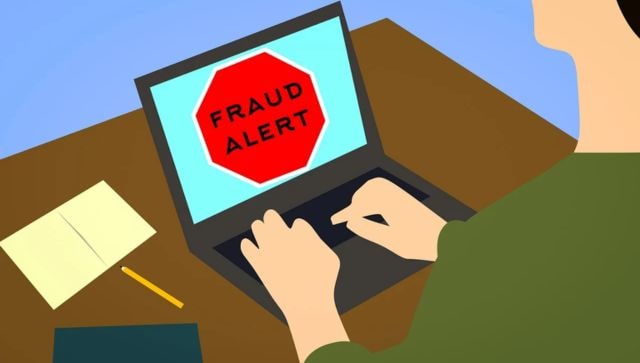 Sometimes, scammers pose as customer care executives to target UPI users. Pixabay (Representational Image)[/caption]After he lodged a complaint about faulty transactions on the Google Pay app, the scammer assured the teacher of help and asked for his personal bank details. After the teacher gave the details, the fraudster drew out Rs 2.50 lakh from his bank account, reported the English newspaper.A police officer told TOI that sometimes cybercriminals, pretending to be customer care executives, threaten users with the blocking of their e-wallet if they do not complete KYC or update their Aadhaar or PAN information. “Later, under the pretext of verification, they ask the victims to download third-party access apps” through which they get remote access to the digital wallets, the officer explained.ALSO READ: How scammers tricked 81 UPI users in Mumbai and stole over Rs 1 crore in KYC scamSending QR codesAnother method being used by fraudsters is through QR codes. The scammer tells their target that the money will be sent using a QR code. “When the code is scanned by the victim, he or she is asked to enter the UPI PIN. If the PIN is shared, the money, instead of being credited, is deducted from the user’s account”, a Delhi Police officer was quoted as saying by TOI.How to avoid falling for UPI fraud?People should know that UPI payments are safe. It is only when a scammer gets access to your UPI PIN or one-time password (OTP) or you click on a malware link that you become vulnerable to fraud.Never share UPI PINUPI PIN is the number that you enter for making a transaction or adding a new payment account. You should not share this number with anyone, especially strangers. Remember that customer care executives or banks will never call you to share this or OTPs.Regularly change your UPI PINJust like your email or social media account passwords, you should also keep changing your UPI PIN frequently.[caption id="attachment_12666112" align="alignnone" width="640"]
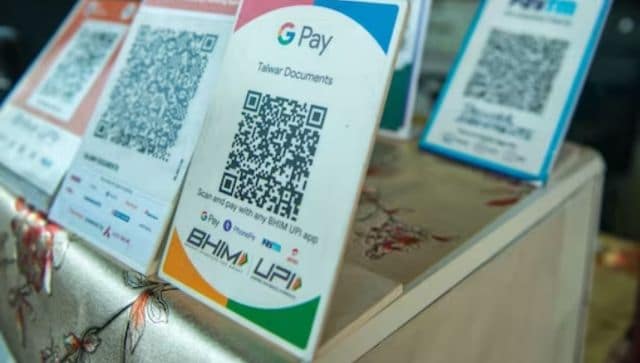 You can protect yourself from UPI fraud by being sceptical of suspicious links. News18 (Representational Image)[/caption]Do not use public Wi-Fi for UPI paymentsWhile making a UPI payment, it is better to use your own mobile internet or a Wi-Fi connection at your place. You must avoid making online financial transactions, including UPI payments, through public Wi-Fi.Be scepticalWhen it comes to unknown emails or links, it is always better to be safe than sorry. As Gadgets Now noted, fraudsters send malware or malicious attachments in emails or links sent via SMS or messenger apps.These viruses or malware can hack your phone and get access to your banking details or other private information.So, if someone claims they have accidentally sent you money and then shares a suspicious link to return it, always verify their identity.Do not download remote access apps such as AnyDesk or Teamviewer if a stranger asks you to as that will provide them access to your device.With a presence of mind and adopting a suspicious attitude, you can protect yourself from falling for such cyber frauds.With inputs from agenciesRead all the Latest News, Trending News, Cricket News, Bollywood News,India News and Entertainment News here. Follow us on Facebook, Twitter and Instagram.
First Published:May 30, 2023, 14:07:06 IST
Advertisement
Advertisement

Military drones & police check-ups: How Sri Lanka is fighting against worst dengue outbreak in a decade
Sri Lanka is fighting its most severe dengue outbreak in nearly a decade, with infections rising sharply across the nation. Military drones have been deployed to tackle the outbreak, which has claimed 56 lives. Health officials said the outbreak is being driven primarily by the DENV-2 variant of the virus
3 min read
How Facebook job ad lured 2 Karnataka men into Myanmar cyber scam camp
The Karnataka Cyber Command has rescued two youths from a scam compound in Myanmar operated by Chinese fraudsters. The duo from Karnataka were lured on the pretext of data-entry jobs. They were asked to work for 16 hours a day and were expected to sleep for six hours daily
4 min read
Why is India seeing 95% cloud cover despite a Super El Niño?
India is witnessing nearly 95 per cent cloud cover despite a Super El Niño, a climate event usually linked to weaker monsoons. Regional weather systems, cyclonic circulations, the monsoon trough and moisture from two seas are temporarily overpowering one of the world's strongest climate phenomena
5 min read
What is CJP’s fourth demand to the government as protests in Delhi intensify?
The protest by the Cockroach Janta Party at Delhi’s Jantar Mantar refuses to die down. The group have made a fourth demand to the Centre, asking that no FIRs are filed against the agitators and that no legal action be taken. The government has expressed willingness to speak to the protesters, but refused to accede on the resignation of Education Minister Dharmandra Pradhan
5 min read
The new geography of war: Why the Houthis can no longer be ignored
The rise of the Houthis marks the emergence of a new geography of war — one in which influence flows not only from capitals and conventional armies, but also from rugged mountains overlooking vital sea lanes
6 min read
Advertisement
Advertisement