


Trump limits student visas to 4 years. Why this spells bad news for Indians
The Trump administration has issued a final notice of stricter rules on foreign students, barring them from staying in the US for more than four years unless they receive federal approval. This new measure spells trouble for Indians, who form the largest international student community in the US

The Donald Trump administration has introduced one of the biggest changes to its student visa system in decades.
American immigration rules will soon reshape how international students, including thousands from India, plan their education and career in the country.
The US government has issued a final notice of stricter rules for foreign students, barring them from staying in the country for more than four years unless they receive federal approval.
The policy, which comes into effect in September this year, says international students, including thousands from India, will no longer be allowed to stay in the country for the "duration of their studies" under the long-standing Duration of Status (D/S) framework.
Instead, foreign students will be admitted for a fixed four-year period, and if they want to extend their stay, they will have to secure permission from the US government. This move would affect holders of F-1 student visas, J-1 exchange visitor visas, and other visa categories.
 More from Explainers
We take a closer look.
How the current ‘Duration of Status’ system works
Currently, under the “Duration of Status” system, foreign students in the US may remain in the country as long as they are enrolled full-time in their academic programme, maintain valid student status, and comply with visa requirements. Meaning, no fixed end date is attached to their stay.
This framework gives students the flexibility to extend their studies, switch universities or courses, change academic programmes, progress from undergraduate to postgraduate studies, and complete Optional Practical Training (OPT) and STEM OPT without fear of losing their stay.
What's the latest change?
The new visa rule replaces this flexibility model by setting a four-year admission period for most students. The major implication would be that students no longer have the automatic right to stay based on their enrolment.
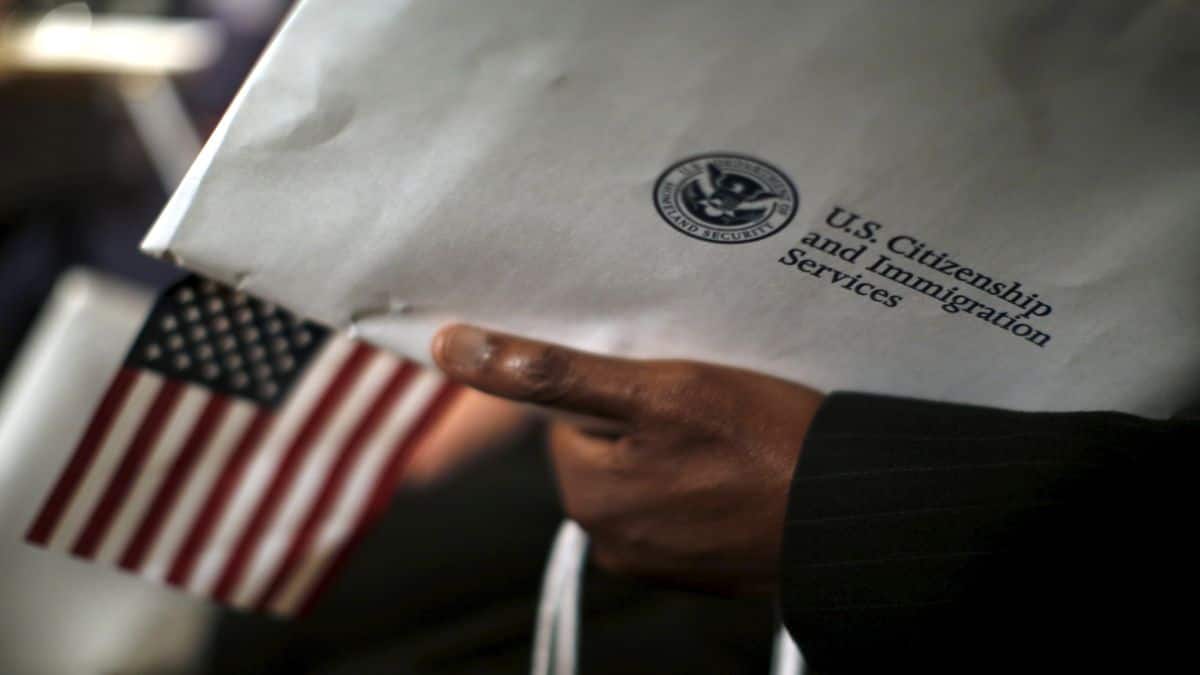
Students enrolled in programmes that exceed the prescribed limit would need approval from the federal government to continue staying in the country legally. The process may entail additional paperwork, biometric submissions, more scrutiny and longer processing times.
Under the new rules, foreign students will only have 30 days after graduation to leave the country or switch to another visa type. The previous grace period was up to 60 days, which is now down to 30 days.
Attempting to overstay without approval for an extension may lead to legal consequences. Under the new rule, continued study in the US would hinge on periodic immigration approvals rather than solely on academic enrollment.
How will the new visa rule impact Indian students?
India is currently the largest source of international students in the US.
The Open Doors 2024 report shows that over 331,000 Indian students were enrolled in US higher education institutions during the 2023–24 academic year, making up nearly 30 per cent of the country’s international student population.
Several of these Indian students are enrolled in programmes that exceed four years, including doctoral research programmes, research-intensive master’s programmes and technical and professional courses.
Under the new policy, these students will face additional paperwork and immigration scrutiny to continue their studies.
According to experts and institutions, the administrative burden on institutions makes it harder for students to pursue longer academic tracks, such as research or doctoral programmes, to maintain legal status.
They also warn that the new visa rules could affect transitions into work pathways, such as OPT, which permits foreign graduates to gain work experience in the nation after completing their studies.
Why has the US made this change?
According to the Department of Homeland Security (DHS), the aim is to align student visas with other temporary visa categories. The other temporary visas have fixed expiry dates. Among the department's objectives is to boost immigration oversight.
The department also cited concerns over "rampant visa abuse, fraud, overstays and repeated programme extensions and national security. They argue that a fixed four-year admission period limit will align F, J and I visas with several other US non-immigrant visa categories.
The F visas are for foreign students, J visas are meant for exchange visitors, and I visas are for journalists.
"For decades, foreign students have been admitted into the US indefinitely, allowing thousands to abuse our immigration system by perpetually enrolling in courses to avoid having to leave the US," said Homeland Security Secretary Markwayne Mullin, as quoted by the BBC.
However, the Association of International Educators has called the new rules "misguided and unnecessary".
"It injects uncertainty, bureaucracy, and fear into a system that has long worked effectively. It is a solution in search of a problem," Its chief executive, Fanta Aw, described the new framework policy.
What happens if a visa stay expires?
The other major concern under this new visa rule is enforcement.
If students’ authorised stay expires, then they may begin accruing unlawful presence immediately, which can increase the risk of administrative delays, paperwork errors or processing backlogs.
In simple terms, if a foreign student cannot secure an extension before the authorised stay expires, he or she could fall out of legal status, which could subject the individual to immigration enforcement actions.
As per immigration firm Fragomen, such a student may immediately begin accruing unlawful presence, exposing them to immigration penalties, including restrictions on future US travel eligibility.
What should students do next?
The regulation will come into force later this year. Students must continue to follow their existing visa rules, closely monitor updates from DHS and USCIS, and stay in touch with the university’s international offices. Must track when the authorised stay expires, not only visa validity.
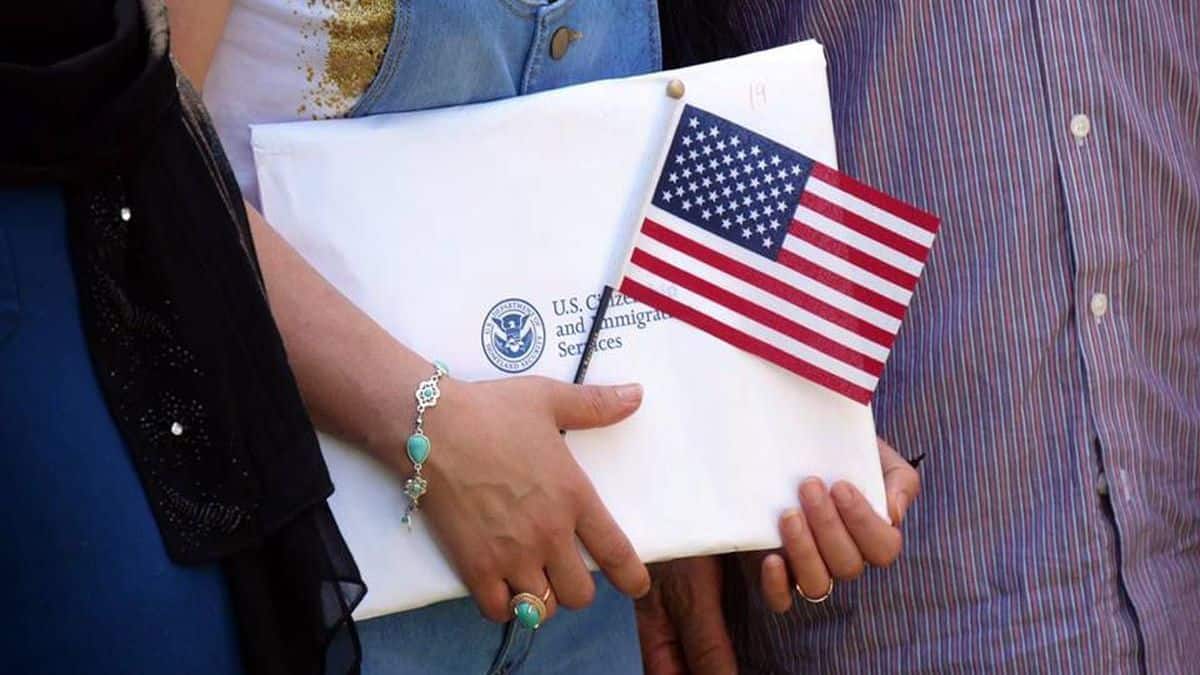
If your course, research, or OPT is likely to extend beyond your authorised period of stay, begin applying for an extension well in advance. Do not overstay, as it could have immigration consequences.
The regulation may mark one of the sweeping changes to the US student visa system in decades, with Indian students–also the largest international student community in the US– expected to be among those most impacted.
With inputs from agencies

Military drones & police check-ups: How Sri Lanka is fighting against worst dengue outbreak in a decade
How Facebook job ad lured 2 Karnataka men into Myanmar cyber scam camp
Why is India seeing 95% cloud cover despite a Super El Niño?
What is CJP’s fourth demand to the government as protests in Delhi intensify?
The new geography of war: Why the Houthis can no longer be ignored