
Advertisement


Sections
‘Tis the season for burglaries: How to keep your house safe during the festive season
Houses around the holidays are often full of Christmas presents, so there is a lot of new merchandise to attract burglars. And sometimes people break into houses in order to steal food and other necessities, or items to give as gifts

The lead-up to the holiday period is often referred to as the silly season — but it is when offenders get serious; burglary rates tend to increase during the festive season.Why? Homes around this time of year are often full of Christmas presents, so there is a lot of new merchandise to attract burglars. And sometimes people also break into houses looking to steal food and goods they need, or items they can pass on as gifts — and burglars know there’s a good chance the home will be empty during the holiday season.Our research has focused on finding out more about why offenders commit burglary, what they’re looking for, and how they decide which house to target. Here’s what you need to know.How do burglars pick which house to target?Burglars tell us they choose houses that are easy to access, often looking out for unlocked windows and doors.[caption id="attachment_11895501" align="alignnone" width="640"]![]() Planners usually target homes that will produce a significant haul but are deterred by sophisticated security systems and alarms. Image used for representational purposes/Pixabay[/caption]Some kind of cover is important, too. Are there large or overgrown plants they can hide behind? Are they hidden from view of main roads or neighbours?Finally, they want the burglary to be worth it; ideally, they want valuables that are easy to access, conceal and sell on. Examples include online package deliveries, small electronics, jewellery, cash or gift vouchers.Any valuables visible from windows or left in gardens or driveways are considered fair game.Protecting your home while you are awayOver the holiday period many of us take some well-deserved time away, so how can you reduce the risk of burglary while you’re out of town? It helps to understand what “types” of burglars there are.We sort burglars into three categories:
Planners usually target homes that will produce a significant haul but are deterred by sophisticated security systems and alarms. Image used for representational purposes/Pixabay[/caption]Some kind of cover is important, too. Are there large or overgrown plants they can hide behind? Are they hidden from view of main roads or neighbours?Finally, they want the burglary to be worth it; ideally, they want valuables that are easy to access, conceal and sell on. Examples include online package deliveries, small electronics, jewellery, cash or gift vouchers.Any valuables visible from windows or left in gardens or driveways are considered fair game.Protecting your home while you are awayOver the holiday period many of us take some well-deserved time away, so how can you reduce the risk of burglary while you’re out of town? It helps to understand what “types” of burglars there are.We sort burglars into three categories:![]() It’s important to speak to your children about how to reduce the risk of your house becoming a target while they are home alone. Image used for representational purposes/Pixabay[/caption]It is common for young people to leave new bikes, skateboards and scooters outside the front door. Put reminders up so they remember to take them inside, or out of view.When young people return home, teach them to take notice of anything that looks out of place. If they suspect someone has been in the house, tell them not to enter but go to a trusted neighbour, call their emergency contact, or contact the police. That way they stay safe and do not interrupt a crime in progress and put themselves in danger.Our recent research showed when young people target a house, the most common method they use is to knock on the door and see if someone is home. If it looks like someone is coming to the door, they run.We quite often tell young people at home not to open the door when parents and caregivers are out. You might consider whether you feel comfortable with them making it clear someone is home (by calling out or making some noise inside) but not opening the door. It’s up to you to develop a strategy you and your children feel comfortable with.
It’s important to speak to your children about how to reduce the risk of your house becoming a target while they are home alone. Image used for representational purposes/Pixabay[/caption]It is common for young people to leave new bikes, skateboards and scooters outside the front door. Put reminders up so they remember to take them inside, or out of view.When young people return home, teach them to take notice of anything that looks out of place. If they suspect someone has been in the house, tell them not to enter but go to a trusted neighbour, call their emergency contact, or contact the police. That way they stay safe and do not interrupt a crime in progress and put themselves in danger.Our recent research showed when young people target a house, the most common method they use is to knock on the door and see if someone is home. If it looks like someone is coming to the door, they run.We quite often tell young people at home not to open the door when parents and caregivers are out. You might consider whether you feel comfortable with them making it clear someone is home (by calling out or making some noise inside) but not opening the door. It’s up to you to develop a strategy you and your children feel comfortable with.![The Conversation]() This article is republished from The Conversation under a Creative Commons license. Read the original article.Read all the Latest News, Trending News, Cricket News, Bollywood News,India News and Entertainment News here. Follow us on Facebook, Twitter and Instagram.
This article is republished from The Conversation under a Creative Commons license. Read the original article.Read all the Latest News, Trending News, Cricket News, Bollywood News,India News and Entertainment News here. Follow us on Facebook, Twitter and Instagram.
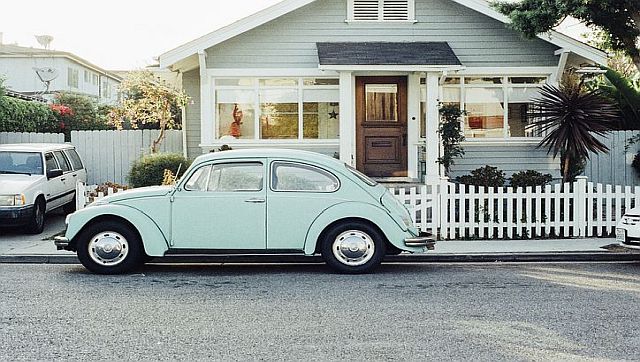 Planners usually target homes that will produce a significant haul but are deterred by sophisticated security systems and alarms. Image used for representational purposes/Pixabay[/caption]Some kind of cover is important, too. Are there large or overgrown plants they can hide behind? Are they hidden from view of main roads or neighbours?Finally, they want the burglary to be worth it; ideally, they want valuables that are easy to access, conceal and sell on. Examples include online package deliveries, small electronics, jewellery, cash or gift vouchers.Any valuables visible from windows or left in gardens or driveways are considered fair game.Protecting your home while you are awayOver the holiday period many of us take some well-deserved time away, so how can you reduce the risk of burglary while you’re out of town? It helps to understand what “types” of burglars there are.We sort burglars into three categories:
- “opportunists” are not out to burgle but will if they see something they fancy
- “searchers” are planning to burgle but have not selected the premises yet; and
- “planners” are more professional and will watch or “case” a property in preparation for a burglary.
To best deter opportunists, keep valuables out of sight.Garage doors should stay shut and don’t leave empty cardboard boxes lying around near the bins. These empty boxes advertise your new Christmas acquisitions, and should be kept out of sight away from the kerb until bin day.To reduce the risk of becoming a target for searchers, lock your doors and windows. Remove hiding places from your front door or rear access so they cannot remain hidden while breaking into the house.We also know searchers look for houses that are obviously empty of people. If you’re going away, ask someone to put out and bring in your bins and collect your mail, so a loaded letterbox doesn’t advertise an empty home.Planners usually target homes that will produce a significant haul but are deterred by sophisticated security systems and alarms. They can often recognise a decoy security camera for what it is.All burglars we’ve interviewed have reported not liking dogs, alarms, neighbours or anyone who could potentially identify them.Our previous research shows burglars are aware of old tricks such as leaving a radio or light on constantly while you are away. Instead, you could try using timer-based indoor lights that come on in the evenings.You should also resist the urge to announce your holiday plans on social media, and make sure your home contents insurance is up to date and you have individual items photographed and insured.Older children home alone during the holidays? Make a planSchool holidays are long and most parents’ annual leave won’t doesn’t cover the entirety of the school break. That means older children are often left home alone while their parents are at work, particularly in January.It’s important you speak to your children about how to reduce the risk of your house becoming a target while they are home alone.If your children are coming and going during the school holidays, make sure they know how to lock up the house and remind them not to leave their valuables in view.[caption id="attachment_11895481" align="alignnone" width="640"]
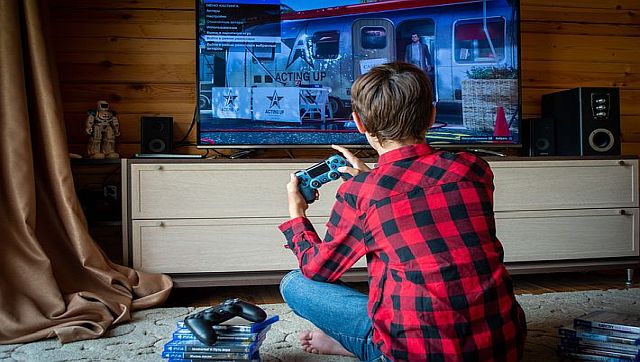 It’s important to speak to your children about how to reduce the risk of your house becoming a target while they are home alone. Image used for representational purposes/Pixabay[/caption]It is common for young people to leave new bikes, skateboards and scooters outside the front door. Put reminders up so they remember to take them inside, or out of view.When young people return home, teach them to take notice of anything that looks out of place. If they suspect someone has been in the house, tell them not to enter but go to a trusted neighbour, call their emergency contact, or contact the police. That way they stay safe and do not interrupt a crime in progress and put themselves in danger.Our recent research showed when young people target a house, the most common method they use is to knock on the door and see if someone is home. If it looks like someone is coming to the door, they run.We quite often tell young people at home not to open the door when parents and caregivers are out. You might consider whether you feel comfortable with them making it clear someone is home (by calling out or making some noise inside) but not opening the door. It’s up to you to develop a strategy you and your children feel comfortable with.
 This article is republished from The Conversation under a Creative Commons license. Read the original article.Read all the Latest News, Trending News, Cricket News, Bollywood News,India News and Entertainment News here. Follow us on Facebook, Twitter and Instagram.
First Published:Dec 29, 2022, 16:02:22 IST
Advertisement
Advertisement

Military drones & police check-ups: How Sri Lanka is fighting against worst dengue outbreak in a decade
Sri Lanka is fighting its most severe dengue outbreak in nearly a decade, with infections rising sharply across the nation. Military drones have been deployed to tackle the outbreak, which has claimed 56 lives. Health officials said the outbreak is being driven primarily by the DENV-2 variant of the virus
3 min read
How Facebook job ad lured 2 Karnataka men into Myanmar cyber scam camp
The Karnataka Cyber Command has rescued two youths from a scam compound in Myanmar operated by Chinese fraudsters. The duo from Karnataka were lured on the pretext of data-entry jobs. They were asked to work for 16 hours a day and were expected to sleep for six hours daily
4 min read
Why is India seeing 95% cloud cover despite a Super El Niño?
India is witnessing nearly 95 per cent cloud cover despite a Super El Niño, a climate event usually linked to weaker monsoons. Regional weather systems, cyclonic circulations, the monsoon trough and moisture from two seas are temporarily overpowering one of the world's strongest climate phenomena
5 min read
What is CJP’s fourth demand to the government as protests in Delhi intensify?
The protest by the Cockroach Janta Party at Delhi’s Jantar Mantar refuses to die down. The group have made a fourth demand to the Centre, asking that no FIRs are filed against the agitators and that no legal action be taken. The government has expressed willingness to speak to the protesters, but refused to accede on the resignation of Education Minister Dharmandra Pradhan
5 min read
The new geography of war: Why the Houthis can no longer be ignored
The rise of the Houthis marks the emergence of a new geography of war — one in which influence flows not only from capitals and conventional armies, but also from rugged mountains overlooking vital sea lanes
6 min read
Advertisement
Advertisement