


Three years after COVID-19, how prepared are we for the next pandemic
The WHO is currently working on updating its list of priority pathogens, which could pose the next pandemic threat. Coronaviruses and influenza viruses will be among the main suspects because of their proven pandemic potential

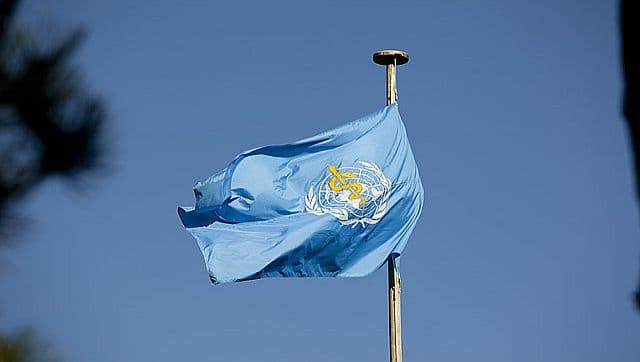
Last week the 194 member states of the World Health Organization agreed to start negotiations in February over a draft of a pandemic treaty aiming to better respond to future threats. Wkikimedia Commons[/caption]Infectious diseases expert Sharon Lewin, who will lead the Cumming Global Centre for Pandemic Therapeutics, said it would aim to develop platform technologies that can be rapidly updated to target new pathogens, similar to what was done with mRNA vaccines for COVID.While the centre is still recruiting, Lewin told AFP it would be "up and running on the science" within six months.Another key will be making tests available across the world as soon as possible.The non-profit FIND, the global alliance for diagnostics, has worked with WHO to get COVID tests to low- and middle-income countries.However, because CEPI did not reach its replenishment goal earlier this year, "the entire diagnostics component of the 100 Days Mission is currently unfunded," FIND CEO William Rodriguez told AFP."I don't think we're doing enough yet to be prepared for the next pandemic from a resource perspective," he said.Potential virus threatsThe WHO is currently working on updating its list of priority pathogens, which will list the top contenders for the virus that could pose the next pandemic threat.Coronaviruses and influenza viruses will be among the main suspects because of their proven pandemic potential.Other possibilities include known threats such as Ebola and Zika."Each of these viruses may be just a few mutations away" from being able to spread beyond their current limits, said Jennifer Nuzzo, the founding director of the Pandemic Centre at Brown University in the US.Other potential threats include Marburg and the arenavirus and paramyxovirus families — as well as the risk of new unknown diseases jumping from animals over to humans.But when it comes to deploying future vaccines, Nuzzo said "it's not the science that worries me as much: it's the production."Inequality remains"The tragedy of COVID, in my mind, was the unequal distribution of vaccines when they became available," CEPI's Hatchett said, adding that this inequity "prolonged the pandemic and probably led to the propagation of variants".All the experts who spoke to AFP emphasised that for the next pandemic, regions such as Africa, South America, South Asia and the Middle East must be able to access and manufacture future vaccines and treatments.Mohga Kamal-Yanni of the NGO coalition People's Vaccine Alliance said early statements from rich countries about the pandemic treaty were "incredibly worrying"."Any pandemic treaty should commit to an automatic waiver of intellectual property rules for products needed to combat the health threat," she said."And it should mandate the sharing of technology and know-how needed for developing countries to manufacture medical technologies."Read all the Latest News, Trending News, Cricket News, Bollywood News,India News and Entertainment News here. Follow us on Facebook, Twitter and Instagram.

Military drones & police check-ups: How Sri Lanka is fighting against worst dengue outbreak in a decade
How Facebook job ad lured 2 Karnataka men into Myanmar cyber scam camp
Why is India seeing 95% cloud cover despite a Super El Niño?
What is CJP’s fourth demand to the government as protests in Delhi intensify?
The new geography of war: Why the Houthis can no longer be ignored