


This Week in Explainers: Why renewed tensions in West Asia are concerning for India
The ceasefire between Iran and the US crumbled as the two sides traded strikes. The fresh fighting is bad news for India. We explain the impact of the conflict and more in our weekly wrap

It has been a seesaw week for India on the global stage. Prime Minister Narendra Modi’s three-nation tour of Indonesia, Australia, and New Zealand delivered big wins.
In Indonesia, India’s missile exports got a boost; there was also focus on critical minerals and New Delhi’s maritime reach. During the visit to Australia, Modi forged crucial uranium and defence pacts. He also became the first Indian PM to travel to New Zealand in 40 years.
The outcomes of the PM’s visits have given India reasons to cheer. However, tensions erupted in West Asia as the US and Iran traded strikes after attacks on ships in the Strait of Hormuz. That’s not all. The India-backed Chabbar Port was also hit. New Delhi has reasons to be worried.
 More from Explainers
In big crime news, the Lawrence Bishnoi gang is now under the FBI radar. The US has indicted the gang leader and his aide, Goldy Brar, in connection with the killing of Khalistani separatist Hardeep Singh Nijjar. The syndicate, which started in Punjab, has been under the radar for killings, extortion, and a spate of other crimes in Canada, the US, and Europe.
Meanwhile, in India, a Diljit Dosanjh film has been grabbing headlines. Satluj, based on the life of human rights activist Jaswant Singh Khalra, was made unavailable on the streaming platform ZEE5, two days after its release.
The monsoon has been wreaking havoc in parts of India. In Mumbai and Pune, building collapses, tree falls, and flooding put lives at risk. The newly inaugurated missing link on the Mumbai-Pune Expressway came to a standstill. On Thursday (July 9), heavy rain lashed Delhi and the National Capital Region, leaving roads submerged, triggering long traffic snarls, and disrupting daily commutes.
We talk about all this and more in our weekly roundup.
1. PM Narendra Modi’s visit to Indonesia was a big success. The two countries signed a series of agreements on defence, maritime cooperation, critical minerals, technology, digital payments, and education.
India’s missile exports are set to grow as Indonesia will procure BrahMos supersonic cruise missile batteries and Astra air-to-air missile systems. Another major pact focuses on the joint development of Indonesia's Sabang Port. Education also emerged as an important pillar of cooperation, with the Southeast Asian nation getting an IIM-Bengaluru campus. We analyse the outcomes of the visit.
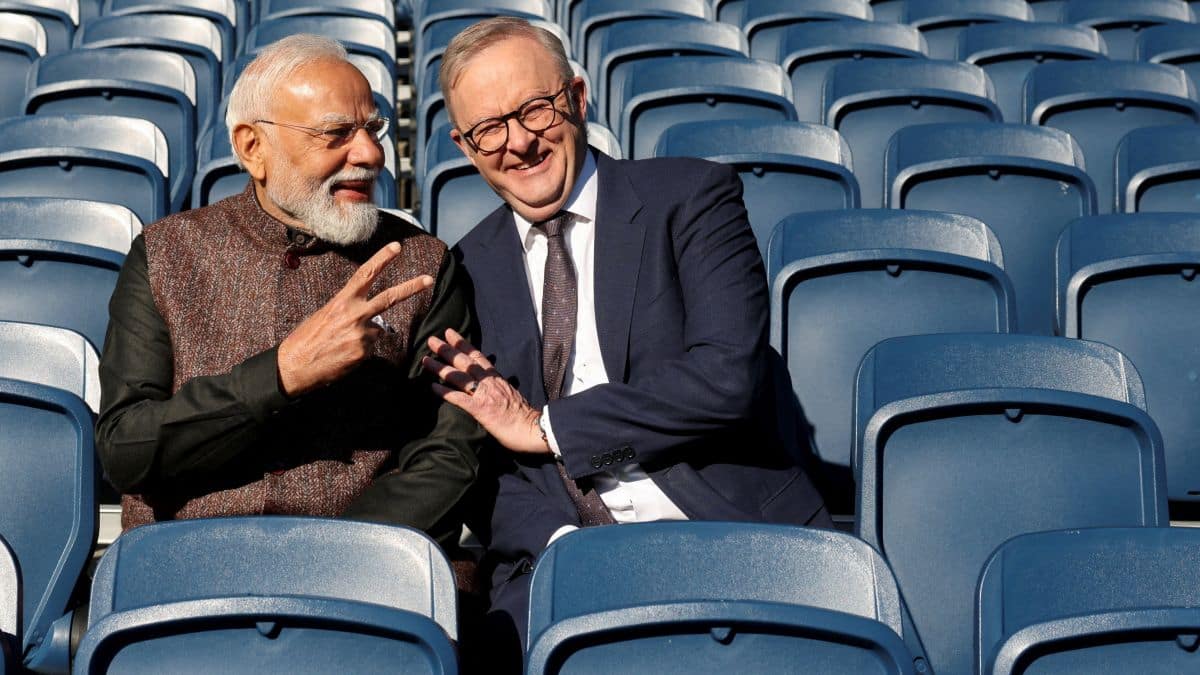
2. During his visit to Australia, PM Modi and his counterpart Anthony Albanese finalised a landmark administrative arrangement for the commercial export of Australian uranium to India for peaceful, civilian energy use. This comes as India prepares for a massive expansion of nuclear power over the next two decades. We explain the significance.
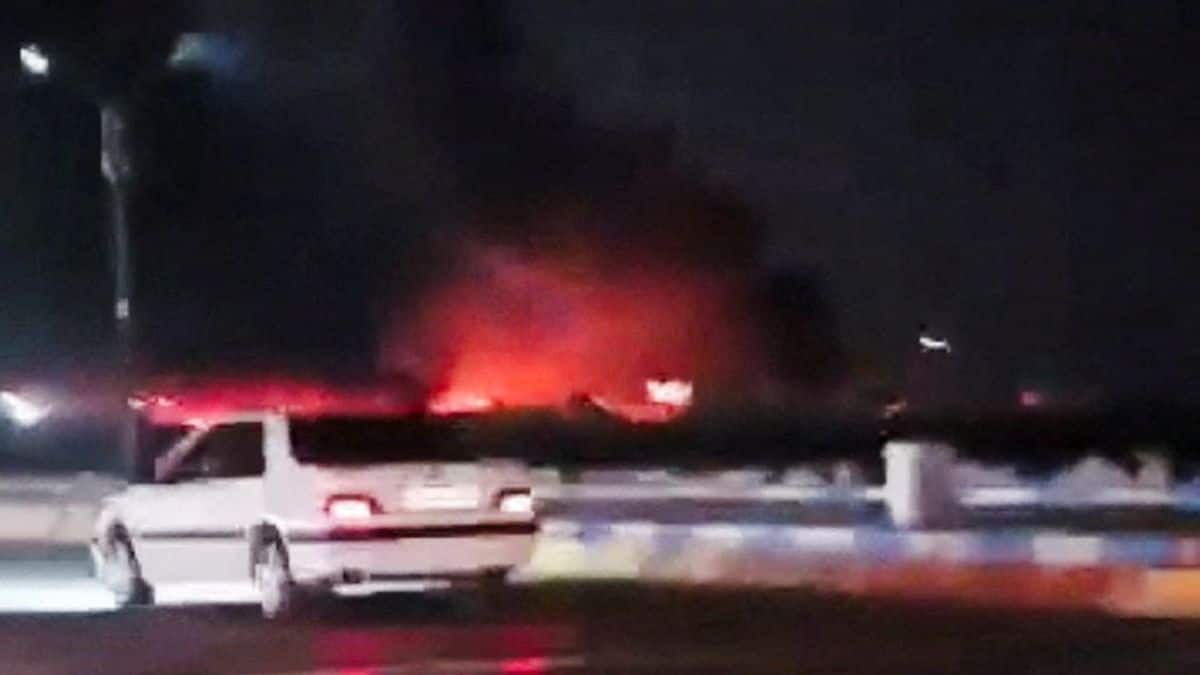
3. West Asia is tense once again. The US and Iran are trading strikes after the IRGC attacked commercial ships in the Strait of Hormuz. Donald Trump declared on Wednesday (July 8) that the ceasefire with the Islamic Republic is “over”. What does the renewed fighting mean for India, which depends on the Strait of Hormuz for a steady supply of oil? Is it a reason to worry?
4. The Trump administration is planning a series of immigration changes. Tighter rules are expected for applicants of H-1B visas, employment-based green cards, and student visas. If implemented, Indian professionals, IT companies, and students will be most affected. Here are the major changes the US is mulling.
5. A gang from Punjab has caught the attention of the FBI. The US justice department has charged jailed gangster Lawrence Bishnoi and his close aide Satinderjeet Singh alias Goldy Brar with ordering the assassination of Khalistani separatist Hardeep Singh Nijjar in Canada.
The crackdown, part of “Operation Hard Ball”, an investigation targeting criminal syndicates allegedly involved in murder, extortion, drug trafficking, and other organised activities across several countries, has put the spotlight on the Lawrence Bishnoi gang. It has killed singer Sidhu Moose Wala, politician Baba Siddique, and has routinely targeted actor Salman Khan. We explain how a local unit from Punjab grew into a transnational criminal syndicate spread across Canada, the US, and Europe.
6. The Indian Armed Forces see a steady retirement of soldiers every year. To avoid a shortfall in manpower, it has decided to retain more Agniveers, who were initially inducted for a four-year tenure. The Navy is expected to retain around 75 per cent of its Agniveers, while the Army and the Indian Air Force may seek an increase to around 50 per cent. This report brings you the details.
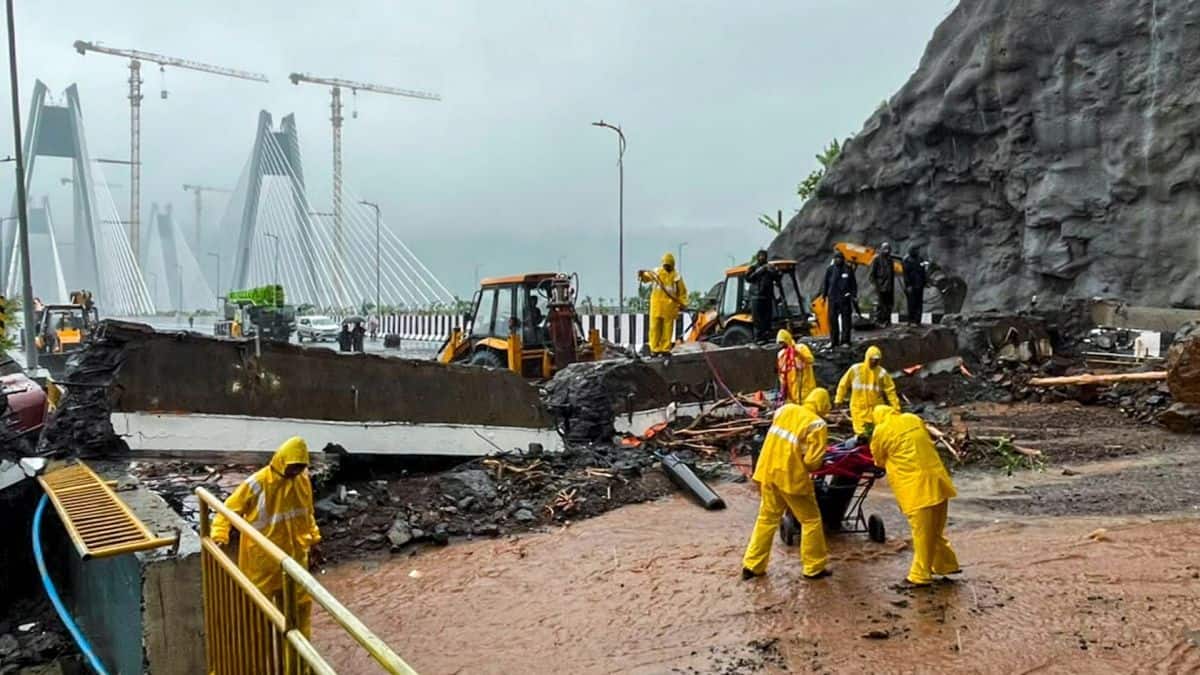
7. It has been a manic monsoon in Maharashtra. Pune and Mumbai witnessed record-breaking rain. Days after the Mumbai-Pune Expressway ‘Missing Link’ was opened to traffic, a landslide near a tunnel brought the corridor to a halt on July 7 (Tuesday). The ambitious Rs 6,695-crore project was designed to ease traffic on this busy stretch of the expressway. So what went wrong?
8. The shocking Lohagad murder continues to unravel. New investigations show that the accused, Siya Goyal, and Chetan Chaudhary were secretly married four months before they plotted the killing of Pune realtor Ketan Agarwal. They had hidden it from their families. The revelation reportedly came to light through WhatsApp chats recovered from their phone.
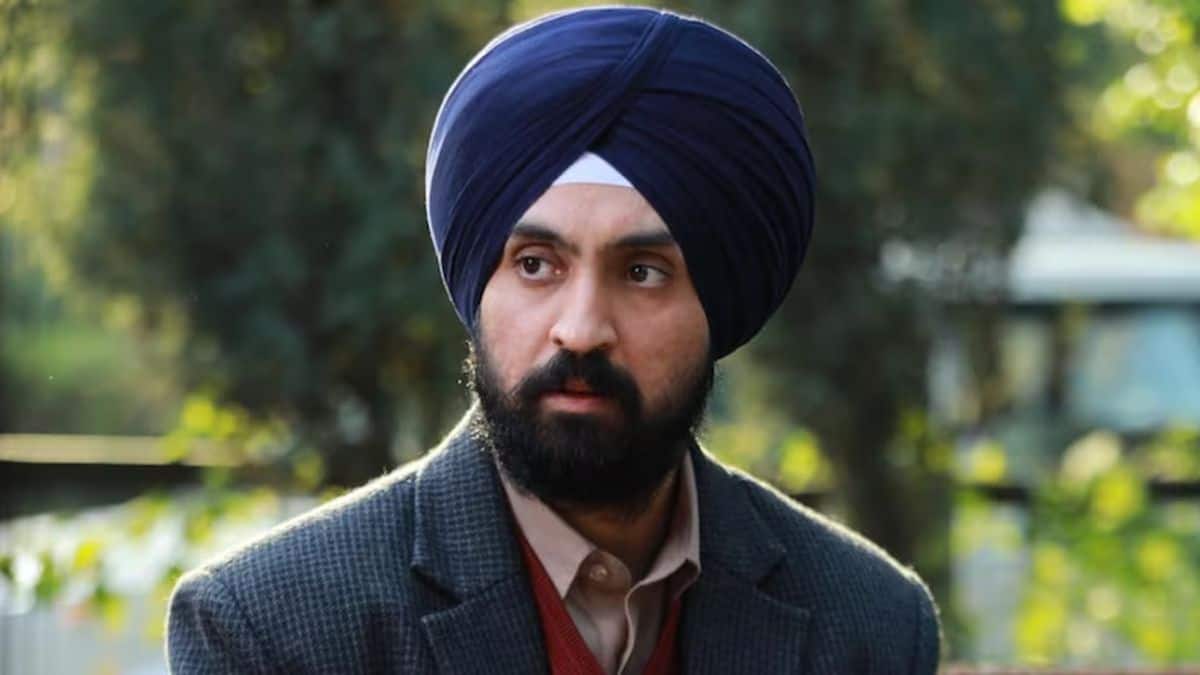
9. Our last story is about Satluj, the Diljit Dosanjh-starrer, which was taken down from the streaming platform ZEE5 two days after it premiered. Originally titled Punjab ’95, the film is based on the life of human rights activist Jaswant Singh Khalra. He campaigned against the disappearance of thousands of Sikh youths during the Punjab militancy from the 1980s to the 1990s. So, who was Khalra, and why was the film made unavailable?
That’s our recco list of stories from India you shouldn’t miss. If you like the way we explain the news, bookmark this page.

Military drones & police check-ups: How Sri Lanka is fighting against worst dengue outbreak in a decade
How Facebook job ad lured 2 Karnataka men into Myanmar cyber scam camp
Why is India seeing 95% cloud cover despite a Super El Niño?
What is CJP’s fourth demand to the government as protests in Delhi intensify?
The new geography of war: Why the Houthis can no longer be ignored