


This Week in Explainers: Why Europe is battling its hottest June ever
It’s yet another cruel summer in Europe. Temperatures in several parts of France, Spain and the UK have touched 40 degrees Celsius, setting records. In our weekly roundup, we talk about the heatwave, the Venezuela earthquake, and more

An earthquake doublet in Venezuela and an unprecedented heatwave in Europe. The once-in-a-century natural disaster and an extreme weather event marred the world this week.
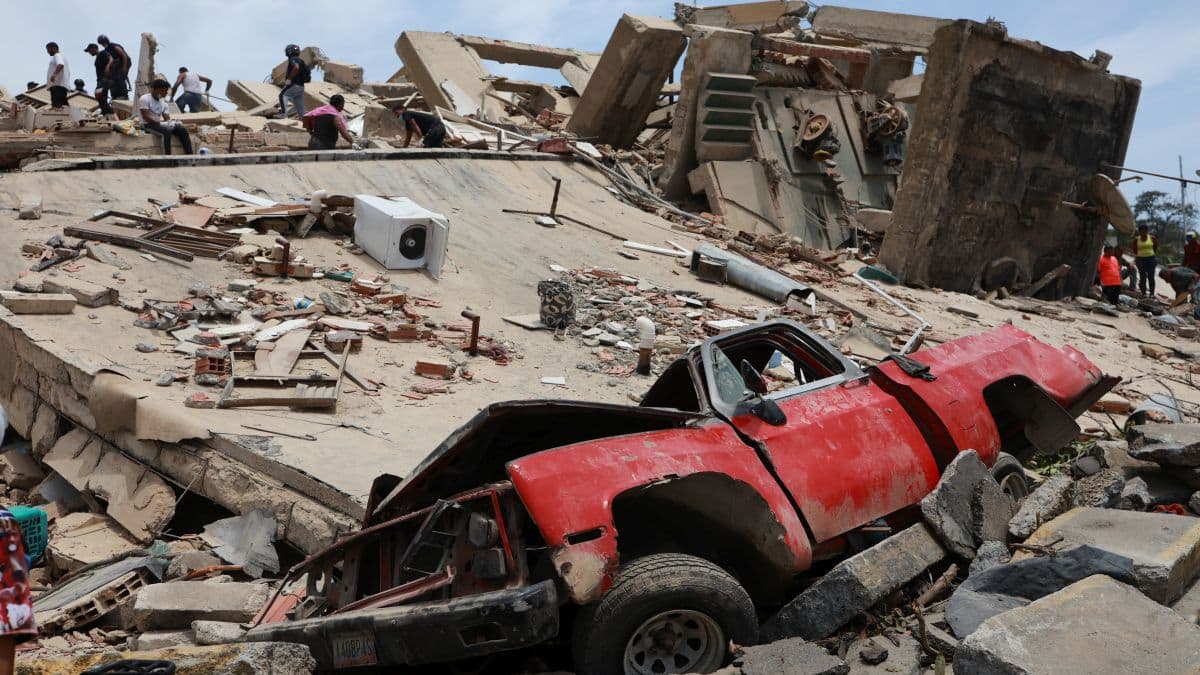
Two back-to-back temblors in Venezuela led to more than 1,400 deaths and left thousands more injured. The quakes with the magnitudes of 7.2 and 7.5 occurred within seconds of each other, making the devastation even more severe. The capital, Caracas, and the nearby coastal city of La Guaira were among the worst affected, where several buildings collapsed like a pack of cards.
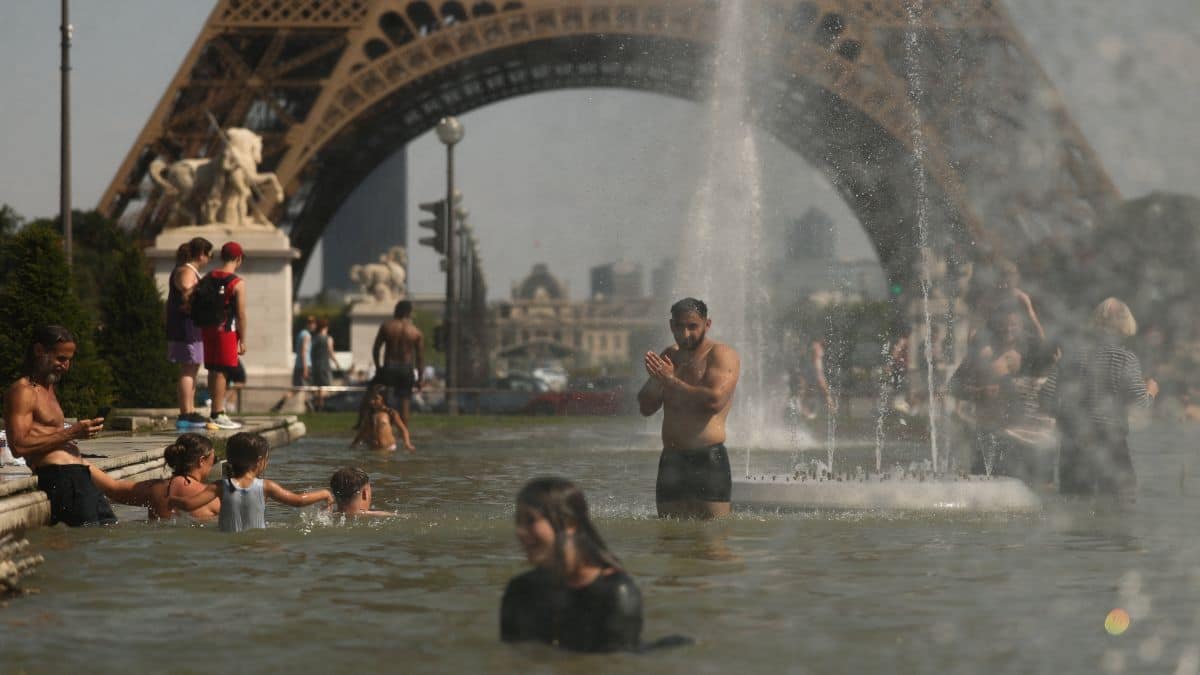
Meanwhile, Western Europe is gripped by a deadly heatwave. On Wednesday (June 24), France recorded its hottest day ever, with temperatures in Paris hitting almost 41 degrees Celsius. Spain also reached its highest daily average since 1950. The UK too has broken its June temperature record. But why is it so hot on the continent? We explain.
 More from Explainers
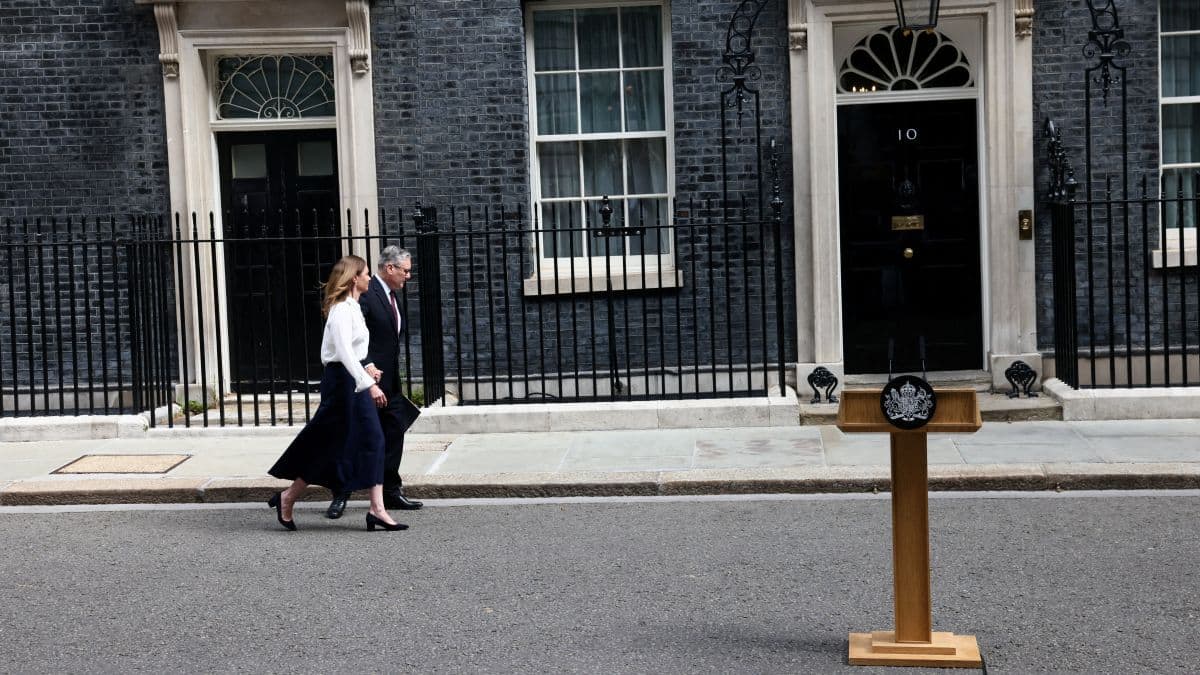
Britain is battling the heat crisis as it faces a leadership challenge. Keir Starmer has resigned as the prime minister – the sixth in 10 years – paving the way for Andy Burnham to take over.
In West Asia, Donald Trump and Iranian officials continue to have disagreements over what was agreed upon in the first round of talks in Switzerland. There have been contradicting reports over frozen Iranian assets and nuclear inspectors.
Amid this, Iran reportedly struck a cargo vessel in the Strait of Hormuz on Thursday (June 25), forcing an UN agency to pause evacuations of stranded seafarers. The attack came after the IRGC warned that vessels would be given safe passage via Iranian routes, once again challenging the US claim that the waterway was open.
We talk about all this and more in our weekly round.
1. If one earthquake is devastating enough, what happens when two strike within seconds of each other? Sounds deadly, but this is exactly what happened in Venezuela. On Wednesday (June 24), the South American nation was jolted by two tremors – 7.2 and 7. 5. Called the earthquake doublet, it was the strongest in a century and left at least 1,400 dead and thousands more injured. The UN estimates around 50,000 people are missing. But why do two back-to-back quakes occur? And how rare are they?
2. It is a cruel summer. A deadly heatwave has swept Europe, with temperatures in several parts crossing 40 degrees Celsius. France, which is among the worst hit, saw a surge in drownings as people rushed to cool off. In the UK, schools were forced to close partially, and train operators, including the country’s largest, warned people against unnecessary travel. The extreme heat is caused by an omega block. But what is it?
3. Heatwave is not the UK’s only bother. Political instability continues in the country. Keir Starmer has stepped down as prime minister, less than two years after the Labour Party returned to power. His resignation propels Andy Burnham into the leadership position. With that, the country will have its seventh PM in 10 years. But why do UK premiers fail to hold on?
4. The US and Iran have agreed to a 14-point memorandum to pause the war. However, what exactly is in the peace plan? It depends on whom you ask. US President Donald Trump and Iranian officials have different versions. The current friction points remain on nuclear inspections in the Islamic Republic and the country’s frozen assets.
5. The fragile peace between Iran and the US is threatened once again. A vessel was hit by a projectile off the coast of Oman on Thursday. While Iran has not claimed responsibility for the attack, the strike came after it threatened ships from using the route through the Strait of Hormuz without Tehran’s permission. Will this put the truce at risk? We explain.
6. For those planning to study in the US, a change is on the cards. The White House has greenlit a proposed regulation from the Department of Homeland Security that would replace the long-standing “Duration of Status” system with fixed periods of authorised stay. This effectively puts an expiry date on student visas. According to Bloomberg, a cap of four years could be implemented. So what does this mean for Indians? We explain.
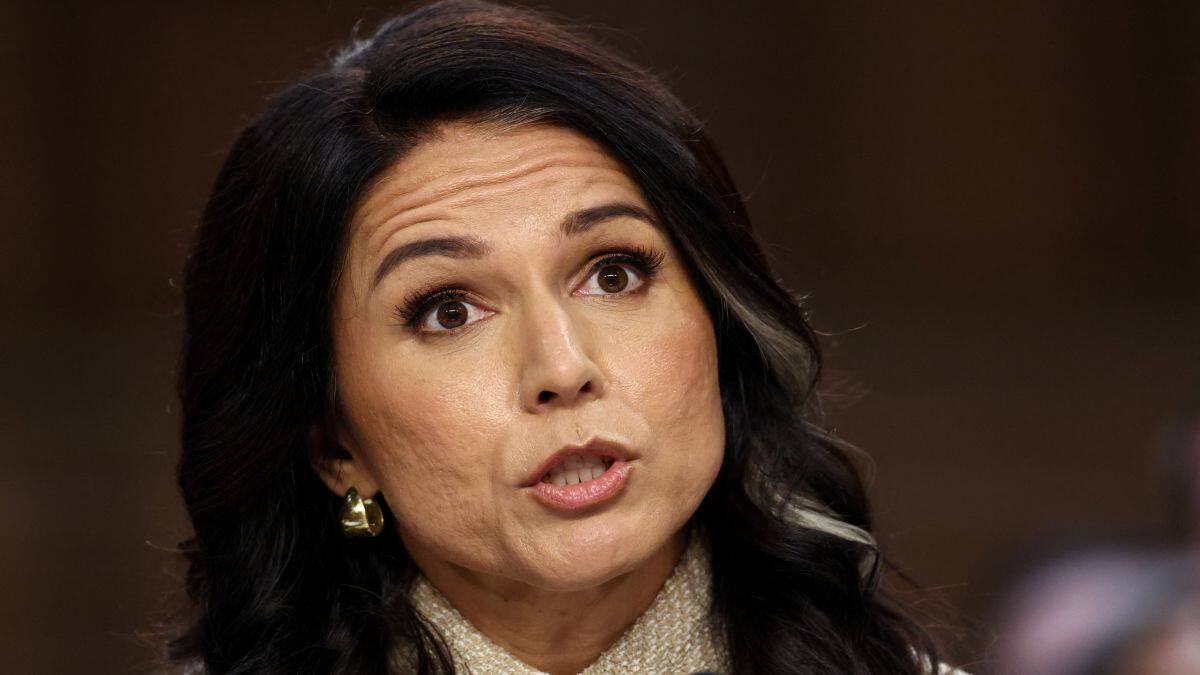
7. Our next story is about secret memos and ‘cult influence’. New leaked documents suggest former US intelligence chief Tulsi Gabbard was taking direct political orders from Chris Butler, leader of the Science of Identity Foundation, a spiritual and philosophical group. A report by the Washington Post exposes how Butler’s circle closely guided Gabbard’s moves throughout much of her early time in Congress. Here is what we know about Butler and the group.
These are recommendations on the news you should not miss. You can find more such explainers here. Happy Sunday.

Military drones & police check-ups: How Sri Lanka is fighting against worst dengue outbreak in a decade
How Facebook job ad lured 2 Karnataka men into Myanmar cyber scam camp
Why is India seeing 95% cloud cover despite a Super El Niño?
What is CJP’s fourth demand to the government as protests in Delhi intensify?
The new geography of war: Why the Houthis can no longer be ignored