


The hole in the ozone layer is shrinking. Here's how it was plugged
According to a UN report, the ozone layer is on track to fully recover within four decades. However, it warns that controversial geoengineering schemes to combat global warming may reverse that progress

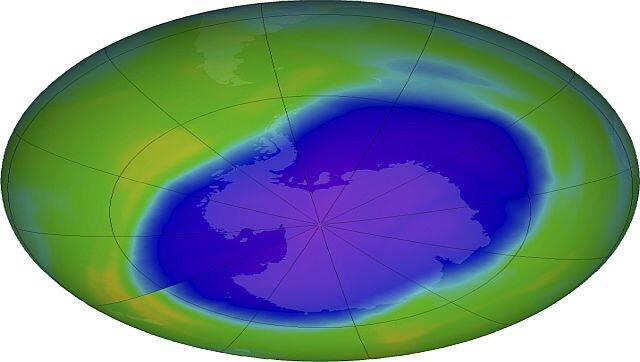
According to a United Nations report, Earth’s protective ozone layer is slowly but noticeably healing at a pace that would fully mend the hole over Antarctica in about 43 years. AP[/caption]In 1990, the Montreal Protocol is strengthened to end the production of CFCs in industrialised countries by the end of 2000. Rich countries also agree to help poorer countries meet the costs of complying with the Protocol.A year later, China joins the accord. India joins in 1992.1995: HCFCsBy late 1995, the European Union has totally banned CFCs and begun eliminating replacement gases called HCFCs (hydrochlorofluorocarbons, used in refrigeration and air-conditioning) which both deplete the ozone and are powerful greenhouse gases.At a conference that December, industrialised countries agree to ban HCFCs by 2020.2006: Record holeThe biggest ever hole seen in the ozone layer over the Antarctic is recorded in late September 2006.In September 2007, a historic accord is reached in Montreal to advance by 10 years to 2030 the elimination of HCFCs by developing states.2016: Gap closingIn June 2016, US and UK researchers write in Science magazine that the hole over the Antarctic is shrinking. They expect it to completely heal by 2050.2023: Recovery within four decadesOn 9 January, 2023 the UN announces that the ozone layer is on track to fully recover within four decades.But it warns controversial geo-engineering schemes to blunt global warming could reverse that progress.Read all the Latest News, Trending News, Cricket News, Bollywood News,India News and Entertainment News here. Follow us on Facebook, Twitter and Instagram.

Military drones & police check-ups: How Sri Lanka is fighting against worst dengue outbreak in a decade
How Facebook job ad lured 2 Karnataka men into Myanmar cyber scam camp
Why is India seeing 95% cloud cover despite a Super El Niño?
What is CJP’s fourth demand to the government as protests in Delhi intensify?
The new geography of war: Why the Houthis can no longer be ignored