


Seeing Red: How eating a vegetarian thali has become costlier
Preparing a 'vegetarian thali' got dearer by 28 per cent in July as compared to June. A non-vegetarian thali was relatively less impacted and the price of preparing one went up by only 11 per cent

The increase in the cost of all vegetables, particularly tomatoes, onions, and chillies, as a result of excessive rains in places where these products are grown, has thrown off the typical household budget. As a result, the cost of a typical vegetarian thali, commonly consumed across several parts of India, has surged by a third in just a month.Preparing a 'vegetarian thali' got dearer by 28 per cent in July as compared to June. A non-vegetarian thali was relatively less impacted and the price of preparing one went up by only 11 per cent, Crisil's 'Roti Rice Rate' report for August said.The report says that the cost of vegetarian thali in Indian families has climbed from Rs 24.4 to Rs 37.7 in the last 17 months, while the cost of non-vegetarian thali has risen from Rs 55.6 to Rs 66.8.Also Read: Why are tomato prices climbing up again?According to the data, the increase has been greatest in the last month (July 2023), with the cost of vegetarian and non-vegetarian thalis jumping by 34 per cent and 13 per cent on-month, respectively, in July.This is the third straight month of thali price inflation, report said, adding that it is also the first time in FY24 that prices have risen year on year.What’s driving the cost? The inflation in the thalis is largely driven by the 233 per cent jump in tomato prices to Rs 110 per kilogramme in July from Rs 33 in June, Crisil explained. It said the average cost of preparing a thali at home is calculated based on input prices prevailing in north, south, east, and west India. And the monthly change represents the impact on the average person's spending.[caption id="attachment_12970262" align="alignnone" width="640"]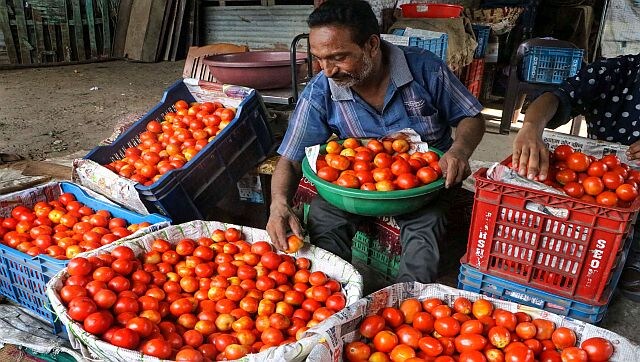 The inflation in the thalis is largely driven by the 233 per cent jump in tomato prices to Rs 110 per kilogramme in July from Rs 33 in June. PTI[/caption]Notably, Crisil claims that this is not the retail price of a thali, which includes overhead costs, staff expenses, and profit margins, but the cost of one prepared at home. A vegetarian thali consists of roti, veggies (onion, tomato, and potato), rice, dal, curd, and salad. In addition, for a non-vegetarian thali, chicken has been considered in place of dal (broiler prices for July 2023 are estimated).Also Read: Not just tomatoes: Why are vegetable prices seeing a rise?The data also includes products like as grains, pulses, broilers, vegetables, spices, edible oil, and cooking gas that have been affecting changes in thali pricing.How are other vegetables contributing to the increase in prices?The prices of onions and potatoes increased 16 per cent and nine per cent on-month, respectively, contributing further to the increase in cost, the report said.[caption id="attachment_12970282" align="alignnone" width="640"]
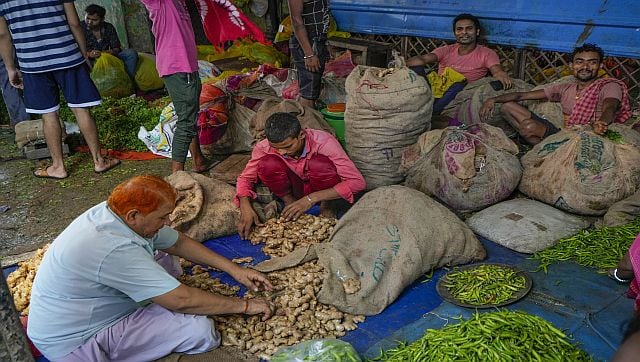 This is the third straight month of thali price inflation, Crisil report said, adding that it is also the first time in FY24 that prices have risen year on year. PTI[/caption]Chilli and cumin prices are up 69 per cent and 16 per cent on-month, but as the quantity required in food preparation is lower, the impact on thali preparation is limited, Crisil said.For the non-vegetarians, the thali cost hike was tempered by a three-five per cent decline in the cost of broiler chicken, which comprises for half of the costs, the report said.A two per cent on-month decline in the price of vegetable oil provided some respite from the increase in cost of both thalis, it said.With inputs from PTI

Military drones & police check-ups: How Sri Lanka is fighting against worst dengue outbreak in a decade
How Facebook job ad lured 2 Karnataka men into Myanmar cyber scam camp
Why is India seeing 95% cloud cover despite a Super El Niño?
What is CJP’s fourth demand to the government as protests in Delhi intensify?
The new geography of war: Why the Houthis can no longer be ignored