


3 visits in 1 week: The scramble by Pakistan’s Mohsin Naqvi to secure US-Iran peace deal
Pakistan’s Interior Minister Mohsin Naqvi has undertaken three trips to Iran in recent days. Fielded by Field Marshal Asim Munir to be his point man, the minister has held key talks with Tehran’s leadership, including his Iranian counterpart Eskandar Momeni, as well as Islamic Revolutionary Guard Corps (IRGC) chief Brigadier General Ahmad Vahidi. He’s also been the one responsible for carrying the latest peace proposal from Washington to Tehran

Pakistan’s Mohsin Naqvi is a busy man.
As Islamabad attempts to position itself as a mediator between Iran and the United States-Israel, Pakistan’s Interior Minister has been making frequent visits to Tehran. Naqvi, during his trips, is said to have held key talks with the Iranian leadership.
But what do we know about his trips? How is Naqvi working overtime to secure a US-Iran peace deal?
Let’s take a closer look.
Naqvi’s frequent visits
As per Moneycontrol, Naqvi made his first unannounced trip to Tehran on May 16 before heading back to Pakistan the next day. He then returned to Tehran on May 18 for a further round of discussions. On Tuesday, Naqvi left for Quetta to meet Pakistani military and civilian officials. He then left for Tehran again on Wednesday, making it his third trip in five days.
 More from Explainers
This comes a month after Naqvi travelled to Iran with Pakistani Field Marshal Asim Munir. During his latest trip, Naqvi held talks with his Iranian counterpart Eskandar Momeni, as well as IRGC chief Brigadier General Ahmad Vahidi. During his previous visit, he met Iranian President Masoud Pezeshkian, Foreign Minister Abbas Araghchi, Parliament Speaker Mohammad Bagher Ghalibaf, and Momeni.
Inside mediation efforts
According to News18, Naqvi was carrying the latest response from Washington to Tehran regarding a possible peace plan.
The Tribune quoted a US source as saying that Trump told Israeli Prime Minister Benjamin Netanyahu that mediators were working on a “letter of intent” that the US and Iran would sign to formally end the war. A month-long period of negotiations would then commence on issues such as Iran’s nuclear programme and the opening of the Strait of Hormuz.
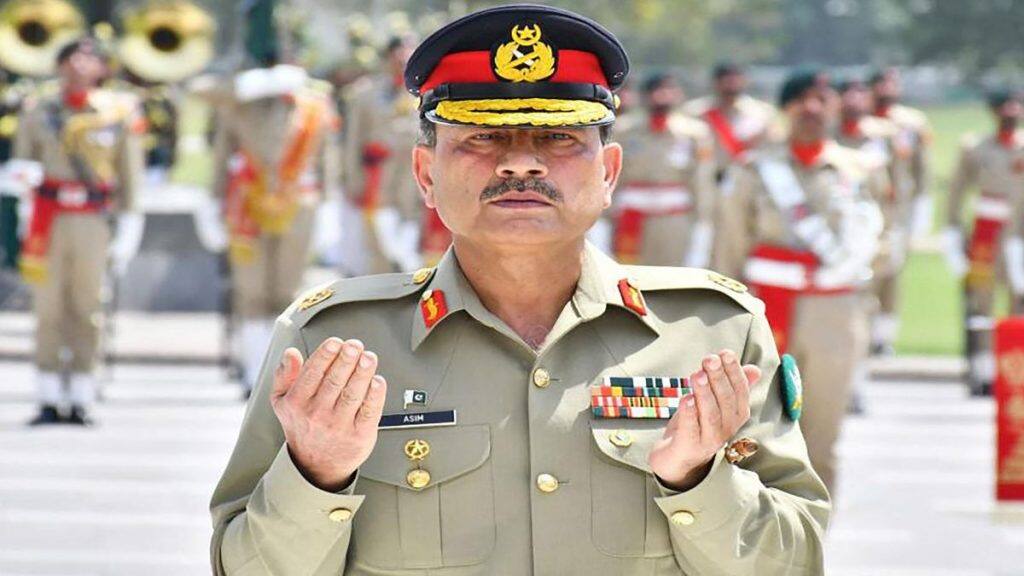
News18 reported that Munir has taken control of the peace process and delegated Naqvi as his intermediary, owing to their personal equation. Meanwhile, Islamabad’s civilian leadership, including Prime Minister Shehbaz Sharif, Foreign Minister Ishaq Dar, and Defence Minister Khawaja Asif, have been left out of the loop. However, The Tribune reported that Naqvi briefed both Sharif and Munir on the latest developments.
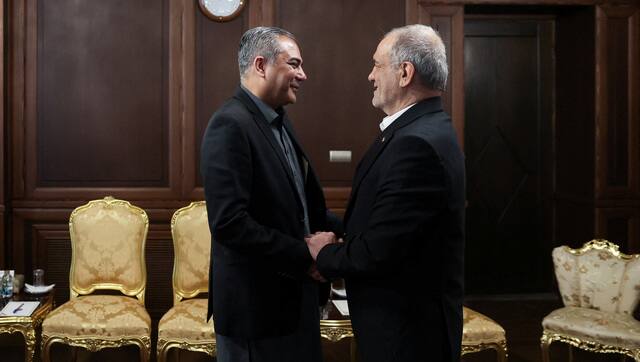
As per News18, Naqvi holding direct talks with IRGC Brigadier General Vahidi is also seen as a key development. The outlet reported that this is because the IRGC leadership handles Iran’s regional security operations and proxy networks.
Sources told Anadolu that Naqvi met Iranian President Masoud Pezeshkian and Foreign Minister Abbas Araghchi. Pakistan’s mediation efforts between Washington and Tehran have entered a “critical phase”, the sources added.
“Currently, Pakistan’s top priority is to further strengthen the ceasefire and persuade both sides to hold another round of direct talks,” the sources said. They added that the chances for a second round of direct negotiations in Islamabad have improved following recent developments, including US President Donald Trump’s decision to postpone planned strikes on Iran.
They said Pakistan is reaching out to other stakeholders in the region. “That is why Pakistan is pushing and persuading both sides not to give up on diplomatic efforts,” a source added.
Pezeshkian, after his meeting with Naqvi, wrote on X: “Iran has consistently honoured its commitments and explored every avenue to avert war; all paths remain open from our side. Forcing Iran to surrender through coercion is nothing but an illusion. Mutual respect in diplomacy is far wiser, safer, and more sustainable than war.”
Saudi Foreign Minister Faisal bin Farhan Al Saud, in a statement on X, had welcomed President Trump’s decision to “give diplomacy a chance” in order to reach an agreement to end the war and restore “the security and freedom of maritime navigation in the Strait of Hormuz to its state prior to February 28, 2026.”
“Saudi Arabia also highly appreciates the ongoing mediation efforts carried out by Pakistan in this regard. Saudi Arabia looks forward to Iran seizing the opportunity to avoid the dangerous implications of escalation and urgently responding to efforts to advance negotiations leading to a comprehensive agreement to achieve lasting peace in the region and the world,” he added.
'Waiting for right answers'
President Donald Trump suggested he could wait a few days for “the right answers” from Tehran but was also willing to resume attacks. Six weeks since a fragile ceasefire took effect, talks to end the war have made little progress, while soaring oil prices have raised concerns over inflation and the global economy.
Trump also faces domestic pressure ahead of November’s midterm elections, with his approval rating dropping close to its lowest since returning to the White House, amid rising fuel prices. Munir will decide on Thursday whether to travel to Tehran as part of the mediation effort, sources familiar with the negotiations told Reuters.
They requested anonymity as they were not authorised to speak to the media. “We’re speaking to all the various groups in Iran to streamline communication so that things pick up pace,” said one source. “Trump’s patience running thin is a concern, but we’re working on the pace at which messages are relayed from each side.”
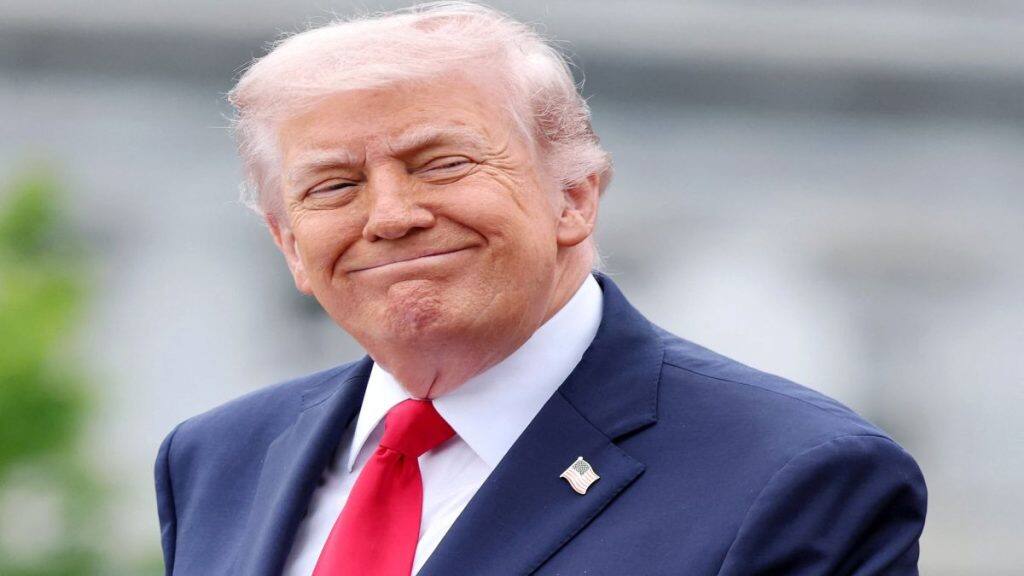
“Believe me, if we don’t get the right answers, it goes very quickly. We’re all ready to go,” Trump told reporters at Joint Base Andrews. Asked how long he would wait, Trump said, “It could be a few days, but it could go very quickly.”
Trump reiterated his determination not to allow Iran to acquire a nuclear weapon. “We’re in the final stages with Iran. We’ll see what happens. Either we have a deal or we’re going to do some things that are a little bit nasty, but hopefully that won’t happen,” he said earlier.
Iran’s Revolutionary Guards have warned against renewed attacks. “If aggression against Iran is repeated, the promised regional war will extend beyond the region this time,” they said in a statement.
FAQs
1. Why is Mohsin Naqvi visiting Tehran frequently?
Mohsin Naqvi is acting as Pakistan’s intermediary in efforts to mediate between the United States and Iran, carrying messages and proposals between both sides.
2. What role is Pakistan playing in the US-Iran conflict?
Pakistan is positioning itself as a key mediator, attempting to facilitate ceasefire stability and push both nations towards direct negotiations.
3. What is at stake in the US-Iran peace talks?
Key issues include Iran’s nuclear programme, regional security, and the reopening of the Strait of Hormuz, which is vital for global oil trade
With inputs from agencies

Military drones & police check-ups: How Sri Lanka is fighting against worst dengue outbreak in a decade
How Facebook job ad lured 2 Karnataka men into Myanmar cyber scam camp
Why is India seeing 95% cloud cover despite a Super El Niño?
What is CJP’s fourth demand to the government as protests in Delhi intensify?
The new geography of war: Why the Houthis can no longer be ignored