


Safety problems, inadequate training: The reasons behind Greece's worst rail disaster
According to a report released on Thursday by government experts, Greece's worst rail disaster, which killed 57 people, was caused by a number of factors in a railway system plagued by chronic problems

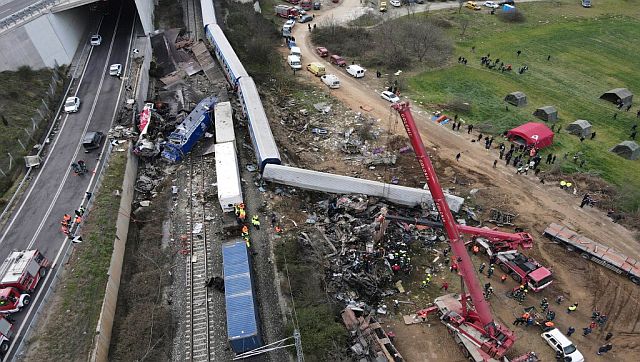
A passenger train carrying hundreds of people, including many university students returning home from holiday, collided at high speed with an oncoming freight train. File image/AP[/caption]The stationmaster on duty near the site of the crash admitted to being partially responsible and faces a host of charges, including endangering transport safety and negligent homicide. He is in pre-trial detention.The report said the man should not have been in his post in the first place — his request to be transferred to the position should have been rejected, as he lacked the required qualifications, was older than 48, and did not have sufficient training.Three other rail workers have also been charged over the crash.The report also said that if the signalling and control system were operating properly, it could have prevented the collision."The problems of the Greek railways are chronic and are largely related to the gradual preference of citizens for alternative modes of transport due to the development of road axes and other forms of transport such as aviation," the report said.Photos unveil story: Hell On The Tracks: Train journey in Greece ends in death after horrific head-on collisionGreece's rail watchdog said after the collision that it had found serious safety problems across the network, including inadequate basic training for critical staff.The report, compiled by a committee of experts appointed by the government, was delivered earlier this week to Minister of State George Gerapetritis and was handed over to the prosecutor's office on Wednesday.The head of the engine drivers' union, Costas Genidounias, said in a social media post that the union was not invited to talk to the committee.Read all the Latest News, Trending News, Cricket News, Bollywood News,India News and Entertainment News here. Follow us on Facebook, Twitter and Instagram.

Military drones & police check-ups: How Sri Lanka is fighting against worst dengue outbreak in a decade
How Facebook job ad lured 2 Karnataka men into Myanmar cyber scam camp
Why is India seeing 95% cloud cover despite a Super El Niño?
What is CJP’s fourth demand to the government as protests in Delhi intensify?
The new geography of war: Why the Houthis can no longer be ignored