


Now MPs are quitting the Trinamool. Can Mamata Banerjee’s party survive?
What began as a rebellion among MLAs in West Bengal after the TMC's defeat in the Assembly polls by the BJP has now spread to Parliament. Around 20 dissident MPs have written to Lok Sabha Speaker Om Birla seeking to join the NDA, while senior leader Sukhendu Sekhar Ray has declared that the party 'will not survive'

The crisis within the Trinamool Congress has deepened.
What began as a rebellion among MLAs in West Bengal following the party’s defeat in the Assembly polls has now spread to Parliament, with resignations and open dissent.
Arguably, the most dangerous development to date has now occurred with reports of MPs joining the NDA and ex-senior TMC leader Sukhendu Sekhar Ray declaring that the Trinamool Congress “will not survive” in its current form. Ray even suggested that more MPs could join the rebellion. The party is now facing “an existential crisis in both Bengal and Delhi”, underlining the scale of the turmoil.
But what happened? What do we know? Will the Banerjee-led party survive?
Let’s take a closer look.
From Assembly revolt to parliamentary crisis
The immediate trigger for the crisis was the rebellion among Trinamool MLAs following the party’s defeat in the 2026 West Bengal Assembly election. Dissident legislators challenged the leadership, exposing fault lines that had remained hidden during the party’s years in power.
 More from Explainers
Over two-thirds of TMC MLAs are already in open revolt, highlighting the extraordinary scale of the internal breakdown. The origins of this unrest lie in the immediate aftermath of the electoral defeat, when several leaders began expressing “displeasure against the party leadership and the high-handedness of Abhishek Banerjee”, according to News18.
Now, that unrest has escalated to the national stage. According to the report, around 20 dissident MPs have written to Lok Sabha Speaker Om Birla seeking to join the NDA. Sources told the outlet that Kakoli Ghosh Dastidar would lead this faction of the TMC. The Barasat MP has been considered a close aide of Mamata.
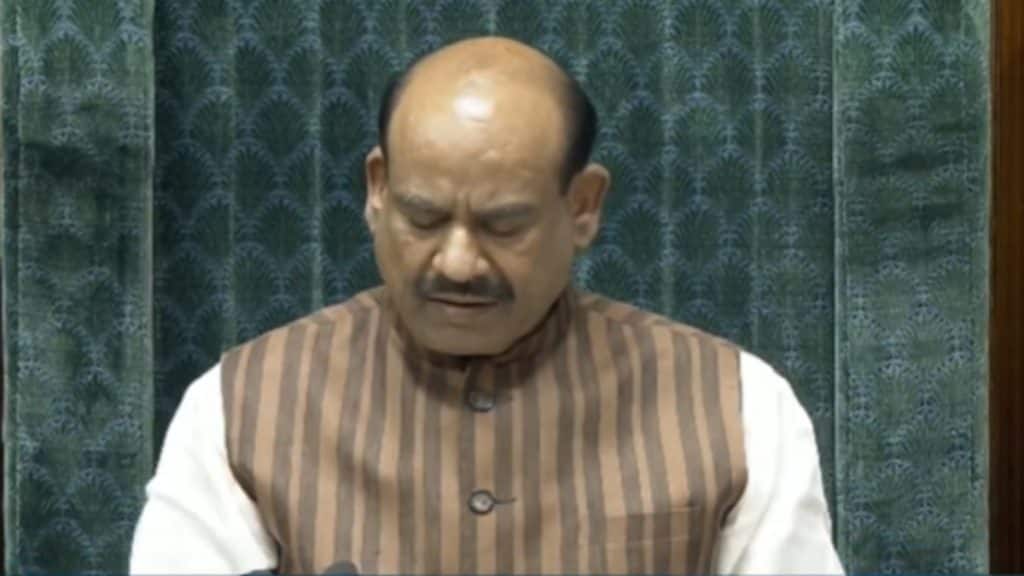
The report describes this as a coordinated move by a group of MPs who are no longer willing to function within the party’s existing structure—a crisis that could have national implications. It also calls the development “a blow of seismic proportions to Mamata Banerjee’s carefully crafted legacy”.
Sukhendu Sekhar Ray’s resignation
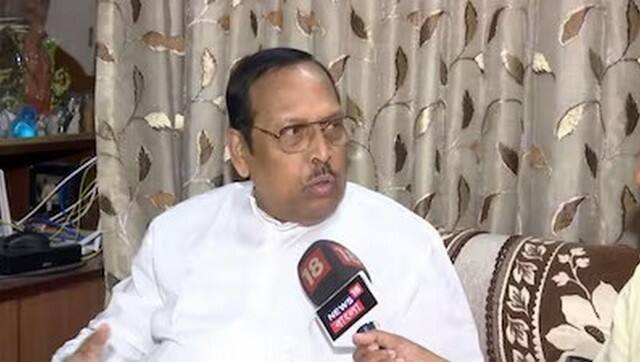
The departure of Sukhendu Sekhar Ray has only added to the instability. Ray, has quit his position as an MP in the Rajya Sabhaand the party.
According to The Indian Express, Ray was among the party’s most prominent parliamentary figures and a long-time associate of Mamata Banerjee. His resignation represents a fracture within the party’s core leadership circle.
Ray told News18 that the party, in its current form, cannot survive.
“The incident where 60 out of 80 members completely walked out of the Assembly and declared a rebellion is unprecedented. This party will not survive,” Ray was quoted as saying. “It is impossible that this will not have an impact on the MPs. Something major is about to unfold in the Lok Sabha very soon. After the Lok Sabha, the Rajya Sabha will likely follow.”
Commenting on the RG Kar rape and murder incident, Ray told The Times of India: “Power had gone to their heads to such an extent that they believed no one in the world could touch them.”
“For the first time in Bengal’s history, a BJP government has come to power in West Bengal... Voter turnout hit an all-time record of 97 or 98 per cent... No analysis was conducted by the party regarding this. Those who held power over the last 15 years—ministers, panchayat leaders, councillors, mayors and so on—became inaccessible. It was difficult to even approach them. They had lost touch with the ground reality. Our party workers, who strengthened the organisation with their blood and sweat, those who fought against the Left Front for years, were sidelined. Instead, middlemen, thieves, dacoits and rapists came to the forefront,” Ray added.
‘Phones switched off’
Perhaps no development has better captured the internal strife than the behaviour of some party leaders. As per NDTV, several leaders have been “unreachable”, with their phones “switched off” even as the party leadership attempted to contact them.
The report also refers to a senior Trinamool MP travelling from Mumbai to Kolkata who had an unplanned layover in Delhi. During his time in the capital, the MP reportedly met a few people discreetly.
This apparent breakdown in communication reflects a deeper issue. As News18 notes, leaders had “become inaccessible” and “lost touch with the ground reality”, reinforcing the perception that the crisis is rooted in a widening disconnect between the leadership and the organisation.
According to NDTV, another telling detail is how Mamata is being addressed. Previously called ‘Didi’ by her party followers, she is now being referred to simply as ‘Mamata’.
The succession issue
While the West Bengal election loss was the immediate trigger for the crisis, the bigger issue appears to be leadership and succession. Much of the ire seems to be directed not at Mamata Banerjee herself but at her nephew, Abhishek Banerjee.
Dissident leaders, according to News18, have pointed to “deep-rooted corruption” and accused the leadership of being “increasingly inaccessible and ignorant of public anger and misgovernance”.
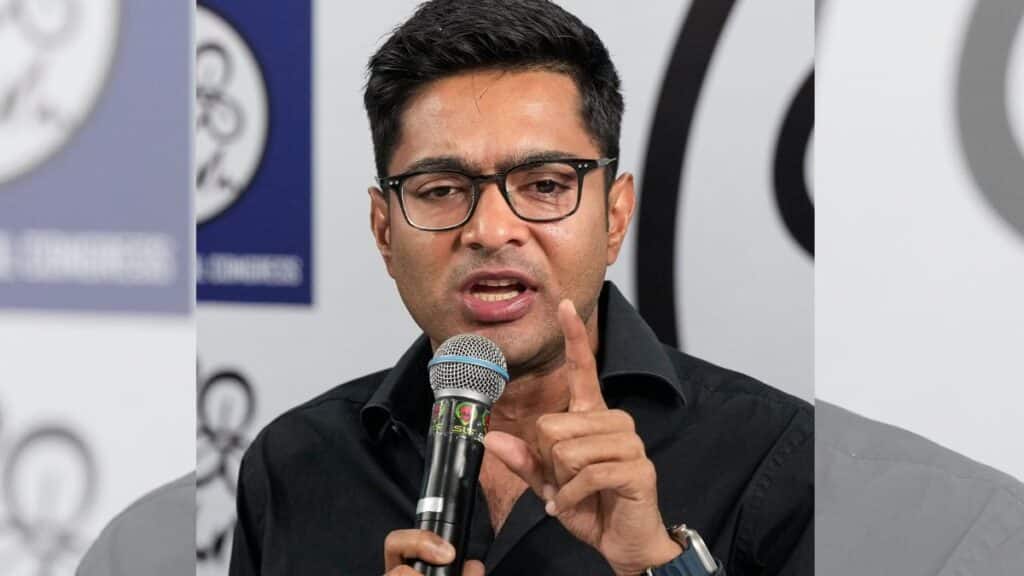
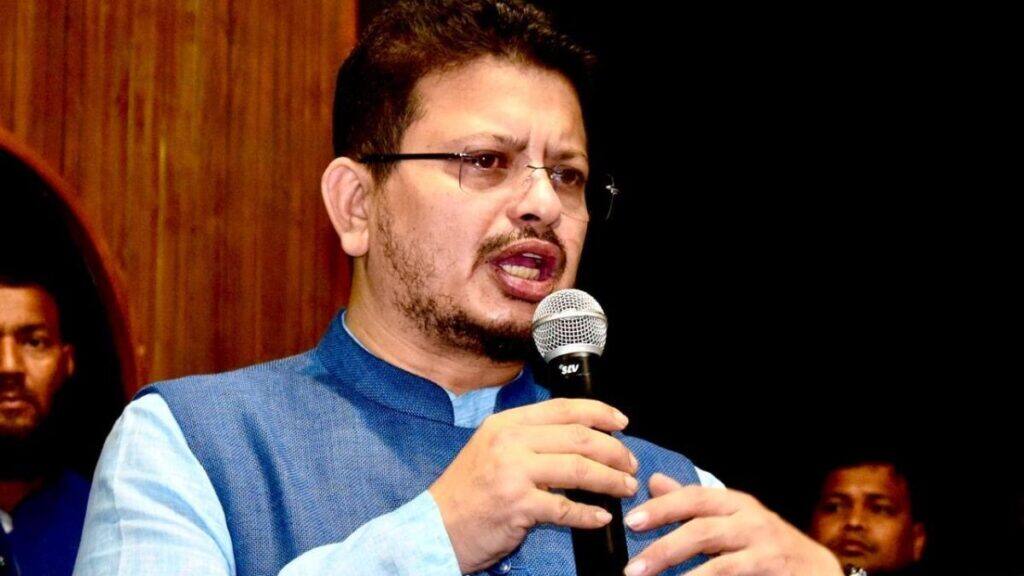
However, many of the rebels who have sided with Ritabrata Banerjee have continued to express loyalty to Mamata even as they attempt to transform the party. Ritabrata last week suggested that Mamata Banerjee could serve as the “chief adviser” to a restructured legislature party, though this did not go down well with a section of the rebel camp.
“We were told that the party would continue under Mamata Banerjee’s leadership. She is not merely an adviser. We want the party to function under her leadership,” rebel MLA Gulshan Mullick told PTI.
Why this crisis is different
Internal party warfare is not new to Indian politics. What makes the Trinamool crisis distinct is its scale and coordination. First, it spans both the state Assembly and Parliament. Second, it involves senior leaders rather than marginal figures.
Third, it includes organised steps, such as the reported letter by MPs to the Lok Sabha Speaker. Finally, the crisis is unfolding in public view, with leaders openly voicing criticism and uncertainty about the party’s future. As News18 observes, the sequence—from criticism to resignations to a full-fledged revolt—has raised fundamental questions about the future of the Trinamool Congress and Mamata Banerjee’s hold over it.
Can the party still survive?
Despite the severity of the situation, it would be slightly premature to conclude that the Trinamool Congress is on the verge of collapse. Mamata continues to hold significant political capital. Her personal appeal and long-standing connection with voters in West Bengal remain key assets for the party.
On the other hand, this crisis appears unprecedented for the TMC. In just over a month, News18 notes, Mamata Banerjee has gone from being “West Bengal’s undisputed political hegemon” to facing the most serious internal challenge of her political career.
FAQs
1. What triggered the crisis within the Trinamool Congress?
The crisis began after the party’s defeat in the 2026 West Bengal Assembly election, which led to a large-scale rebellion among MLAs.
2. Why are TMC MPs seeking to join the NDA?
Around 20 dissident MPs have reportedly written to Lok Sabha Speaker Om Birla expressing their intention to join the NDA. This move reflects a coordinated breakaway by leaders who are unhappy with the party’s functioning, leadership style, and internal power structure.
3. Is the Trinamool Congress likely to collapse?
While the crisis is serious and unprecedented in scale, it may be premature to conclude that the party will collapse. Mamata Banerjee still retains significant personal influence and organisational support, though the rebellion poses a major challenge to her leadership and the party’s future stability.
With inputs from agencies

Military drones & police check-ups: How Sri Lanka is fighting against worst dengue outbreak in a decade
How Facebook job ad lured 2 Karnataka men into Myanmar cyber scam camp
Why is India seeing 95% cloud cover despite a Super El Niño?
What is CJP’s fourth demand to the government as protests in Delhi intensify?
The new geography of war: Why the Houthis can no longer be ignored