
Advertisement


Sections
Stub it Out: How New Zealand's new tobacco law will ban the next generation from smoking
To achieve its goal of becoming smoke-free by 2025, New Zealand has passed a bill that bans the sale of tobacco to anyone born on or after 1 January 2009. Under the new law, the legal amount of nicotine in tobacco products will also be slashed

New Zealand has taken another step to achieve its goal of becoming smoke-free by 2025.On Tuesday (13 December), the country’s Parliament passed an anti-smoking bill that bans the sale of tobacco to anyone born on or after 1 January 2009.The Smokefree Environments and Regulated Products (Smoked Tobacco) Amendment Bill, which aims to phase out tobacco smoking, will be enforced in 2023.What does the new anti-smoking law state? How vaping has ramped up in New Zealand? We explain.Anti-smoking lawUnder the new legislation, only 600 stores would be allowed to sell tobacco nationwide instead of about 6,000.The legal amount of nicotine in tobacco products would also be reduced, reported The Guardian.As per CNN, a fine of up to NZ$150,000 (about $96,000) would be imposed on those violating the new law.Associate health minister Dr Ayesha Verrall told lawmakers in Parliament, “There is no good reason to allow a product to be sold that kills half the people that use it”.“And I can tell you that we will end this in the future, as we pass this legislation”, she added, as per Associated Press (AP)."It means nicotine will be reduced to non-addictive levels and communities will be free from the proliferation and clustering of retailers who target and sell tobacco products in certain areas," Verrall was quoted as saying by BBC. [caption id="attachment_11808381" align="alignnone" width="640"]![new zealand smoking]() The amount of nicotine in tobacco products will also be reduced. AFP (Representational Image)[/caption]Further, the minister argued that billions of dollars would be saved as tobacco-related health issues could be prevented.“Thousands of people will live longer, healthier lives and the health system will be $5bn better off from not needing to treat the illnesses caused by smoking, such as numerous types of cancer, heart attacks, strokes, amputations”, she was quoted as saying by The Guardian.New Zealand’s crackdown on smokingNew Zealand already controls the sale of cigarettes for those aged 18 and above.The country also prohibits smoking in several indoor workplaces and on public transport.Tobacco packs also have to carry graphic health warnings and cigarettes are sold in standardized packs in the country, AP reported.In 2018, the country also banned smoking inside vehicles with children.Smoking affects Māoris moreAmong the overall population in the country, smoking rates are higher among indigenous Māori.Science.org states that the health burden of smoking falls disproportionately on the Māori community, 19.9 per cent of those who smoke.The life expectancy for Māori men is 73.4 years and for women is 77.1 years.While for Kiwis of European descent, the life expectancy is 81 years for men and 84.5 for women, as per Science.org.Andrew Waa, a public health specialist at the University of Otago, Wellington, told Sciene.org, “Tobacco was introduced to the islands by Europeans in the late 1700s, and the lingering impacts of colonialism and racism mean Māori still have fewer of the social, institutional, and economic resources available to help citizens trying to quit smoking”.To address this inequity, New Zealand has enhanced funds for health services and campaigns, and launched quitting services specifically for Māori and Pacific communities, reported The Guardian.Decline in smoking, rise in vaping
The amount of nicotine in tobacco products will also be reduced. AFP (Representational Image)[/caption]Further, the minister argued that billions of dollars would be saved as tobacco-related health issues could be prevented.“Thousands of people will live longer, healthier lives and the health system will be $5bn better off from not needing to treat the illnesses caused by smoking, such as numerous types of cancer, heart attacks, strokes, amputations”, she was quoted as saying by The Guardian.New Zealand’s crackdown on smokingNew Zealand already controls the sale of cigarettes for those aged 18 and above.The country also prohibits smoking in several indoor workplaces and on public transport.Tobacco packs also have to carry graphic health warnings and cigarettes are sold in standardized packs in the country, AP reported.In 2018, the country also banned smoking inside vehicles with children.Smoking affects Māoris moreAmong the overall population in the country, smoking rates are higher among indigenous Māori.Science.org states that the health burden of smoking falls disproportionately on the Māori community, 19.9 per cent of those who smoke.The life expectancy for Māori men is 73.4 years and for women is 77.1 years.While for Kiwis of European descent, the life expectancy is 81 years for men and 84.5 for women, as per Science.org.Andrew Waa, a public health specialist at the University of Otago, Wellington, told Sciene.org, “Tobacco was introduced to the islands by Europeans in the late 1700s, and the lingering impacts of colonialism and racism mean Māori still have fewer of the social, institutional, and economic resources available to help citizens trying to quit smoking”.To address this inequity, New Zealand has enhanced funds for health services and campaigns, and launched quitting services specifically for Māori and Pacific communities, reported The Guardian.Decline in smoking, rise in vaping ![New Zealand vaping]() More and more people are vaping in New Zealand. AP File Photo[/caption]The new law, which regulates smoking, will not restrict vape sales.Around 8.3 per cent of adults vape daily in New Zealand, an increase from 6.2 per cent in 2021, the data released in November revealed.Citing New Zealand Health Survey, The Conversation reported that the number of Kiwis who vape daily in the age group of 15-17 has tripled in two years, from two per cent in 2018-19 to six per cent in 2020-21.In the 18 to 24 age group, daily vaping has surged from five per cent to 15 per cent.ALSO READ: Why New Zealand is mulling a law to make Facebook, Google pay for newsReactions on outlawing smokingNew Zealand’s libertarian ACT party has opposed the anti-smoking bill, saying many small retailers such as corner stores would lose business as they would not be able to sell cigarettes.“We stand opposed to this bill because it's a bad bill and its bad policy, its that straightforward and simple,” Brooke van Velden, ACT’s deputy leader, said as per AP.“There won't be better outcomes for New Zealanders”, she added.Flagging concern about the cropping up of a large black market, Velden said the “gradual ban” amounted to "nanny-state prohibition", reported AP.Not everyone is unhappy though.Last year, when the country announced it would outlaw smoking for the next generation, Dr Natalie Walker, director of the Centre for Addiction Research at University of Auckland had told The Guardian, “New Zealand once again leads the world – this time with a cutting-edge smoke-free 2025 implementation plan – it’s truly a game changer”.With inputs from agenciesRead all the Latest News, Trending News, Cricket News, Bollywood News,India News and Entertainment News here. Follow us on Facebook, Twitter and Instagram.
More and more people are vaping in New Zealand. AP File Photo[/caption]The new law, which regulates smoking, will not restrict vape sales.Around 8.3 per cent of adults vape daily in New Zealand, an increase from 6.2 per cent in 2021, the data released in November revealed.Citing New Zealand Health Survey, The Conversation reported that the number of Kiwis who vape daily in the age group of 15-17 has tripled in two years, from two per cent in 2018-19 to six per cent in 2020-21.In the 18 to 24 age group, daily vaping has surged from five per cent to 15 per cent.ALSO READ: Why New Zealand is mulling a law to make Facebook, Google pay for newsReactions on outlawing smokingNew Zealand’s libertarian ACT party has opposed the anti-smoking bill, saying many small retailers such as corner stores would lose business as they would not be able to sell cigarettes.“We stand opposed to this bill because it's a bad bill and its bad policy, its that straightforward and simple,” Brooke van Velden, ACT’s deputy leader, said as per AP.“There won't be better outcomes for New Zealanders”, she added.Flagging concern about the cropping up of a large black market, Velden said the “gradual ban” amounted to "nanny-state prohibition", reported AP.Not everyone is unhappy though.Last year, when the country announced it would outlaw smoking for the next generation, Dr Natalie Walker, director of the Centre for Addiction Research at University of Auckland had told The Guardian, “New Zealand once again leads the world – this time with a cutting-edge smoke-free 2025 implementation plan – it’s truly a game changer”.With inputs from agenciesRead all the Latest News, Trending News, Cricket News, Bollywood News,India News and Entertainment News here. Follow us on Facebook, Twitter and Instagram.
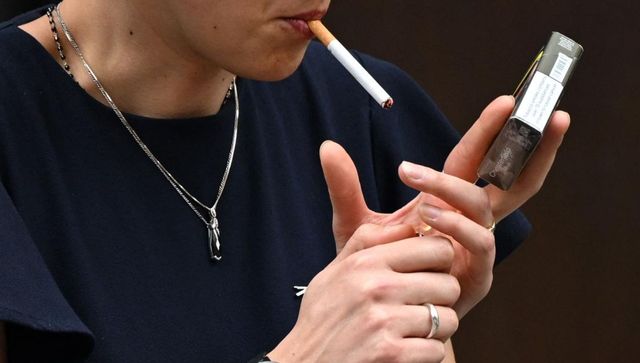 The amount of nicotine in tobacco products will also be reduced. AFP (Representational Image)[/caption]Further, the minister argued that billions of dollars would be saved as tobacco-related health issues could be prevented.“Thousands of people will live longer, healthier lives and the health system will be $5bn better off from not needing to treat the illnesses caused by smoking, such as numerous types of cancer, heart attacks, strokes, amputations”, she was quoted as saying by The Guardian.New Zealand’s crackdown on smokingNew Zealand already controls the sale of cigarettes for those aged 18 and above.The country also prohibits smoking in several indoor workplaces and on public transport.Tobacco packs also have to carry graphic health warnings and cigarettes are sold in standardized packs in the country, AP reported.In 2018, the country also banned smoking inside vehicles with children.Smoking affects Māoris moreAmong the overall population in the country, smoking rates are higher among indigenous Māori.Science.org states that the health burden of smoking falls disproportionately on the Māori community, 19.9 per cent of those who smoke.The life expectancy for Māori men is 73.4 years and for women is 77.1 years.While for Kiwis of European descent, the life expectancy is 81 years for men and 84.5 for women, as per Science.org.Andrew Waa, a public health specialist at the University of Otago, Wellington, told Sciene.org, “Tobacco was introduced to the islands by Europeans in the late 1700s, and the lingering impacts of colonialism and racism mean Māori still have fewer of the social, institutional, and economic resources available to help citizens trying to quit smoking”.To address this inequity, New Zealand has enhanced funds for health services and campaigns, and launched quitting services specifically for Māori and Pacific communities, reported The Guardian.Decline in smoking, rise in vaping
 New Zealand has one of the lowest smoking rates in the world.As per data released in November, the number of people smoking daily slipped to eight per cent as compared to 9.4 per cent last year, The Guardian reported.As many as 56,000 people had quit smoking over the past year in the country.Although smoking figures are declining in New Zealand, vaping is on the rise.[caption id="attachment_11808391" align="alignnone" width="640"]
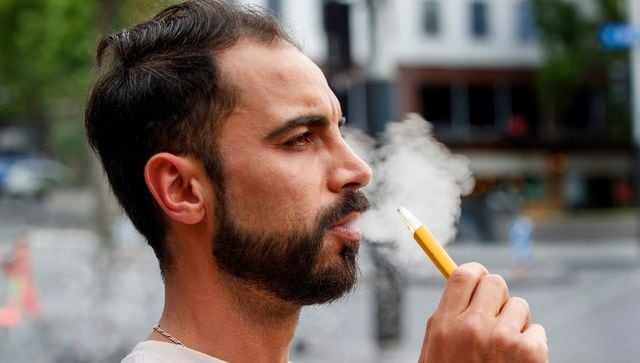 More and more people are vaping in New Zealand. AP File Photo[/caption]The new law, which regulates smoking, will not restrict vape sales.Around 8.3 per cent of adults vape daily in New Zealand, an increase from 6.2 per cent in 2021, the data released in November revealed.Citing New Zealand Health Survey, The Conversation reported that the number of Kiwis who vape daily in the age group of 15-17 has tripled in two years, from two per cent in 2018-19 to six per cent in 2020-21.In the 18 to 24 age group, daily vaping has surged from five per cent to 15 per cent.ALSO READ: Why New Zealand is mulling a law to make Facebook, Google pay for newsReactions on outlawing smokingNew Zealand’s libertarian ACT party has opposed the anti-smoking bill, saying many small retailers such as corner stores would lose business as they would not be able to sell cigarettes.“We stand opposed to this bill because it's a bad bill and its bad policy, its that straightforward and simple,” Brooke van Velden, ACT’s deputy leader, said as per AP.“There won't be better outcomes for New Zealanders”, she added.Flagging concern about the cropping up of a large black market, Velden said the “gradual ban” amounted to "nanny-state prohibition", reported AP.Not everyone is unhappy though.Last year, when the country announced it would outlaw smoking for the next generation, Dr Natalie Walker, director of the Centre for Addiction Research at University of Auckland had told The Guardian, “New Zealand once again leads the world – this time with a cutting-edge smoke-free 2025 implementation plan – it’s truly a game changer”.With inputs from agenciesRead all the Latest News, Trending News, Cricket News, Bollywood News,India News and Entertainment News here. Follow us on Facebook, Twitter and Instagram.
First Published:Dec 14, 2022, 17:15:06 IST
Advertisement
Advertisement

Military drones & police check-ups: How Sri Lanka is fighting against worst dengue outbreak in a decade
Sri Lanka is fighting its most severe dengue outbreak in nearly a decade, with infections rising sharply across the nation. Military drones have been deployed to tackle the outbreak, which has claimed 56 lives. Health officials said the outbreak is being driven primarily by the DENV-2 variant of the virus
3 min read
How Facebook job ad lured 2 Karnataka men into Myanmar cyber scam camp
The Karnataka Cyber Command has rescued two youths from a scam compound in Myanmar operated by Chinese fraudsters. The duo from Karnataka were lured on the pretext of data-entry jobs. They were asked to work for 16 hours a day and were expected to sleep for six hours daily
4 min read
Why is India seeing 95% cloud cover despite a Super El Niño?
India is witnessing nearly 95 per cent cloud cover despite a Super El Niño, a climate event usually linked to weaker monsoons. Regional weather systems, cyclonic circulations, the monsoon trough and moisture from two seas are temporarily overpowering one of the world's strongest climate phenomena
5 min read
What is CJP’s fourth demand to the government as protests in Delhi intensify?
The protest by the Cockroach Janta Party at Delhi’s Jantar Mantar refuses to die down. The group have made a fourth demand to the Centre, asking that no FIRs are filed against the agitators and that no legal action be taken. The government has expressed willingness to speak to the protesters, but refused to accede on the resignation of Education Minister Dharmandra Pradhan
5 min read
The new geography of war: Why the Houthis can no longer be ignored
The rise of the Houthis marks the emergence of a new geography of war — one in which influence flows not only from capitals and conventional armies, but also from rugged mountains overlooking vital sea lanes
6 min read
Advertisement
Advertisement