


Morocco earthquake: Why the 6.8 magnitude tremor caused buildings to crumble
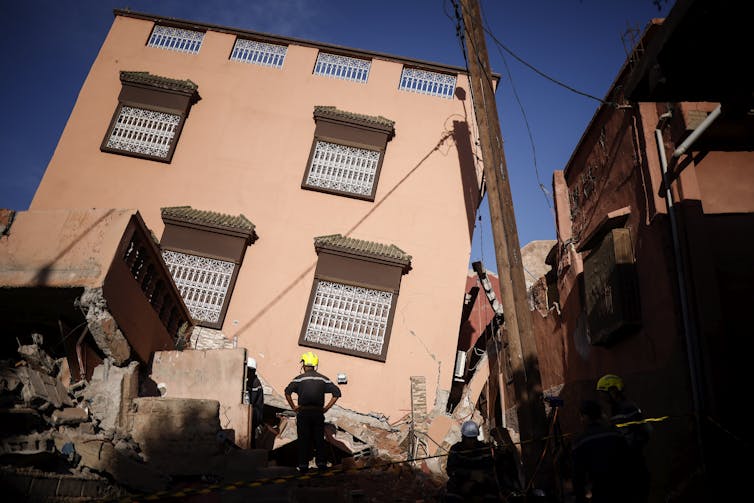
Much of the damage observed to new construction appears to be attributed to reinforced concrete frame buildings filled with brittle, hollow red clay bricks. Other reasons include poor-quality residential construction and ineffective enforcement of building codes and regulations

As locals continue to mourn the loss of more than 2,100 people, a mammoth search and rescue effort is underway in quake-struck Morocco.The 6.8 magnitude earthquake struck at 11:11 pm on Friday night, local time, with an epicentre in the Atlas Mountains about 75 kilometres southwest of Marrakech.The quake shook the northeast African and southwest Mediterranean region, with reports of shaking felt as far away as Oran in Algeria, and Porto in Portugal, at a distance of more than 1,000 kilometres.
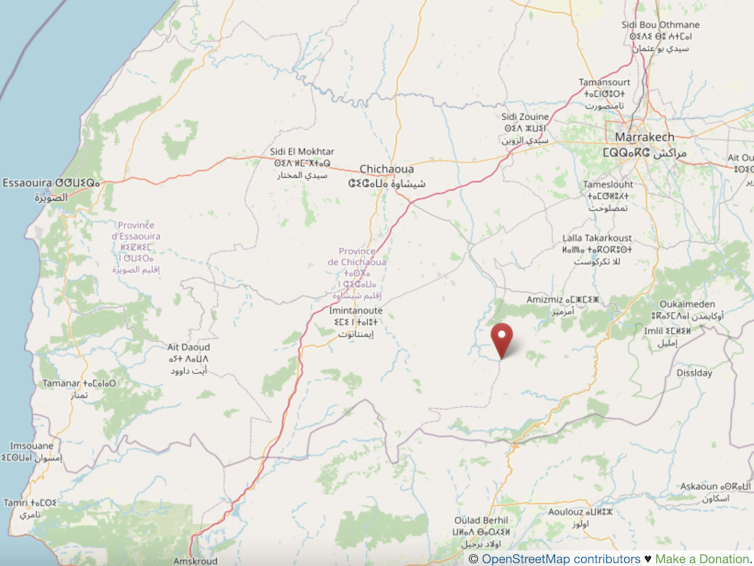
At the time of publishing this article, at least 2,122 people had been killed and more than 2,421 injured.Sadly these numbers will probably increase. Significant aftershocks are possible in the weeks and months following an earthquake of this magnitude. These may result in the collapse of buildings which were damaged – but remained standing – during the main shock.
Slower tectonic rates are naturally more difficult to observe, and produce less frequent earthquakes.And since earthquake hazard estimates are strongly influenced by historical records, it’s often difficult to predict the hazard level in regions which have “low seismicity” and no record of strong earthquakes.In fact, the recent earthquake is the largest on record for Morocco. Near the epicentral region, the second-largest event on record is the magnitude 5.8 Agadir earthquake which struck in 1960, and during which at least 12,000 lives were lost. It showed that even moderate earthquakes can result in devastating loss of life if buildings aren’t made to withstand intense shaking.Sobering photos and videos have emerged from Morocco, showing a level of structural damage and destruction that’s hard to comprehend. Close to the epicentre in the mountains, villages with rural dwellings, largely constructed from mud brick and stone, seem to have been pulverised. These types of structures are extremely brittle and essentially provide little, if any, seismic resistance.In more densely populated areas, including the city of Marrakech, various types of damage can be observed, from small local failures to complete building collapses. Much of this can be linked to structures made from stone and masonry – materials known for their brittleness and limited resistance to the strong horizontal shaking generated by a major earthquake.
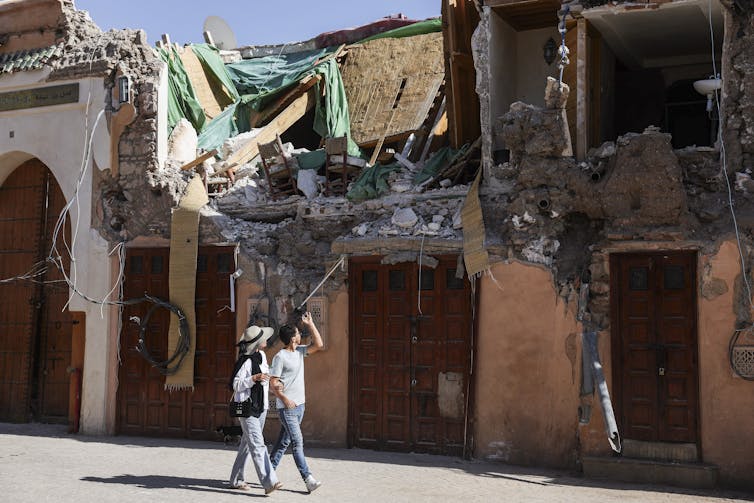
These are the same issues we saw earlier in the year following the Turkey-Syria earthquakes.Unfortunately, poor construction is a recurring theme in places where building materials are generally more expensive than labour costs.

Military drones & police check-ups: How Sri Lanka is fighting against worst dengue outbreak in a decade
How Facebook job ad lured 2 Karnataka men into Myanmar cyber scam camp
Why is India seeing 95% cloud cover despite a Super El Niño?
What is CJP’s fourth demand to the government as protests in Delhi intensify?
The new geography of war: Why the Houthis can no longer be ignored