


Mind Matters: How air pollution increases the risk of dementia
A new study reveals that nearly 188,000 dementia cases in the US each year may have been caused by air pollution. The research says bad air quality from wildfires and agriculture show the strongest links to the disease later in life

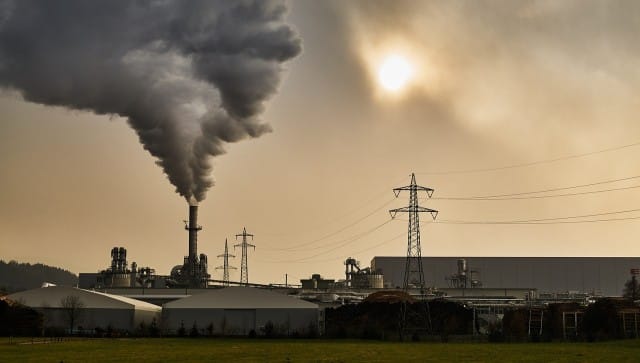
Particle pollution, also known as PM2.5 or particulate matter (PM), is a combination of solid and liquid particles that are present in the air. Pixabay[/caption]The particles can then get past our body's defences, causing irritation, inflammation, and respiratory problems. They may also cause diseases like cancer, depression, heart disorders, and dementia, as the study revealed.According to CNN, Dr Caleb Finch, a neurobiology professor at the University of Southern California, had compared inhaling particulate pollution to smoking cigarettes, creating similar harmful health effects, reiterating the seriousness of the health danger.“Just like cigarettes, there’s no such thing as good inhaled particles. Almost everything that air pollution does, cigarette smoke also does,” Dr Finch said.Also read: Footballers at increased risk of developing dementia, finds studyOther similar studiesSimilar links between one type of pollution and dementia have been discovered by other studies.According to a 2016 research of 6.6 million Canadians, dementia rates were seven per cent higher in neighbourhoods that were 164 feet or closer to a major road than in neighbourhoods that were 984 feet or farther away from the road, where fine particulate matter levels were up to 10 times lower.Individuals living in areas with the highest annual concentration of air pollution had a 1.4 times higher chance of developing dementia than individuals living in areas with the lowest annual concentration, according to a 2018 England-based study published in BMJ Journals.Another 2020 research conducted in California suggests older women who were exposed to higher levels of air pollution performed worse on cognitive tests than those who were exposed to lower levels of pollution. Areas of the brain that are commonly impacted by Alzheimer's disease shrank as well, according to a scan.According to CNN, despite the lack of a conclusive association between particle pollution and dementia, research co-author Zhang argues that due to all the various health issues that air pollution can lead to, people should act now to reduce their exposure.Dementia According to the World Health Organization (WHO), there are more than 55 million dementia sufferers worldwide, and 10 million additional individuals are diagnosed with it every year.The incidence of dementia cases is expected to rise dramatically in the next years due to other health problems like obesity, smoking, and high blood pressure.The Alzheimer's Association declared in 2021 that the rising levels of air pollution and the rise in dementia cases around the world should be recognised as grave public health issues.The current study indicates plausible pathways, such as pollution particles entering and harming the brain, or indirect consequences like pollution-triggered heart issues which can also contribute to dementia, despite not being able to identify the exact mechanism relating particle pollution and dementia.Also read: Explained: Can nose-picking raise risk of dementia and Alzheimer’s?Reducing air pollutionDespite several laws and efforts by many countries to reduce air pollution, the number of "very unhealthy" and "hazardous" air quality days has increased over the years, largely due to the climate crisis.In fact, almost the entire world's population breathes air that exceeds WHO air quality limits.A recent study found that exposure to this type of pollution contributed to an additional 107,000 premature deaths in the US alone in 2011 from all causes.Using air purifiers in the home and donning masks when venturing outside in the midst of wildfire smoke are two ways one individual can take to lessen exposure, CNN quoted Zhang as saying.If it turns out that pesticides are the issue, governments may decide to prohibit use on a policy level.Zhang remarked, "That's good for the welfare, making it a worldwide action to reduce people's exposure." Adar, a co-author of the study, also believes that more extensive improvements will result from it.“Hopefully, this is also one more reason that might motivate people to act on climate change and think about ways in which we can slow the progression of climate change,” she told the outlet, adding, “We see so many tragic examples with what’s happening right now.”With inputs from agencies

Military drones & police check-ups: How Sri Lanka is fighting against worst dengue outbreak in a decade
How Facebook job ad lured 2 Karnataka men into Myanmar cyber scam camp
Why is India seeing 95% cloud cover despite a Super El Niño?
What is CJP’s fourth demand to the government as protests in Delhi intensify?
The new geography of war: Why the Houthis can no longer be ignored