


Why Israel’s secret deployment of Iron Dome, troops to UAE amid Iran war is unusual
After the Iran war began on February 28, Tehran took aim at the UAE, launching a barrage of missiles and drones at the Emirati nation. To fight off the rain of rockets, President Mohammed bin Zayed called up Israel’s Benjamin Netanyahu, who, in turn, deployed the famed Iron Dome air-defence system to the afflicted country. Here is why this was an unusual move

It’s been almost two months of the Iran war. As the United States and Iran try to hammer out a long-lasting peace deal — there seems to be a stalemate — it has now emerged that in the earlier days of the conflict, Israel quietly deployed its famous Iron Dome air defence system to the United Arab Emirates, as Tehran continued to batter the Gulf kingdom with missiles and drones.
The deployment marked the first time the Jewish nation ever sent its signature missile shield, the Iron Dome, abroad, highlighting a major shift in defence ties in West Asia.
- Catch the latest updates from the US-Iran war here
UAE president dials Israel
Hours after Israel and the US launched coordinated attacks on Iran, taking out Supreme Leader Ayatollah Ali Khamenei, Tehran launched a barrage of missiles and drones, targeting Israel as well as countries across West Asia that housed US bases, including the United Arab Emirates.
 More from Explainers
According to official figures, Iran fired around 560 ballistic and cruise missiles and more than 2,250 drones at the UAE during the war. Although the vast majority of missiles and drones were shot down, some struck a mix of military and civilian targets in the country, killing 11 people and injuring another 188. In fact, reports state that the UAE became one of Tehran’s most targeted nations.
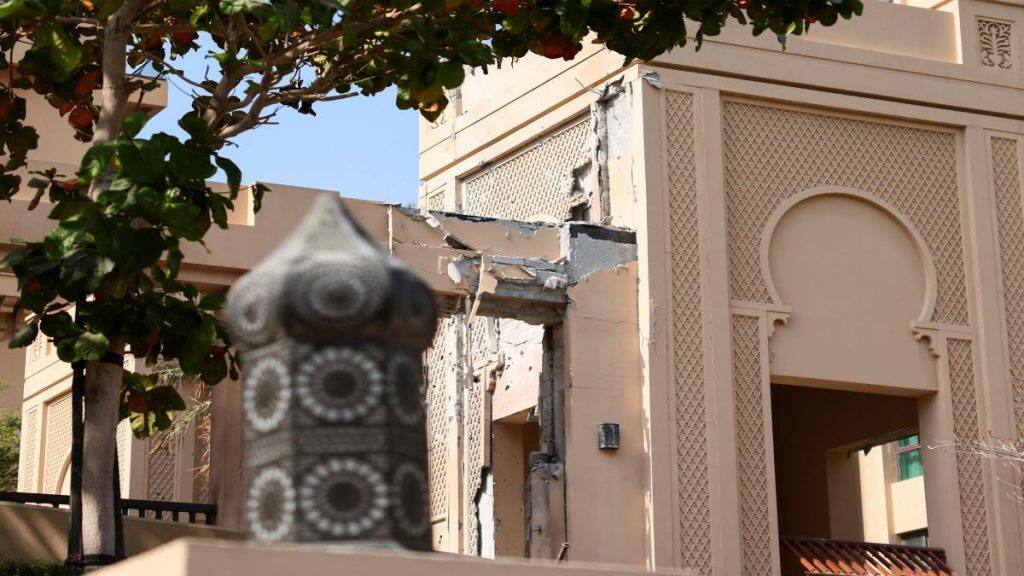
Amid this situation, an Axios report states that UAE President Mohammed bin Zayed dialled Israeli Prime Minister Benjamin Netanyahu asking for help. In turn, Netanyahu ordered the Israel Defense Forces (IDF) to send an Iron Dome battery with interceptors and several dozen IDF operators to the Emirate nation.
For those who are unaware, the Iron Dome is a battle-tested air defence system created jointly by Israel and the US. It boasts of a success rate of over 90 per cent, and is designed to counter rockets, drones, cruise missiles, artillery, and mortars.
A significant feature of the Iron Dome is the selective interception capability — it only targets threats that pose a real danger, reducing costs and conserving interceptors.
“That was the first time Israel had sent an Iron Dome battery to another country, and the UAE was the first country outside of the US,” said a senior Israeli official.
Following the deployment of the famed air-defence system, the UAE was able to successfully intercept many of Iran’s missiles and drones. The Israeli air force also conducted numerous strikes to take out short-range missiles positioned in southern Iran before they could strike the UAE and other Gulf countries.
Tareq al-Otaiba, a former official at the UAE’s national security council, wrote in an article for the Arab Gulf States Institute (AGSI) that Israel was one of the countries that “have stepped up to provide real assistance to the UAE”. “Primarily, the United States and Israel have proved to be true allies by offering support through extensive military aid, intelligence sharing, and diplomatic backing,” al-Otaiba wrote.
And, in turn, an Emirati official was quoted as saying that the UAE is “not going to forget” the assistance provided by Israel during the crisis.
In fact, experts note that such a move has strategic consequences not only for Tehran but also for Riyadh, Doha, and Washington, because it suggests the architecture of a future integrated West Asia air defence network is already being built under combat conditions.
Deepening of Israel-UAE ties
The deployment of the Iron Dome and operators by Israel to the UAE is significant. It’s the first time that the Jewish nation has sent its defence shield to any nation beyond the US.
The deployment of the Iron Dome is yet another signal of the deepening of defence ties between the two nations. In 2020, the UAE and Israel signed the Abraham Accords, normalising ties between the two. It also helped foster increased levels of diplomatic engagement and conflict de-escalation across the region of West Asia.
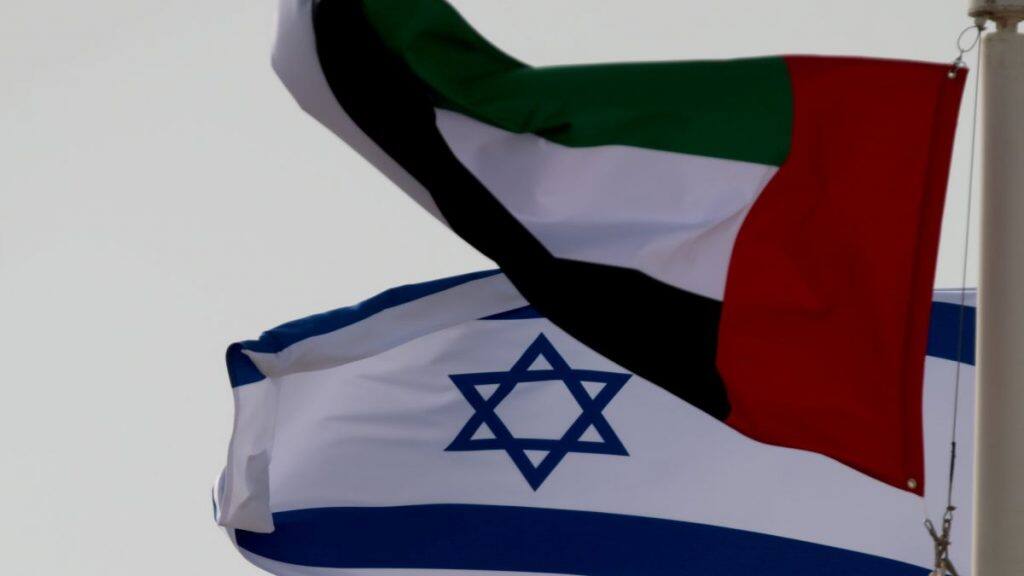
According to the agreement, the UAE and Israel expressed willingness to cooperate in fields including education, health care, energy, trade, and security. The countries also allowed for exchange ambassadors, establish embassies, and open direct flights, allowing pilgrims from throughout the Muslim world to visit holy sites in Israel.
Following the October 7, 2025, attack by Hamas on Israel, and the ensuing war between the Jewish nation and the group in Gaza, there have been differences between the UAE and Jerusalem. However, the Iran war has, as per Israeli and Emirati officials, brought the partnership to the closest it’s ever been.
No Iron Dome to Saudi Arabia
In contrast, Israel didn’t provide the Iron Dome to Saudi Arabia, which also came under attack by Iran.
According to multiple reports, Riyadh even urged the US to ramp up attacks on Iran, with a New York Times report stating that the kingdom’s de facto leader, Crown Prince Mohammed bin Salman, urged Donald Trump not to cut short his war against Iran, and that the US-Israeli campaign represented a “historic opportunity” to remake West Asia. A source told the news outlet that Riyadh was not just calling for the military campaign to be continued, but to be intensified.
As the Jerusalem Post reports, Saudi Arabia has expressed interest in normalisation with Israel, but only if the Jewish nation agrees to make significant concessions toward a two-state solution with the Palestinians.
With inputs from agencies

Military drones & police check-ups: How Sri Lanka is fighting against worst dengue outbreak in a decade
How Facebook job ad lured 2 Karnataka men into Myanmar cyber scam camp
Why is India seeing 95% cloud cover despite a Super El Niño?
What is CJP’s fourth demand to the government as protests in Delhi intensify?
The new geography of war: Why the Houthis can no longer be ignored