


5 cities, 6 days and millions of mourners: Inside Iran’s funeral plans for Ayatollah Ali Khamenei
Months after he was killed in US-Israeli airstrikes, Iran will bid adieu to its former Supreme Leader, Ayatollah Ali Khamenei, with a weeklong funeral spectacle, which will culminate on July 9. The ceremonies are being held across five cities in two countries, including Iraq. Millions of his supporters are expected to attend in what is being described as the biggest funeral in the Islamic Republic

Months after Iran lost its Supreme Leader, Ayatollah Ali Khamenei, the Islamic Republic is gearing up to bid him a final farewell in a ceremony that is being dubbed the biggest in the country.
Khamenei, who for 37 years held ultimate authority in all key state matters, was killed at the age of 86 in February in missile strikes carried out by the US and Israel on his residential and working compound in central Tehran.
And starting today (Friday) until July 9, Tehran has planned ceremonies in at least five cities across Iran and Iraq for his final farewell. Notably, Khamenei’s burial was initially scheduled for March, but postponed as the US and Israeli war with Iran dragged on.
Acting Tehran Mayor Alireza Zakani has said that the ceremonies for the former supreme leader would be “the largest assembly in the history of the capital,” while other officials note that the funeral could draw up to 20 million mourners from across Iran.
 More from Explainers
Why has it taken so long for Iran to hold Khamenei’s funeral?
Iran’s former Supreme Leader Ayatollah Ali Khamenei, who ruled Iran from 1989, was killed in the US-Israeli strikes at the beginning of the war on February 28.
Initially, the Islamic Republic planned to bury its leader in March. However, as the war between the US and Israel against Iran continued, authorities decided to defer the funeral for their supreme leader. Officials noted repeatedly that the delay was due to severe, volatile conditions of the active war with the United States and Israel.
The delay in laying Khamenei to rest also fuelled speculation about how his remains have been preserved for so long. While there was some speculation that Khamenei’s body was temporarily buried, Iranian officials have maintained that his body was kept in accordance with religious requirements.
Counterterrorism expert Dr Omar Mohammed told Fox News Digital that the Ayatollah’s remains were “almost certainly refrigerated cold storage, not embalming, as Islam bars chemical embalming”. “Shia law allows delayed burial and preservation by cold in exceptional cases, and a clerical exemption for a supreme leader is easy to get,” he added.
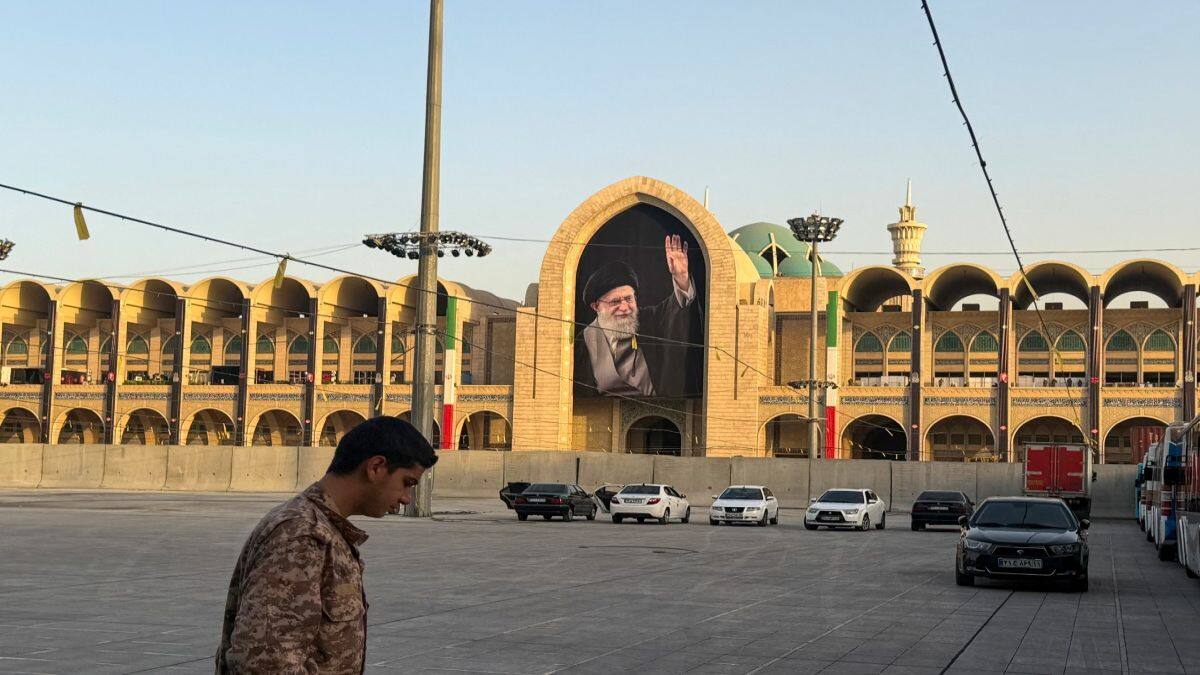
What has Iran planned for Khamenei’s funeral now?
Now, after months of delay, Iran is bidding adieu to its former supreme leader in a weeklong funeral spectacle stretching across five cities in two countries, with millions of mourners expected to attend.
The Islamic Republic is also sparing no expense to send off Khamenei in a grand ceremony shrouded in religious symbolism that overlaps with the 250th US Independence Day celebrations.
Today (July 3), Iran begins its send-off for Khamenei with a ceremony for foreign leaders. The 86-year-old’s body was brought to Tehran’s Grand Mosalla, which is one of the country’s most important ceremonial venues.
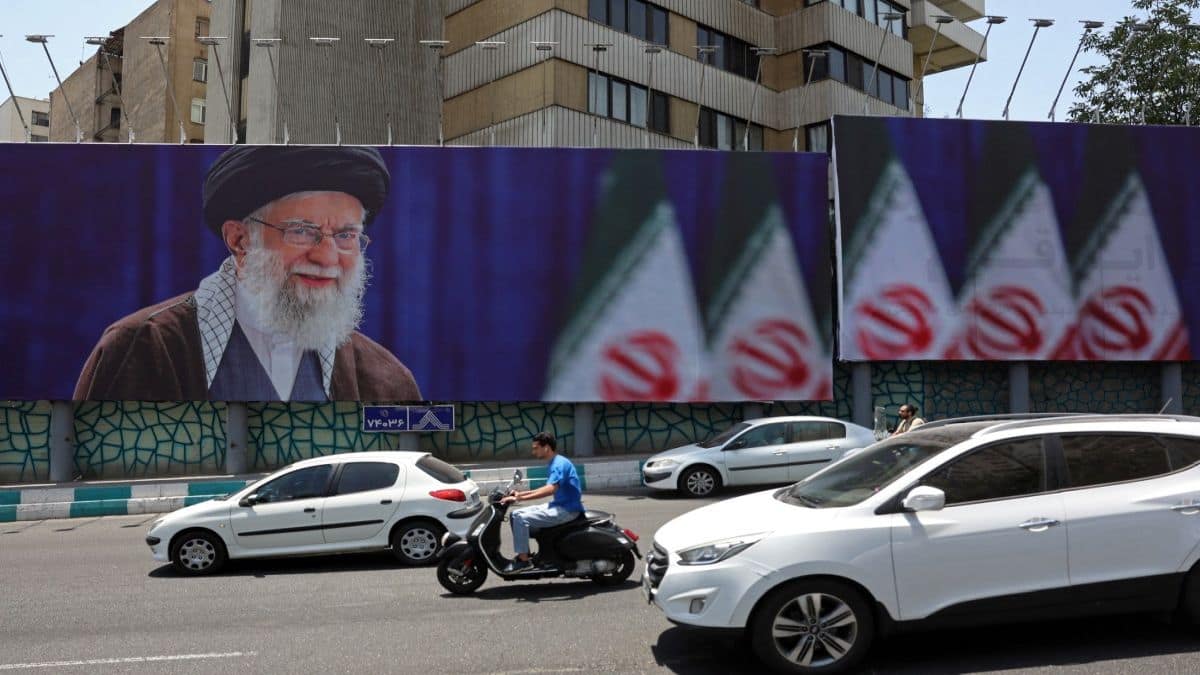
Most interestingly, Khamenei’s casket has been draped in the sacred flag that once flew over the shrine of Imam Hussein, one of the Shia saints to whom Khamenei traces his lineage. The red flag with white lettering is a “symbol of resistance, sacrifice, and unwavering devotion to truth,” according to an X post from the Iranian government.
On Saturday and Sunday (July 4 and 5), public funeral ceremonies will begin in Tehran. The coffin, along with those of several family members, will lie in state at the Grand Mosalla for public farewells.
For those unaware, the Grand Mosalla has hosted speeches by senior officials, national ceremonies, and mass events aimed at showing unity and support for the state. Holding the public viewing there highlights Khamenei’s role both as a religious authority and as the head of a political system founded on clerical rule.
Following this, on July 6 and 7, the funeral procession will move through Tehran to Qom, located 120 kilometres south of the capital. Qom is one of the holiest cities in the country. It is home to the country’s largest seminaries, where thousands of scholars study and teach, including the late Ali Khamenei.
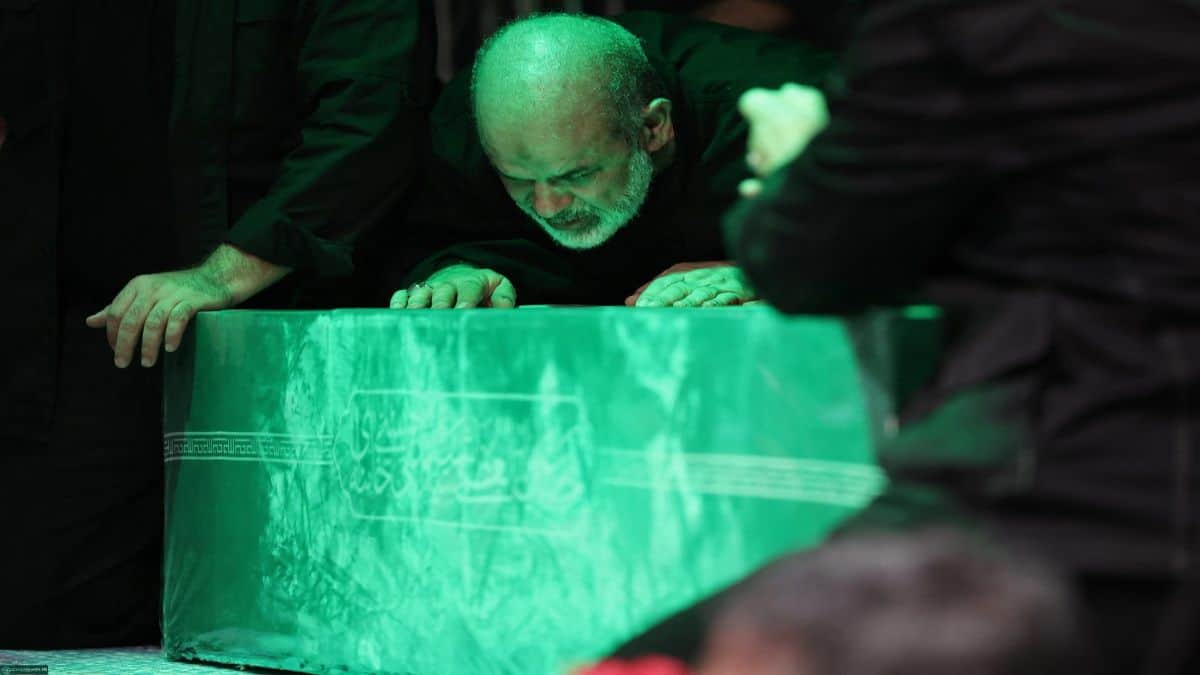
At the request of Iraqi politicians, Khamenei’s body will also be carried through the Iraqi Shia cities of Karbala and Najaf on July 8. Karbala is among the holiest cities in Shia Islam. It is home to the shrine of Imam Hussein, the third Shia Imam, whose death in the seventh century remains the central event in Shia history and tradition. A procession in Karbala places the funeral within the broader spiritual world of Shia Islam, reports AFP.
And on July 9, Ayatollah Ali Khamenei’s body will return to Iran for the final burial ceremony at the shrine of Imam Reza in Mashhad. Mashhad is Iran’s holiest city. Imam Reza was the eighth Imam in Shia Islam. The city also holds personal significance for Ali Khamenei, who was born in Mashhad in 1939 and spent much of his early life there. He studied at the city’s religious seminaries before continuing his education in Qom.
Who’s attending the funeral?
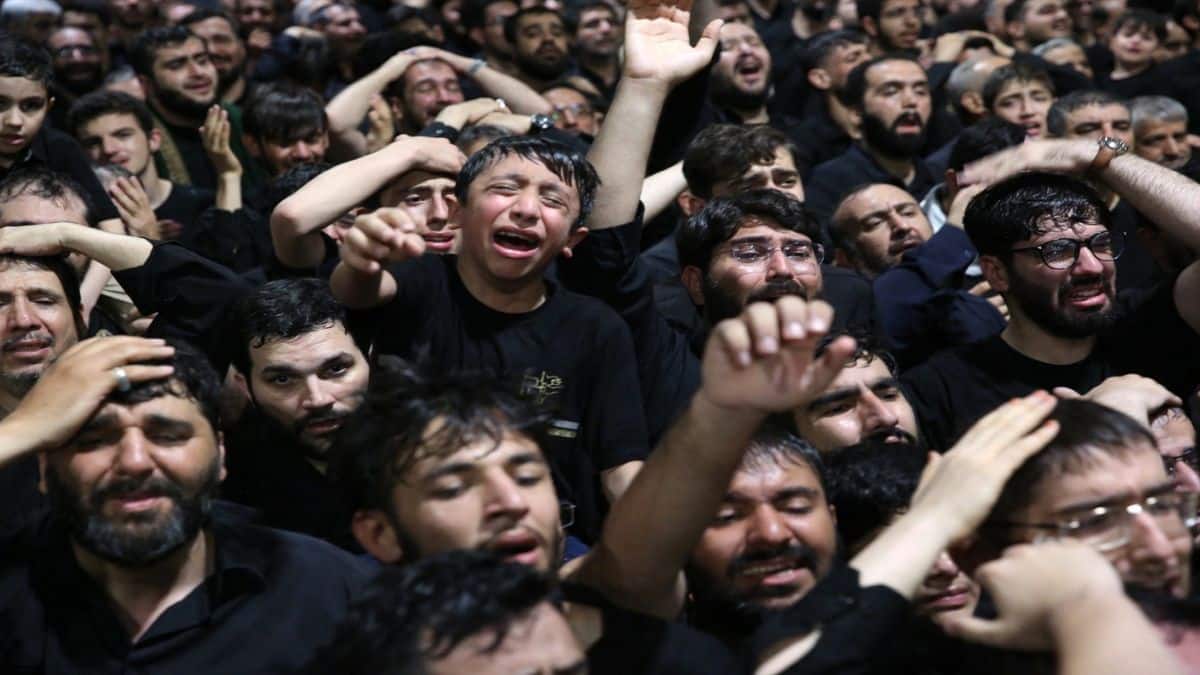
Khamenei’s funeral is expected to draw crowds in millions in Iran. Some officials have said that around four million to 15 million mourners are expected to attend the processions and the funeral, which could make it the largest funeral in modern history.
According to Iran’s Basij paramilitary volunteer force, 50 million pieces of bread will be baked to feed the mourners, with 16 mobile bakeries deployed in the capital.
It is unlikely that Ayatollah Ali Khamenei’s son, the ruling Supreme Leader Mojtaba Khamenei, will attend the funeral, owing to security concerns.
Apart from the mourners in Iran, the funeral is also expected to be attended by representatives of 100 countries, according to Iranian state-linked news broadcaster IRIB.
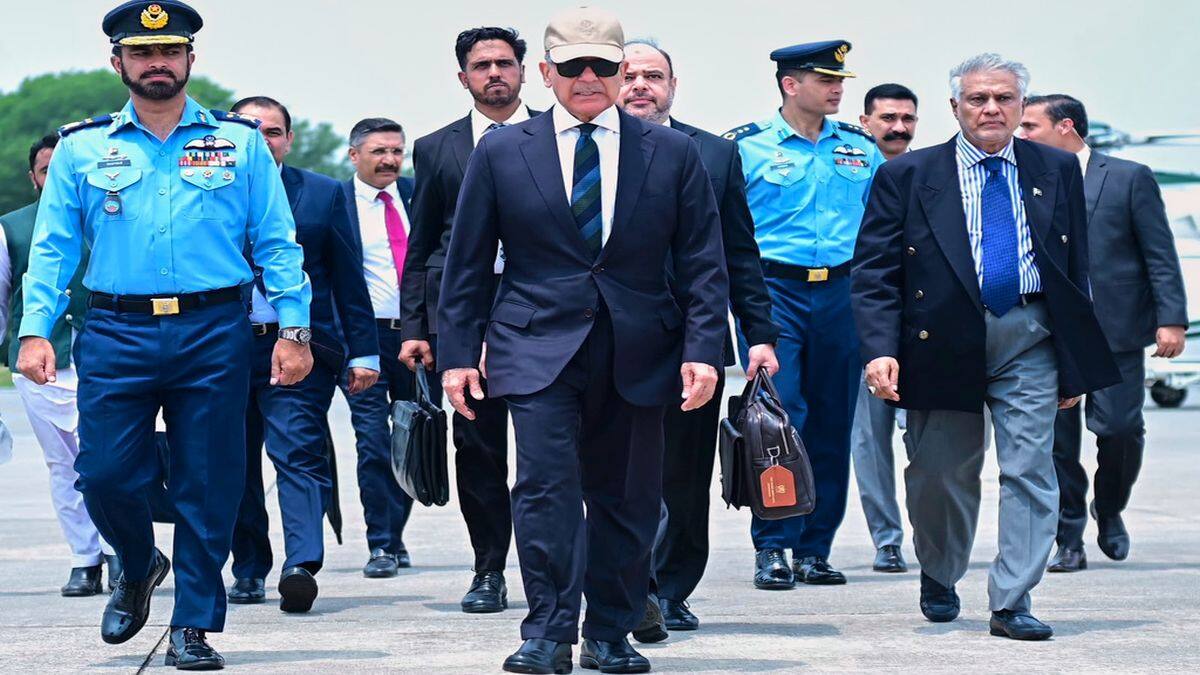
Pakistan, which has been playing the role of mediator in talks between the US and the Islamic Republic, said that Prime Minister Shehbaz Sharif will attend the state funeral. From India, the Governor of Bihar, Syed Ata Hasnain, and Deputy Foreign Minister Pabitra Margherita have gone for the funeral commemorations. Salman Khurshid from the Congress, as well as Jammu and Kashmir’s former CM Mehbooba Mufti, are also part of the country’s delegation.
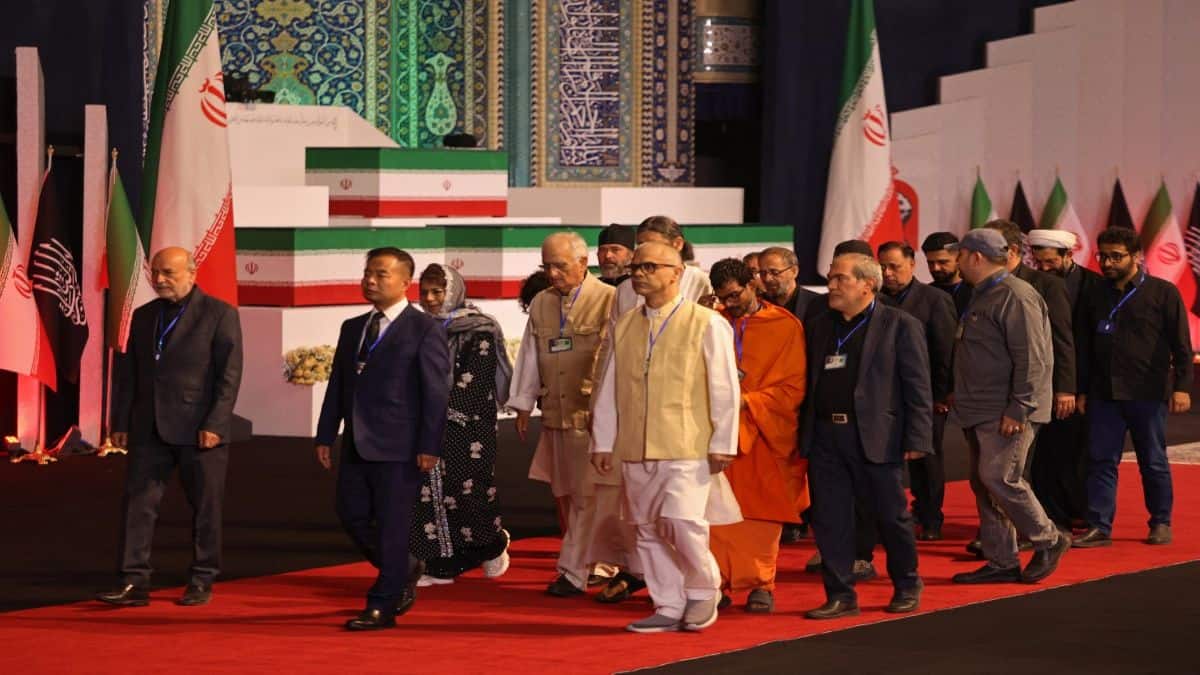
Meanwhile, China’s foreign ministry said that senior lawmaker He Wei will attend the funeral. Russian Security Council Deputy Chairman Dmitry Medvedev will also attend the ceremony on Friday, the Kremlin confirmed earlier.
What about security and other arrangements for the funeral?
For a funeral of this scale, Iran is undertaking a colossal security operation. For the duration of the funeral events, the international as well as domestic airports in Iran have been shut down. Additionally, Tehran will see the largest traffic operation in its history, banning private vehicles near the procession and opening up more than 700 parking areas to free up space for the millions expected to simultaneously descend on the city.
Holidays have also been announced for the period of these events. According to a report in Iran International, businesses have been warned to stay closed during the ceremonies or face penalties if they remain open.
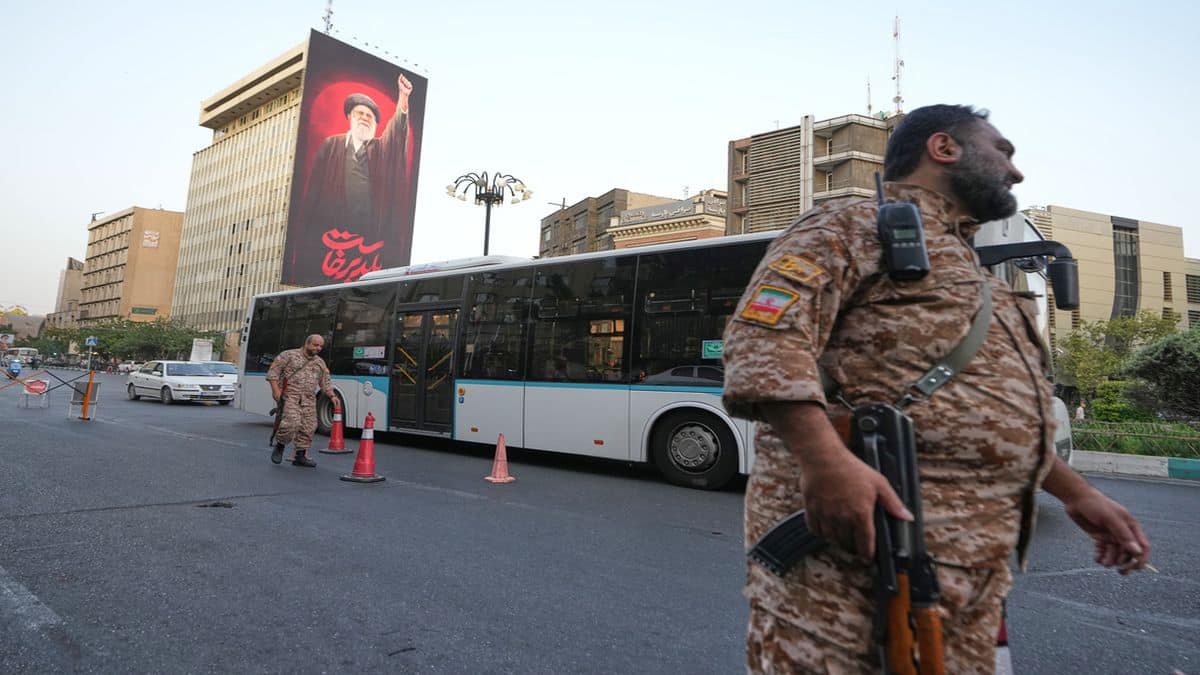
Moreover, public-sector employees have been ordered to attend official ceremonies. One Tehran municipality employee said all leave had been cancelled and staff across municipal bodies had been ordered to attend the ceremonies.
The Iranian military has also warned against any “miscalculation” during the funeral processions, with Foreign Minister Abbas Araghchi saying that Tehran would deliver an immediate and powerful response to any threat.
Is Iran trying to project power through Khamenei’s funeral?
For Iran, the funeral of Ayatollah Ali Khamenei isn’t just about mourning their loss, but also projecting strength and unity.
Earlier, Iran’s President, Masoud Pezeshkian, urged his countrymen “of every ethnicity, religion, preference and political tendency” to attend the funeral, in an attempt to link their turnout to the image the country wants to present on the world stage.
Iran’s government is also seeking to present the funeral as a moment of national unity and a show of resistance against an outside enemy. As Saeid Golkar, a professor at the University of Tennessee at Chattanooga, who has researched Iran’s government and its security forces, told the New York Times, the scale of the preparations “reflects the regime’s effort to turn Ayatollah Khamenei’s death into a carefully choreographed display of continuity rather than a moment of uncertainty”.
With inputs from agencies

Military drones & police check-ups: How Sri Lanka is fighting against worst dengue outbreak in a decade
How Facebook job ad lured 2 Karnataka men into Myanmar cyber scam camp
Why is India seeing 95% cloud cover despite a Super El Niño?
What is CJP’s fourth demand to the government as protests in Delhi intensify?
The new geography of war: Why the Houthis can no longer be ignored