


Inside Finland's underground city that can shelter nearly a million people if invaded by Russia
Beneath Helsinki lies one of the world's most advanced underground civil defence networks, built to protect nearly one million people in the event of war. From bomb shelters hidden beneath swimming pools to nuclear-resistant bunkers, here's how Finland has spent decades preparing for the unthinkable

On a bright summer morning in Helsinki's Hakaniemi Market Square, life unfolds much as it would in any peaceful European capital.
Vendors arrange fresh strawberries on market stalls, families stroll through the square and children head towards Play Cave, an underground indoor playground filled with colourful climbing frames, trampolines and slides.
Yet just outside the entrance sits a small but unmistakable symbol that every Finn immediately recognises — a blue triangle set against an orange background.
To visitors, it may appear to be little more than an ordinary sign. For Finland's residents, however, it carries a far more serious meaning. The cheerful playground doubles as one of Helsinki's largest civil defence shelters, reported The Sunday Times in a special on July 11.
 More from Explainers
Within hours of a government order, the same underground facility that hosts children's birthday parties can be transformed into a secure bunker capable of protecting around 6,000 people from missile strikes, nuclear fallout and chemical or biological attacks.
For decades, while many European countries gradually dismantled their Cold War-era civil defence systems after the collapse of the Soviet Union, Finland quietly continued expanding its own network.
Today, beneath the streets of Helsinki lies one of the most sophisticated underground protection systems ever constructed — an interconnected labyrinth of shelters, emergency facilities and public spaces built deep inside some of the oldest granite formations on Earth.
Why Finland never abandoned its civil defence strategy
Finland's commitment to civil preparedness is rooted in both geography and history.
The country shares a 1,340-kilometre (around 830-mile) border with Russia — the longest land frontier Moscow has with any Nato member. Helsinki itself lies less than 200 miles from St Petersburg, placing Finland's capital much closer to Russia than many other major European cities.
The relationship between the two countries has long been shaped by conflict and political upheaval.
Finland remained under the control of the Russian Empire for 108 years before gaining independence in 1917. Just over two decades later, the country fought the Soviet Union during the Winter War of 1939-40, ultimately losing around ten per cent of its territory despite mounting fierce resistance.
Those experiences profoundly influenced Finnish defence planning.
Even after the Cold War ended and much of Europe concluded that large-scale conflict on the continent had become increasingly unlikely, Finland resisted calls to scale back its preparedness.
Rather than dismantling bunkers or allowing shelters to deteriorate, authorities continued building new facilities alongside urban expansion.
That long-term approach has become increasingly relevant following Russia's invasion of Ukraine in 2022, the repeated missile strikes targeting civilian infrastructure and renewed concerns over the possibility of wider conflict in Europe.
The urgency surrounding preparedness was reinforced further after Nato leaders meeting in Ankara warned that Russia could potentially pose a military threat by 2030.
Against that backdrop, Finland's decades of investment no longer appear excessive. Instead, they are increasingly viewed as an example of long-term strategic planning.
Beneath Helsinki lies an entire underground city
Excavated into two-billion-year-old Fennoscandian shield granite, the underground network consists of thousands of shelters, tunnels and protected facilities capable of operating independently from the city above.
The scale of the system is extraordinary.
Across the Helsinki metropolitan area, authorities have built more than 5,500 civil defence shelters with the capacity to protect between 900,000 and one million people.
That figure significantly exceeds the city's resident population of around 675,000, meaning the capital possesses sufficient room not only for local residents but also for commuters, visitors and tourists who may be in the city if an emergency occurs.
Nationally, Finland has developed more than 50,500 shelters capable of accommodating roughly 4.8 million people.
Given Finland's population of approximately 5.6 million, this means the country can provide protected shelter for around 85 to 87 per cent of its population.
The figures reflect decades of continuous construction rather than a single government initiative.
| Metric | Helsinki Metropolitan Area | National Level (Finland) |
| Total number of shelters | Over 5,500 | Over 50,500 |
| Total capacity | ~900,000 to 1,000,000 people | ~4.8 million people |
| Local population | ~675,000 residents | ~5.6 million residents |
| Coverage ratio | ~130% (Surplus for visitors/commuters) | ~85% to 87% of entire population |
One of the most distinctive features of Finland's preparedness model is that it is embedded in national law.
Since the end of the Second World War, Finnish building regulations have required residential and commercial developments exceeding a specified size to include reinforced civil defence shelters during construction.
Rather than treating shelters as optional security projects, they became standard components of modern buildings.
The responsibility for maintaining those facilities does not rest solely with the government.
Property owners are legally required to ensure shelters remain operational by inspecting emergency equipment, testing blast doors and carrying out routine maintenance whenever necessary.
Instead of launching occasional large-scale construction programmes, the country effectively adds new shelter capacity every time qualifying buildings are constructed.
The approach has also spread costs over many decades, preventing the enormous financial burden that would accompany a single nationwide civil defence programme.
The philosophy that keeps bunkers alive instead of abandoned
Many countries built bomb shelters during the Cold War only to leave them unused once geopolitical tensions eased. Without regular occupation, maintenance became increasingly expensive, ventilation systems deteriorated and many facilities eventually fell into disrepair.
Finland deliberately chose a different path. Its civil defence planners adopted what is now widely referred to as the "dual-use" model.
Rather than locking away expensive underground infrastructure until a national emergency occurs, authorities transformed these spaces into facilities used by residents every day.
The result is that underground real estate remains heated, ventilated, cleaned and continuously maintained. Instead of becoming forgotten relics, the shelters have become ordinary parts of city life.
The Itäkeskus Swimming Hall provides one of the clearest examples of this philosophy. During peacetime, hundreds of people use the facility daily for exercise and recreation.
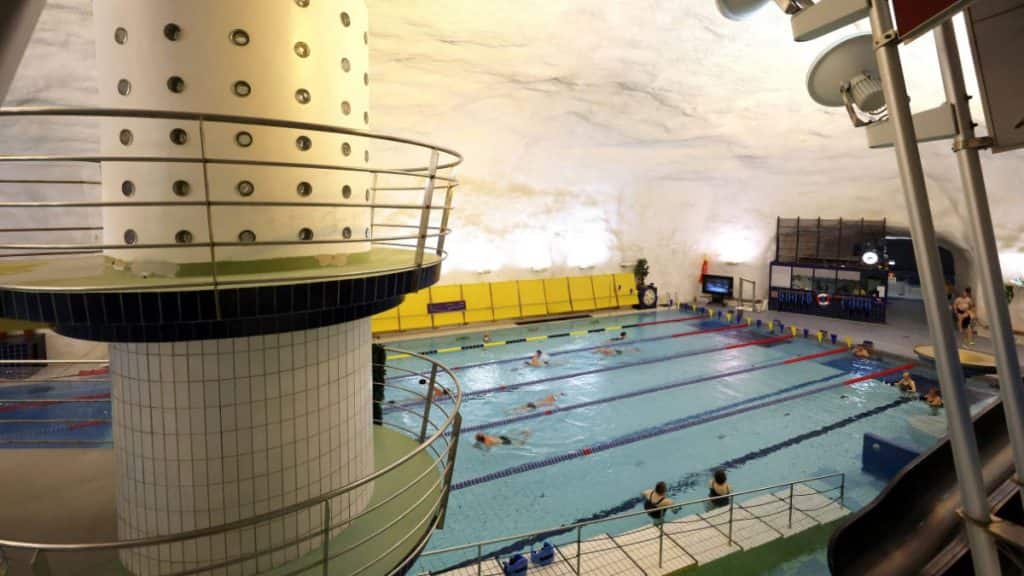
Should a national emergency arise, the swimming pools can be emptied and the entire 15,000-square-metre complex converted into a blast-resistant shelter capable of accommodating approximately 3,800 people in less than a day.
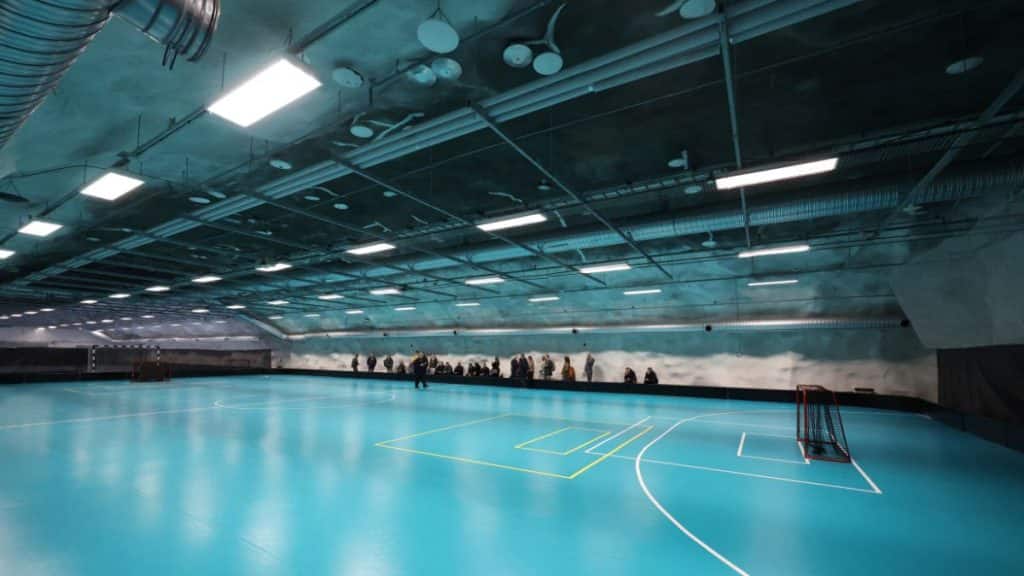
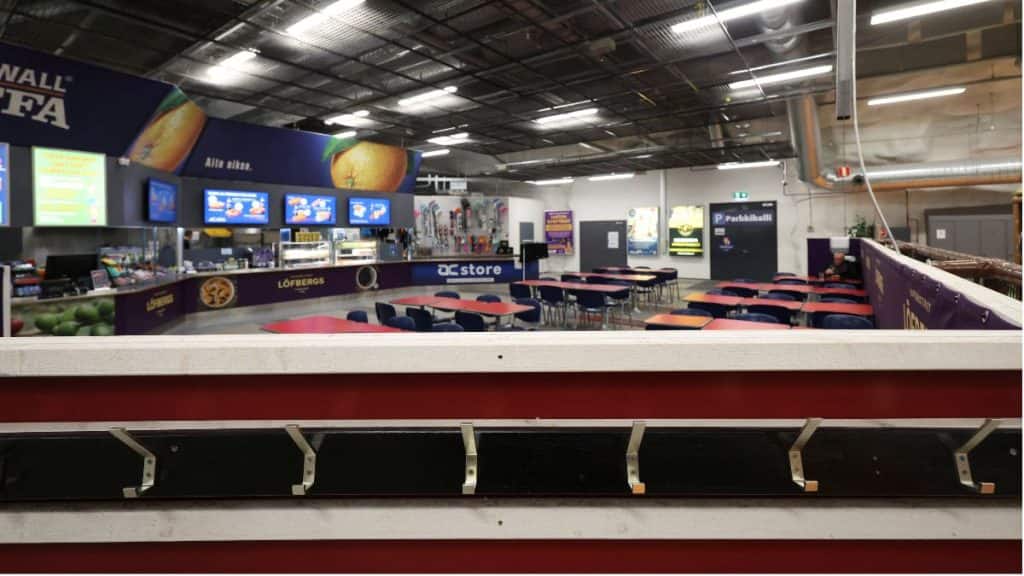
Elsewhere in Helsinki, the Merihaka Sports Complex serves a similarly flexible purpose. Located roughly 20 to 25 metres beneath solid granite bedrock, it normally functions as a large indoor recreation centre featuring hockey rinks, gymnasiums and children's activity areas.
Yet the same complex has been engineered to become a secure emergency shelter capable of housing around 6,000 people. Throughout Helsinki, other underground facilities have been designed to serve equally varied civilian purposes.
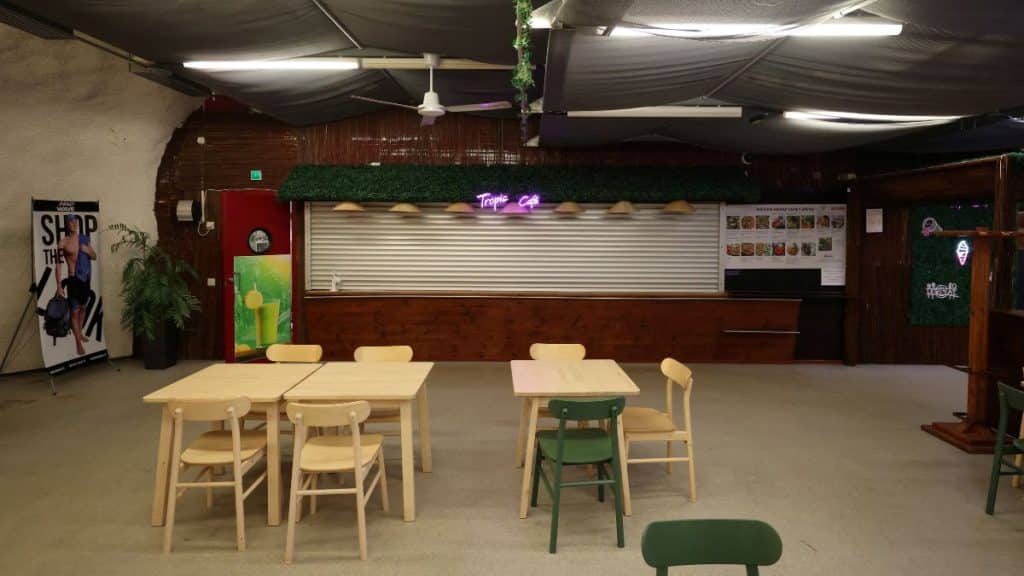
Some operate as underground parking garages, while others function as indoor go-kart tracks, skate parks, churches and music rehearsal rooms.
According to The Sunday Times report, Jukka-Pekka Schroderus, from the City Rescue Department, which oversees the safety of Helsinki’s residents, said the bunkers are even used as "rehearsal areas for heavy metal bands" — perhaps one explanation why Helsinki is one of the heavy metal capitals of the world.
The extensive civilian use of these spaces also produces another important advantage.
Because the facilities remain occupied throughout the year, heating systems, ventilation equipment, lighting, water infrastructure and emergency access routes are constantly maintained rather than left idle for decades.
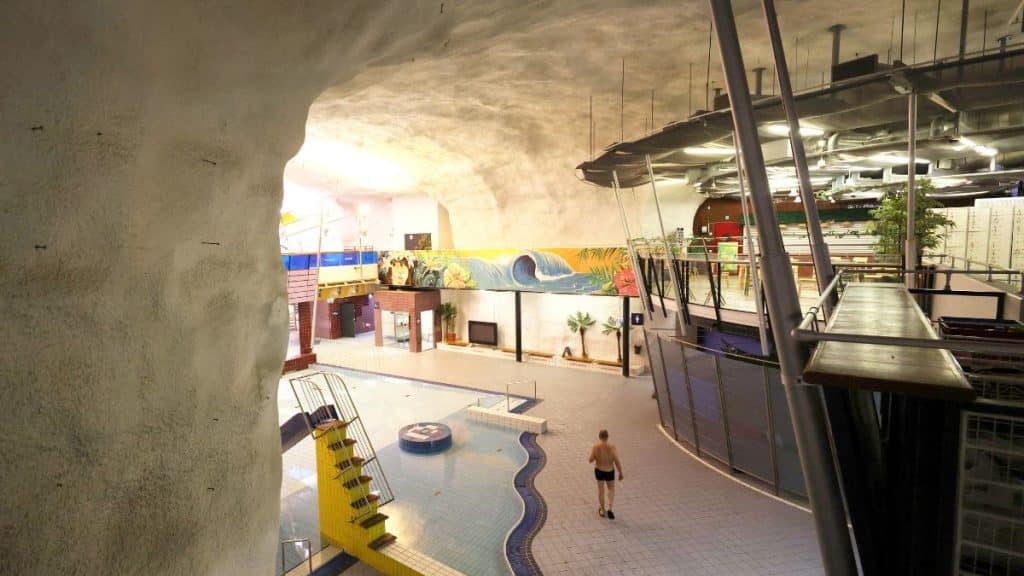
As a result, the shelters can be activated almost immediately whenever required.
From playground to nuclear shelter in just 72 hours
Maintaining dual-purpose facilities would mean little if they required months to prepare during a crisis. Finnish law therefore establishes a strict operational requirement.
Every dual-use civil defence facility must be capable of completing the transition from everyday public use to a fully operational emergency shelter within 72 hours of receiving a government order.
The transformation follows a carefully organised sequence. Civilian equipment is first removed from the premises before emergency infrastructure begins to replace it.
Portable sanitation facilities, including dry toilets, are installed throughout the shelter. Modular partition walls are assembled to create designated accommodation areas, while emergency supplies are unpacked and distributed.
Once the interior has been reorganised, the shelter's massive blast doors are sealed and advanced chemical, biological, radiological and nuclear filtration systems are activated.
The process is carried out by municipal rescue services working alongside trained volunteers who have rehearsed the conversion procedures.
Every stage has been designed to ensure that facilities used for sports, recreation or entertainment during peacetime can rapidly become fully functioning civil defence shelters capable of supporting thousands of people.
The Merihaka shelter illustrates the level of planning involved. Inside the complex, yellow markings on the floor indicate precisely where hundreds of portable toilets and sinks would be installed after activation.
Nearby, metal storage cages contain approximately 2,000 folding cots ready for deployment.
Accommodation areas have already been planned in advance, with separate sections designated for families, elderly residents and individuals regarded as presenting security concerns, including drug users.
Behind another secured area lies the shelter's operational nerve centre. A control room contains a detailed organisational chart outlining the responsibilities of approximately 100 emergency personnel and another 200 trained volunteers who would oversee virtually every aspect of life inside the bunker once it becomes operational.
The facility also stores extensive emergency equipment, including masks, helmets, torches, rubber boots, gloves, pumps, filters and large reserves of toilet paper.
Independent power systems and substantial water reserves ensure that the shelter can continue functioning even if municipal infrastructure above ground is severely damaged or completely destroyed.
Engineered to survive the most extreme forms of warfare
Finland's underground shelter system is not simply designed to provide refuge during conventional air raids. Its most advanced facilities are constructed to continue operating even under some of the harshest conditions associated with modern warfare.
Among the country's strongest protective structures are the S6-class rock shelters, regarded as the highest level of civilian protection available within Helsinki's network.
These facilities are intended to safeguard occupants from high-pressure blast waves, direct impacts associated with nuclear attacks, as well as chemical, biological and radiological threats.
One of the reasons Finland has been able to build such resilient infrastructure lies beneath its landscape itself.
Much of southern Finland sits atop the ancient Fennoscandian Shield, a geological formation of exceptionally hard granite estimated to be around two billion years old.
Rather than relying entirely on reinforced concrete, engineers excavate directly into this dense bedrock, allowing the surrounding rock to function as a natural barrier that absorbs shockwaves while also providing substantial protection against radiation.
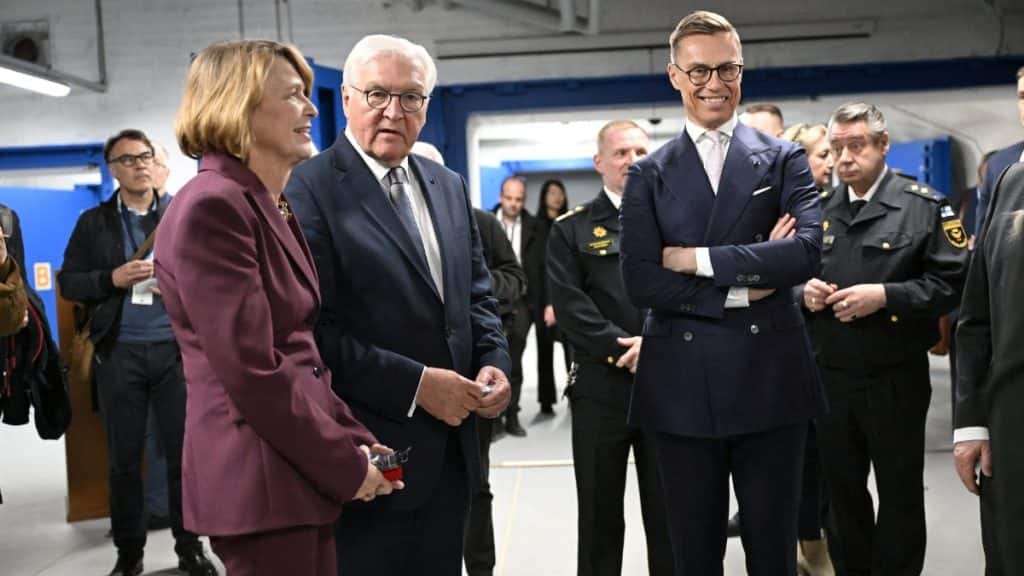
The entrances to these shelters are equally formidable. At Merihaka, visitors first encounter enormous blue steel blast doors positioned at the entrance to the underground complex. The first set has been engineered to absorb and withstand the force generated by powerful explosions and pressure waves.
Beyond them stands a second protective barrier with a different purpose. Once sealed, these heavy doors help isolate those inside from chemical contaminants, biological agents and radioactive particles that may be present outside following an attack.
Each major underground shelter is equipped with advanced air-filtration technology capable of removing radioactive fallout and hazardous airborne contaminants while ensuring occupants continue receiving clean, breathable air.
These systems are specifically designed to function even during chemical, biological, radiological and nuclear (CBRN) emergencies.
Self-sufficiency is another essential feature. Rather than depending on municipal infrastructure, larger shelters possess independent water supplies, sewage systems and backup diesel generators.
Even if electricity, water distribution or sewer networks above ground become unusable, the shelters can continue operating without outside assistance for extended periods.
How life would be organised underground
Managing thousands of people living together in confined underground spaces presents an entirely different challenge. Finnish planners have therefore developed detailed operational procedures governing daily life inside these facilities.
Civil defence experts have structured the internal organisation around principles similar to those used aboard military submarines, where limited space requires carefully coordinated routines and shared responsibilities.
Rather than allowing everyone to sleep, eat or gather simultaneously, shelter residents would be divided into three rotating groups. At any one time, roughly one-third of occupants would be resting in designated sleeping areas.
Another third would use communal spaces for meals, recreation or social interaction.
The remaining group would perform essential duties required to keep the shelter functioning. These responsibilities would include cleaning communal areas, assisting with sanitation, helping operate air and water systems, supporting medical facilities and maintaining overall order throughout the complex.
This rotational arrangement serves several purposes simultaneously.
It reduces overcrowding in communal areas, helps maintain hygiene standards, prevents long queues for shared facilities and ensures that residents remain occupied with meaningful tasks, reducing stress during prolonged stays underground.
The Merihaka shelter demonstrates how carefully every aspect of this planning has been considered. Although the facility can accommodate approximately 6,000 people, only around 2,000 folding cots are stored inside.
Since only one-third of occupants would sleep at any given time, authorities only need enough beds for those currently resting. As shifts rotate throughout the day, different groups would use the same sleeping spaces.
Accommodation would also be organised according to individual circumstances. Separate sections have already been designated for families, elderly residents and people regarded as posing particular security concerns.
Meanwhile, the shelter's command centre would coordinate operations through approximately 100 emergency staff supported by another 200 trained volunteers, each assigned clearly defined responsibilities before any crisis begins.
Water, emergency supplies and the role of every Finnish citizen
Although Finland has invested heavily in public shelter infrastructure, authorities also place considerable emphasis on individual responsibility. The shelters themselves provide protection and essential infrastructure, but residents are expected to arrive prepared.
Each person taking refuge underground would receive approximately 50 litres of water from the shelter's reserves.
Food, however, is not supplied. Instead, Finnish authorities expect every citizen to maintain what is commonly referred to as a 72-hour emergency kit.
The backpack should contain enough food, medicines, power banks and other necessities to sustain the individual during the first three days of an emergency.
How long people might remain underground would ultimately depend on several factors, including the evolving security situation, the quantity of food individuals had brought with them and the number of people sharing each shelter.
One rule, however, is straightforward. Pets are not allowed inside.
Preparedness beyond underground shelters
The extensive shelter network represents only one component of Finland's national resilience strategy. The country refers to its broader model as "Comprehensive Security" — a system designed to ensure that government institutions, businesses, local authorities and ordinary citizens all contribute to national preparedness.
Military readiness remains an important pillar of this approach. Universal military conscription requires Finnish men to undertake national service at the age of 18, while women may volunteer.
Civilian preparedness is also treated as an ongoing responsibility rather than an occasional exercise.
Regular three-week defence courses bring together influential members of society, including newspaper editors, chief executives and other senior professionals, exposing them to crisis planning and national security procedures.
Separate weekend programmes teach women practical emergency skills such as establishing field kitchens, cooking without electricity and identifying drones. Infrastructure preparedness extends beyond government agencies.
Construction companies remain on six-hour notice to begin building defensive fortifications if required, allowing the country to rapidly strengthen physical defences during periods of heightened tension.
Taken together, these measures illustrate that Finland's approach extends well beyond the construction of bomb shelters. Instead, preparedness has been integrated into military policy, urban planning, private industry and civilian life.
Also Watch:
With inputs from agencies

Military drones & police check-ups: How Sri Lanka is fighting against worst dengue outbreak in a decade
How Facebook job ad lured 2 Karnataka men into Myanmar cyber scam camp
Why is India seeing 95% cloud cover despite a Super El Niño?
What is CJP’s fourth demand to the government as protests in Delhi intensify?
The new geography of war: Why the Houthis can no longer be ignored