


India and US trade agreement: What’s in the ‘father of all deals?’
It’s finally here! After many ups and downs, India and the US have agreed on a trade deal that slashes American tariffs on Indian goods to 18 per cent from 50 per cent. In turn, according to Donald Trump, New Delhi has agreed to stop purchasing Russian oil, and will commit to buying more than $500 billion worth of US energy, technology, agricultural products, coal and other goods

A week after India and the European Union sealed the “mother of all trade deals,” New Delhi has a reason to cheer. On Monday (February 2), US President Donald Trump announced that he and Prime Minister Narendra Modi have agreed to a trade deal.
“Out of friendship and respect for Prime Minister Modi and, as per his request, effective immediately, we agreed to a trade deal between the United States and India, whereby the United States will charge a reduced reciprocal tariff, lowering it from 25 per cent to 18 per cent,” said the US president in a social media post following a call with Prime Minister Narendra Modi.
Many believe that if the India-EU trade pact was the “mother of trade deals,” then the India-US trade agreement is the “father of all trade deals”.
- Catch live updates from India-US trade deal here
The move also marks a significant change in US-India relations, which had dipped to its lowest last year.
But what exactly is in the India-US trade deal? Who wins? Who stands to gain? What are people saying about it? We get you all the answers and much more.
 More from Explainers
What has India-US exactly agreed upon?
While there’s no formal agreement signed yet, India and the United States have reached an agreement under which American reciprocal tariffs on Indian goods will be reduced from 25 per cent to 18 per cent, while India will eliminate all tariffs and non-tariff barriers on US products, said US President Donald Trump.
This came after the two leaders — Trump and Modi — held a phone call with US Ambassador to India Sergio Gor confirming on X that the two leaders had spoken on the phone and urged followers to “stay tuned”.
As per Trump, the US was rescinding a punitive, 25 per cent duty on all imports from India over its purchases of Russian oil that had stacked on top of a 25 per cent “reciprocal” tariff rate. In addition, the US will lower India’s country-specific tariff rate to 18 per cent from 25 per cent.
Moreover, India will move to reduce tariffs and non-tariff barriers against the US to zero. While this has led to speculation, in trade terms, this means an in-principle commitment to reduce or phase out duties on selected US products rather than an immediate elimination of all import duties. Non-tariff barriers include various restrictions such as licensing rules, quotas, certification requirements, local sourcing norms, and regulatory approvals that can limit market access.
Trump also announced that as part of the trade deal, India will purchase over $500 billion worth of US energy, technology, agricultural products, coal, and many other products.
As per the American leader’s social media post, India agreed to stop buying Russian oil, and to buy much more from the United States and, potentially, Venezuela. “This will help end the war in Ukraine, which is taking place right now, with thousands of people dying each and every week,” wrote Trump.
With this, India has now received a competitive edge in exports, compared to other Asian nations. India’s 18 per cent tariff is way lesser than the 37 per cent imposed on China, 20 per cent on Bangladesh and 19 per cent on Pakistan.
What have the reactions been to the India-US trade deal?
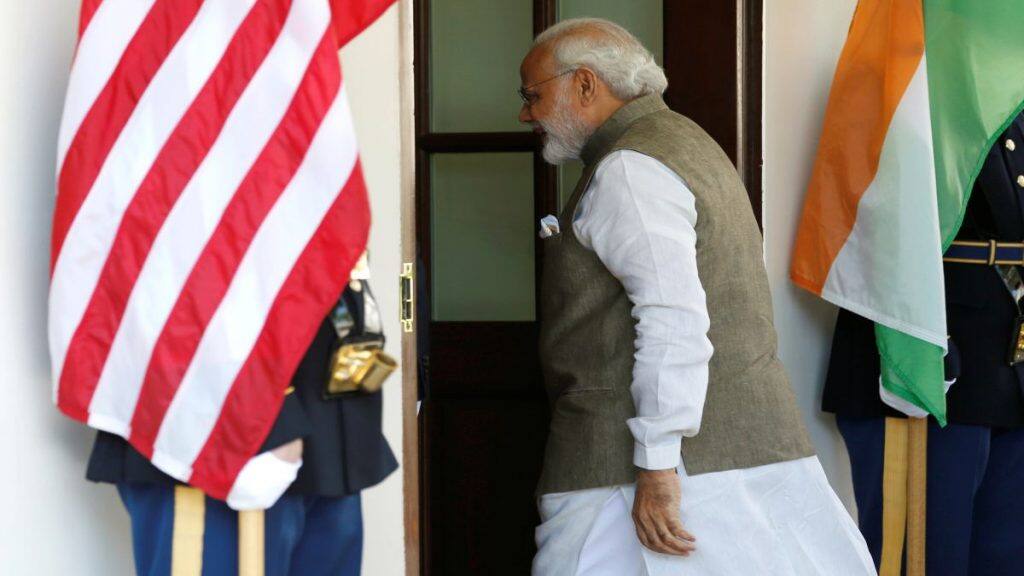
Shortly after Trump made the trade deal announcement, US envoy to India, Sergio Gor, credited the strong personal relationship between US President Donald Trump and Prime Minister Narendra Modi for driving forward the trade deal.
Speaking to CNN-News18, Gor said the rapport between the two leaders played a decisive role in shaping the agreement.
“All the credit to President Trump and Prime Minister Modi. Since I arrived in India about a month ago, I have said and I truly mean it, that the two leaders have a great personal relationship, and that is something that carried this deal forward. The potential between India and United States is limitless, and I am thrilled that India is getting this 18 per cent which is a massive drop from the previous number. We have incredible deals ahead, and so as I have said since I have arrive here, the best is yet to come,” Gor said.
Prime Minister Narendra Modi also commented on his phone call with Trump and the tariff cut. “Wonderful to speak with my dear friend President Trump today. Delighted that Made in India products will now have a reduced tariff of 18 per cent,” Modi said in a social media post on X. “Big thanks to President Trump on behalf of the 1.4 billion people of India for this wonderful announcement.”
Many in Modi’s Cabinet also hailed the move. Commerce and Industry Minister Piyush Goyal, who has been part of negotiations, noted that the India-US trade agreement will open up huge opportunities for domestic farmers, MSMEs, entrepreneurs, and skilled workers and promote Make in India initiative.
Meanwhile, External Affairs Minister S Jaishankar, who is currently in the US, welcomed the news, saying it will spur growth in both economies and strengthen the country’s ‘Make in India’ endeavours. In a post on X, Jaishankar said, “This will create more jobs, spur growth and promote innovation in both economies. It will strengthen ‘Make in India’ endeavors and encourage trusted technology ties. The opportunities in our economic engagement are truly vast and we are confident of realising them. A robust economic relationship is the strongest foundation for our strategic partnership.”
Industry titans in India also hailed the trade deal. Industrialist and Chairman of RPG Enterprises Harsh Goenka hailed the India-US trade deal, describing it as the “father of all deals”.
Kumar Mangalam Birla, chairman of the Aditya Birla Group, also praised the PM and the US president for the deal, highlighting its potential to strengthen bilateral ties and boost investment opportunities.
A win-win deal for both sides?
The trade deal, which will be “effective immediately”, will help Indian exports to the US market. For sectors such as garments, seafood and chemicals, the India-US trade deal is a godsend.
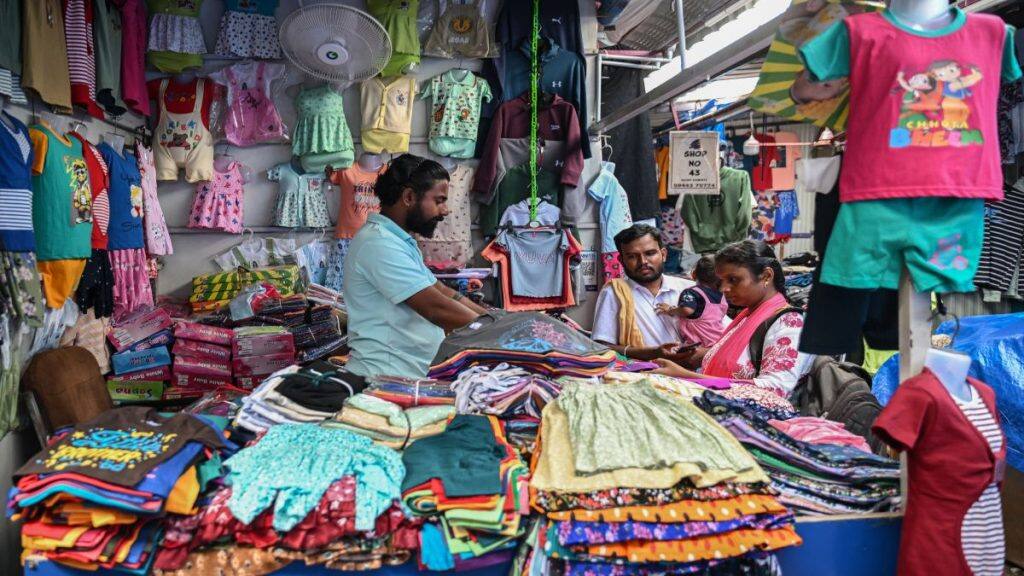
Experts note that the trade deal will be highly beneficial for textiles and apparel which are among the most price-sensitive segments of India’s exports to the US. Additionally, engineering goods form the largest share of India’s merchandise exports to the US, covering auto components, industrial machinery, electrical equipment and capital goods. These exports typically operate on single-digit margins, making tariff changes immediately relevant.
Gems and jewellery exports, including cut and polished diamonds and gold jewellery, are high-value but highly competitive. Tariffs impact retail pricing and inventory costs for US wholesalers and retailers.
As Michael Kugelman, resident senior fellow for South Asia at the Atlantic Council, noted that the US is one of India’s top export markets. And while India has come up with various workarounds, it’s been to compensate for the loss of US markets.
Mark Linscott, an Atlantic Council non-resident senior fellow on India, also said that when the India-US trade deal is fully implemented, it could stabilise the trade relationship and then allow it to grow at an accelerated rate compared to the status quo ex ante.
Is the trade deal a reset in India-US ties?
The India-US trade agreement also indicates a possible thaw in ties between the two nations, which had drastically been affected last year.
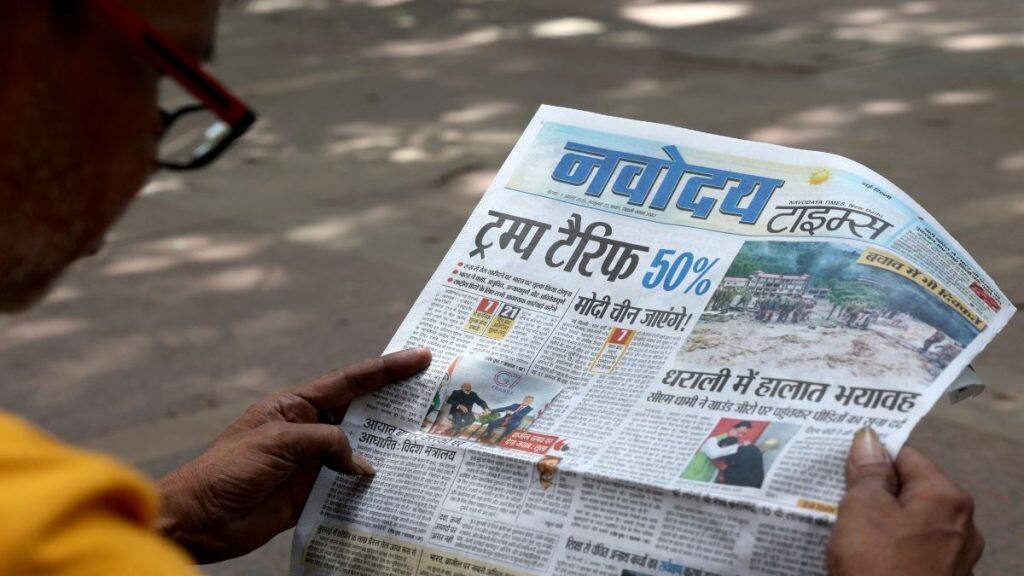
Last August, Trump slapped a 25 per cent tariff on India in response to oil purchases from Russia — on top of the 25 per cent “reciprocal” levy. Many in Trump’s administration also issued acerbic statements about New Delhi, which only led to India-US ties to worsen.
As Kugelman told the Atlantic Council, “The trade deal is a confidence-building measure that can help the two sides work through their various issues—including all the trust that the Trump administration has squandered in New Delhi in recent months.”
It remains to be seen what’s in the fine print of the trade deal that India and the US have agreed upon, but for now at least, both countries can bask in the fact that they have achieved a milestone.
With inputs from agencies

Military drones & police check-ups: How Sri Lanka is fighting against worst dengue outbreak in a decade
How Facebook job ad lured 2 Karnataka men into Myanmar cyber scam camp
Why is India seeing 95% cloud cover despite a Super El Niño?
What is CJP’s fourth demand to the government as protests in Delhi intensify?
The new geography of war: Why the Houthis can no longer be ignored