


India scraps the Rs 2000 note: Will this affect the economy?
The Rs 2000 note will remain legal tender but citizens have been asked to deposit or exchange these notes by 30 September. Analysts say this time the move is expected to be less disruptive as a lower value of notes is being withdrawn over a longer period of time

The Rs 2000 denomination bank notes have been scrapped in a dramatic change of events. The country's biggest value currency note has been removed from circulation, the central bank announced on Friday.
The Rs 2000 note, introduced into circulation in 2016, will remain legal tender but citizens have been asked to deposit or exchange these notes by 30 September, 2023.
The decision is reminiscent of a shock move in 2016 when the Narendra Modi-led government had withdrawn 86 per cent of the economy's currency in circulation overnight.
This time, however, the move is expected to be less disruptive as a lower value of notes is being withdrawn over a longer period of time, according to analysts and economists.
 More from Explainers
Why did the government withdraw Rs 2000 notes?
When Rs 2000 notes were introduced in 2016 they were intended to replenish the Indian economy's currency in circulation quickly after demonetisation.
Also Read: Why has RBI withdrawn Rs 2000 notes? How is this different from demonetisation?
However, the central bank has frequently said that it wants to reduce high value notes in circulation and had stopped printing Rs 2000 notes over the past four years.
"This denomination is not commonly used for transactions," the Reserve Bank of India said in its communication while explaining the decision to withdraw these notes.
Why now?
While the government and the central bank did not specify the reason for the timing of the move, analysts point out that it comes ahead of state and general elections in the country when cash usage typically spikes.
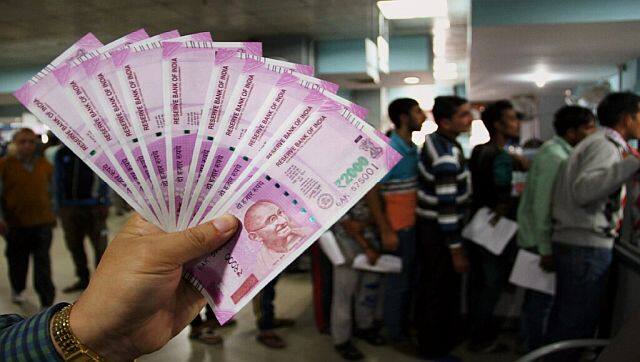
"Making such a move ahead of the general elections is a wise decision," said Rupa Rege Nitsure, group chief economist at L&T Finance Holdings. "People who have been using these notes as a store of value may face inconvenience," she said.
Will this hurt economic growth?
The value of Rs 2000 notes in circulation is Rs 3.62 trillion. This is about 10.8 per cent of the currency in circulation.
"This withdrawal will not create any big disruption, as the notes of smaller quantity are available in sufficient quantity," said Nitsure. "Also in the past six-seven years, the scope of digital transactions and e-commerce has expanded significantly."
But small businesses and cash-oriented sectors such as agriculture and construction could see inconvenience in the near term, said Yuvika Singhal, economist at QuantEco Research.
Also Read: Withdrawal of Rs 2,000 currency notes is a death blow to narco-terror nexus
To the extent that people holding these notes chose to make purchases with them rather than deposit them in bank accounts, there could be some spurt in discretionary purchases such as gold, said Singhal.
How will it affect banks?
As the government has asked people to deposit or exchange the notes for smaller denominations by 30 September, bank deposits will rise. This comes at a time when deposit growth is lagging bank credit growth.
This will ease the pressure on deposit rate hikes, said Karthik Srinivasan, group head - financial sector ratings at rating agency ICRA Ltd.
Banking system liquidity will also improve.
"Since all the Rs 2000 notes will come back in the banking system, we will see a reduction in cash in circulation and that will in turn help improve banking system liquidity," said Madhavi Arora, economist at Emkay Global Financial Services.
What are the implications for bond markets?
Improved banking system liquidity and an inflow of deposits into banks could mean that short-term interest rates in the market drop as these funds get invested in shorter-term government securities, said Srinivasan.
With inputs from Reuters
Read all the Latest News, Trending News, Cricket News, Bollywood News,
India News and Entertainment News here. Follow us on Facebook, Twitter and Instagram.

Military drones & police check-ups: How Sri Lanka is fighting against worst dengue outbreak in a decade
How Facebook job ad lured 2 Karnataka men into Myanmar cyber scam camp
Why is India seeing 95% cloud cover despite a Super El Niño?
What is CJP’s fourth demand to the government as protests in Delhi intensify?
The new geography of war: Why the Houthis can no longer be ignored