


India-EU agree on FTA, but the deal isn’t signed yet. Here’s why
India and the European Union have announced the conclusion of negotiations on a free trade agreement (FTA). Here’s why the pact, which has been dubbed the ‘mother of all trade deals’, will bring India and the bloc closer together, has not yet been signed

India and the European Union have announced a free trade agreement (FTA). The pact, which has been dubbed the ‘mother of all trade deals’, will bring India and the bloc closer together.
The development comes in the backdrop of US President Donald Trump’s bid to take over Greenland. Trump has threatened to impose tariffs on European nations that stand in his way of acquiring the semi-autonomous Danish territory.
But why hasn’t the India-EU FTA been signed yet?
Let’s take a closer look.
What both sides said
First, let’s take a brief look at what both sides said.
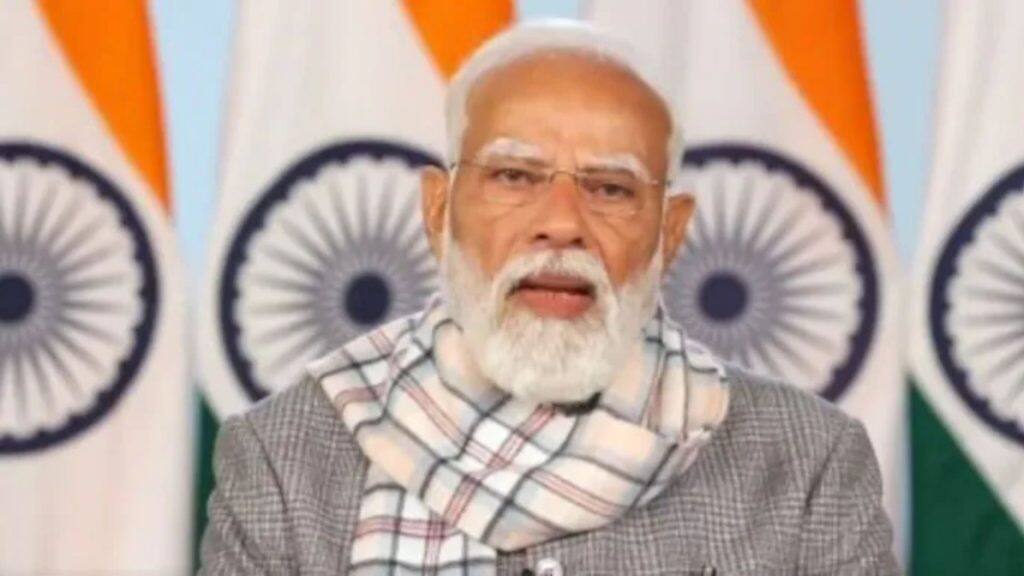
Prime Minister Narendra Modi and European Commission President Ursula von der Leyen celebrated the deal.
“This agreement will bring major opportunities for the people of India and Europe,” Modi said. “It represents 25 per cent of the global GDP and one-third of global trade.”
 More from Explainers
"Europe and India are making history today," von der Leyen added. “We have concluded the mother of all deals. We have created a free trade zone of two billion people, with both sides set to benefit.”
"India and Europe have made a clear choice. The choice of strategic partnership, dialogue and openness," von der Leyen wrote on social media. “We are showing a fractured world that another way is possible.”
It is important to note that the two sides have concluded negotiations on a long-pending trade deal. However, the deal has not officially been signed.
What happens next
According to the European Commission, a number of steps remain before the deal can be concluded. This includes:
- Publishing negotiated draft texts
- Legal revisions and translating the deal into all official EU languages
- Proposing the agreement to the European Council for signature and conclusion
- The deal being adopted by the Council
- The agreement between India and the EU bloc being signed
- The European Parliament authorising the deal
- The European Council giving the go-ahead to the deal
- India’s Cabinet ratifying the pact
Only once all these steps have occurred will the agreement finally go into force. This could take at least several months, if not longer.
The formal signing of the India-EU deal would take place after legal vetting expected to last five to six months, an Indian government official aware of the matter has said. "We expect the deal to be implemented within a year," the official added.
According to The Indian Express, the formal signing will occur later this year after "legal scrubbing of the agreement is completed".
Legal scrubbing, also known as legal vetting, refers to when the final text of the agreement is pored over to confirm consistency across all chapters. This essentially safeguards that the text is in line with domestic laws. The text then needs to be translated into the several languages of the EU bloc, which is a compulsory requirement for any such trade pact.
"After subsuming a few chapters, India and the EU have completed talks on 21 chapters. While the legal scrubbing of the deal would take four to five months, the trade deal will come into effect by early next year after being ratified by the European Parliament," an official told the newspaper.
How it benefits both sides
The agreement is expected to deliver significant gains for both partners. India will reduce or eliminate tariffs on 96.6 per cent of EU exports, while Brussels will reciprocate with similar reductions covering nearly 99 per cent of India’s shipments by trade value in a phased manner, according to statements from both sides.
Several Indian industries are poised to benefit. These include textiles, apparel, engineering goods, leather, handicrafts, footwear and marine products. For the European Union, key gains will come in wine, automobiles, chemicals and pharmaceuticals, among other sectors.
A quota system for automobiles, wines and whisky has also been agreed upon, bringing down previously steep duties while protecting sensitive domestic markets on both sides.
The European Commission said tariffs charged by India on cars will gradually fall from 110 per cent to as low as 10 per cent, while duties on car parts will be fully abolished after five to ten years. Tariffs of up to 44 per cent on machinery, 22 per cent on chemicals and 11 per cent on pharmaceuticals will also be largely eliminated.

Bilateral trade between India and the EU stood at $136.5 billion (Rs.12,521.1 billion) in 2024–25. Officials on both sides hope to raise this to about $200 billion (Rs.18,346 billion) by 2030.
“Ultimately, the agreement is about creating a stable commercial corridor between two major markets at a time when the global trading system is fragmenting,” said Indian trade analyst Ajay Srivastava.
The deal comes days after the EU signed a major pact with the South American bloc Mercosur, following agreements last year with Indonesia, Mexico and Switzerland. Over the same period, New Delhi has finalised trade pacts with Britain, New Zealand and Oman, underscoring a wider push by both sides to secure new markets and reliable partners.
On European wine, tariffs in India are set to come down from 150 per cent to 20 per cent for the premium range. However, New Delhi has excluded dairy products such as milk and cheese, along with cereals, citing “domestic sensitivities”. The EU, for its part, will not allow concessional tariffs on imports of Indian sugar, meat, poultry and beef products, officials at India’s Trade Ministry said.
India is also seeking to diversify its export destinations to offset the impact of higher US tariffs, including an additional 25 per cent levy on Indian goods linked to its continued purchases of discounted Russian oil. This brings combined tariffs imposed by the United States on Indian goods to 50 per cent.
For Europe, the agreement offers deeper access to one of the world’s fastest-growing major economies and helps European exporters and investors reduce reliance on more volatile markets.
The EU is still reeling from the increasingly aggressive posture of its once-stalwart ally across the Atlantic. There is a growing sense of betrayal among the 27-nation bloc over Trump’s onslaught of higher tariffs, his embrace of far-right parties, and his belligerence over Greenland.
In response, Brussels has accelerated outreach to markets across the world. Over the past year, Ursula von der Leyen has signed deals with Japan, Indonesia, Mexico and South America under the banner of “strategic autonomy”, in practice, a drive to reduce dependence on a United States that many European leaders now view as erratic.
With input from agencies

Military drones & police check-ups: How Sri Lanka is fighting against worst dengue outbreak in a decade
How Facebook job ad lured 2 Karnataka men into Myanmar cyber scam camp
Why is India seeing 95% cloud cover despite a Super El Niño?
What is CJP’s fourth demand to the government as protests in Delhi intensify?
The new geography of war: Why the Houthis can no longer be ignored