


In Graphics | The fascinating history of Halloween
Halloween has come a long way since its origins as the Samhain festival of the ancient Celts. The festival, which is widely observed as a non-religious holiday, is associated with dressing up, trick-or-treating and jack-o-lanterns

Today, 31 October, is Halloween.
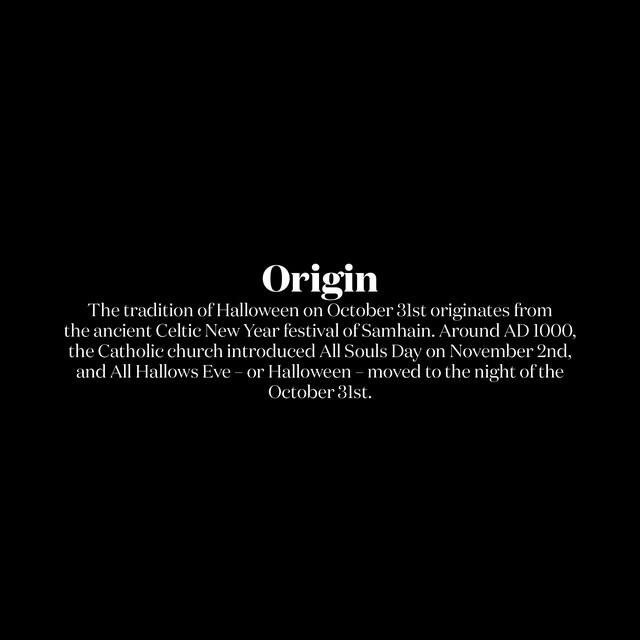
The holiday has come a long way since its origins as the Samhain festival of the ancient Celts.
As per Britannica, the day itself is observed the evening before All Saints (or All Hallows’) Day.
It commemorates the day before the Western Christian feast of All Saints and kicks off the Allhallowtide. This lasts three days and ends with All Souls’ Day.
The festival is widely observed as a non-religious holiday in Europe and North America.
As per History.com, the ancient Celts would light fires and dress up in costume during Samhain.
They did this to repel ghosts and spirits – whom they were afraid of – they believed returned to Earth.
 More from Explainers
The festival underwent its first transformation in the eighth century when the church entered the picture.
Looking for converts to their faith, the church sought to keep as many of the pagan rituals and festivals as possible and reappropriate them – old wine in a new bottle as it were.
The church repositioned 1 November as All Saints Day – and slowly merged some of Samhain’s rituals with its own practices. The day before All Saints Day came to be known as Halloween.
The practices most associated with Halloween like dressing up, trick-or-treating and jack-o-lanterns would slowly be added over time.
Let’s take a closer look:
---
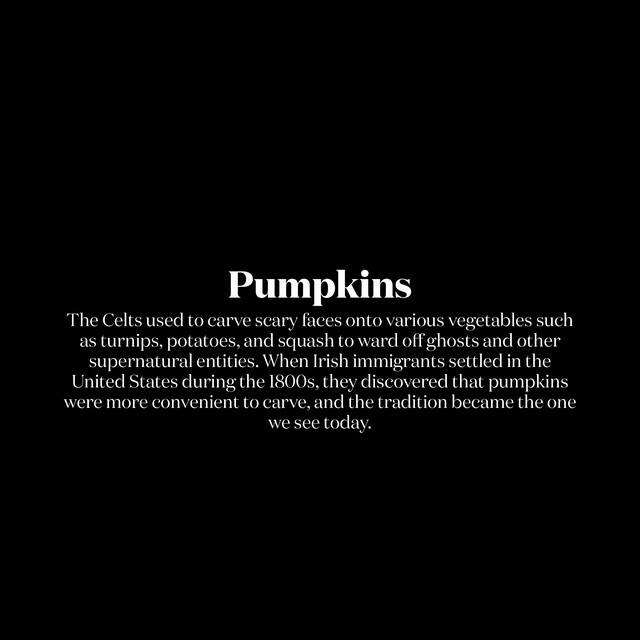
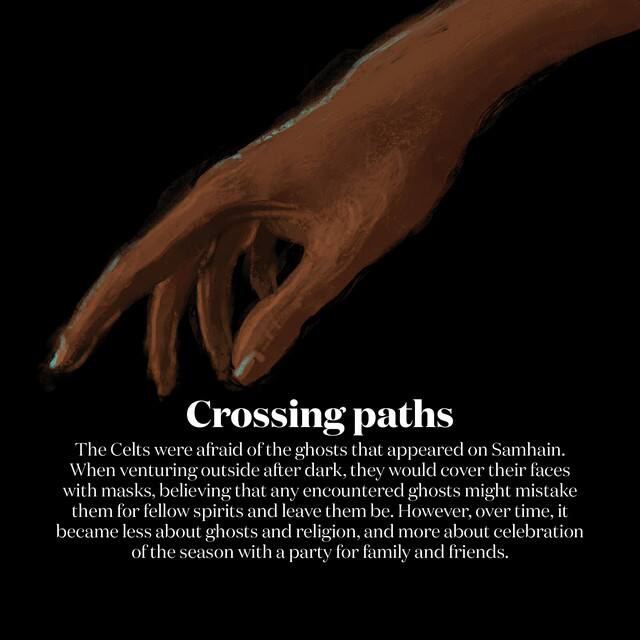
All creatives designed by Network18

Military drones & police check-ups: How Sri Lanka is fighting against worst dengue outbreak in a decade
How Facebook job ad lured 2 Karnataka men into Myanmar cyber scam camp
Why is India seeing 95% cloud cover despite a Super El Niño?
What is CJP’s fourth demand to the government as protests in Delhi intensify?
The new geography of war: Why the Houthis can no longer be ignored