


In Graphics | What happens during a partial lunar eclipse?
A partial lunar eclipse will be visible across India and other parts of the world on the intervening night of 28 and 29 October. Let’s understand how it occurs and why the Moon appears a distinct reddish colour, also known as the ‘blood Moon’

Skygazers are eagerly waiting to witness a partial lunar eclipse which is set to occur on Saturday (28 October) and Sunday (29 October). This celestial experience is happening just 14 days after the “ring of fire” solar eclipse took place on 14 October.
The partial lunar eclipse will be visible across India, the Western Pacific Ocean, Australia, Asia, Europe, Africa, eastern South America, north–eastern North America, the Atlantic Ocean, the Indian Ocean and the South Pacific Ocean. Notably, the first full Moon after the Harvest Moon, called Hunter’s Moon, is also happening tonight.
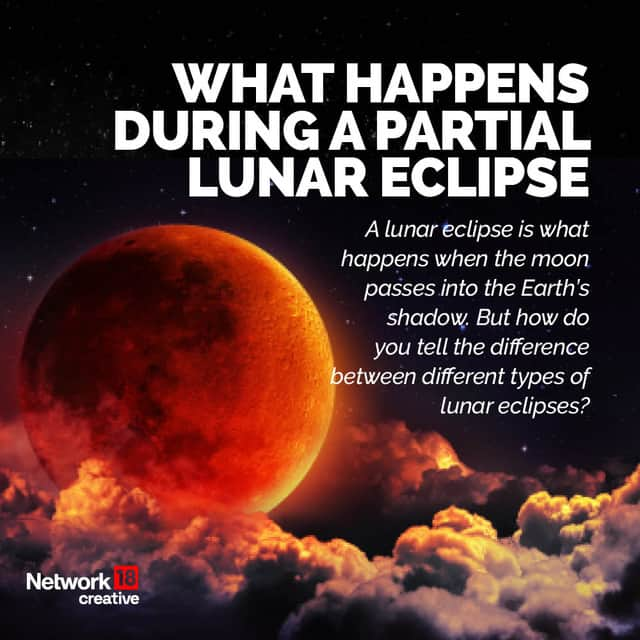
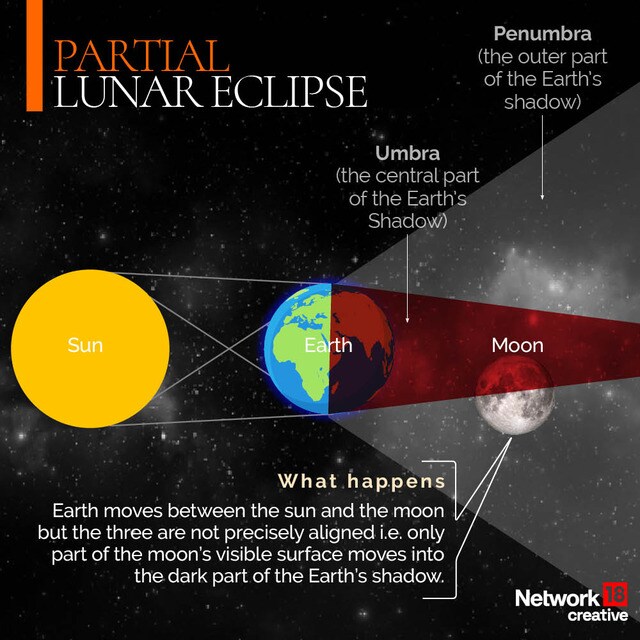
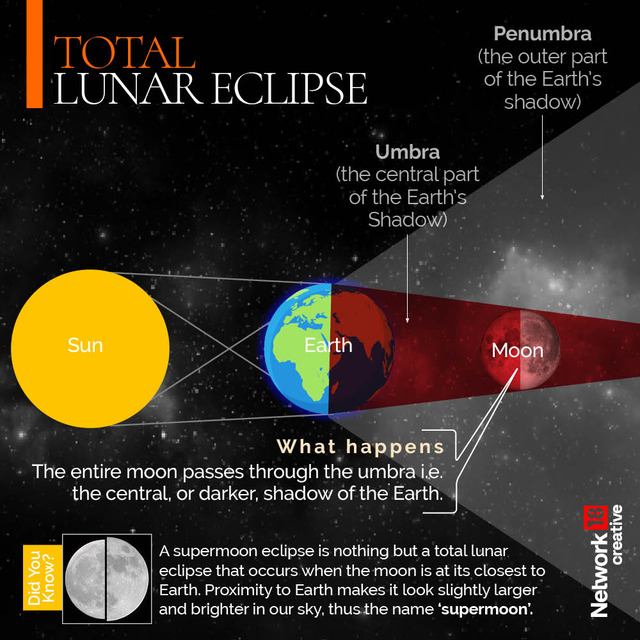
Lunar eclipses occur when the Sun, the Earth and the Moon align, leading to the Earth’s shadow falling on the lunar surface. When the Moon is entirely under Earth’s shadow, it’s a total lunar eclipse. A partial lunar eclipse is where only a part of the Moon is within the Earth’s shadow.
 More from Explainers
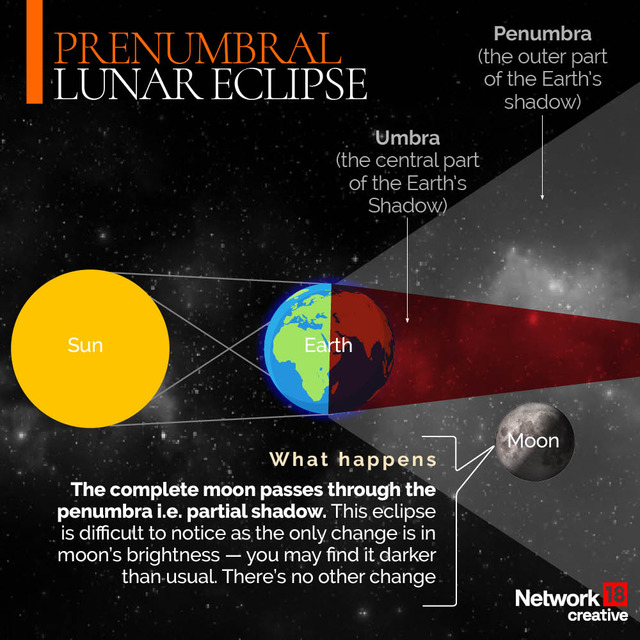
The Moon will enter the penumbra, where it will pass through an outer region of the Earth's shadow, at midnight of the intervening night between 28-29 October. Our planet’s only natural satellite will be covered by the umbra, which is the darkest part of the Earth’s shadow, at 1.45 am. During this phase, the Moon can appear reddish or copper, also known as a ‘blood Moon’.
Before the celestial spectacle kickstarts later tonight, let’s learn through graphics what happens during lunar eclipses.
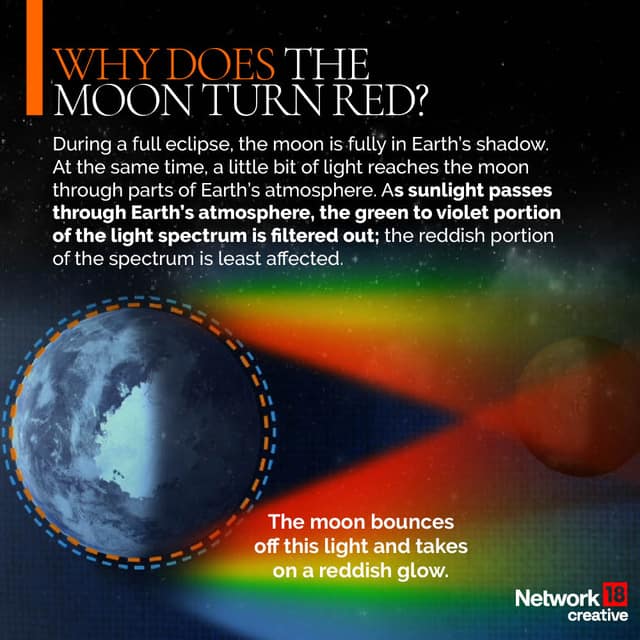
All creatives designed by Network18

Military drones & police check-ups: How Sri Lanka is fighting against worst dengue outbreak in a decade
How Facebook job ad lured 2 Karnataka men into Myanmar cyber scam camp
Why is India seeing 95% cloud cover despite a Super El Niño?
What is CJP’s fourth demand to the government as protests in Delhi intensify?
The new geography of war: Why the Houthis can no longer be ignored