


In Graphics | JN.1 is causing jitters in India. But should you worry?
Nearly two dozen cases of the sub-variant, a descendant of Omicron, have been found across three states. This, as India recorded 614 new coronavirus infections in a day — the highest since 21 May, while the active cases have increased to 2,311. Here's what you need to know

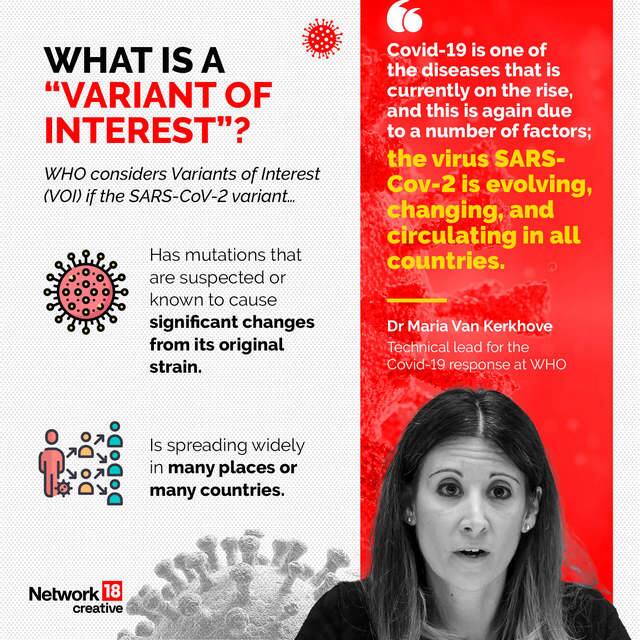
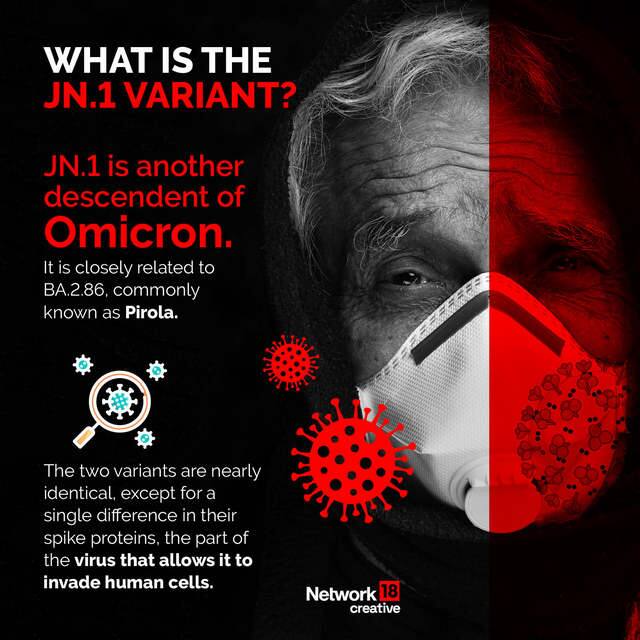
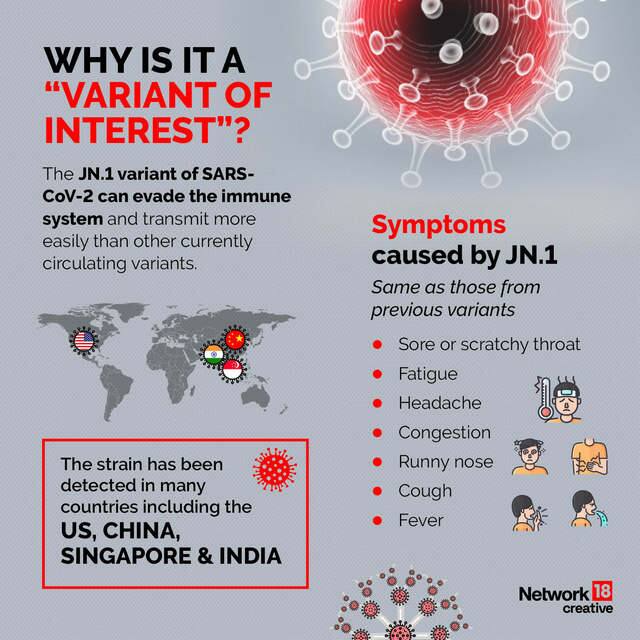
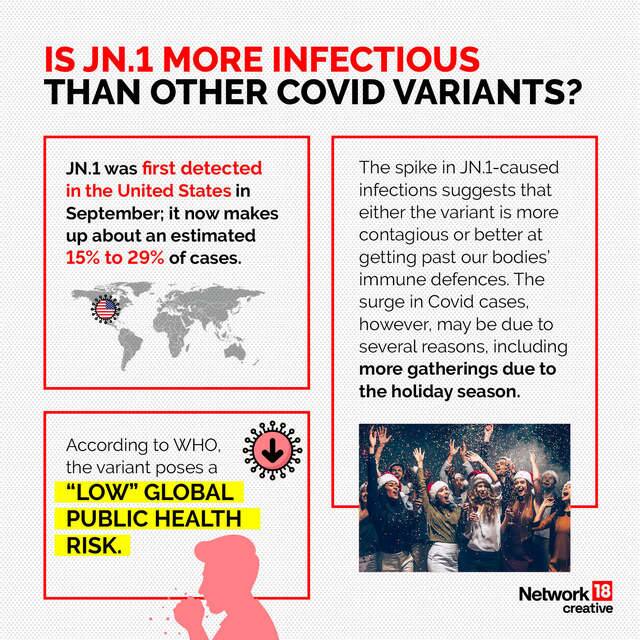
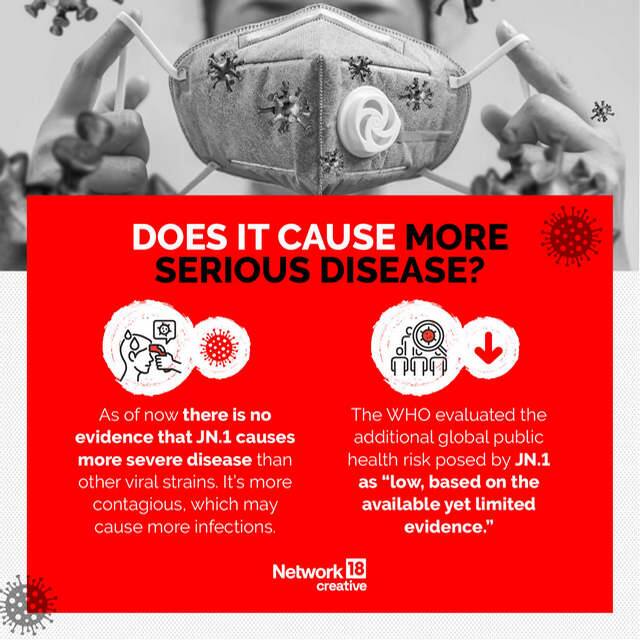
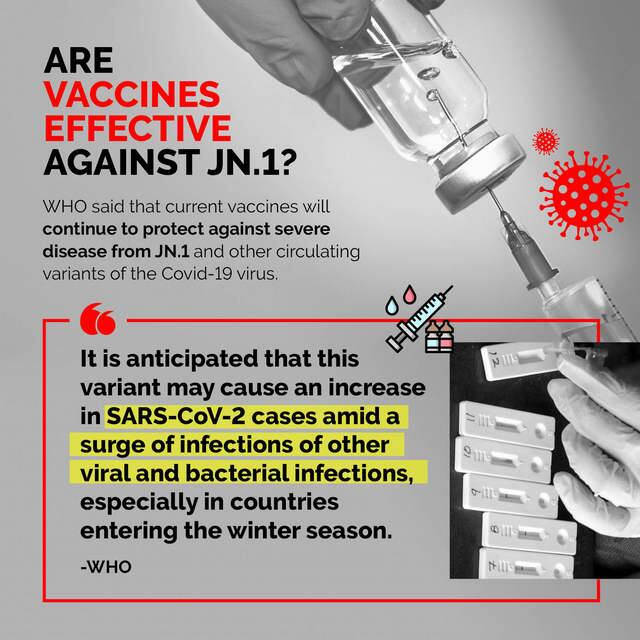
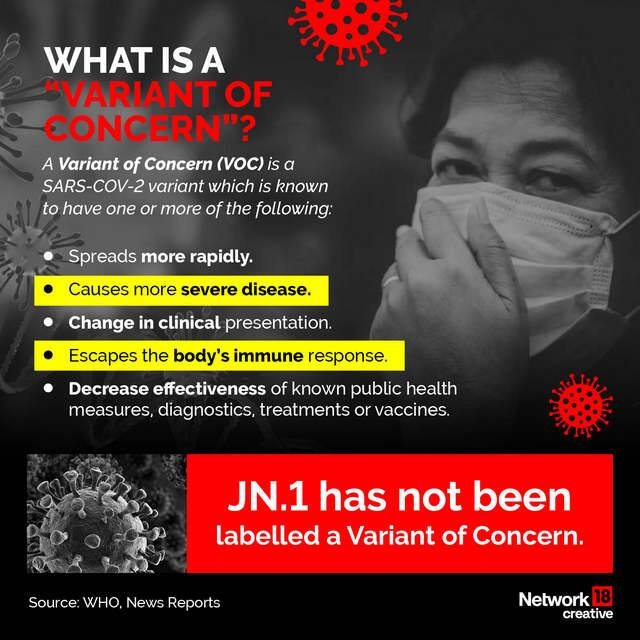
The COVID-19 sub-variant JN.1 is causing jitters in India.Nearly two dozen cases of the sub-variant — a descendant of Omicron — have been found across three states.This, as the Centre has asked states and Union territories to maintain constant vigil amid an uptick in COVID-19 cases.India recorded 614 new coronavirus infections in a day — the highest since 21 May, while the active cases have increased to 2,311, data from the Union health ministry shows.The World Health Organisation has classified JN.1 as a separate 'variant of interest' given its rapidly increasing spread but said that it poses a “low” global public health risk.The JN.1 variant was previously classified as a variant of interest (VOI) as part of the BA.2.86 sublineages, the parent lineage that is classified as a VOI, the world body said on December 19.However, in recent weeks, JN.1 continues to be reported in multiple countries, and its prevalence has rapidly increased globally. India has also reported its first case of the JN.1 variant. It now represents the vast majority of BA.2.86 descendent lineages reported to the Global Initiative on Sharing All Influenza Data (GISAID), according to the World Health Organisation (WHO).India detected its first JN.1 case on 8 December.It was found in a sample taken from a 79-year-old woman in Kerala with mild symptoms.But what is the JN.1? Why has it been labelled a 'variant of interest?' Is it more infectious than other variants? Does it cause more severe disease? And what is a 'variant of concern?'Let's take a closer look:


Military drones & police check-ups: How Sri Lanka is fighting against worst dengue outbreak in a decade
How Facebook job ad lured 2 Karnataka men into Myanmar cyber scam camp
Why is India seeing 95% cloud cover despite a Super El Niño?
What is CJP’s fourth demand to the government as protests in Delhi intensify?
The new geography of war: Why the Houthis can no longer be ignored