


If it’s pouring in Mumbai, why don’t the lakes always fill up?
After an unusually dry June, Mumbai's reservoirs rebounded within days. But the rain that floods the city isn't always the rain that replenishes its drinking water

At the end of June, Mumbai's seven reservoirs had fallen below 8 per cent of their live storage capacity, prompting the Brihanmumbai Municipal Corporation (BMC) to continue its 10 per cent water cut despite intense rainfall in parts of the city.
By July 11, storage had climbed to 7,21,278 million litres — 49.83 per cent of the reservoirs' total capacity of 1,447,363 million litres.
But every monsoon, the same question arises. If Mumbai's roads are flooded and neighbourhoods waterlogged, why don't its reservoirs fill up just as quickly?
The answer lies outside the city limits.
Where Mumbai’s water comes from
Mumbai depends on seven reservoirs — Bhatsa, Upper Vaitarna, Middle Vaitarna, Modak Sagar, Tansa, Tulsi and Vihar — for its drinking water.
 More from Explainers
While Vihar and Tulsi lie within the city, but most of Mumbai's water comes from reservoirs in the interiors of Thane district and Nashik region.
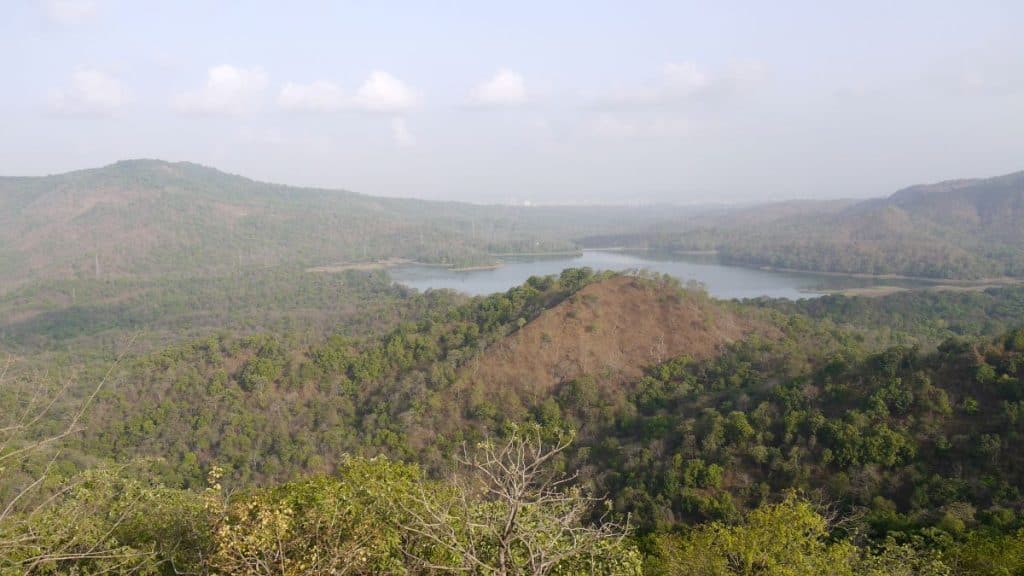
"People often assume that because it's raining heavily in Mumbai, the reservoirs must also be receiving the same amount of rain. But the city and its water source are not the same place," says independent weather forecaster Athreya Shetty.
"Vihar and Tulsi contribute just 2-3 per cent of Mumbai's water supply. The larger reservoirs lie in Shahpur tehsil in Thane district, while Upper Vaitarna is in the Nashik Ghats, where the season's first spells of extremely heavy rainfall often arrive much later."
The monsoon rarely delivers rainfall evenly across the region. A cloudburst over south Mumbai or the western suburbs may have little bearing on rainfall over the reservoir catchments.
In many years, the city receives its first heavy downpours two to three weeks before the catchments receive the sustained rainfall needed to significantly raise reservoir levels.
“The biggest boosts to reservoir inflows happen when several weather systems work together,” says Shetty.
“Strong westerlies and an active offshore trough can bring heavy rain to Mumbai and the immediate coast, but they're usually not enough to deliver the widespread rainfall needed over the interior catchments. Those areas need additional triggers, such as a vortex over the Mumbai Metropolitan Region and the pull from a Bay of Bengal depression."
"Together, these systems draw moisture farther inland, producing intense rainfall over the Western Ghats and generating the runoff that rapidly fills the reservoirs,” Shetty added.
Why heavy rain doesn’t always fill reservoirs
Rain over the catchments, however, is only part of the story.
"Whether rainfall reaches a reservoir depends on what happens after it hits the ground. Dry soil absorbs much of it, replenishing soil moisture and groundwater. Once the soil is saturated, more water becomes surface runoff that flows through streams and rivers into reservoirs,” says Dr Sarita Sachdeva, executive director and dean of research at Manav Rachna International Institute for Research and Studies.
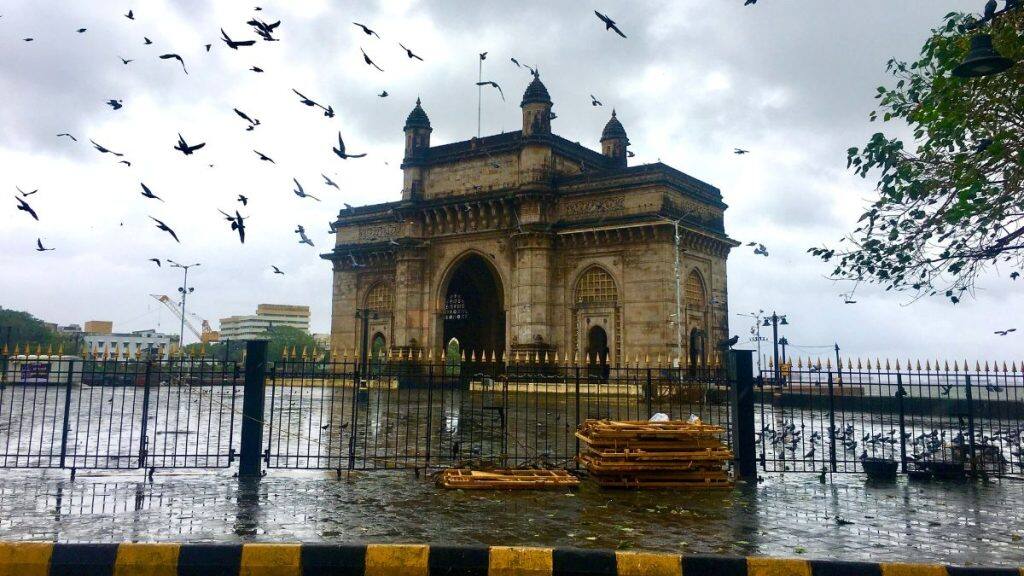
Prolonged, widespread rainfall is also more effective than a short cloudburst since it allows water to trickle across the entire catchment before reaching the reservoir.
“By contrast, cloudbursts are often highly localised. Even if rainfall is extremely heavy at one location, much of the water flows rapidly over the land, causing flash floods and erosion before eventually reaching the sea,” says Sachdeva.
Climate change is making the situation more unpredictable. “We're seeing fewer rainy days but more extremely heavy rainfall events, with much of the month's rain falling over just a few days,” says Shetty.
“This season is a good example. June was below average and didn't do anything for the catchments. Then, in the first week of July, Mumbai and the catchments received about 800-1,000 mm of rain in just five days, boosting reservoir levels by over 40%. Climate change is making rainfall more erratic and extreme, even affecting reservoir replenishment patterns.”
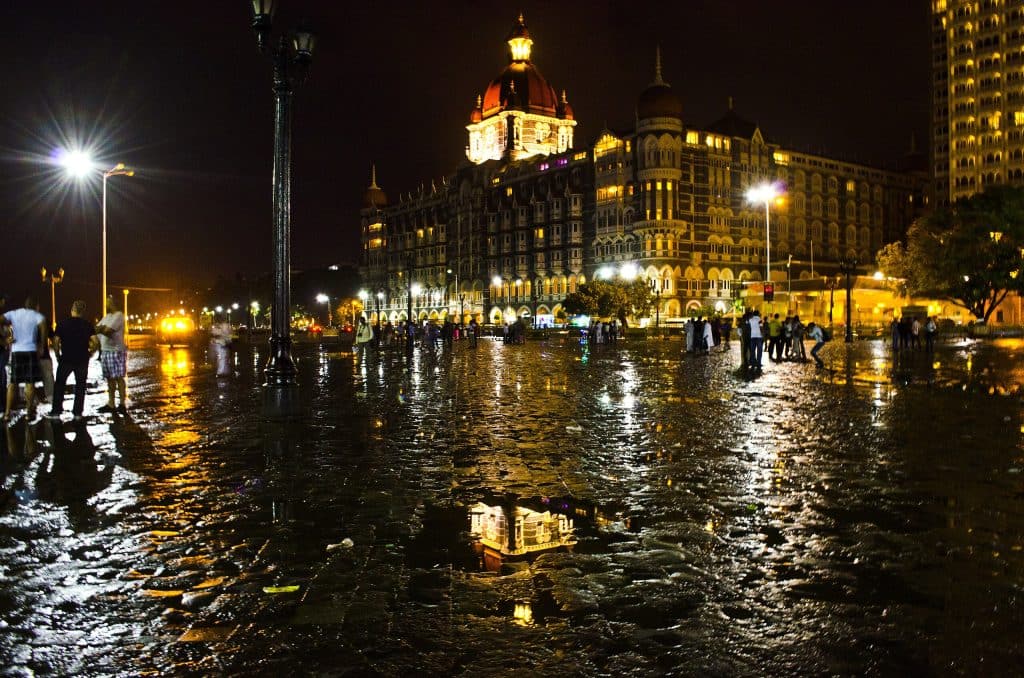
So the next time Mumbai wakes up to flooded roads after a night of heavy rain, the real question isn't how much rain fell over the city. It's how much fell over the catchments that keep the city’s taps running.

Military drones & police check-ups: How Sri Lanka is fighting against worst dengue outbreak in a decade
How Facebook job ad lured 2 Karnataka men into Myanmar cyber scam camp
Why is India seeing 95% cloud cover despite a Super El Niño?
What is CJP’s fourth demand to the government as protests in Delhi intensify?
The new geography of war: Why the Houthis can no longer be ignored