


How the Northeast could be the next frontier for India’s rare earth ambitions
The Geological Survey of India (GSI) has revealed that Northeast India has promising rare earth element deposits. But success doesn’t depend only on mineral discovery. India can emerge as a critical player by leveraging the Act East Policy, and investing in human capital and technology in the region

Since Independence, India’s Northeast was long treated as an outlying region in the country’s strategic discourse despite having 5,484 kilometres of international borders with Bangladesh (1,880 km), Myanmar (1,643 km), China (1,346 km), Bhutan (516 km), and Nepal (99 km), as well as its potential to serve as India’s gateway to Southeast Asia. The region’s development was constrained by inadequate infrastructure, limited industrialisation, and poor connectivity, hampering its economic growth.
However, since 2014, Prime Minister Narendra Modi has emphasised the development of Northeast India, leading to a fundamental transformation in its developmental landscape through the government’s commitment to the region’s holistic growth. The region’s share in India’s GDP has doubled to six per cent in 2024-25, from 2.6 per cent in 2011-12. As the region charts a new growth trajectory, a significant opportunity has emerged for Northeast India to play a leading role in the global rare earth element (REE) supply chain.
 More from Explainers
What are rare earth elements, and why are they strategically important?
Rare earth elements (REEs) are a group of 17 elements, including 15 lanthanides — silvery-white metals — along with scandium and yttrium. These elements are indispensable for manufacturing a wide range of products, from smartphones, defence equipment, and medical devices to green technologies, digital technologies, and everyday consumer appliances.
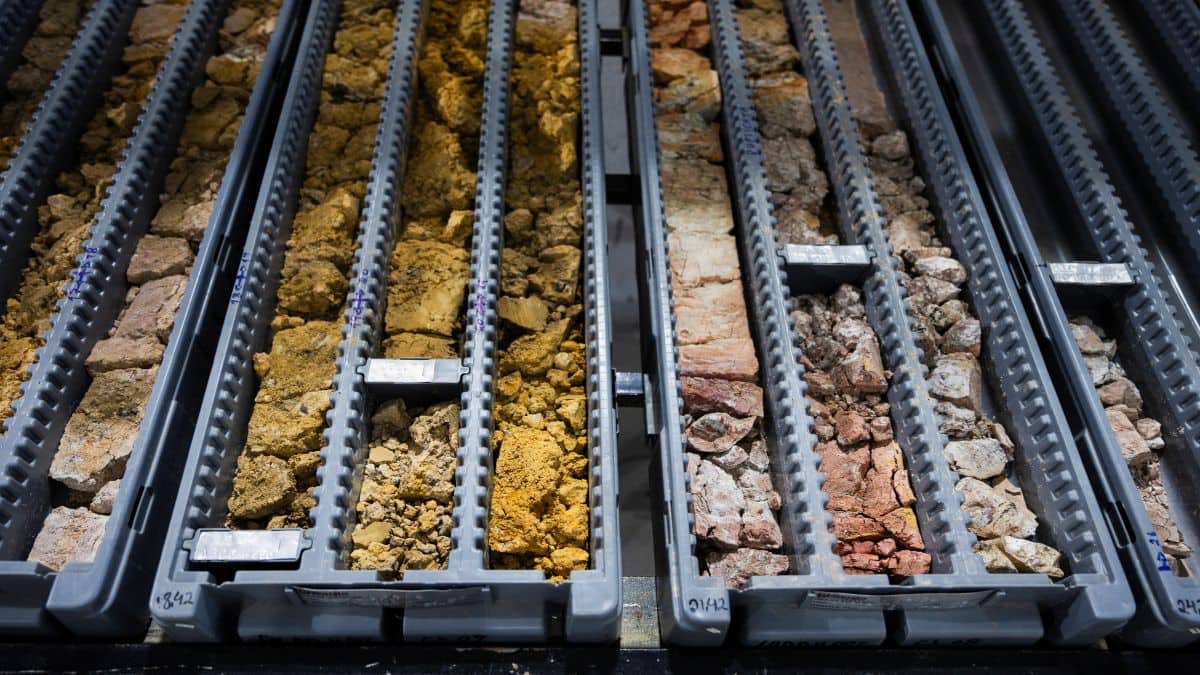
As the world moves towards digitisation, clean energy, and defence modernisation, these relatively obscure elements have become strategic resources. China currently dominates the global REE supply chain, particularly in processing and refining, and has often used this dominance as geopolitical leverage through export controls backed by laws and regulations. Diversifying the supply chain has therefore become imperative. According to the Geological Survey of India (GSI), Northeast India has emerged as a region with promising REE deposits. Combined with its proximity to Southeast Asia, the region has the potential to become a crucial player in strengthening Indo-Pacific supply chains.
How can infrastructure and Act East Policy support Northeast’s rare earth ambitions?
The region’s recent infrastructure improvements have laid the foundation for Northeast India to become an important player in the global REE supply chain. Significant investments in air, road, and rail connectivity, along with multimodal transport networks, new bridges, and tunnels, have substantially reduced logistics costs. Improved infrastructure facilitates trade while lowering the cost of transporting minerals, machinery, and advanced materials.
However, as China has demonstrated, technological expertise matters more than merely possessing critical minerals. India must therefore develop robust processing and refining capabilities. The Act East Policy provides an ideal framework for developing Northeast India into a regional hub for REE processing and refining. Improved connectivity through the India-Myanmar-Thailand Trilateral Highway, the Kaladan Multimodal Transit Transport Project, and integrated check posts can facilitate the movement of minerals across Southeast Asia.
The policy can also be leveraged to attract technology investments and partnerships from Japan and South Korea, both of which possess advanced expertise and are seeking to diversify their supply chains away from China. Establishing processing clusters and Special Economic Zones (SEZs) would further strengthen Northeast India’s position as a regional REE hub.
What investments are needed in skills, technology and research?
Developing a capable workforce will be critical. Dedicated Centres of Excellence (CoEs) and vocational training centres should be established across Northeast India. REE processing requires specialised expertise in advanced chemical engineering, metallurgy, and precision manufacturing. The Government of India can build these capabilities through institutions such as the Council of Scientific and Industrial Research (CSIR) and the Indian Institutes of Technology (IITs), while also collaborating with leading international universities.
The Government should also encourage the adoption of digital technologies such as artificial intelligence (AI), machine learning, remote sensing, and geospatial analytics. AI-driven exploration models can improve the accuracy of mineral discovery while reducing drilling costs, thereby strengthening the REE value chain.
What environmental safeguards are essential for sustainable rare earth development?
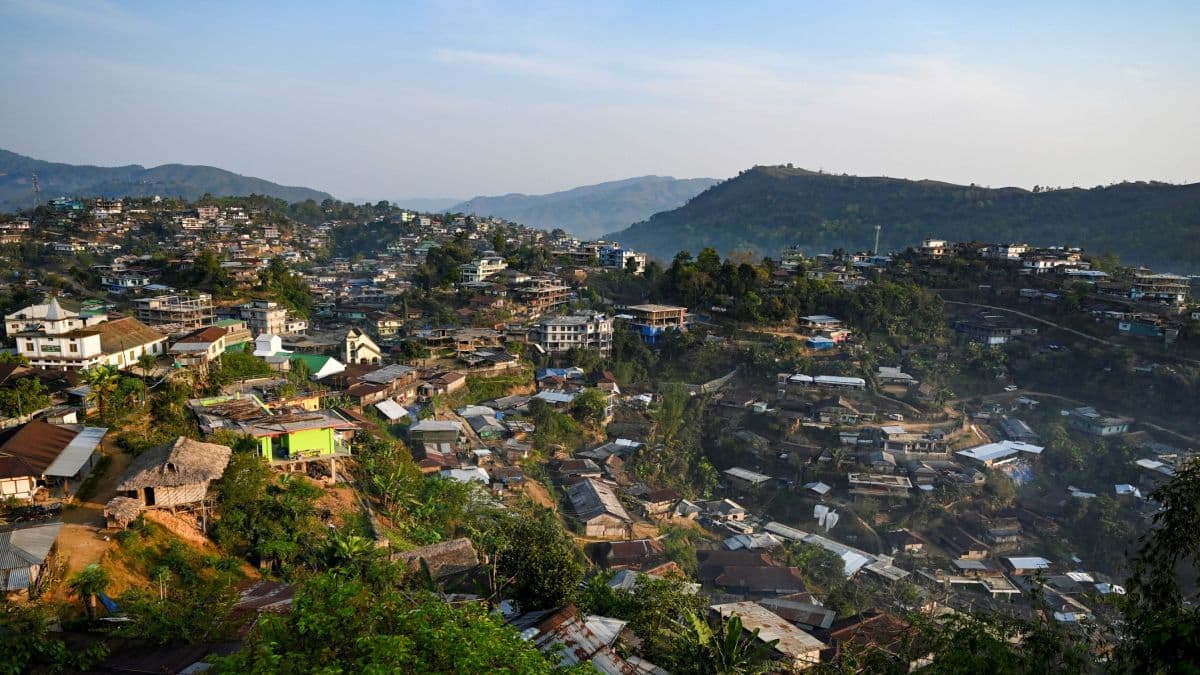
Sustainability must remain central to any REE strategy. Producing one tonne of REEs can generate nearly 2,000 tonnes of toxic waste. Given Northeast India’s rich biodiversity and ecological sensitivity, strong environmental safeguards and regulatory mechanisms are essential. Responsible mining, effective waste management, and strict environmental standards will be necessary to ensure that the region can emerge as a trusted supplier of REEs while preserving its unique ecological character.
What will determine Northeast’s success in the global rare earth supply chain?
Building a resilient REE supply chain has become essential to ensuring trusted global supply chains, and Northeast India possesses many of the prerequisites to become an integral part of this emerging ecosystem.
However, success will depend not only on mineral discovery but also on developing an end-to-end value chain encompassing exploration, processing, refining, advanced manufacturing, research, and recycling.
By leveraging the Act East Policy, collaborating with like-minded countries, investing in human capital and technology, and upholding high environmental standards, Northeast India can emerge as a critical player in the global rare earth supply chain.
(Trishala Anand Sancheti is Research Fellow at India Foundation. Views expressed are personal and solely those of the authors. They do not necessarily reflect Firstpost’s views.)

Military drones & police check-ups: How Sri Lanka is fighting against worst dengue outbreak in a decade
How Facebook job ad lured 2 Karnataka men into Myanmar cyber scam camp
Why is India seeing 95% cloud cover despite a Super El Niño?
What is CJP’s fourth demand to the government as protests in Delhi intensify?
The new geography of war: Why the Houthis can no longer be ignored