


How India carried out Operation Sindoor: A year on, the key elements explained
On the first anniversary of Operation Sindoor, a look at how India pulled off precision strikes in the aftermath of the Pahalgam terror attack and its key components

The first anniversary of Operation Sindoor is upon us.
After the Pahalgam terror attack in April 2025 that left 26 dead, many were waiting to see India’s response. It came on May 7, 2025, with precision strikes on nine terror bases in Pakistan and Pakistan-occupied Kashmir.
But what happened in Operation Sindoor? What were the six key components of the mission?
Let’s take a closer look.
A brief look at Operation Sindoor
Operation Sindoor began around 1 am on May 7, 2025. New Delhi targeted nine terror bases in Pakistan and Pakistan-occupied Kashmir (PoK). The idea behind it was to dismantle the terror infrastructure in Pakistan and avoid civilian casualties and damage to infrastructure.
Among those targeted were Jaish-e-Mohammad’s headquarters in Bahawalpur, widely known to serve as the headquarters of the Masood Azhar-led terror group, and Lashkar-e-Taiba’s terror factory in Muridke and Muzaffarabad. It also hit two Hizbul Mujahideen locations. India, in doing so, took out a number of terrorists, including those who had participated in the IC-184 hijack and the Pulwama blasts.
 More from Explainers
India also hit nearly a dozen Pakistani air bases, including Chaklala, Rafiqui, Nur Khan, and Rahim Yar Khan, and key military installations – the first time this has been done to a nuclear-armed nation – which shook up the Pakistani high command.
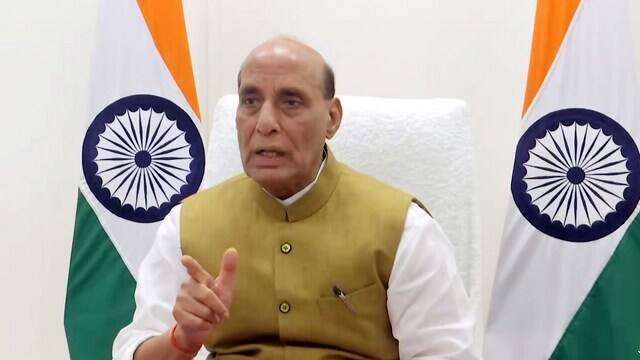
Though Islamabad retaliated with a swarm of drones and missiles targeting Indian cities, New Delhi’s indigenous defence systems fended them off. The conflict ended only 88 hours later after Pakistan’s DGMO approached his Indian counterpart seeking a ceasefire. India also won the global diplomatic battle, with most major nations, barring Turkey, tacitly siding with New Delhi.
But what were the key elements of the mission?
Let’s take a closer look:
Measured and non-escalatory strikes
From the outset, India was clear that the strikes were meant to be “measured, focused, and non-escalatory”. The idea was to project strength without getting dragged into an interminable conflict – like Russia in Ukraine or the United States in Afghanistan or Iraq – which could cost blood and treasure. India also made it clear that the aim of the mission was to decapitate the terrorist network in Pakistan and those backing them.
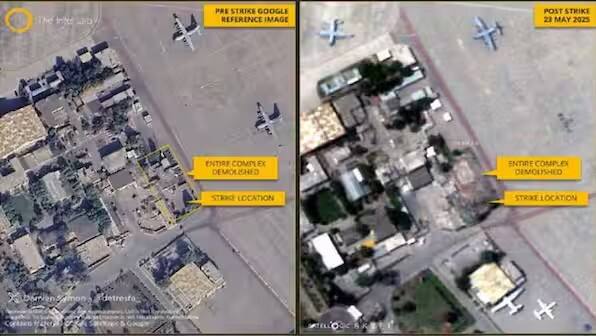
The precise nature of the strikes and their maximum lethality also reinforced the fact that India did not target civilians and infrastructure. As mentioned before, after the objectives had been achieved, India wound down the operation of its own accord.
Nowhere is safe
In the aftermath of the Pahalgam terror attack, Pakistan was likely expecting India to hit back at the border. However, New Delhi shattered Islamabad’s calculations by hitting deep into the heart of Pakistan. This included terror facilities, Pakistani air bases, command centres, military infrastructure, and air defence systems – which Islamabad had thought to be out of India’s range.
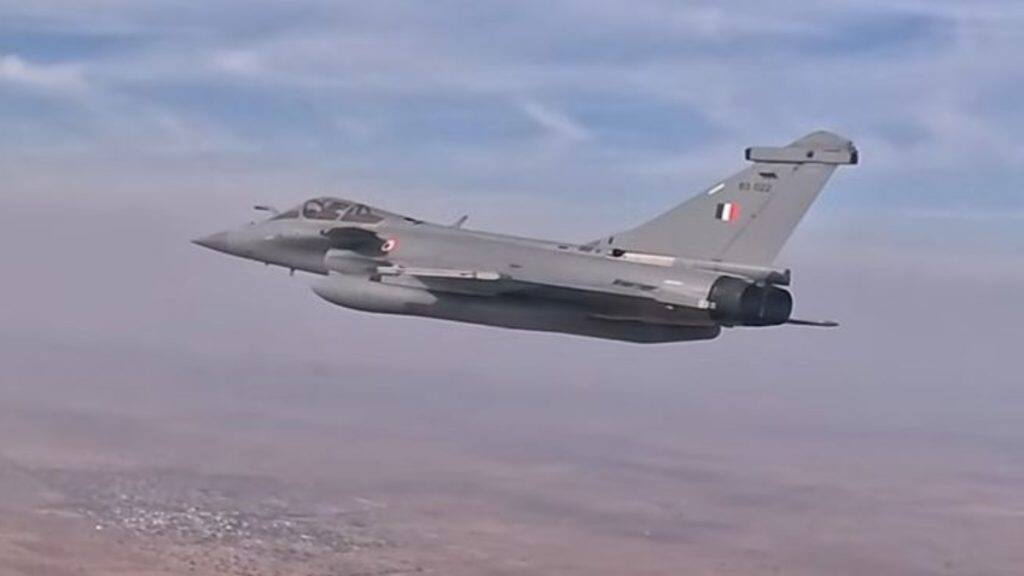
Bahawalpur, for example, is around 140 kilometres from the Indian border. Meanwhile, Muridke is located in the Lahore suburbs.
“The bases we struck include Chaklala, Rafiqui, and Rahim Yar Khan, sending a clear message that aggression will not be tolerated. This was followed by strikes at Sargodha, Bhulari, and Jacobabad,” Air Marshal AK Bharti said.
It sent the terrorists – over 100 of whom were eliminated, including several high-value targets – and their backers the message that they had no place to hide.
Minimal blowback
After India’s strikes, Pakistan responded with artillery shelling along the Line of Control (LoC) and in parts of Jammu and Kashmir. It also sent a swarm of hundreds of drones, including those of Chinese origin, Turkish Bayraktar UCAVs, and missiles, including a Fatah-II guided rocket reportedly aimed at Delhi.
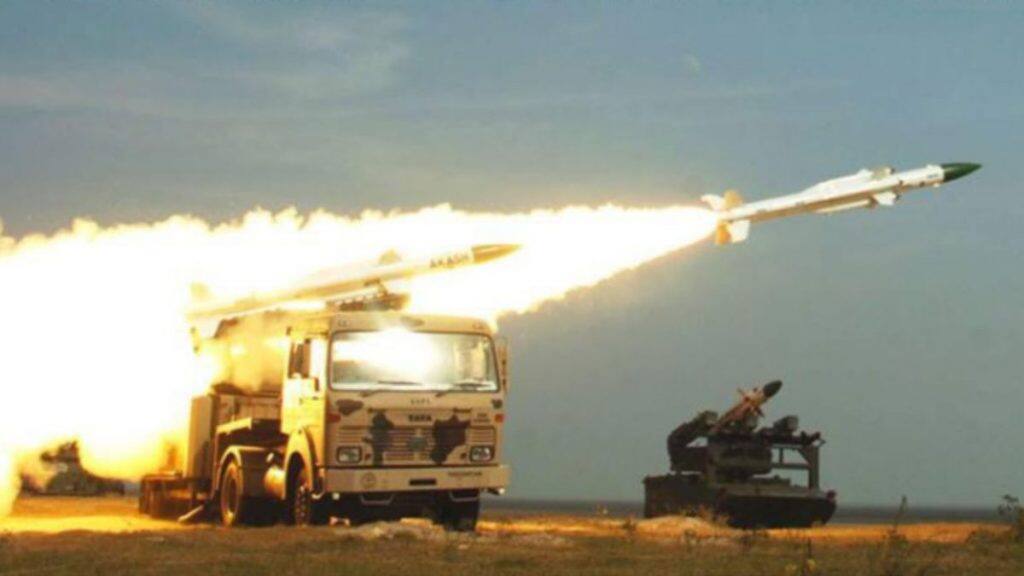
However, all the incoming projectiles were shot down by India’s indigenously developed air defence systems. This showcased the efficacy of the Make in India initiative and sounded a clarion call for India’s ambitions to become a major defence exporter.
Cooperation on an unprecedented scale
Operation Sindoor was the first time that all three branches of the Indian Armed Forces worked together during such a mission.
While the Indian Air Force and Indian Army coordinated strikes on the terror camps and assets across the border and ensured no projectiles slipped through, the Indian Navy ensured that there could be no misadventures at sea by Islamabad.
Full freedom to armed forces
The Centre, led by Prime Minister Narendra Modi, who had vowed that India would strike back at a time and place of her choosing, gave full freedom to the Indian Armed Forces to respond as they saw fit.
Modi’s declarations that India would “not give in to nuclear blackmail” and that “every act of terror will be treated as an act of war” set the stage for the operation.
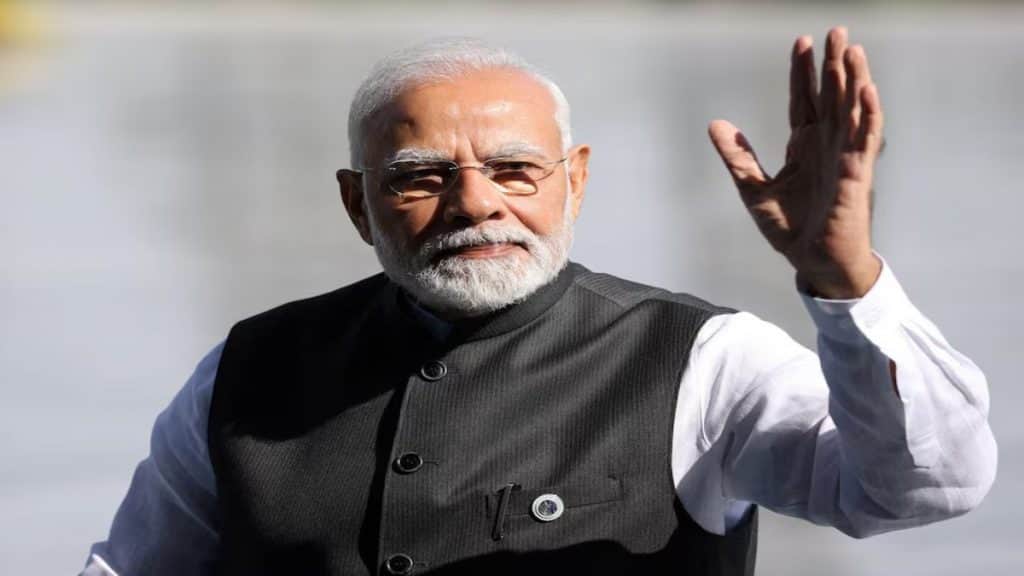
“I have given full freedom to the armed forces to decide the time, place, and nature of the strike... Our forces have shown a lot of courage and achieved the objectives of Operation Sindoor,” Modi said.
A holistic approach
When it came to Operation Sindoor, the Centre employed a holistic approach. Every part of the system worked together to pull off the mission and to ensure its success. At home, daily briefings were put on to keep the public apprised and up to date. Meanwhile, the Centre sent delegations to dozens of nations including major powers to spell out India’s stance on terror and highlight the complicity of the Pakistani state.
FAQs
1. What was Operation Sindoor?
Operation Sindoor was a military operation launched by India on May 7, 2025, targeting terror infrastructure in Pakistan and Pakistan-occupied Kashmir.
2. What triggered Operation Sindoor?
The operation followed a terror attack in Pahalgam in April 2025 that resulted in 26 deaths.
3. How long did Operation Sindoor last?
The conflict lasted approximately 88 hours before a ceasefire was reached between India and Pakistan.
With inputs from agencies

Military drones & police check-ups: How Sri Lanka is fighting against worst dengue outbreak in a decade
How Facebook job ad lured 2 Karnataka men into Myanmar cyber scam camp
Why is India seeing 95% cloud cover despite a Super El Niño?
What is CJP’s fourth demand to the government as protests in Delhi intensify?
The new geography of war: Why the Houthis can no longer be ignored