


History Today: When Vincent Van Gogh cut off his left ear
On December 23, 1888, Dutch painter Vincent van Gogh cut off his left ear with a razor after an altercation with his friend Paul Gauguin. None of it stopped Van Gogh from creating iconic works like Starry Night and Sunflowers. It's also on this day that American physician Joseph Edward Murray performed the first successful human kidney transplantation. Murray received the 1990 Nobel Prize for his work on organ transplantation

On December 23, 1888, Vincent van Gogh cut off his ear after being embroiled in a heated argument with his friend Paul Gauguin. The exact motivation behind this action remains debated, while many suggest self-punishment.
The first human kidney transplantation took place in 1954 on this day. American physician Joseph Edward Murray performed the first successful organ transplant.
If you are a history geek who loves to learn about important events from the past, Firstpost Explainers’ ongoing series, History Today will be your one-stop destination to explore key events.
Vincent van Gogh chops off his ear
Born in the Netherlands in 1853, Van Gogh moved to Paris in 1866, where his brother Theo lived. Theo was an art dealer, and he introduced Gogh to several artist including Paul Gauguin. After a few days, Van Gogh rented a house in France's Arles. Gauguin, who was an older artist with more experience, came to live with Gogh in his rented house. Since then, the two men worked and lived together for almost two months.
 More from Explainers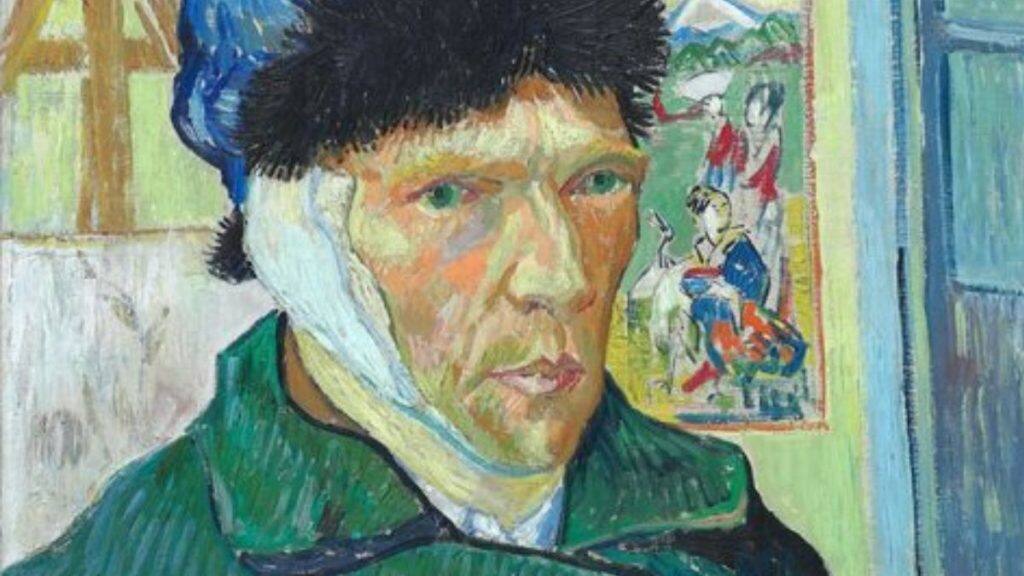
Soon, tensions started with frequent arguments between the two artists. A few days before Christmas, things took a dramatic turn after Gogh and Gauguin indulged in a heated argument. During the argument, in a severe mental breakdown, Gogh cut off his left ear. He then allegedly wrapped his ear in a paper and gave it to a woman in a local brothel. It was reported that the woman was horrified, and she informed the police about the incident.
Despite the incident, Van Gogh continued to create iconic works like Starry Night, Sunflowers and Irises, his best and most well-known artworks. On July 27, 1890, the Dutch painter allegedly shot himself and died two days later at the age of 37.
First human kidney transplant was performed
The first human kidney transplant was performed by a a well known American physician, Joseph Murray, in 1954. Joseph went to Harvard Medical School and was a plastic, reconstructive, and transplant surgeon. The transplantation occurred between identical twins. It was a singularly celebrated moment. Murray also received the 1990 Nobel Prize for his work on organ transplantation. And by that point, he was no longer actively involved in transplant work.
Murray was born in Milford, Mass (a town 30 miles southwest of Boston) in 1919. Since his childhood, he has been interested in science. His father was a lawyer, and his mother was a school teacher. He interned at the Peter Bent Brigham Hospital (now Brigham and Women's Hospital) in Boston. Joseph served as a chief plastic surgeon at the hospital from 1951 to 1986. He was a chief plastic surgeon at Children's Hospital Medical Centre in Boston from 1972 to 1985, according to Mayo Clinic Proceedings. Murray was a professor of surgery at Harvard Medical School till his retirement in 1985.
India’s Kisan Diwas
Kisan Diwas, also known as National Farmer's Day, is celebrated on this day to honour the birth anniversary of India's fifth prime minister, Chaudhary Charan Singh, who was a dedicated advocate for farmers. Singh contributed to the upliftment and welfare of farmers. To honour his unwavering dedication to farmers, the government of India, in 2001, designated December 23 (which is today) as Kisan Diwas.
Called the "Champion of Farmers," Singh, during his tenure as Prime Minister from 1979 to 1980, brought landmark reforms, including the Debt Redemption Bill of 1939. The bill aimed to free the farmers from exploitative moneylenders and promote self-reliance in India. In Delhi, there is a memorial named 'Kishan Ghat' to mark recognition of his legacy. On this day, critical issues in the farming sector are mainly discussed.
This Day, That Year
- The execution of Eddie Slovik was authorised by General Dwight Eisenhower on this day in 1944
- The famous “A Visit From St. Nicholas," a Christmas poem, was published in the Troy Sentinel newspaper in New York on this day in 1823
- General George Washington resigned as commander in chief of the Continental Army on this day in 1783.
With inputs from agencies

Military drones & police check-ups: How Sri Lanka is fighting against worst dengue outbreak in a decade
How Facebook job ad lured 2 Karnataka men into Myanmar cyber scam camp
Why is India seeing 95% cloud cover despite a Super El Niño?
What is CJP’s fourth demand to the government as protests in Delhi intensify?
The new geography of war: Why the Houthis can no longer be ignored