


History Today: When mystery pneumonia outbreak, which later turned out to be Covid, hit Wuhan
On December 31, 2019, a series of 'pneumonia' cases of unknown origin were reported in Wuhan, Hubei. The virus was later identified as SARS-CoV-2, which led to the Covid pandemic. Also, it was on this day in 1907 that the first Times Square ball drop occurred on New Year's Eve

On December 31, 2019, Wuhan reported a cluster of what it called 'pneumonia' cases. The virus was later identified as SARS-CoV-2, which led to a global outbreak.
Also, on this day in 1907, the first Times Square ball drop occurred.
If you are a history geek who loves to learn about important events from the past, Firstpost Explainers’ ongoing series, History Today, will be your one-stop destination to explore key events.
Mystery pneumonia in China is Covid-19
On this day in 2019, China's Wuhan reported several cases of pneumonia. The Wuhan Municipal Health Organisation in China’s Hubei Province made the announcement. A few days later, several Chinese citizens were reporting "pneumonia of unknown aetiology". The symptoms included fever, breathing issues and more.
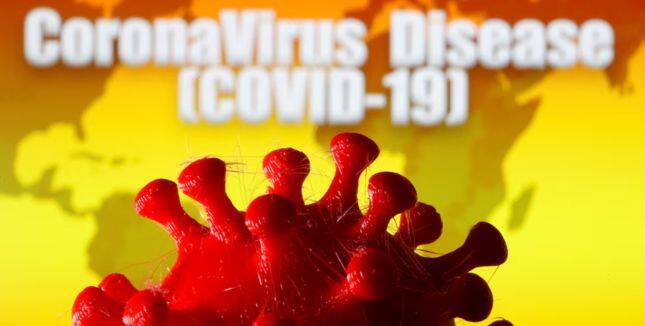
The disease then spread rapidly in China. From January 20, 2020, the Chinese government began calling the virus a "Class B infectious disease". It was labelled SARS-CoV-2 because it was similar to the SARS virus that broke out in 2003.
 More from Explainers
By March 2020, the outbreak began causing disruption across the world. Schools and offices went into lockdown mode; masks and social distancing became the new normal. According to Statista, more than 6.86 million people died after contracting the respiratory virus.
The first annual ball drops at Times Square
Millions around the world ring in the New Year by watching the big ball drop in Times Square.
But when did this tradition begin?
The first modern time ball dropped as a visual cue for British sailors to set their clocks. In America, the first was made of rubber. It was thrown from the dome of the US Naval Observatory every day at noon.
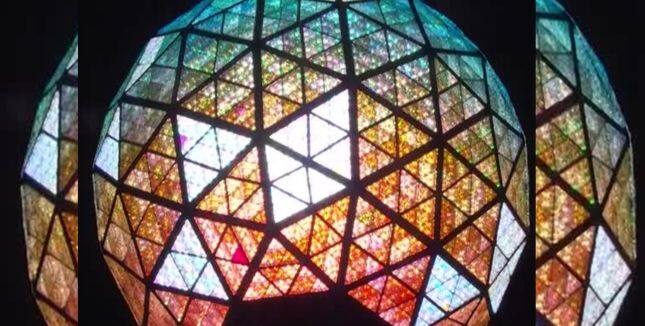
New York Times publisher Adolph Ochs built the ball in Times Square after he was denied a fireworks permit for his annual New Year celebration. His 317-kilo sphere was covered in electric lights and descended as the clock struck midnight. The shining and glittering crystal ball symbolises the promise of a new year.
Manhattan Bridge opens for traffic
On this day in 1909, the Manhattan Bridge officially opened to vehicle traffic after eight years of construction. The bridge, one of the most well-known suspension bridges in New York City, quickly became a vital means of transportation.
Primarily engineered by Leon Moisseiff, it is around 6,800 feet long. According to reports, Moisseiff used the deflection theory to make the bridge more flexible and lighter. Construction started in 1901 under the leadership of the New York City Department of Bridges.
The bridge closely resembles the Brooklyn Bridge. Both bridges also have something else in common — they provide some of the best views across the New York City skyline.
This Day, That Year
- 1600: Queen Elizabeth I of England grants a formal charter to the London merchants trading to the East Indies.
- 1961: United States President John F Kennedy issues a statement extending his “sincere wishes” and those of the American people to Soviet Premier Nikita Khrushchev.
With inputs from agencies

Military drones & police check-ups: How Sri Lanka is fighting against worst dengue outbreak in a decade
How Facebook job ad lured 2 Karnataka men into Myanmar cyber scam camp
Why is India seeing 95% cloud cover despite a Super El Niño?
What is CJP’s fourth demand to the government as protests in Delhi intensify?
The new geography of war: Why the Houthis can no longer be ignored