


History Today: How the Indian Ocean tsunami wiped out communities from the world map
One of the worst natural disasters took place on December 26, 2004 following one of the strongest earthquakes in the oceans. As many as 2.3 lakh people were killed across 14 countries. On this day in 2012, China opened the world’s longest high-speed rail route between Beijing and Guangzhou

One of the worst tsunamis occurred on December 26, 2004, after a strong earthquake struck off the coast of Indonesia. What ensued was one of the deadliest natural disasters in recorded history.
If you are a history geek who loves to learn about important events from the past, Firstpost Explainers’ ongoing series, History Todaywill be your one-stop destination to explore key events.
On this day in 2012, China opened the world’s longest high-speed rail route between Beijing and Guangzhou.
Here is all that took place on this day.
Tsunami devastated Indian Ocean coast
A massive tsunami devastated the Indian Ocean coastline on December 26, 2004, after one of the strongest earthquakes ever recorded struck off the coast of Indonesia. The undersea earthquake with a magnitude of 9.1 occurred near Sumatra and triggered giant waves that raced across the ocean at jet-plane speeds, hitting coastal communities with little warning.
 More from Explainers
Within hours, the tsunami struck countries thousands of kilometres away. Indonesia, Sri Lanka, India, and Thailand were among the hardest hit, but the waves also reached Myanmar, the Maldives and parts of East Africa. The repercussions were so bad that entire villages were flattened, fishing communities were wiped out, and infrastructure was destroyed along vast stretches of coastline. In Aceh province in Indonesia, whole neighbourhoods vanished under the force of the water.
More than 2,30,000 people were killed across 14 countries, making it one of the deadliest natural disasters in modern history. This was not all as millions of others were displaced, left without homes, clean water or medical care. Those who survived took up the daunting task of looking for their missing family members amid widespread devastation and grief.
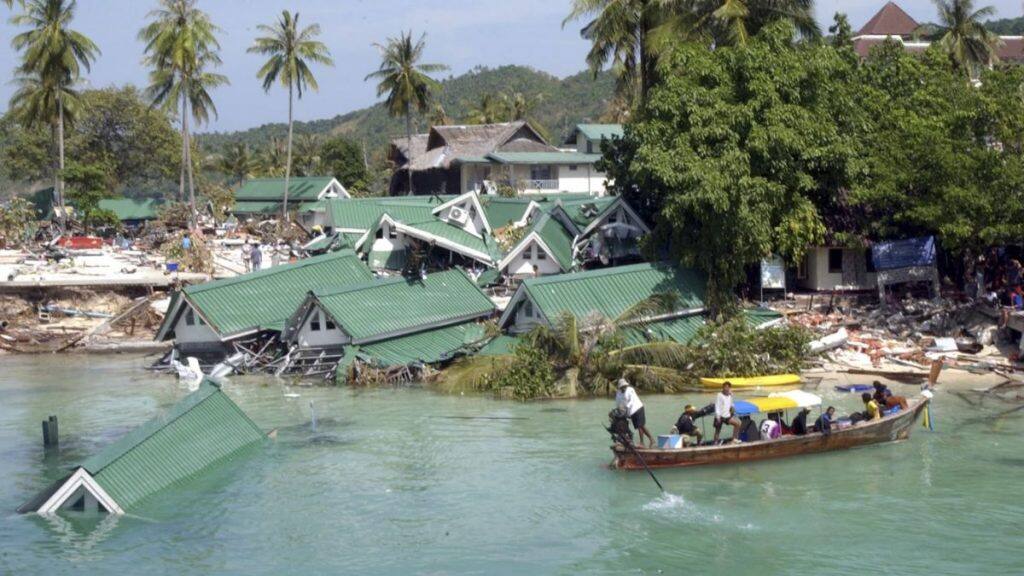
At the time, the Indian Ocean region lacked a coordinated tsunami warning system. Many coastal residents had no understanding of the signs of an approaching tsunami, such as the sudden retreat of the sea. As a result, communities were caught off guard, with little time to evacuate.
The disaster prompted an unprecedented international humanitarian response. Governments, aid agencies and volunteers mobilised quickly, providing emergency relief, medical assistance and long-term reconstruction support. In the years that followed, countries invested heavily in early warning systems and disaster preparedness programmes to reduce future risks.
China opened the world's longest high-speed rail route
On this day in 2012, China opened the world’s longest high-speed rail route that linked the capital city of Beijing with the southern metropolis of Guangzhou. The launch marked a major milestone in the country’s ambitious effort to modernise transportation and connect its vast regions through fast and efficient rail travel.
The Beijing–Guangzhou high-speed railway stretches more than 2,200 kilometres, running through some of China’s most densely populated and economically important provinces, including Hebei, Henan, Hubei, Hunan and Guangdong. Trains on the route were designed to travel at speeds of up to 300 kilometres per hour, cutting travel time between the two cities from about 22 hours on conventional trains to roughly eight hours.
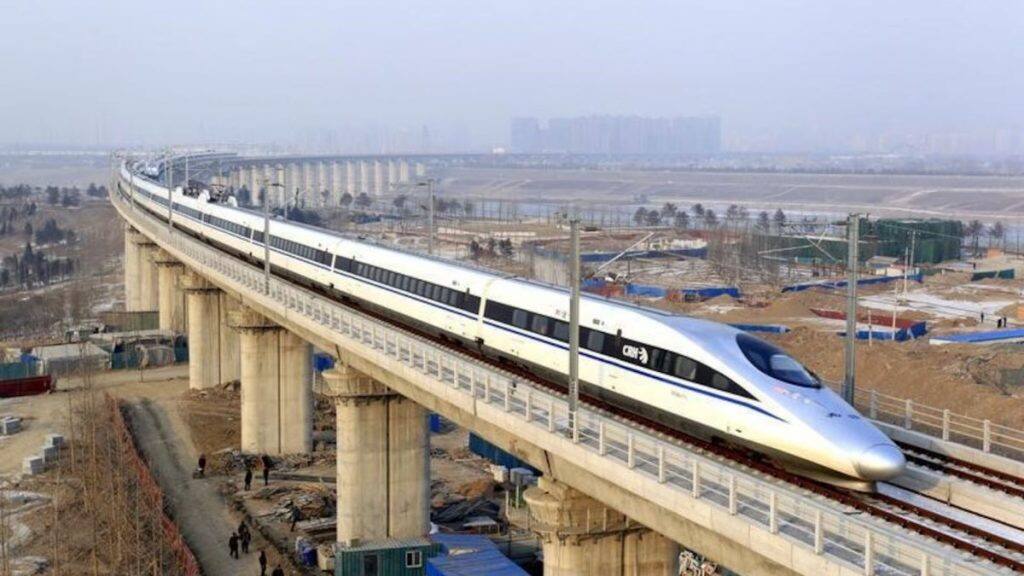
The opening of the line transformed long-distance travel within China. Business travellers, migrant workers and tourists gained a faster and more comfortable alternative to air and road transport. The railway also helped reduce congestion at airports and on highways, while offering a more energy-efficient mode of transportation.
Beyond convenience, the route had major economic significance. By linking northern political centres with southern manufacturing hubs, the railway strengthened trade, labour mobility and regional development. Cities along the corridor saw increased investment and growth as high-speed rail stations became new economic focal points.
The project was also a showcase of China’s engineering capabilities. Built over challenging terrain and across multiple river systems, the railway required advanced construction techniques and strict safety standards. Its completion underscored China’s emergence as a global leader in high-speed rail technology.
This Day, That Year
- Mobster Bugsy Siegel opened the Flamingo Hotel and Casino in Las Vegas on this day in 1946.
- In 1805, Napoleon enforced harsh penalties on Austria with the signing of the Treaty of Pressburg.
With inputs from agencies

Military drones & police check-ups: How Sri Lanka is fighting against worst dengue outbreak in a decade
How Facebook job ad lured 2 Karnataka men into Myanmar cyber scam camp
Why is India seeing 95% cloud cover despite a Super El Niño?
What is CJP’s fourth demand to the government as protests in Delhi intensify?
The new geography of war: Why the Houthis can no longer be ignored